


Acrylic looks like glass and behaves like nothing else, which is exactly why the wrong adhesive ruins it so fast. Fogged seams, brittle joints, glue bleeding across a polished face, these are the everyday failures that send crafters and repairers back to square one. The five products below cover the realistic spread: thin cyanoacrylates that wick into hairline gaps, a heavier-duty repair formula, and even the sheet stock itself for anyone starting a build from scratch. Whether you’re framing photos, fixing a cracked display case, or assembling miniature parts, there’s a match here for your bench.
A Fast Comparison Of The Options

ALECPEA Thin CA Glue 100 CPS (20g)

Bouaegr Glass Glue Acrylic Adhesive 20g

LMQ LASH Glass Super Glue Clear 30g

KAITELA Clear Cast Acrylic Sheet 5″ x 7″, Pack of 10
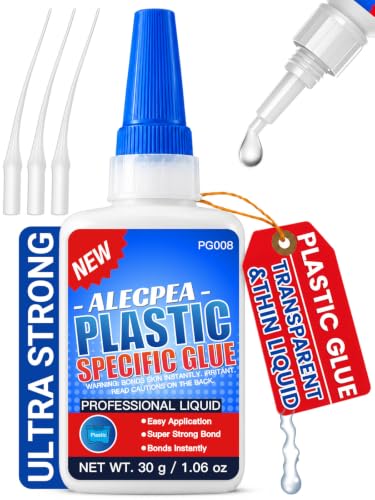
ALECPEA Plastic Glue 30g Thin Formula
A Closer Look At Each Pick
Viscosity is measured in CPS (centipoise), and lower numbers mean thinner liquid. At 100 CPS this cyanoacrylate sits in the sweet spot for acrylic work: thin enough to wick into narrow seams by capillary action, yet controlled enough that it won’t run off a vertical edge the way water-thin formulas can.
The included micro-tips matter more than most people expect. Anyone who has ruined a watch face or an electronics housing with a stray glue blob knows bleed-out is the real enemy, and those fine applicators give you placement control at the joint instead of across it.
Practical Pluses
- Sets in roughly 10 to 15 seconds, so clamped parts stop sliding while you work
- Micro-tips keep adhesive off polished acrylic faces, saving hours of scraping later
- Clear cure means seams stay nearly invisible on transparent sheet
- Handles wood, metal, glass, and ceramic alongside acrylic, one bottle covers many jobs
- Full hardening within about 12 hours gives a durable finished bond
Small Caveats
- Thin CA cures fast in the bottle too once opened, so store it sealed in a cool drawer
Key Specs
Made For
Detail-oriented hobbyists and repairers who need controlled, low-bleed bonds on clear materials.
A Better Fit Elsewhere
Shoppers tackling load-bearing glass breaks will get more muscle from the LMQ LASH Glass Super Glue Clear 30g further down this list.
Where the ALECPEA above specializes in precision, the Bouaegr plays the generalist. Its formula is built for joining unlike materials, acrylic to ceramic, plastic to leather, wood to metal, which is the situation most household crafters actually face. Mixed-media projects rarely involve two identical surfaces.
The manufacturer describes it as transparent once cured and tolerant of rough, uneven, or vertical surfaces. In practical terms, that means you can bond a wobbly broken figurine or reattach trim on a curved vase without building a jig first. For casual DIY around the house, that flexibility is worth a lot.
Benefits That Matter
- Works across same-material and cross-material joints, from glass to rubber
- Dries colorless, so repairs on clear acrylic stay visually quiet
- Grips uneven and upright surfaces where thinner glues simply drain away
- Suits crafting, restoration, and everyday object fixes without special prep tools
Things To Weigh Up
- Generalist formulas usually trade some peak strength for versatility, so skip it for structural loads
- Nozzle care matters, wipe the tip after each session or the opening can crust over between uses
Right Fit For
Home crafters and casual fixers juggling different materials in a single project.
Swap It Out When
Model builders working only with ABS, PVC, or PS plastics will find the ALECPEA Plastic Glue 30g better matched to their parts list.
This is the heavy hitter of the group. Tensile strength, the pulling force a cured joint resists before separating, is rated by the maker at 3580 psi on glass, a figure that puts it well ahead of typical hobby cyanoacrylates. Broken crystal stemware, thick glass panels, and stressed acrylic brackets are its natural territory.
Initial grab happens within 30 to 90 seconds according to the brand, then full strength develops over a 24-hour cure. That two-stage timeline is honest engineering: you get quick handling so parts stay put, and patience rewards you with a joint meant to last. Compared with the Bouaegr’s all-purpose approach, this one commits to strength.
Real-World Strengths
- High stated tensile rating suits repairs that carry weight or stress
- Fast initial fixation lets you position pieces without long clamping sessions
- Clear formulation keeps repaired glassware presentable on open shelves
- Generous 30g volume covers multiple substantial repairs per bottle
- No complex preparation steps beyond clean, dry surfaces
Honest Caveats
- Allow the full 24-hour cure before handling stressed items, early loading weakens the bond
- Thin consistency means alignment must be right the first time, repositioning is difficult
Quick Facts
Who Will Love This
Anyone repairing glassware, crystal, or acrylic pieces that need genuine structural strength rather than a cosmetic touch-up.
Look Elsewhere When
For delicate, gap-filling detail work on small components, the ALECPEA Thin CA Glue offers finer control than this strength-first formula.
Every glue on this list needs something to bond, and this ten-sheet pack is the raw material side of the equation. Cast acrylic differs from extruded stock in how it machines and bonds: it tends to produce cleaner cuts and takes solvent cement and CA adhesives predictably, which matters when seam clarity is the goal.
Each panel measures 5 by 7 inches at 1/8 inch thick (about 3mm), a handy size for photo frames, small display risers, signage blanks, and protective inserts. Laser-cut edges arrive smooth rather than chipped, and cast material resists yellowing over time, so finished pieces keep their clarity season after season.
Where It Delivers
- Glass-like optical clarity with less weight and far greater shatter resistance
- UV-resistant and weather-tolerant, suitable for indoor and covered outdoor use
- Laser-cut edges mean less sanding and prep before gluing
- Ten sheets give room for practice cuts and project mistakes
Points To Keep In Mind
- The fixed film masking should stay on until cutting and gluing are done to avoid surface scratches
- At 1/8 inch thickness, panels flex under load, so brace larger spans
Built With In Mind
Makers, sign painters, and frame builders who want consistent, ready-to-use clear stock in small formats.
Another Choice May Suit
Repair-only shoppers who already own plenty of sheet stock will get more value from the LMQ LASH Glass Super Glue Clear 30g instead.
The second ALECPEA entry targets a narrower problem: plastic parts joined edge to edge, where a hairline crack often hides weak contact underneath. This low-viscosity formula exploits capillary action, the tendency of a thin liquid to pull itself into tight spaces, so it reaches the full depth of a seam instead of just bridging the surface.
It sets in about 15 seconds and comes with precision tips designed to keep adhesive off painted finishes and visible faces. Model car builders, miniature painters, and anyone fixing cracked toy housings or narrow trim seams will recognize the workflow immediately. The 30g bottle also runs larger than the 20g sibling reviewed earlier.
Notable Upsides
- Wicks into close-fitting joints for bonds stronger than surface-only gluing
- Roughly 15-second set keeps miniatures and small parts from drifting out of alignment
- Clear cure leaves model paintwork and transparent housings untouched visually
- Formulated for common plastics including ABS, PVC, and PS
- Larger 30g volume suits ongoing hobby use across many sessions
Worth Noting
- Joints need to fit closely, wide gaps call for a gap-filling adhesive instead
- Keep the cap tightly closed between sessions, thin CA formulas thicken once exposed to air
Feature Rundown
Whose Shelf It Belongs On
Scale modelers, miniature hobbyists, and parents patching toys will get the most mileage from this bottle.
Consider Something Else When
Cross-material crafts mixing fabric, leather, or ceramic are better served by the Bouaegr Glass Glue Acrylic Adhesive 20g.
What To Know Before You Choose
Match Viscosity To The Joint
Thin adhesives shine on tight, close-fitting seams because capillary action pulls them deep into the gap. Thicker formulas fill space but sacrifice penetration. Examine your parts honestly: a laser-cut acrylic edge meets its mate flush, while a chipped ceramic needs gap-filling body. Choosing viscosity first eliminates half the confusion.
Clarity And Cure Time Both Count
On transparent acrylic, a cloudy cure line ruins the whole piece, so confirm the adhesive dries colorless before committing to a visible seam. Set time matters just as much. Fast-grab formulas around 10 to 15 seconds suit small assemblies, while structural repairs deserve a full 24-hour cure before any load touches the joint.
Surface Prep Decides Everything
Adhesives bond to the surface they touch, not the one you intended. Oils from fingerprints, polishing compounds, and dust all weaken joints. Wipe mating surfaces with isopropyl alcohol, let them dry fully, and dry-fit pieces beforehand. Ten minutes of prep routinely separates a repair that lasts years from one that pops apart in a week.
Key Considerations Across These Picks
Traps First Timers Fall Into
The classic mistake is grabbing the strongest-sounding glue regardless of fit. A high-strength structural formula applied to a delicate miniature just adds stiffness and mess. Another frequent slip is skipping the dry fit, since fast-setting adhesives forgive almost nothing. Apply sparingly too: excess squeeze-out on clear acrylic is far harder to remove than to avoid.
Why Top Tier Costs More
Pricier options generally buy tighter viscosity control, cleaner curing, and finer applicators rather than raw strength alone. Precision tips, consistent batch quality, and documented cure figures all cost money to produce. For occasional household fixes, a basic bottle does the job. Regular hobbyists and anyone working on visible clear pieces will find the upgrade pays back in fewer spoiled parts.
Frequently Asked Questions
Can regular super glue bond acrylic sheet?
Yes, standard cyanoacrylate adhesives form usable bonds on acrylic, though results improve with a formula chosen for the joint width. Clean surfaces and a snug fit remain essential either way.
How long should acrylic glue cure before use?
Most CA-based products set within seconds but reach full hardness in 12 to 24 hours. Keep the assembled piece unloaded until the full cure window passes.
Will acrylic glue show through clear sheet?
Quality clear formulas cure nearly invisible, especially in thin seams. Wide gaps and excess adhesive are what create visible white or cloudy lines.
Does acrylic glue work on other plastics?
Many do. The ALECPEA Plastic Glue explicitly covers ABS, PVC, and PS, while general formulas handle assorted plastics with varying success. Always check the listed compatible materials.
How should I store leftover adhesive?
Keep bottles tightly capped, upright, and away from heat or sunlight. Refrigeration extends shelf life for some cyanoacrylates, though condensation requires letting the bottle return to room temperature before use.
Closing Thoughts
Matching the adhesive to the joint beats chasing strength ratings every time. Tight seams and clear finishes point toward the thin ALECPEA formulas, stressed glassware calls for the LMQ LASH, and mixed-material crafts suit the Bouaegr. Add the KAITELA sheets when a project starts from scratch. Whichever direction your bench pulls you, prep the surfaces properly and let each bond cure fully, and the results will speak for themselves.




