


A dull mower blade tears grass instead of cutting it, leaving brown tips across your lawn and forcing the engine to work harder than it should. The right grinding wheel or sharpening tool fixes that in minutes, whether you run a bench grinder in the garage or prefer to touch blades up right on the deck. This list covers five approaches: coarse bench wheels, angle-grinder flap discs, and drill-mounted stones built specifically for mower edges. Each one suits a different setup, budget, and comfort level with tools, so you can match the option to your own routine instead of forcing a one-size-fits-all choice.
The Choices Worth Comparing

POWERTEC Bench Grinder Wheel 8 Inch 36 Grit Aluminum Oxide

NEIKO 11143A Zirconia Flap Discs 4-1/2 Inch 10 Pack
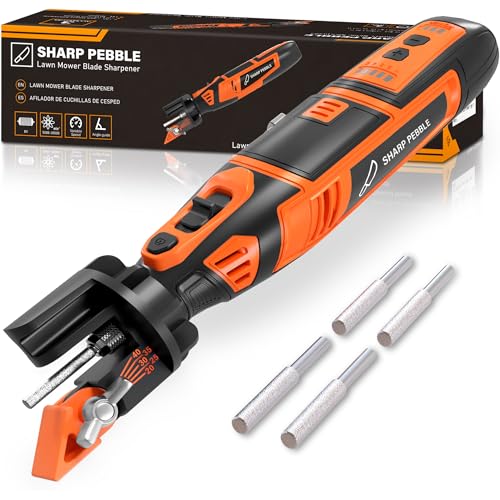
Sharp Pebble Cordless Lawn Mower Blade Sharpener Kit

AmaCupid Bench Grinder Wheel 80 Grit 6 Inch
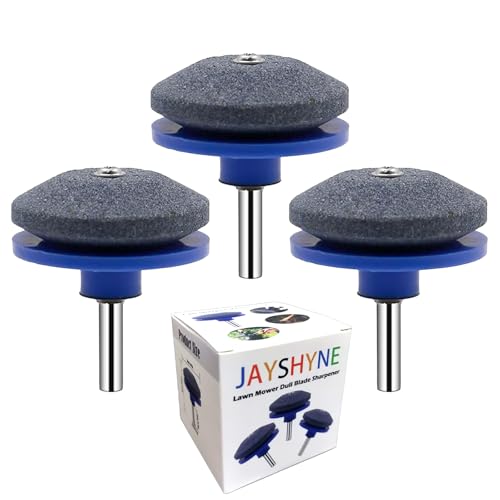
JAYSHYNE Lawnmower Blade Sharpener Stone Kit 3 Pcs
Inside Each Recommended Option
An eight-inch wheel at 36 grit moves metal fast, which is exactly what a badly nicked mower blade needs before any fine edge work happens. The aluminum oxide abrasive bonds well to steel, so you can grind out dings from rocks and fence posts, then true up the cutting face in one session at the bench.
The 5/8-inch arbor fits most standard bench and pedestal grinders, and the one-inch thickness gives the wheel enough body to resist glazing over a season of tool work. Compared with smaller six-inch wheels like the AmaCupid later in this list, this one covers more edge per pass, which matters when you’re restoring rather than touching up.
Noteworthy Benefits
- Coarse 36 grit cuts through nicks and dull spots quickly, saving real time on neglected blades
- One-inch thickness holds its shape longer between dressings than thin wheels
- Standard 5/8-inch arbor drops onto common bench grinders with no adapters needed
- Doubles for chisels, drill bits, and general shop steelwork beyond mower duty
Things To Consider
- This grit removes a lot of material, so light hands are required to avoid eating away blade balance
- You may find dressing the wheel occasionally necessary to keep the face cutting cleanly
Key Product Details
Built With In Mind
Home workshop owners who already run an eight-inch bench grinder and want one aggressive wheel for seasonal blade restoration.
A Better Fit Elsewhere
For finer finishing passes after shaping, the AmaCupid 80-grit wheel below pairs naturally with this one.
Where a rigid bench wheel only grinds, a flap disc grinds and finishes at once. Overlapping zirconia abrasive flaps wear away to expose fresh grain, so the disc keeps cutting consistently instead of glazing the way bonded wheels sometimes do. The angled T29 profile lets you lay the disc flat against a mower blade’s bevel and sweep along the edge with control.
Zirconia alumina is worth understanding here: it’s a self-sharpening abrasive that holds up under heat and pressure far better than basic aluminum oxide on ferrous metals. At 60 grit, these discs leave a smoother edge than the POWERTEC wheel above while still removing meaningful stock. A ten-pack means you’re covered for several seasons of blades, garden tools, and rust cleanup around the yard.
A Strong Showing
- Zirconia grain resists heat buildup, keeping cut rates steady through long sessions
- T29 angled face conforms to blade bevels for smoother, more controlled passes
- Handles carbon steel, stainless, aluminum, and even wood sanding tasks
Potential Sticking Points
- Requires a 4-1/2-inch angle grinder, so there’s nothing to attach these to if your shop stops at a drill
- Flaps wear down with use, and heavy stock removal shortens disc life noticeably
The Right Fit
Angle grinder owners who want one consumable that shapes, deburrs, and finishes yard tools without swapping discs mid-job.
Skip It When
Anyone without an angle grinder should look at the JAYSHYNE drill-mounted stone kit, which runs off a standard hand drill instead.
The biggest chore in blade maintenance isn’t sharpening, it’s removal: jacking up the mower, unbolting the blade, and hoping you remember which side faced down. This cordless kit sidesteps all of that by letting many standard residential blades stay mounted during touch-ups, which turns a half-hour garage job into a few minutes of driveway work.
Manufacturer guidance suggests routine edge refreshes take roughly two to three minutes per blade, though heavily worn or gouged edges still deserve a proper bench session with something like the POWERTEC wheel. In our view, that division of labor is the honest way to read this kit: it excels at frequent light maintenance and falls back gracefully when a blade needs real surgery. Cordless operation also means no hunting for outlets near the shed.
Practical Advantages
- On-mower sharpening skips disassembly entirely for routine touch-ups
- Cordless design works anywhere the mower sits, no outlet required
- Maintaining an edge regularly extends blade life versus waiting until replacement
- Kits typically include the accessories needed to start immediately
Small Caveats
- Badly damaged blades still need removal and coarser grinding, so this won’t replace a bench grinder outright
- Fit varies by mower model, so checking compatibility with your deck beforehand saves frustration
Feature Snapshot
Made For
Suburban homeowners who mow weekly and would rather spend five minutes maintaining an edge than an afternoon pulling blades.
Another Choice May Suit
Those facing deeply gouged or bent blades will get faster results from the NEIKO flap discs paired with an angle grinder.
Not every grinder takes an eight-inch wheel, and not every job calls for 36-grit aggression. This six-inch, 80-grit aluminum oxide wheel occupies the refinement end of the lineup: after the POWERTEC wheel knocks out deep nicks, a wheel like this hones the bevel smooth and brings the edge close to finished. Owners commonly report it as the wheel they reach for second, not first.
The 3/4-inch thickness and 1/2-inch arbor suit compact bench grinders, the kind that live on a shelf in a one-car garage. Trade-offs show up in speed: 80 grit removes material slowly, so restoring a wrecked blade on this alone would test anyone’s patience. Think of it as the finishing half of a two-wheel setup rather than a standalone solution, and the low cost makes running both easy to justify.
Advantages To Know
- 80 grit produces a cleaner, sharper-feeling edge than coarse wheels alone
- Compact six-inch format fits small hobbyist and apartment-friendly grinders
- Aluminum oxide construction suits hardened, high-carbon, and alloy steels
Less Ideal Details
- Slow stock removal makes heavy repair work impractical on its own
- The 1/2-inch arbor won’t fit larger grinders without an adapter bushing
- Fine wheels load up faster with soft metals, so occasional dressing keeps performance honest
Who Should Grab It
Hobbyists with a six-inch bench grinder who already handle rough shaping elsewhere and need a dedicated finishing wheel.
Where A Sibling Pick Shines
Shoppers wanting one wheel that does both rough and finish work should step up to the larger, coarser POWERTEC 36-grit wheel.
If your entire power tool collection is a corded drill, this kit meets you where you are. Each brown corundum stone mounts to a standard hand drill in seconds, and spinning it against a blade edge restores sharpness in minutes. Brown corundum, a tough fused-aluminum abrasive, tolerates the friction heat of grinding without melting down, which is why it holds up across repeated seasons.
Three stones in the pack means spares exist when one wears round, and the same stones double for garden shears, axes, and knife edges. The catch is control: freehand drill sharpening takes a steadier touch than a bench grinder’s rest, and beginners may burnish an edge unevenly at first. Slow drill speeds and light pressure fix most of that. As a low-commitment entry point, it’s hard to argue with.
Standout Benefits
- Installs on any standard power drill in seconds, no dedicated machine required
- Brown corundum abrasive withstands grinding heat for repeated seasonal use
- Three-piece pack provides backups as stones wear
- Also refreshes shears, knives, and other garden edges
Points To Note
- Freehand technique demands practice, and wobbly passes leave uneven bevels
- Stones are small, so full-width mower blades take several overlapping strokes
- Drill speed matters; high RPM settings can overheat and soften an edge
Quick Facts
Who It Suits Best
First-time sharpeners and renters with minimal tool storage who want capable results from the drill they already own.
Consider Something Else When
Users wanting guided, on-mower convenience will find the Sharp Pebble cordless kit more forgiving day to day.
What Matters Most Before Choosing a Grinder Wheel For Sharpening Mower Blades
Match the Abrasive to Your Machine
Grit size drives everything. Coarse wheels around 36 grit reshape damaged edges fast, while 60 to 80 grit options refine the bevel toward a clean cut. Confirm your grinder’s wheel diameter and arbor bore first; an eight-inch wheel won’t fit a six-inch machine, and arbor sizes differ between models.
Decide Where the Work Happens
Bench setups give you a stable rest and repeatable angles, which suits deep restoration. Drill-mounted stones and cordless kits trade some precision for speed and portability, ideal for quick seasonal touch-ups beside the mower itself.
Weigh Consumables Against Equipment
Flap discs and sharpening stones wear out and get replaced; bench wheels last years but demand a grinder to begin with. Shoppers starting from scratch often find a drill-based kit cheaper overall, while existing grinder owners just need the right wheel.
Respect Balance and Heat
An unevenly ground blade vibrates, stresses the engine spindle, and cuts poorly. Work in light passes, keep the original factory bevel angle, and pause often so the steel never discolors from heat.
Key Considerations Across These Picks
Traps First Timers Fall Into
The most common mistake is buying a wheel that doesn’t match the grinder’s arbor or diameter, so measure before ordering. Another frequent slip is choosing ultra-coarse grit for lightly dull blades, stripping years of steel in one careless session. Beginners also tend to skip eye protection; grinding throws sparks and fragments, so treat safety gear as part of the purchase, not an afterthought.
When Paying More Pays Off
Higher-tier abrasives earn their price through longevity and consistency. Zirconia flap discs self-renew their cutting surface, premium bench wheels resist glazing, and engineered cordless kits save genuine labor every mow week. Spending up makes sense once sharpening becomes routine; casual once-a-year users rarely notice the difference.
Frequently Asked Questions
What grit works best for mower blades?
Start with 36 to 60 grit to remove nicks and restore the bevel, then refine with 80 grit for a clean edge. Most home users get excellent results with a single medium-coarse wheel and patience.
Can I sharpen a mower blade without removing it?
Yes, with drill-mounted stones or a cordless sharpening kit designed for on-deck use. Heavily damaged blades still benefit from removal and bench work.
How often should mower blades be sharpened?
For typical residential lawns, once or twice per mowing season keeps cuts clean. Sandy soil or large yards may call for more frequent touch-ups.
What is the difference between aluminum oxide and zirconia abrasives?
Aluminum oxide is a dependable, affordable general-purpose grain. Zirconia is tougher and self-sharpening under heat, holding its cut rate longer on hard metals.
Do I need to balance the blade after sharpening?
Balancing is strongly recommended after any grinding session, since uneven metal causes vibration and premature spindle wear. Simple cone-style balancers cost little and take seconds to use.
Closing Thoughts
Every option here solves the same problem from a different corner of the garage: the POWERTEC wheel for serious bench restoration, the NEIKO discs for angle-grinder flexibility, the Sharp Pebble kit for on-mower convenience, the AmaCupid wheel for finishing passes, and the JAYSHYNE stones for drill-only households. Match the tool to the equipment you already own and how often you mow, then keep passes light and edges balanced. A sharp blade is the cheapest lawn upgrade available, and any of these five will get you there.




