


Anyone who has burned through three bonded discs on a single Saturday patio job already knows why diamond edges matter. The right wheel turns rebar, granite, and cured concrete from a slog into a straight pass. This list covers both sides of the equation: the wheels and blades themselves, plus one grinder tool that puts them to work. Whether you’re a weekend DIYer trimming pavers or a contractor leveling a slab floor, there’s a match here for your bench.
The Essentials At A Glance

EDiamondTools 7″ Diamond Grinding Wheel 24 Segments

DCK Angle Grinder 4-1/2-Inch 6.7Amp

GRAFF 6 Inch Turbo Diamond Blade for Angle Grinder
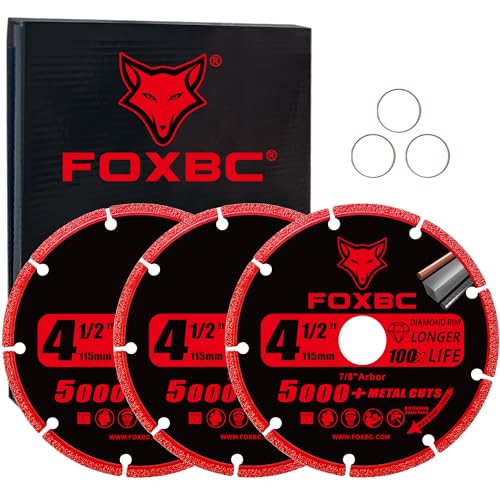
FOXBC 4-1/2 Inch Diamond Cutting Wheel 3 Pack

SHDIATOOL 4-1/2 Inch Diamond Cutting Grinding Disc
More On The Choices That Made The List
This is the wheel you reach for when a concrete slab has high spots, old thinset, or stubborn coating that lighter discs just smear around. Its seven-inch diameter and double-row segment layout give you a wide grinding face, so each pass removes more material than a standard cup or blade would.
The 5/8″-11 arbor threads directly onto most angle grinder spindles, which means no adapter hunting before you start. Contractors doing floor prep will get the most out of it; a homeowner with one small patch may find it more wheel than the job needs.
Standout Benefits
- The 24-segment double row spreads wear across more diamond surface, so the edge keeps biting through long leveling sessions instead of glazing over.
- A #30/40 grit profile cuts fast enough for coating removal yet leaves a finish you can seal or tile over without heavy follow-up work.
- Medium bond hardness balances aggressive removal against reasonable lifespan on hard concrete.
- Rated for wet or dry operation, so you can add water for dust control indoors or run dry outside.
Honest Caveats
- Seven inches of spinning diamond demands a grinder with enough power; a compact hobby tool may bog down under load.
- Dry grinding concrete throws serious dust, so plan on eye protection, a respirator, and shop vacuum cleanup afterward.
Quick Facts
Made For
Contractors and serious DIYers grinding, cleaning, or leveling concrete and masonry surfaces on a regular basis.
A Better Fit Elsewhere
Shoppers mainly cutting stone or pavers rather than grinding flat surfaces should look at the GRAFF 6 Inch Turbo Diamond Blade instead, since its thin kerf is built for slicing rather than surfacing.
Every wheel on this list needs something to spin it, and the DCK fills that role without a big investment. The 6.7-amp motor spins up to 11,800 RPM, which is enough headroom for cutting steel, grinding welds, and driving the smaller diamond discs further down this page.
At roughly 4.4 pounds with a slim grip, it stays manageable during overhead cuts or long sessions in tight mechanical rooms. Plumbers and metalworkers who run a grinder every day are the natural audience, though first-timers benefit most from what’s in the box: two guards plus six discs covering cutting, grinding, and flap-sanding tasks.
Positive Points
- Six included discs mean you can cut pipe, grind a bead, and blend an edge the same afternoon it arrives.
- Two separate safety guards let you set up cutting and grinding configurations without swapping hardware mid-job.
- The 11,800 RPM top speed suits abrasive work where wheel speed drives cut quality.
Things To Consider
- It’s a corded tool, so extension cord length and outlet access shape where you can actually work.
- Owners commonly report the side handle position takes a little getting used to for left-handed users.
- No soft-start feature is listed, so expect a firm kick at switch-on compared with premium models.
Who Should Grab It
Beginners and trade apprentices who want one corded grinder plus a full disc assortment ready out of the box.
Swap It Out When
Experienced fabricators who already own a reliable body might prefer spending on the FOXBC 4-1/2 Inch Diamond Cutting Wheel 3 Pack instead of another complete kit.
Turbo rims, for those new to blades, use a serrated diamond edge that cuts faster than a continuous rim while leaving a cleaner line than segmented teeth. The GRAFF leans on that design across stone, marble, granite, brick, and paving flag, making it a genuine one-blade answer for mixed backyard projects.
Where the EDiamondTools wheel above grinds surfaces flat, this one slices through material, and the two complement each other nicely on a hardscape job. The maker also emphasizes slower heat buildup, which matters because overheating is what kills diamond edges early.
Notable Gains
- The turbo rim handles everything from flagstone to cured concrete, so one blade covers a whole patio build.
- Slower heat generation supports longer continuous cuts before you need to pause and let things cool.
- A 150 mm diameter suits larger 6-inch-capacity grinders for deeper single passes.
Points To Note
- It’s positioned for domestic and DIY use, so tradespeople running eight-hour days may wear it quicker than heavy-duty blades.
- You’ll need a grinder rated for 150 mm wheels; it won’t fit standard 4-1/2-inch tools.
Details At A Glance
Right Fit For
Home DIYers tackling paver, flagstone, or masonry cutting projects who want dependable results without pro-grade pricing.
Where A Sibling Pick Shines
Anyone working metal rather than stone will get far more life from the FOXBC 4-1/2 Inch Diamond Cutting Wheel 3 Pack, which is engineered specifically for rebar and stainless steel.
Bonded cut-off discs are consumables; feed them rebar day after day and your supply shelf empties fast. The FOXBC takes a different route, using an electroplated diamond rim that the manufacturer rates for thousands of cuts on rebar, stainless, angle iron, and cast iron.
Electro-plating, briefly, bonds diamond particles evenly across the cutting edge, which gives steadier tracking than a coarse abrasive disc that sheds grit as it wears. Getting three wheels in one pack extends that math even further, and the standard 7/8″ arbor drops onto virtually any 4-1/2-inch grinder, including the DCK reviewed earlier.
The Value In It
- Diamond-rimmed construction delivers dramatically longer cutting life than a single bonded disc, which translates into fewer interruptions and less waste.
- Rated for dry cutting across stainless, aluminum, pipes, and sheet metal, so one pack covers a fabrication cart’s worth of materials.
- Even diamond distribution supports precise, controlled cuts where a wandering disc would ruin the workpiece.
- Three wheels per order keep a backup on hand when a job can’t wait.
Small Limitations
- Electroplated rims generally aren’t suited to grinding or side-loading, so keep cuts straight and let the wheel do the work.
- Thin diamond layers eventually expose the steel core, and worn plating can’t be refreshed like a dressable grinding wheel.
Whose Shelf It Belongs On
Metalworkers, fence installers, and maintenance crews cutting rebar and steel stock regularly and tired of burning through abrasive discs.
Another Choice May Suit
For jobs needing both cutting and edge shaping on stone, the SHDIATOOL 4-1/2 Inch Diamond Cutting Grinding Disc doubles up those functions in a single wheel.
Most diamond wheels do one job well. This SHDIATOOL disc does two, using vacuum brazing, a process that fuses diamond grit directly to the steel body on both faces and the rim. That construction lets the same wheel slice through marble and ceramic, then flip to grinding, beveling, or rounding an edge without a disc swap.
Tile setters profiling sink cutouts and countertop installers smoothing inside corners are exactly who this was made for. Compared with the FOXBC’s metal focus, this one lives firmly in the stone-and-tile world, and the 2.3 mm thickness keeps kerfs narrow enough for detail work.
The Practical Payoff
- Double-sided brazed surfaces mean cutting, shaping, and smoothing happen with one wheel mounted, saving mid-task changes.
- The #40/50 grit strikes a middle ground between fast stock removal and a finish that needs minimal hand sanding.
- Works on concrete coating removal as well as stone profiling, adding flexibility for renovation work.
- 5/8-11 flange mounting suits threaded-spindle grinders common among tile pros.
Potential Sticking Points
- At 2.3 mm thick, it’s not the fastest option for long straight rips through dense granite.
- The 5/8-11 arbor won’t fit grinders with a plain 7/8″ shaft without an adapter, so check your tool first.
Feature Snapshot
Built With In Mind
Tile and stone professionals who shape edges, smooth sinkhole cuts, and remove coatings and want one disc to handle all of it.
Look Elsewhere When
For pure straight cutting of thick slabs and pavers, the GRAFF 6 Inch Turbo Diamond Blade offers a thinner, faster slicing action better matched to that task.
What Matters Most Before Choosing Grinders With Diamond Blade
Match The Wheel To The Material
Diamond edges fall into rough camps: segmented and turbo rims for slicing stone and masonry, electroplated rims for metals, and brazed or cup-style wheels for grinding surfaces flat. Buying a metal-cutting wheel for granite work wastes money in both directions. Start with the material you touch most, then pick the rim style built for it.
Check Your Grinder First
Arbor size decides compatibility more than anything else. Standard 4-1/2-inch grinders usually take a 7/8″ shaft, while many pro wheels use a 5/8″-11 threaded mount. Larger 6-inch or 7-inch wheels also demand motors with enough amperage to hold speed under load. Confirm all three numbers before ordering anything.
Think About Dust And Cooling
Dry cutting is convenient but dusty, especially on concrete. Wet operation controls dust and extends blade life, yet adds setup time and mess management. Indoors, dust control often becomes the deciding factor, not cutting speed.
Weigh Cost Per Cut, Not Cost Per Wheel
A bonded disc costs little and lasts minutes on rebar. A diamond wheel costs more upfront and survives hundreds of cuts. Frequent users come out ahead quickly; occasional users with one small project may not.
Key Considerations Across These Picks
Traps First Timers Fall Into
The most common slip is buying a great wheel that doesn’t fit the grinder in the garage, so verify arbor size and maximum wheel diameter before checkout. Another frequent miss is choosing a cutting-only blade for jobs that need grinding too. Run the wheel at its intended orientation; side-loading a cutting rim cracks segments and shortens life dramatically.
What Separates Premium From Basic
Higher-tier wheels spend more on diamond concentration, bond chemistry, and manufacturing precision like vacuum brazing or electroplating. That shows up as cooler cutting, straighter tracking, and a much longer service life. Tradespeople logging daily hours recover the difference fast, while a homeowner facing one weekend project rarely needs to pay for it.
Frequently Asked Questions
Can a diamond blade cut metal?
Some can, specifically electroplated designs like the FOXBC wheels, which are rated for rebar and stainless steel. Standard masonry blades should stay away from metal, since the bond isn’t formulated for it.
Do diamond wheels work wet and dry?
Many do, including the EDiamondTools grinding wheel, which carries a wet-or-dry rating. Always confirm the listing states your intended mode before committing to a method.
Why does my diamond blade stop cutting?
Glazing happens when the bond holds dull diamonds at the surface, usually from cutting too hard a material too slowly. A few seconds dressing the rim on an abrasive block typically exposes fresh diamond.
Will a 6-inch blade fit a 4-1/2-inch grinder?
Not safely, unless the manufacturer explicitly rates the tool for that diameter. Exceeding the marked maximum wheel size risks guard interference and excessive rim speed.
How long does a diamond cutting wheel last?
Lifespan depends heavily on material hardness, feed pressure, and cooling. Electroplated metal-cutting wheels are commonly reported to outlast dozens of bonded discs on the same jobs.
Closing Remarks
Picking between these five comes down to what sits on your workbench most weeks. Concrete floors point you toward the EDiamondTools wheel, stone and paver projects toward the GRAFF turbo blade, and daily steel cutting toward the FOXBC trio. Pair any of them with the right grinder, respect the arbor sizes, and each of these choices should hold up through plenty of real work ahead.




