Smooth skin between salon visits is a quiet luxury most people want but few have time to chase. The five hair removal tools below cover the whole spectrum: corded epilators for legs, an at-home light-based device for long-term reduction, and manual facial springs that cost less than lunch. Each one earns its spot through build quality, ease of use, or sheer value, so you can match the tool to your routine instead of forcing your routine around the tool.
The Shortlist At A Glance

Philips Epilator Series 2000 BRE227/00 Corded Epilator

Nood Flasher Pro IPL Hair Removal Device

Ideal Swan Spring Facial Hair Removers, 4 Pack
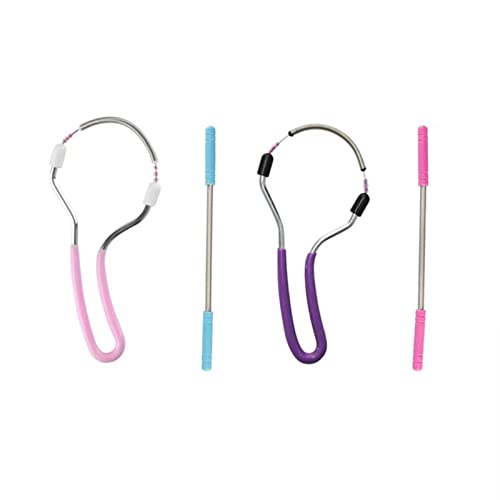
TAORANJU Facial Hair Remover Springs, 4 Pack with Handle

Panasonic ES-EY30 Wet/Dry Epilator
Inside Each Recommended Option
Epilation means pulling hair out from the root rather than cutting it at the surface, which sounds intimidating until you meet a model built to soften the learning curve. The Philips Series 2000 does exactly that with its massage cap, a rubber attachment designed to calm the skin sensation while you get used to the pulling motion.
The corded design means you never pause mid-session to recharge, which matters during those first slow passes over your shins. Compared with the Panasonic further down this list, this one trades wet use and speed settings for simplicity, and for many first-timers that trade works out just fine.
Notable Gains
- The included massage cap cushions each pass, easing the sting newcomers usually brace for.
- Grips hairs as short as 0.5 mm, so regrowth between sessions stays barely visible.
- Root-level removal can leave skin smooth for weeks, stretching the gap between touch-ups considerably.
- No battery anxiety: plug it in and work through both legs without interruption.
A Few Limitations
- The cord limits reach, so you’ll want an outlet near where you sit or stand.
- Dry-use only, unlike the washable Panasonic ES-EY30 later in this list.
- First sessions commonly sting; owners suggest evening sessions when skin is least sensitive.
Quick Facts
Who Will Love This
Anyone trying epilation for the first time who wants gentle guidance and simple dry-use operation on legs and body.
A Better Fit Elsewhere
Shoppers wanting shower-friendly versatility and adjustable speeds will get more from the Panasonic ES-EY30.
IPL stands for intense pulsed light, a technology that targets pigment in the follicle rather than yanking hair out mechanically. That distinction shapes everything about ownership: sessions are quick and painless by design, but results build gradually across weeks of consistent use instead of arriving in one evening like the Philips epilator delivers.
The headline feature here is CryoSoothe cooling, which keeps skin temperature down while you flash. Anyone who has winced through hot laser appointments will appreciate what that means at home, though fair skin with dark hair responds best to any IPL device, and very light or deep skin tones may see limited effect.
Useful Highlights
- Built-in cooling tech keeps each flash comfortable, removing the dread factor entirely.
- Treats hair at the root, so regrowth thins progressively over repeated weekly sessions.
- At-home sessions replace recurring salon light treatments, which compounds savings over time.
- Suited to large areas like legs where tweezing or springs would take forever.
Things To Consider
- Patience is part of the deal; visible thinning typically takes several weeks of steady use.
- IPL relies on pigment contrast, so results vary widely depending on your skin and hair color combination.
- You’ll need to shave before flashing, adding one prep step other picks here don’t require.
Made For
Committed users with contrasting skin and hair tones who want gradual, low-pain reduction across large body areas.
Another Choice May Suit
Anyone seeking instant smoothness tonight should grab the Ideal Swan springs or the Philips epilator instead.
Facial threading has existed for centuries, and this spring tool borrows the same principle: coils catch fine hairs and pull them free as you roll. The Ideal Swan set gives you four different spring styles, each shaped for a slightly different job around the upper lip and chin, so one purchase covers your whole face routine.
There’s no motor, no charging, and nothing to break beyond the spring itself. The honest trade-off is technique: rolling against your own face takes a few awkward attempts before it clicks, and the motion stings more than shaving ever will.
Real-World Strengths
- Four distinct spring designs handle different areas, from upper lip to jawline.
- Removes coarse chin and lip hair completely from the root in seconds.
- Root removal tends to slow regrowth compared with surface shaving.
- Costs a fraction of any powered device here, making it an easy first experiment.
Worth Noting
- The learning curve is real; expect clumsy first sessions before the rolling motion feels natural.
- Springs lose tension over months of use, so replacements eventually become necessary.
- Facial skin is sensitive, and some users report temporary redness after rolling.
The Right Fit
Anyone managing fine to medium facial hair who wants a cheap, cordless, bathroom-drawer solution without batteries.
Where A Sibling Pick Shines
Users who find spring rolling fiddly may prefer the TAORANJU handled version, whose grip design eases control.
Where the Ideal Swan set focuses on variety, this TAORANJU pack leans on construction quality. Each spring pairs stainless steel coils with plastic handles, a combination that resists rust and survives being tossed into a toiletry bag without bending out of shape.
The handling difference shows up immediately. You bend the stick into an inverted U, hold the handles, and roll along hair growth direction, which gives your fingers far more leverage than bare-spring designs. Toss one in a carry-on and you’ve got facial grooming anywhere, no outlet required.
The Helpful Details
- Stainless steel springs resist rust even in humid bathrooms or travel kits.
- Handles give a steadier grip, which shortens the learning curve noticeably.
- Lightweight and compact enough for purses, gym bags, and carry-ons.
- Rolling pulls hair from the root, so touch-ups space themselves out naturally.
Small Caveats
- Colors arrive randomly, so don’t expect to pick your shade.
- Manual rolling still takes practice; the handles help but don’t erase the technique hurdle.
- Best suited to finer facial hair, per common user feedback on spring tools generally.
Details At A Glance
Who Should Grab It
Travelers and commuters who want dependable facial touch-up tools that live in a bag without fuss.
Skip It When
Shoppers wanting four specialized face-area shapes will find the Ideal Swan multi-design pack more versatile.
This is the tool you graduate to once epilation becomes routine. The dual-disc head spins 60 tweezers that open unusually wide, grabbing more hair per pass than single-disc heads manage, and the whole assembly pivots 90 degrees to follow ankles, knees, and underarms without constant repositioning.
The wet/dry rating changes the experience fundamentally. Warm water softens skin and dulls the sting, so many owners report shower sessions feel dramatically gentler than anything the corded Philips Series 2000 can offer. Being fully washable also keeps hygiene simple under running water.
The Good Stuff
- Wide-opening tweezers remove more hair per pass, cutting session time meaningfully.
- Pivoting head tracks body contours, reaching spots straight-headed units miss.
- Three speed settings let you dial intensity down for sensitive zones.
- Warm-water use noticeably softens discomfort, according to widespread owner reports.
- Full washability makes cleanup effortless after each session.
Points To Note
- More moving parts mean more cleaning attention after wet sessions.
- The premium positioning costs notably more than the manual spring options above.
- Beginners may find the wide head aggressive on first contact; start on the lowest speed.
Key Specs
Right Fit For
Experienced users doing regular full-body maintenance who value speed, shower convenience, and contour-following precision.
Consider Something Else When
First-time epilators on a budget will be better served by the gentler, simpler Philips Series 2000.
What Matters Most Before Choosing Hair Removal Tools
Match The Method To Your Hair And Skin
IPL devices depend on pigment contrast between hair and skin, so they shine for dark hair on lighter tones and disappoint elsewhere. Mechanical options like epilators and springs work regardless of coloring, which makes them the safer universal bet. Know your combination before spending.
Comfort Determines Consistency
The best device is the one you actually keep using. Warm-water epilation, cooling tech, and massage caps all exist because pain kills routines. Sensitive-skinned users should prioritize those comfort features over raw power every time.
Runtime And Reach
Corded models like the Philips never die mid-leg, while battery-powered IPL units offer freedom but demand charged sessions. Manual springs sidestep power entirely. Consider where you groom: bathroom counter, shower, or hotel room.
Long-Term Cost Of Ownership
Springs wear out and need replacing within months. Epilators last years with occasional head swaps. IPL demands weeks of commitment but can reduce future grooming altogether. Weigh replacement habits against upfront spend honestly.
Key Considerations Across These Picks
Traps First Timers Fall Into
The most common mistake is buying a powerful device before building tolerance. Start with a comfort-focused option, then upgrade. Shoppers also routinely ignore skin-tone compatibility with IPL, wasting money on technology that can’t work for their coloring. Read fit guidance first, specs second.
What The Higher Tier Buys
Paying up buys engineering that reduces pain and time: wider tweezer openings, pivoting heads, cooling systems, and washable builds. Those features compound over years of weekly use. For occasional touch-ups, budget tools serve fine; for full-body routines, the premium tier pays itself back in saved minutes.
Frequently Asked Questions
How painful is epilation compared with waxing?
Most people describe epilation as a prickly tingling rather than waxing’s sharp rip. Discomfort fades sharply after the first two or three sessions as you adjust.
Can I use IPL on my face?
Many IPL devices are approved for facial use below the cheekbones, but always confirm the manufacturer’s guidance for your specific unit. Avoid use near the eyes.
Do hair removal springs damage skin?
Used gently along hair growth, springs pull hair without cutting skin. Overzealous rolling can pinch or redden sensitive areas, so start slow.
How often will I need to maintain results?
Epilated and threaded hair regrows in roughly two to four weeks depending on your growth cycle. IPL users typically taper to occasional maintenance sessions after the initial period.
Are these tools safe for sensitive skin?
Comfort features like massage caps, cooling, and wet use exist precisely for sensitive skin. Patch-test any new tool on a small area before full sessions.
Closing Remarks
Your ideal pick depends on how much time you’re willing to trade for smoothness. The Philips suits cautious starters, the Nood rewards patient planners, the springs cover quick facial fixes, and the Panasonic anchors serious routines. Whichever route fits your week, consistency beats intensity, and the right tool simply makes showing up easier.