A clean edge between lawn and bed does more for curb appeal than most expensive landscaping projects, and it costs you nothing but an afternoon and the right hand tool. The problem is that half moon edgers are not interchangeable: blade shape, steel gauge, handle length, and footplate design change how much effort your back absorbs over a long border run. This roundup sorts through five options that cover the realistic range, from a lightweight carbon-steel classic to a commercial-grade chopper, plus one precision marking tool worth knowing about. Match the tool to your soil and your stamina, and edging stops feeling like a chore.
The Main Contenders
Garden Weasel Edge Chopper
Yallmie Half Moon Tooth Edger, 37.79 Inch
BULLY TOOLS 12-Gauge Manual Lawn Edger

Saker Multi-function Scribing Tool 5.5Inch

Byhagern Professional Edge Lawn Tool
Meet The Standout Selections
At under 4 pounds and 38 inches tall, this is the edger you reach for when the whole yard needs touching up and your shoulders are already tired from mowing. The comfort footplate and pull-back leverage mean you press down with your foot rather than muscling the blade, which keeps the motion low-strain along long sidewalk runs.
The carbon-steel blade arrives fully assembled and rust-resistant, so there’s nothing to build before the first edge line. Compared with the toothed Yallmie model later in this list, its smooth half-moon profile trades raw cutting bite for cleaner, more sculpted borders around beds and patios.
What Makes Sense
- Carbon-steel blade resists rust and water damage season after season
- No bending or lifting required, which spares your back on long borders
- Versatile enough for mulch rings around trees, trenches, and driveway lines
- Ships fully assembled, ready to use straight from the box
- Backed by a lifetime limited warranty from a specialist garden-tool brand
Things To Consider
- The smooth blade can struggle in hard-packed clay soil where saw teeth would bite better
- Rinse and dry the blade after wet-weather use to keep the finish in good shape
Key Specs
Who It Suits Best
Homeowners maintaining standard lawn-and-bed borders who want a light, low-effort tool they’ll actually pull out regularly.
Where Another Pick Suits Better
Anyone fighting thick sod or compacted ground will get further with the BULLY TOOLS 12-Gauge Manual Lawn Edger instead.
Where the Garden Weasel relies on a smooth blade, this Yallmie puts sharp saw teeth across the front of its half moon, concentrating force at the tip so the blade sinks into turf on the first stomp. In average loam soil, that translates to noticeably fewer strikes per foot of border.
Stainless steel construction means less corrosion maintenance than carbon steel, and the reinforced weld points are designed to resist bending under a heavy foot. Assembly takes about a minute: screw the pole sections together and tighten, no separate tools needed.
Reasons It Performs
- Saw-tooth tip concentrates force for easier soil penetration
- Stainless steel shrugs off rust with minimal upkeep
- 37.79-inch length keeps knees and back out of the work
- Tool-free assembly anyone can finish quickly
Worth Noting
- Multi-section pole assembly introduces joints that deserve periodic tightening checks
- Owners working rocky ground may find lighter-duty steel flexes more than thick-gauge alternatives
Right Fit For
First-time edgers and budget-minded shoppers with ordinary residential soil who still want toothed cutting power.
A Better Fit Elsewhere
For heavier clay or commercial-frequency use, step up to the Byhagern Professional Edge Lawn Tool’s heavy-duty steel build.
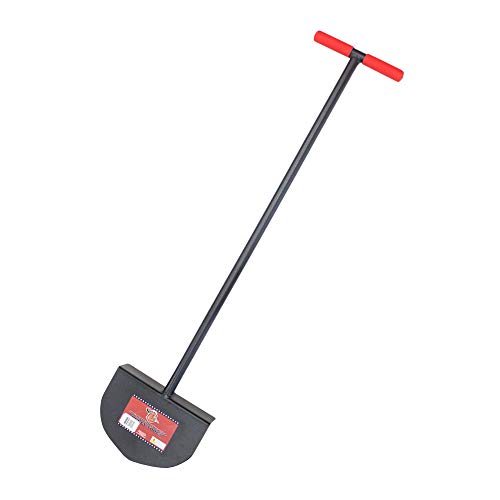
This is the tank of the group. Gauge refers to steel thickness, and lower numbers mean thicker metal; 12-gauge steel is substantially beefier than what most homeowner edgers carry, which is why landscapers lean on BULLY TOOLS for sod cutting and trenching, not just cosmetic touch-ups.
The round blade profile suits defined edges along sidewalks and driveways where you’re slicing through established turf rather than fluffing soft soil. At 38 inches with a T-style grip, it gives you solid two-handed leverage for driving through tough material.
Strong Points
- Thick 12-gauge steel handles sod cutting and trench digging without complaint
- Commercial-grade build suits frequent, seasonal-heavy use
- T-style grip provides firm two-handed control on hard strikes
Trade Offs
- The extra steel adds heft, so smaller-framed users may tire sooner than with the Garden Weasel
- A smooth round blade asks more of your leg drive in dense root mats
At A Glance
Whose Shed It Belongs On
Serious DIYers and property maintainers who cut new edges, remove sod strips, or service multiple yards each season.
Skip It When
Casual touch-up work on soft soil is the whole job; the lighter Yallmie Half Moon Tooth Edger makes more sense there.
Honest framing here: this isn’t a lawn edger. It’s a scribing tool, meaning it traces and marks contours so you can transfer irregular shapes onto boards, tile, or templates before cutting. Pair it with one of the edgers above and you’ve got a tidy system: mark the curve, then cut the edge.
The aluminum alloy body carries an anodic oxidation treatment, a surface finishing process that hardens aluminum against wear and corrosion. Tightening or loosening the pencil holder and nut changes the arm’s shape, and each adjustment locks down to hold your traced line steady while you mark.
Key Advantages
- Anodized aluminum body resists wear in dusty workshop conditions
- Adjustable tension locks any traced shape precisely in place
- Compact 5.5-inch size slips into a pocket or apron
Small Caveats
- It complements an edger rather than replacing one, so plan on owning both
- Fine threads need occasional cleaning to keep adjustments smooth
Built With In Mind
Woodworkers, tilers, and meticulous garden planners who want exact layout lines before any cutting happens.
Reach For A Different Pick When
Your only goal is slicing grass borders; the Byhagern Professional Edge Lawn Tool is built for that job outright.
This Byhagern combines the two traits that matter most in stubborn turf: a toothed half-moon blade and a genuinely wide footplate. The teeth bite and slice through grass, roots, and packed soil rather than merely pressing downward like a plain blade, which is exactly what you want along neglected fence lines or overgrown flower-bed edges.
The long handle keeps your spine closer to upright during extended sessions, and the non-slip grip holds even with sweaty or damp hands. Compared with the Yallmie’s narrower pedal, the wide footplate accepts larger shoe sizes comfortably and spreads force so the pedal itself doesn’t bend under a hard stomp.
Real Benefits
- Saw-tooth blade slices dense turf and roots with less effort per strike
- Wide footplate accommodates every shoe size and boosts leverage
- Long handle reduces back strain across a full afternoon of edging
- Non-slip grip stays secure in wet conditions
Points To Note
- Teeth collect packed soil, so a quick scrape after each session keeps cuts crisp
- Depending on your soil, the toothed profile leaves a slightly rougher line than a smooth blade
Quick Facts
Best Suited To
Owners of mature lawns with thick grass, creeping roots, or borders gone a season too long between trims.
Swap It Out When
You prize a razor-clean decorative line in soft soil; the Garden Weasel Edge Chopper delivers that finish with less weight.
What Matters Most Before Choosing Half Moon Edging Tools
Blade Profile And Soil Type
Smooth half-moon blades carve the cleanest decorative lines but ask more of your legs in compacted or rooty ground. Saw-tooth versions concentrate force at the tip, sinking in with fewer stomps. Match the blade to your worst soil, not your best day.
Handle Length And Body Strain
Anything near 38 inches lets most adults work standing tall, which matters enormously over a 100-foot border run. Shorter tools save storage space but trade away posture. Check the footplate width too, since narrow pedals concentrate pressure uncomfortably underfoot.
Steel Choice And Upkeep
Carbon steel takes a keen edge but wants rinsing and drying after wet weather. Stainless steel forgives neglect yet sometimes sacrifices thickness. Heavier gauges resist bending when you really lean into a strike, which is why commercial users pay up for them.
Key Considerations Across These Picks
Traps First Timers Fall Into
The common mistake is buying on price alone and ending up with a thin blade that bends the first time it meets compacted soil. Another slip: ignoring footplate width, then discovering mid-job that your boots don’t fit the pedal properly. Read the dimensions before committing.
When Paying More Pays Off
Higher-tier tools spend their extra cost on thicker steel, welded reinforcement, and longer handles. That matters for anyone edging frequently or battling tough turf. Once-a-season touch-up gardeners won’t feel the difference; property maintainers absolutely will.
Frequently Asked Questions
How does a half moon edger actually work?
You position the curved blade on your marked line, press down with your foot using the footplate, then rock or pull back to slice a clean vertical cut. Repeating along the border creates the defined edge.
Smooth or saw-tooth blade, which is better?
Smooth blades produce the crispest visual line in soft, maintained soil. Saw-tooth blades penetrate dense turf and roots far more easily, making them the practical choice for overgrown or compacted areas.
Can a manual edger replace a power edger?
For routine maintenance on modest properties, yes, and manual tools are quieter with zero fuel or charging fuss. Large properties or heavily overgrown borders are where powered models earn their keep.
How often should lawn edges be re-cut?
Most lawns look sharpest with edging every two to four weeks during the growing season. Waiting longer means tougher cuts and more passes per section.
Do these tools need much maintenance?
Rinse soil off the blade after use and dry carbon-steel models to prevent rust. Periodically check any bolted or screwed joints and re-tighten them as needed.
Closing Thoughts
A good half moon edger is one of those rare purchases that improves how your whole property looks for years, and the right choice comes down to your soil and your schedule. Light, smooth-blade models suit tidy weekly routines, while toothed, heavy-gauge builds handle the jobs nobody got to last month. Start with the pick that matches your toughest patch of ground, not your easiest one, and you’ll rarely wish you’d chosen differently.