


Concrete doesn’t forgive weak tools. Whether you’re anchoring a ledger board to a foundation wall or drilling anchor holes for a patio project, the right hammer drill saves your wrists and your weekend. This roundup covers five options spanning budget-friendly corded kits, a mixing-capable spade-handle workhorse, a brushless cordless setup, and an SDS rotary hammer for serious masonry work. Each one earns its spot for a different kind of job site or garage bench.
A Snapshot Of The Selections
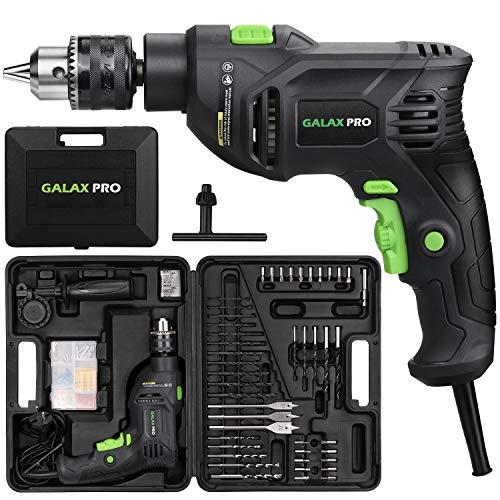
GALAX PRO 5Amp 1/2-inch Hammer Drill with 105pcs Accessories

DEWALT DW130V Spade Handle Drill, 1/2-Inch, 9-Amp
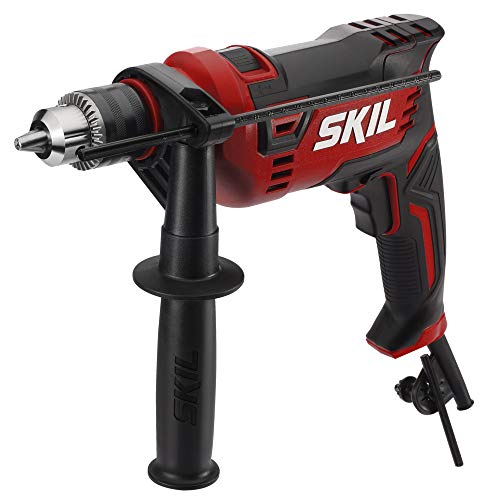
SKIL HD182001 7.5-Amp Corded Hammer Drill

DCK KDJZ05-13 20V Brushless Hammer Drill Kit

BOSCH RH328VC SDS-plus Rotary Hammer
Meet The Standout Selections
A first drill purchase usually means discovering you also need bits, and this kit solves that in one box. The 105-piece accessory set plus a hard carrying case covers masonry, wood, and metal tasks without separate shopping trips.
The 5-amp motor spins up to 3000 RPM through both a speed knob and a variable-speed trigger, so you can ease into a brick face instead of burning a bit on contact. For occasional home projects, that’s plenty of capability.
What Stands Out
- 105 accessories mean you’re drilling the same afternoon it arrives, not waiting on bit orders.
- Dual speed control lets you dial low RPM for tile and high RPM for softwood without swapping tools.
- The molded case keeps bits sorted, which matters more than most people expect once the drawer chaos starts.
- A 1/2-inch keyed chuck accepts large-diameter bits that smaller 3/8-inch drills simply can’t hold.
Honest Caveats
- A keyed chuck requires a chuck key, which is easy to lose; owners commonly report taping it inside the case lid.
- At 5 amps, expect slower progress in dense poured concrete than heavier-duty picks below deliver.
Quick Facts
Who It Suits Best
Renters, new homeowners, and anyone assembling a first toolkit who wants one purchase to cover drilling across several materials.
Reach For A Different Pick When
Frequent concrete work calls for the SKIL HD182001, whose stronger 7.5-amp motor and higher blow rate suit repeat masonry duty better.
Where the GALAX PRO chases versatility, the DW130V chases raw torque. Its spade-handle layout gives you two grip points, which is exactly what you want when a big auger bit grabs in wet framing lumber or a paddle mixer loads up with thinset.
The 9-amp, 120V motor tops out around 550 RPM, trading speed for twisting force. That gearing suits mud mixing and large-bore drilling far better than any general-purpose drill on this list, though it’s a specialist’s tool rather than an everyday driver.
Advantages To Know
- Low-RPM, high-torque output keeps large bits from stalling under load, the failure mode that kills cheaper drills.
- A variable-speed reversing switch helps release trapped bits and reduces air bubbles when mixing compounds.
- At 7.5 pounds, the weight actually works for you, pressing the bit into the material so your arms don’t have to.
- Soft-grip handles spread pressure across both hands during long mixing sessions.
Points To Keep In Mind
- No hammer mechanism here, so this isn’t a concrete-drilling tool despite sitting in the category; pair it with a masonry-rated option for slab work.
- The heft that aids drilling becomes fatigue overhead, so plan ladder work accordingly.
- Corded operation means an outlet or generator is always part of the plan.
Made For
Contractors and serious remodelers who mix mortar, compound, or plaster regularly and need a dedicated low-speed torque machine.
Another Choice May Suit
Shoppers wanting one do-everything drill should look at the DCK 20V kit below, which adds hammer action and portability the DW130V deliberately skips.
This is the sweet-spot pick for homeowners who hit concrete a few times a year. The 7.5-amp motor drives the bit at up to 3000 RPM while delivering 48,000 blows per minute, a hammer rate meaningfully above entry-level units and enough to make real headway in block and poured slabs.
A lock-on trigger holds steady speed through long anchor-hole runs, and the side-assist handle keeps the tool from twisting out of your grip when the bit catches. Compared with the GALAX PRO, you give up the accessory bundle but gain genuine masonry stamina.
The Good Stuff
- 48,000 BPM percussion chips concrete noticeably faster than budget hammer drills manage.
- The lock-on switch frees your trigger finger during repetitive drilling, a small comfort that adds up over a fence-post afternoon.
- A heavy-duty 1/2-inch keyed chuck takes the large masonry and spade bits serious projects demand.
- The auxiliary side handle gives you leverage against torque reaction, protecting your wrist when bits bind.
Small Caveats
- Vibration transfers straight to your hands over long runs since there’s no active dampening system like the Bosch offers.
- Cord length and outlet placement shape where you can work, as with all corded tools here.
At A Glance
Right Fit For
Weekend builders tackling deck footings, anchor bolts, and basement shelving who want dependable hammer action without professional-tool spending.
Swap It Out When
Daily commercial slab work justifies stepping up to the BOSCH RH328VC, whose rotary-hammer mechanism outclasses any standard hammer drill in hard concrete.
Every other tool here ties you to an outlet. The DCK breaks that constraint with a 20V brushless platform, and the included 4.0Ah battery means it’s ready to work the day it lands. Brushless motors, which replace carbon brushes with electronics, run cooler, waste less energy, and typically outlast brushed equivalents.
You get 531 inch-pounds of torque, a 36,000 BPM hammer rate, and a 22+1+1 clutch offering fine-tuned control across wood, metal, and brick. In our view, this is the most flexible single purchase on the list for someone who drills everything.
Key Advantages
- No cord means attic, rooftop, and backyard jobs happen without hunting for power or dragging extension cords.
- An all-metal 1/2-inch keyless chuck swaps bits in seconds, unlike the keyed designs on the corded picks.
- Brushless efficiency stretches each 4.0Ah charge across more holes than a comparable brushed motor would deliver.
- The wide clutch selection prevents stripped screws and cammed-out bits in delicate assembly work.
Things To Consider
- Hammer performance in thick poured concrete trails dedicated corded hammers, so long slab sessions drain the battery quickly.
- Battery health depends on proper storage; leaving packs in a freezing garage shortens lifespan, a commonly reported issue with any cordless kit.
Whose Shelf It Belongs On
DIYers and tradespeople working across mixed materials and locations, especially anyone without reliable outdoor outlets.
Not Your Match When
Budget-focused shoppers who mostly drill at home near an outlet will find the GALAX PRO kit covers similar ground for less money.
A rotary hammer is a different animal from a hammer drill: the bit rides in an SDS-plus chuck, a slot-and-ball system that lets it piston back and forth freely for far harder impacts. The RH328VC puts 8 amps behind 2.4 ft-lbs of impact energy, numbers that chew through concrete the SKIL would grind against slowly.
Vibration control built into both the hammer mechanism and grip matters enormously over a full day of anchor drilling, and the three-mode selector switches between rotation-only, hammer-only, and combined operation. The Vario-Lock positioning feature lets you angle the chisel precisely for demolition work.
Notable Gains
- 2.4 ft-lbs of impact energy drills anchor holes in poured concrete several times faster than conventional hammer drills.
- Vibration control in the mechanism and handle keeps hands fresher across long shifts, which pros notice by mid-afternoon.
- Three operating modes cover drilling, chiseling, and light demolition in one body.
- The SDS-plus system accepts bits up to 1-1/8 inches and changes them tool-free in seconds.
Trade Offs To Consider
- SDS-plus bits don’t fit the round-shank chucks on the other picks here, so existing bit collections may not carry over.
- It’s overkill for occasional picture-hanging holes in cinder block, where lighter tools cost less and weigh less.
Core Details
Best Suited To
Contractors, electricians, and serious renovators who drill into structural concrete regularly and need speed plus comfort across full workdays.
Look Elsewhere When
General household users mixing wood, metal, and light masonry tasks get better overall value from the DCK 20V cordless kit.
What Matters Most Before Choosing Hammer Drills For Concrete
Match The Tool To The Material
Standard hammer drills combine rotation with rapid percussion, enough for brick, block, and thinner slabs. Rotary hammers add a true piston mechanism for deep holes in poured concrete. Buying the lighter category for heavy slab work leads to burned motors and wasted weekends, so assess how often and how deep you’ll actually drill before deciding.
Power Source And Runtime
Corded models deliver consistent output indefinitely but chain you to an outlet. Cordless kits trade some sustained hammering stamina for freedom of movement, and battery capacity determines how many holes a charge buys. Job sites without power push you toward the cordless column almost automatically.
Chuck Type And Bit Compatibility
Keyed 1/2-inch chucks accept inexpensive round-shank bits and hold them securely under load. Keyless chucks save time between swaps. SDS-plus systems change bits fastest and transfer hammer energy most efficiently, but they require their own bit line. Check what your current collection uses before committing.
Comfort Features That Compound Over Time
Side handles, vibration damping, and lock-on triggers sound minor until hour three of anchor drilling. Anyone planning multi-hole days should weight these features heavily in the decision.
Key Considerations Across These Picks
Wrong Turns To Avoid
The most frequent mistake is matching a light-duty drill to heavy slab work, then blaming the tool. Another is ignoring chuck compatibility, ordering SDS bits for a keyed-chuck drill or vice versa. Read the bit shank type on anything already in your toolbox before choosing.
Where The Extra Money Goes
Higher-tier models spend their premium on motors, vibration control, and metal gear housings rather than flashy extras. That translates directly into faster drilling and longer service life. Frequent users recover the difference quickly; once-a-year users rarely do.
Frequently Asked Questions
Can a hammer drill really drill into poured concrete?
Yes, provided you use carbide-tipped masonry bits and accept a slower pace. Deep or repeated holes in dense slabs go much faster with a rotary hammer.
What does SDS-plus mean?
It’s a bit shank system where slots in the bit lock into the chuck, letting the bit slide and strike freely. Bits insert and release without a chuck key.
Is a cordless hammer drill powerful enough for brick?
For brick, block, and mortar joints, modern 20V brushless models perform well. Dense poured concrete remains corded or rotary-hammer territory for best results.
Do I need special bits for concrete?
Yes, use carbide-tipped masonry bits designed to withstand percussion. Standard twist bits dull almost immediately against aggregate and rebar.
How important is a side handle?
Very, for anything beyond light drilling. It counters torque reaction when a bit binds, which protects your wrist and improves hole accuracy.
Closing Thoughts
The right choice comes down to honest self-assessment about how often concrete enters your project list. Occasional DIYers get everything they need from the GALAX PRO kit or the SKIL, cordless flexibility makes the DCK worth its premium, and professionals drilling slabs weekly won’t regret the Bosch. Match the tool to the work ahead of you, and every hole goes easier.




