A stuck lid at dinnertime is a small problem that ruins momentum fast. The right hand held can opener fixes it in seconds, whether you’re dealing with weak grip strength, a drawer full of dull tools, or a restaurant-sized #10 can of tomatoes. This roundup covers five options across the spectrum: one rechargeable electric model, three manual multitaskers, and a commercial-grade crank built for volume. Each entry breaks down where it shines, where it doesn’t, and who should actually spend their money on it.
The Picks In Brief

CEVING USB Rechargeable Electric Can Opener One-Touch Hands-Free
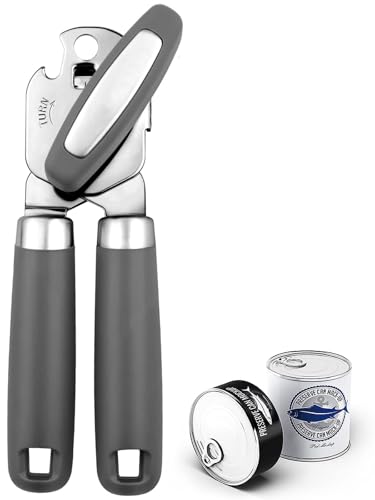
OUTWAY Professional 3-In-1 Multifunctional Manual Can Opener Stainless Steel

UGNEL 3PCS Can Opener Set with Waiter Corkscrew (Black)
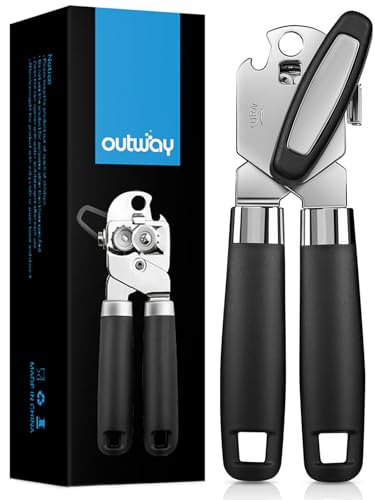
OUTWAY Professional 3-In-1 Manual Can Opener Seniors Friendly
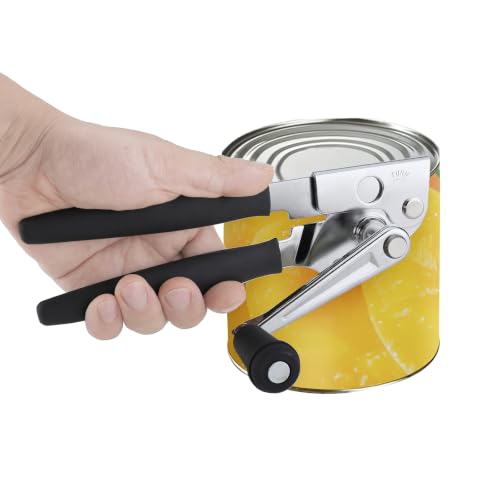
VWMYQ Heavy Duty Commercial Crank Can Opener for #10 Cans
More Details On Our Top Picks
Anyone with arthritis or reduced hand strength knows the frustration of wrestling a manual opener around a stubborn rim. This CEVING model removes the twisting entirely: press the button, and the unit rotates itself around the can until the lid releases. It’s the closest thing to a set-it-and-forget-it approach in this category.
The power story is what separates it from older battery-powered designs. A lithium cell charges over USB-C in about two hours, and the manufacturer rates it for roughly 80 to 200 cans per charge depending on use. That’s weeks of typical household cooking between top-ups.
Everyday Perks
- One-touch hands-free cutting means no gripping, squeezing, or wrist strain during meal prep
- USB-C charging ends the AA-battery shuffle; two hours plugged in covers up to 200 cans
- Handles circular, square, and oval tins, including pet food cans, which most openers struggle with
- Cordless design travels easily to campers, RVs, or a second kitchen
Things To Consider
- Rimless or irregularly shaped containers fall outside its stated compatibility, so check your pantry staples first
- The battery adds weight compared to a plain manual opener, which some users notice during storage
Quick Facts
Who Will Love This
Seniors, anyone managing arthritis, and busy cooks who open multiple cans daily and want zero physical effort involved.
A Better Fit Elsewhere
Shoppers who prefer a no-battery tool with bottle-opening ability will get more mileage from the OUTWAY Professional 3-In-1 Manual Can Opener covered next.
Where the CEVING automates the job, this OUTWAY consolidates it. One stainless steel body serves as a can opener, a lever-style pry tool, and a bottle opener, so a single gadget replaces three separate drawer occupants. For small kitchens or anyone tired of digging for the right tool, that consolidation is the whole appeal.
The all-stainless construction is the detail worth lingering on. Unlike plated or plastic-bodied openers that chip and corrode, stainless holds up to years of washing and stays food-safe on direct contact. The smooth-edge cutting action also leaves lids without jagged metal, a genuine safety plus in homes with kids.
Real Benefits
- Three functions in one body free up drawer space and cut clutter
- Fully stainless build resists rust through long-term use and repeated washing
- Smooth-edge cutting reduces sharp lid hazards after opening
- Heavy-duty feel suits daily cooking rather than occasional use
Small Caveats
- Manual operation still demands grip and wrist effort, so severe arthritis may find it tiring
- Stainless tools benefit from prompt drying after washing to keep the finish spotless over time
Made For
Home cooks who want one durable, no-fuss tool handling cans and bottles alike without batteries or charging routines.
Swap It Out When
If wine service matters as much as canned goods, the UGNEL 3PCS set later in this list bundles a proper waiter’s corkscrew alongside its opener.
This UGNEL kit takes a different angle than the single-body OUTWAY: instead of cramming functions into one handle, it gives you three dedicated tools. You get a manual can opener with a strong magnet to hold cut lids, a heavy-duty bottle opener, and a waiter’s corkscrew, the folding double-hinged pull tap used in restaurants everywhere.
For hosts, the math is simple. Dinner prep needs the can opener, guests need beer opened, and the wine bottle needs a corkscrew that won’t strip the cork. One black-coordinated set covers all three, and it packs flat enough for camping trips or a picnic basket.
Practical Advantages
- Strong magnet lifts the cut lid away cleanly, keeping fingers clear of sharp edges
- Waiter’s corkscrew is the same style professionals carry, compact and reliable
- Three matching pieces cover dinner prep, parties, and outdoor trips in one purchase
- Stainless steel construction stands up to heavy-duty, repeat use
Points To Note
- Three separate pieces mean three items to store and potentially misplace, unlike a single-body tool
- A waiter’s corkscrew takes a little practice for anyone used to wing-style openers
Feature Snapshot
Right Fit For
People who entertain regularly, gift kitchen sets, or want a complete opener kit for a cabin, camper, or tailgate setup.
Where A Sibling Pick Shines
Anyone wanting everything fused into one grab-and-go handle would be better served by the OUTWAY 3-In-1 reviewed above.
Yes, this is the same OUTWAY design family as pick number two, sold under a separate listing. The formula carries over: a stainless steel body combining can opener, lever, and bottle opener, marketed with seniors in mind thanks to its smooth-edge cutting and straightforward crank motion.
The honest read is that you’re choosing between two doors into the same product. This listing tends to suit shoppers who land on it directly or catch it at a lower point than its sibling. Functionally, expect the same rust-resistant build, food-safe stainless contact surfaces, and a blade sharp enough to glide through standard tin lids without excessive force.
The Good Stuff
- Identical three-in-one versatility: cans, bottles, and lever prying from one tool
- Stainless steel resists corrosion even with years of sink exposure
- Smooth-edge output keeps discarded lids safer to handle and toss
Worth Bearing In Mind
- Since it duplicates pick two, owning both listings makes little sense; choose one
- As with any manual opener, very stiff or dented rims can still require extra wrist pressure
Whose Shelf It Belongs On
Value-focused shoppers furnishing a first apartment, dorm, or vacation rental who want dependable stainless hardware at an entry-level commitment.
Another Choice May Suit
Cooks opening oversized institutional cans regularly should step up to the VWMYQ commercial crank model closing out this list.
Standard handheld openers give up on #10 cans, the large catering-size tins restaurants and serious home preservers go through constantly. This VWMYQ crank model is built for exactly that job, with a 360-degree rotating head and a sharp stainless blade designed to slice through thick commercial lids in one pass.
Ergonomics get real attention here too. The handle shape spreads pressure across the palm, which matters when you’re opening dozens of cans in a shift or a big batch-cooking session. Owners commonly note it earns its counter space in busy kitchens, though it does occupy more room than a pocket-size manual tool.
Notable Upsides
- Tackles #10 catering cans that defeat ordinary handheld openers
- 360-degree rotating head follows the lid smoothly for a clean, easy cut
- Ergonomic grip reduces hand fatigue during high-volume opening
- Sharp stainless blade glides through thick metal with minimal force
Less Ideal Details
- Larger footprint demands drawer or counter space the smaller picks don’t need
- Manufacturer recommends hand washing only, so dishwasher lovers should plan accordingly
- Overkill for a household that rarely opens anything bigger than a soup can
Core Details
Who Should Grab It
Restaurant kitchens, caterers, church groups, and batch-cooking households working through institutional-size cans weekly.
Consider Something Else When
For everyday grocery-size cans with zero effort required, the CEVING electric opener at the top of this list remains the lighter, simpler route.
What Matters Most Before Choosing Hand Held Can Openers
Match The Tool To Your Hands
Grip strength is the deciding factor most shoppers ignore until it’s too late. Manual openers demand a squeeze-and-turn motion, and models with ergonomic handles or smooth-edge blades reduce the force needed considerably. Anyone with arthritis, carpal tunnel concerns, or simply tired hands after work should lean toward the electric option or a seniors-friendly manual design.
Count What You Actually Open
Frequency changes the calculus. A household going through two cans a week will be happy with any well-built manual tool, while a pet owner scooping wet food daily or a cook running a small catering operation needs either battery endurance or commercial-grade gearing. Buying heavier duty than needed wastes money; buying lighter means replacing the tool within months.
Material And Maintenance
Stainless steel contact parts resist rust and stay food-safe, while coated or plated components tend to wear faster with washing. Check care instructions before committing: some commercial models specify hand washing only, and electric units need periodic charging but no blade oiling. Storage footprint matters too, since commercial cranks occupy noticeably more space.
Extra Functions, Real Or Gimmick?
Bottle openers and levers folded into a can opener earn their place in most kitchens. Wine tools make sense mainly for people who entertain. Pay for extras you’ll reach for weekly, not features that sound useful once.
Key Considerations Across These Picks
Traps First Timers Fall Into
The classic error is buying a cheap opener, watching the blade dull within weeks, then buying again. Another common slip is ignoring can compatibility: electric models often exclude rimless or odd-shaped tins, and standard manuals choke on #10 catering cans. Measure your actual pantry before choosing.
Where The Extra Money Goes
Higher-tier openers spend on stainless internals, sharper hardened blades, and gearing that survives thousands of cycles. That translates to smoother cuts, less wrist strain, and years instead of months of service. Frequent cooks recover the difference quickly; occasional users may never need it.
Frequently Asked Questions
Do electric can openers leave sharp edges?
Most modern electric models cut below the rim, leaving a relatively smooth edge on both the can and lid. Always run a finger carefully along the lid before disposal regardless of the tool used.
Can a manual opener handle large #10 cans?
Standard handheld designs usually cannot track around the wide diameter of a #10 can. A commercial crank model with a rotating head is the right tool for that size.
How do I keep my can opener from rusting?
Wash promptly after use, dry thoroughly, and store it outside the damp sink cabinet if possible. Full stainless construction resists corrosion far better than plated alternatives.
Are smooth-edge can openers actually safer?
They remove the razor-sharp lid lip that causes most cuts during cleanup and disposal. The cut edge on the can itself is also less aggressive, lowering risk when scraping contents out.
How long do rechargeable electric openers last per charge?
It depends on usage frequency and can size, but current lithium models commonly deliver dozens to a couple hundred openings per charge. A two-hour USB-C top-up restores full capacity.
Closing Thoughts
There’s no single right answer here, just the right match for your kitchen. The CEVING electric model earns its spot for anyone with limited grip strength or heavy daily can use. The OUTWAY and UGNEL manual options cover value and entertaining needs respectively, while the VWMYQ crank handles the commercial jobs nothing else on this list can. Start with how many cans you open in a week, and the choice mostly makes itself.