A dull pruner crushes stems instead of slicing them, and crushed stems invite rot. Whether you’re deadheading roses on a Sunday morning or cutting back an overgrown shrub line, the right tool in your hand changes how the whole job feels. This roundup covers five hand pruners built for different hands, different plants, and different budgets, from German-made anvil cutters to pocket-sized snips.
The Leading Options At A Glance

Original LÖWE Professional Anvil Pruner 1.104 (Made in Germany)
Modern Sprout Pruning Shears Garden Snips (Sage)
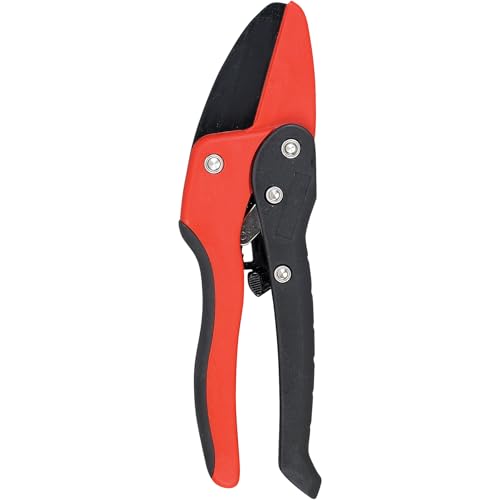
Corona Ratchet Hand Pruner, 3/4-Inch Cut

Haus & Garten EnduroPRO Ergonomic Bypass Pruners
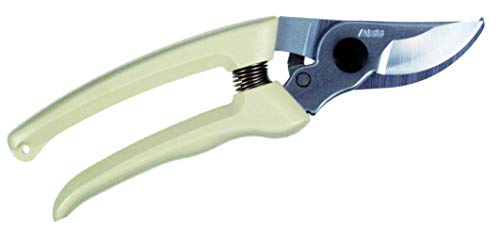
ARS HP-130DX 7-Inch Light Pocket Pruner
More On The Choices That Made The List
Anvil pruners work like a knife on a chopping board: one sharp blade presses down onto a flat surface, which makes them the tool of choice for hard, dry, or dead wood. That’s exactly where this LÖWE earns its keep. Gardeners clearing old growth or cutting back dormant branches will find the power transfer through the mechanism does much of the work for you.
The carbon steel blade carries a sliding lacquer coating that resists corrosion while reducing friction, so sap wipes off more easily than it does on bare steel. Every part is replaceable too, which is rare at any level of this category.
Useful Touches
- Slices cleanly through hard, dry, or old wood that stalls bypass blades
- Lacquer-coated carbon steel blade sheds moisture and sap buildup between uses
- One-hand safety lock lets you stow it mid-task without fumbling
- Fully replaceable parts mean a worn spring doesn’t retire the whole tool
- Grip geometry suits medium to large hands during longer sessions
Things To Consider
- Anvil design can crush soft green stems rather than slice them, so it’s not the tool for delicate deadheading
- The lacquer finish needs occasional wiping to stay slick over seasons of use
Key Specs
Built With In Mind
Seasoned gardeners who spend weekends cutting back hardwood shrubs and want a serviceable tool built to outlast cheaper options.
A Better Fit Elsewhere
For green stems and rose beds, the Haus & Garten EnduroPRO bypass pruner slices living tissue far more cleanly.
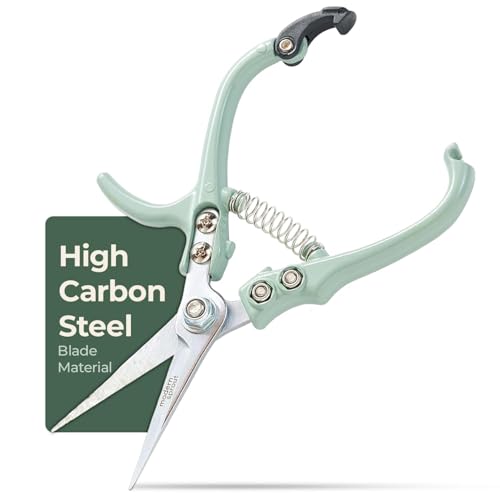
Where the LÖWE above is built for brute force, these Modern Sprout snips are built for finesse. Fine-tipped high-carbon steel blades reach into dense herb clumps and crowded pots without nicking neighboring stems, which is the difference between a tidy basil harvest and a shredded one.
The compact frame suits daily indoor use, from pinching back pothos vines to trimming flowers at the kitchen counter. A safety latch keeps the blades closed in a drawer, a small detail you’ll appreciate once a pair of open snips has ever met your hand in a cluttered drawer.
Practical Advantages
- Fine tips give surgical access to tight spaces between stems
- Rust-resistant high-carbon steel holds an edge through frequent trimming
- Light enough for daily herb and flower maintenance without hand strain
- Locking latch makes drawer storage safe around kids and tools alike
Small Caveats
- Not designed for woody branches; forcing thick growth risks bending the fine tips
- Wipe the blades dry after wet harvests to keep the rust resistance honest over time
Who Will Love This
Apartment gardeners and herb-window tenders who make small, precise cuts every day rather than tackling big branches.
Swap It Out When
Anyone facing quarter-inch woody stems should step up to the Corona ratchet pruner instead, which multiplies leverage where these snips simply aren’t built for it.
A ratchet mechanism cuts in stages: squeeze, release partway, squeeze again. Each stroke advances the blade a little further, multiplying leverage so a branch that would normally demand a full-power grip gives way in two or three easy squeezes. For anyone with arthritis, smaller hands, or a long hedge row ahead of them, that staged action is genuinely tiring-proof.
The 3/4-inch cut capacity covers most shrub and small-tree work around a typical yard, and the padded grip keeps pressure spread across the palm. Compared with the LÖWE’s single-stroke power, this Corona trades speed for comfort, and for many gardeners that’s the smarter trade.
Everyday Wins
- Ratcheting action slashes hand fatigue on thick, stubborn stems
- Handles branches up to 3/4 inch, enough for most shrubs and young trees
- Comfortable grip spreads pressure evenly across the palm
- A practical choice for gardeners with limited grip strength
Points To Note
- The multi-squeeze rhythm feels slow next to a one-shot anvil cutter when you’re racing through light trimmings
- Ratchet joints collect debris; owners commonly report a periodic rinse and light oil keeps the mechanism smooth
Feature Snapshot
Right Fit For
Gardeners with weaker grips or wrist issues who still need real cutting capacity on woody growth.
Where A Sibling Pick Shines
Speed-focused pruners with strong hands may prefer the one-stroke authority of the Original LÖWE anvil pruner for deadwood cleanup.
Bypass pruners use two blades that slide past each other like scissors, and that scissor action is what keeps living stems healthy. This EnduroPRO pairs that clean-cut design with heat-treated Japanese-grade high-carbon steel blades, a combination aimed squarely at people who prune often and care about wound quality on roses and shrubs.
The ergonomic angle aligns your wrist naturally through each cut, which matters more than it sounds. Over an hour of deadheading, a straight-grip pruner quietly punishes your forearm; this one spreads the load differently. Drop-forged handles and an anodized aluminum body suggest it will hold up across many seasons, though the premium build does come at a higher cost than the ARS below.
Strengths Worth Knowing
- Bypass blades slice green stems cleanly, protecting plant health on roses and live growth
- Heat-treated Japanese-grade steel holds sharpness through heavy seasonal use
- Wrist-aligned ergonomic grip reduces fatigue and strain during long sessions
- Drop-forged handles and anodized aluminum body are built for years outdoors
Honest Caveats
- Costs noticeably more than entry-level snips, so casual gardeners may not recoup the difference
- Like all bypass blades, it wants regular cleaning and a drop of oil after sticky sap runs
Whose Shelf It Belongs On
Dedicated rose growers and serious hobbyists who prune weekly and want professional-grade cut quality.
Reach For A Different Pick When
Occasional gardeners making light trims will find the ARS HP-130DX covers the same ground at a friendlier weight and size.
At just seven inches long, this ARS fits in a jacket pocket, which means it tends to actually be there when you spot something worth trimming. The hard chrome plating over high-carbon tool steel resists rust and sap adhesion, and precision-ground edges deliver cuts that feel sharper than the tool’s size suggests.
Soft PVC handles and a compact span suit smaller hands particularly well; several larger-format pruners in this list simply overwhelm them. The trade-off is capacity. This is a light-duty secateur, happiest on stems and small twigs rather than mature branches, so treat it as the everyday companion rather than the sole tool in the shed.
Strong Points
- Pocketable seven-inch frame goes wherever the garden takes you
- Hard chrome plating shrugs off rust and wipes clean after sticky cuts
- Precision-ground blade edge delivers crisp cuts on delicate stems
- Soft PVC grips fit small hands comfortably
Worth Bearing In Mind
- Light-duty build limits it to thinner stems; big branches belong to the Corona or LÖWE
- Color varies by unit, so you don’t get to choose the handle shade
Quick Facts
Who Should Grab It
Gardeners with smaller hands, or anyone wanting a always-with-you pruner for quick trims between bigger jobs.
Another Choice May Suit
For dedicated all-day pruning sessions, the Haus & Garten EnduroPRO offers the ergonomics and blade life this pocket model can’t match.
What Matters Most Before Choosing Hand Pruners
Match The Blade To The Plant
Anvil pruners press a blade onto a flat surface and excel at dead, dry wood. Bypass pruners slice past each other and protect living tissue, which is why rose growers insist on them. Buying the wrong style for your main task is the most common regret in this category.
Cut Capacity And Hand Fit
Capacity tells you the thickest stem a pruner handles cleanly, typically listed in inches. Exceeding it strains both the blade and your wrist. Equally important is grip size: a tool sized for large hands will cramp smaller ones within minutes, as the ARS versus LÖWE contrast shows.
Steel, Coating, And Care
High-carbon steel holds an edge but needs drying after wet use. Chrome or lacquer coatings add corrosion resistance and shed sap, cutting maintenance time sharply. Replaceable parts, like those on the LÖWE, stretch a tool’s working life considerably.
Mechanisms That Reduce Effort
Ratchet designs multiply leverage in stages, a genuine advantage for weaker grips or large jobs. Spring-loaded handles reopen automatically between cuts, keeping long sessions comfortable.
Key Considerations Across These Picks
Traps First Timers Fall Into
The biggest mistake is buying one pruner for every job. Snips meant for herbs bend on branches, and heavy anvils crush tender stems. Another common slip: ignoring grip size entirely, then wondering why your hand aches after twenty minutes. Check the capacity rating against the thickest wood you actually cut.
What Separates Premium From Basic
Higher-tier models pay for better steel, tighter tolerances, and replaceable components. Heat-treated Japanese-grade blades stay sharp longer, and forged handles survive drops that crack plastic. Casual gardeners won’t notice the difference; weekly pruners absolutely will.
Frequently Asked Questions
What’s the difference between anvil and bypass pruners?
Anvil pruners press a single blade onto a flat plate, giving maximum force on dry, woody material. Bypass pruners use two passing blades for clean cuts on living stems.
Can one pruner handle everything in my yard?
A mid-capacity bypass model covers most routine tasks. Heavy deadwood and fine herb work each deserve their own dedicated tool for the best results.
How do I maintain my hand pruners?
Wipe blades after use, dry them thoroughly, and apply a light oil occasionally. Remove sap buildup promptly since it dulls edges and attracts moisture.
Are ratchet pruners worth it for weak hands?
Yes, the staged cutting action dramatically reduces required grip strength. Gardeners with arthritis or limited hand strength often find them transformative.
What cut capacity do I actually need?
Measure the thickest branches you regularly prune and add a small margin. Most home gardens rarely exceed half-inch to three-quarter-inch growth.
Closing Thoughts
Five tools, five distinct jobs. The LÖWE owns deadwood, the Modern Sprout snips own the windowsill, the Corona protects tired hands, the EnduroPRO serves serious rose growers, and the ARS rides along in your pocket. Match the tool to the plant and your own grip, and every cut gets easier. Start with the one that fits your most frequent task, then expand from there.