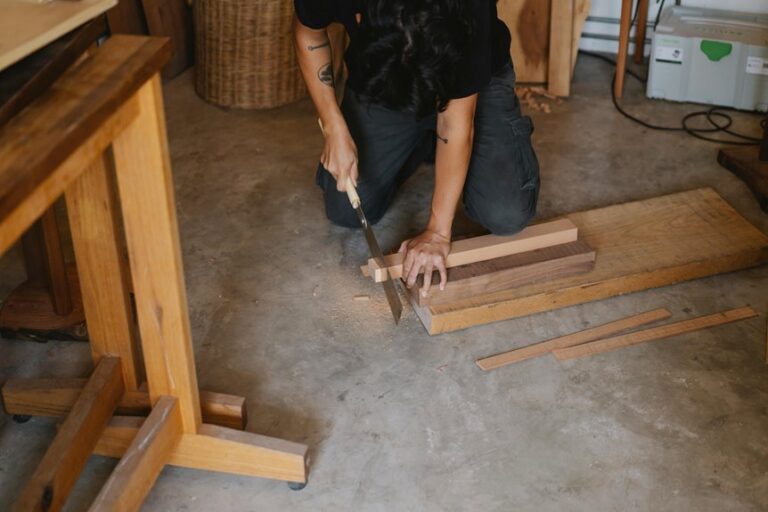
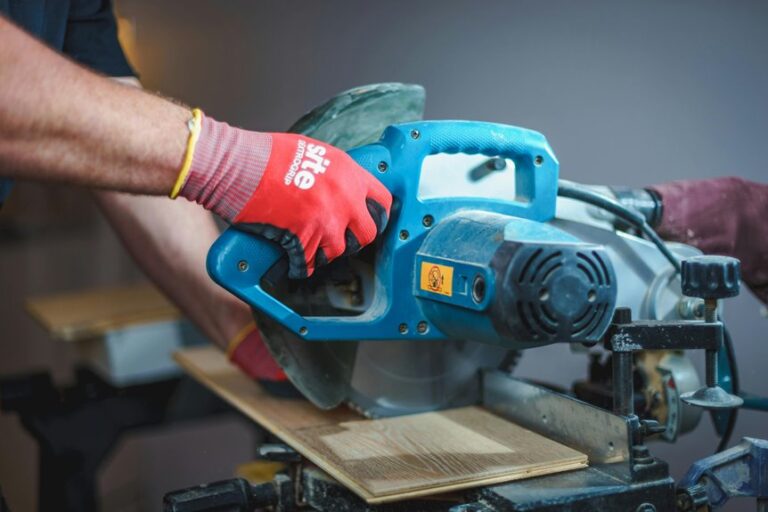
Sheet goods punish sloppy tools. A dull or wrong-toothed blade tears veneer, wanders off your line, and leaves edges that need heavy sanding before anything fits together. This shortlist covers five hand saws that handle plywood and related cutting jobs without a power outlet in sight, from fine detail work to rough crosscuts. Whether you’re trimming panels in a small workshop or breaking down stock on a job site, one of these belongs on your bench.
How The Shortlist Stacks Up

IRWIN ProTouch Coping Saw (2014400)

IRWIN Coarse Cut Hand Saw, 15-Inch
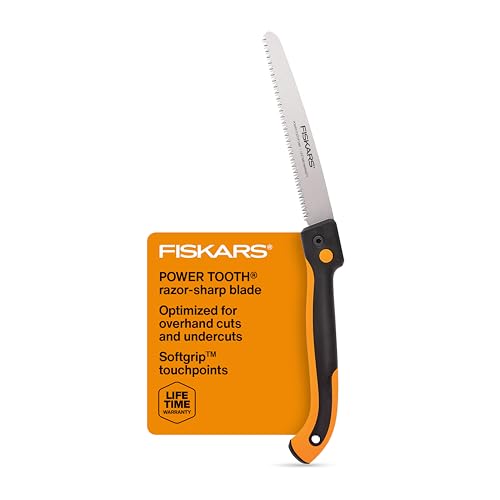
Fiskars 10″ Folding Pruning Saw

Craft911 11-Inch Folding Camping Saw

Hanpex 12in. High-Tension Hacksaw Frame
Why These Options Stand Out
A coping saw is the tool you reach for when a straight blade can’t follow the line, and this IRWIN version is built around that job. Its high-speed steel blade slices through most common materials, while the flat-bar frame with DuraSteel pins holds up to years of tension without flexing loose.
The 5-1/2-inch frame depth gives you room to turn inside curves on trim stock, and the 17-point tooth count leaves a cleaner edge than coarse carpentry blades. In our view, that combination suits anyone fitting crown molding or cleaning up plywood cutouts where splintering shows.
Reasons It Performs
- High-speed steel teeth stay sharp through repeated cuts in hardwood trim and sheet goods
- Flat-bar frame resists twisting, so tight-radius turns stay predictable
- Ergonomic ProTouch grip reduces hand fatigue during long detail sessions
- Compact size stores easily in a tool bag drawer
Things To Consider
- Blades are consumable parts, so keep spares on hand for heavy use
- Narrow blade width means slow going on long straight rips through thick plywood
Who It Suits Best
Trim carpenters, hobbyists, and DIYers who need controlled curved cuts more than raw speed.
Where A Sibling Pick Shines
For fast straight crosscuts across full panels, the IRWIN Coarse Cut Hand Saw below is the better match.
This is the general-purpose panel saw most home workshops are missing. Tri-Ground teeth, sharpened on three faces, bite aggressively into plywood and dimensional lumber, and M2 tooth geometry keeps each stroke productive instead of just scratching the surface.
The thick-body blade is the quiet hero here: rigidity translates directly into straighter lines and less binding mid-cut. Deep gullets between teeth clear chips quickly, which matters when you’re breaking down a full sheet and dust starts packing the kerf. Compared with the coping saw above, this one trades finesse for speed, and that’s exactly the point.
Where It Excels
- Tri-Ground teeth deliver fast, efficient cuts with less effort per stroke
- Tapered-pitch nose improves clearance and keeps the blade stable at the start of a cut
- Thick blade body limits flex, so your layout lines stay honest
- ProTouch handle cushions long ripping sessions
Worth Noting
- Coarse tooth pattern can leave rougher edges on thin veneer faces than finer blades would
- 15-inch length won’t fit inside a small toolbox drawer
At A Glance
Right Fit For
DIYers and weekend carpenters who regularly break down sheets and want one dependable all-purpose saw.
Reach For A Different Pick When
Curved trim work calls for the IRWIN ProTouch Coping Saw instead of this straight-blade design.
Plywood isn’t this saw’s only trick, and that’s why it earns a spot here. The triple-ground PowerTooth blade pulls through green wood and dry lumber alike, and the folding design protects both the edge and your hands in storage.
The dual-position lock is the feature worth understanding: the blade locks open at two angles, so overhand cuts above shoulder height and undercuts near the ground both get full leverage. Owners commonly report the non-slip grip stays secure even with damp gloves on, which matters during wet-season yard cleanup.
What Stands Out
- Triple-ground teeth make aggressive cuts through thick branches faster
- Two-position blade lock adapts to overhead and low-angle cutting
- Folds closed for safe pocket or glove-box storage
- Non-slip handle keeps grip confidence in awkward positions
Small Caveats
- Sap buildup on the blade needs occasional cleaning to keep cuts smooth
- 10-inch reach feels short against large-diameter limbs
Made For
Gardeners and homeowners who split time between light lumber trims and seasonal tree maintenance.
Skip It When
Long expedition-style bushcraft trips suit the Craft911 folding saw better, thanks to its longer 11-inch blade.
Where the Fiskars leans garden-focused, the Craft911 is pitched squarely at campers and bushcraft users who also want a capable wood-cutting backup at home. Its SK5 high-carbon steel blade carries triple-cut razor teeth set at 7 TPI, a tooth pitch that balances speed on softwood with enough bite for seasoned branches.
Seven TPI means seven teeth per inch, a middle ground that clears chips well without grabbing. Depending on how much green wood you process, you may find the aggressive teeth load up with sap faster than expected, so a quick wipe after each trip goes a long way toward keeping the edge effective.
A Few Strong Suits
- SK5 high-carbon steel holds an edge through repeated outdoor seasons
- 7 TPI razor teeth cut fast across trimming, limbing, and campfire prep
- 11-inch blade handles larger branches than typical pocket folders
- Folding format slips into a pack side pocket safely
Points To Note
- Aggressive teeth benefit from regular sap removal to maintain cutting speed
- Coarse pitch leaves rougher finishes on finish-grade plywood edges
Quick Facts
Whose Shelf It Belongs On
Campers, bushcraft hobbyists, and property owners who need one rugged folder for trail and backyard duty.
Swap It Out When
Mostly indoor woodworking points you back to the IRWIN Coarse Cut Hand Saw for cleaner panel work.
A hacksaw rounds out any plywood toolkit because sheet projects always involve hardware: conduit, threaded rod, PVC trim, aluminum angle. The Hanpex ships with a 24 TPI bi-metal blade, meaning two metals bonded together, hard teeth bonded to a flexible backing that resists snapping under stress.
The adjustable tension knob is what separates a usable hacksaw from a frustrating one. Rotating it lets you match blade tightness to the material at hand, and the steel-reinforced core keeps the frame from bowing when you lean into a cut. One thing worth considering: fine 24 TPI teeth cut metal beautifully but clog quickly in thick softwood, so treat this as the specialist in the group.
Points In Its Favor
- Bi-metal 24 TPI blade handles metal and plastic cleanly
- Adjustable tension knob tunes blade stiffness per material
- Steel-reinforced frame supports faster, straighter strokes
- Non-slip grip reduces fatigue in continuous cutting
Trade Offs To Consider
- Fine teeth load up with wood fibers, limiting usefulness on thick plywood panels
- Frame design takes slightly longer to swap blades than fixed-frame saws
Feature Snapshot
The Right Fit
Home shop owners and DIYers whose plywood projects routinely involve metal brackets, PVC, or hardware cuts.
Another Choice May Suit
Pure woodworkers will get more daily value from the IRWIN Coarse Cut Hand Saw than from this metal-first design.
What Matters Most Before Choosing Hand Saws For Cutting Plywood
Tooth Count Sets The Finish
Teeth per inch, or TPI, decides whether a cut looks sanded or shredded. Lower counts around 7 TPI remove material fast but chew up thin veneer faces, while higher counts leave cleaner edges at a slower pace. Match the blade to the panel thickness before anything else.
Blade Stiffness Beats Raw Sharpness
A sharp blade in a flimsy plate still wanders. Thick-body construction and rigid frames keep the kerf tracking your pencil line, especially on long crosscuts across a full 4×8 sheet. Flex is the hidden reason most hand-sawn plywood edges come out wedge-shaped.
Handle Comfort Compounds Over Time
A single cut never reveals a bad grip; fifty cuts do. Contoured, cushioned handles like the ProTouch designs on this list reduce hot spots and let you keep consistent pressure deep into a project. Anyone cutting multiple panels in an afternoon should weight this heavily.
Match The Tool To The Job Mix
Straight breakdown work wants a panel saw, curves want a coping saw, and mixed-material projects justify a hacksaw alongside. Buying for your actual project list beats buying for hypothetical versatility every time.
Smart Notes Before You Shop
Traps First Timers Fall Into
The classic mistake is buying one saw for everything, then forcing a coarse blade through delicate trim or a fine blade through framing lumber. Both end in frustration. Check tooth count against your most common material, and skip gimmick features you’ll never adjust twice.
Where The Extra Money Goes
Pricier saws spend their budget on steel quality, tooth grinding precision, and handle ergonomics rather than marketing. That shows up as edges that hold sharpness through seasons of use and grips that don’t blister your palm. Occasional users can save comfortably; weekly users rarely regret paying up.
Frequently Asked Questions
Can hand saws really cut plywood cleanly?
Yes, with the right tooth count and a steady stroke. Supporting the sheet fully underneath prevents tear-out on the bottom face.
What TPI works best for plywood?
Mid-range pitches around 10 to 14 TPI balance speed and edge quality on standard sheet thicknesses. Very thin veneer benefits from finer teeth.
How do I stop plywood from splintering?
Score your cut line first with a utility knife, then saw just beside it. Clamping a sacrificial backer board also helps.
Are folding saws safe for workshop use?
They’re safe when the lock engages fully before cutting. Inspect the locking mechanism periodically for wear.
How often should I replace a hand saw blade?
Replace when cuts start requiring noticeably more pressure or wander despite good technique. Coping saw and hacksaw blades swap out cheaply; panel saws usually get replaced whole.
Closing Thoughts
Every saw here solves a different slice of the plywood problem, and the honest read is that most workshops eventually want two of them. Start with the tool matching your current project list, add the second when a new material enters the mix. Whichever direction you go, a sharp blade and a supported sheet will do more for your results than any upgrade ever will.