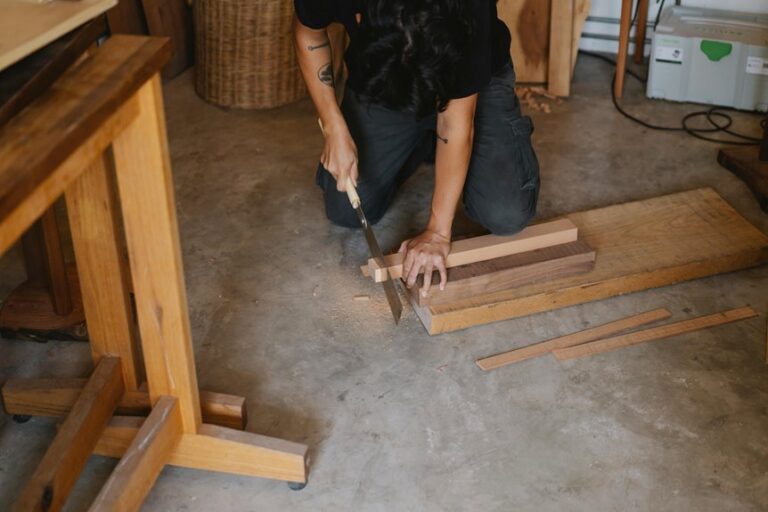
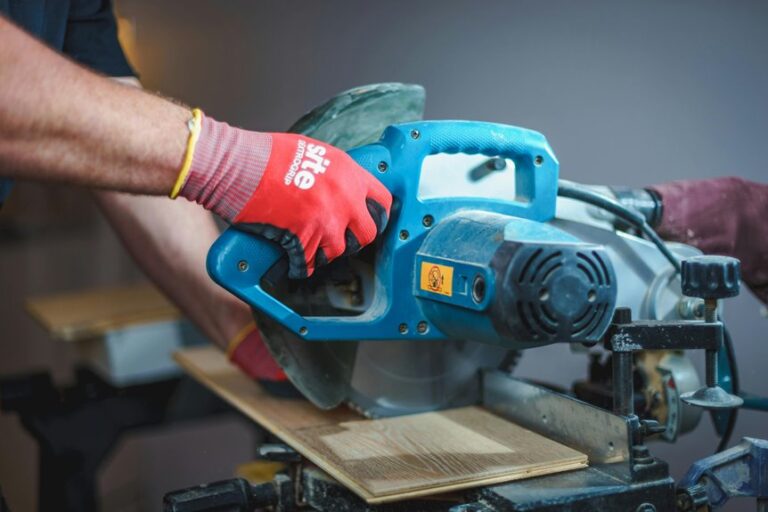
A reliable hand saw does more than split a board. It shapes your projects, trims your trees, and saves you when the power goes out. Whether you’re framing a small shed, limbing a backyard oak, or trimming a stubborn branch overhead, the right blade turns a chore into a clean, satisfying cut. This lineup covers workshop workhorses, fold-and-go pruning tools, and a small handful of specialty blades built for finer joinery.
A Quick View Of The Lineup

IRWIN MARATHON 24-Inch ProTouch Fine Cut Saw

IRWIN 15-Inch ProTouch Coarse Cut Saw
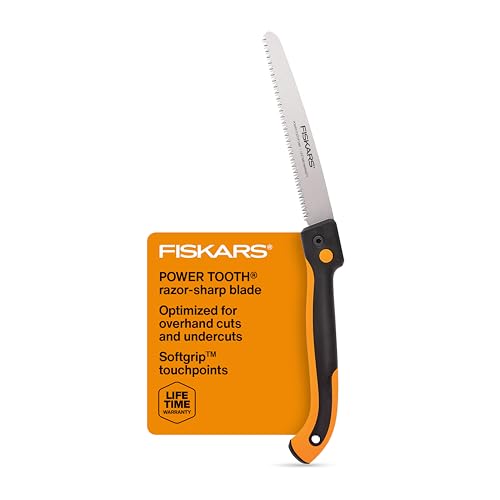
Fiskars 10-Inch Folding Pruning Saw

IMOUMLIVE 6-Inch Cordless Mini Chainsaw

Craft911 11-Inch Folding Camping Saw
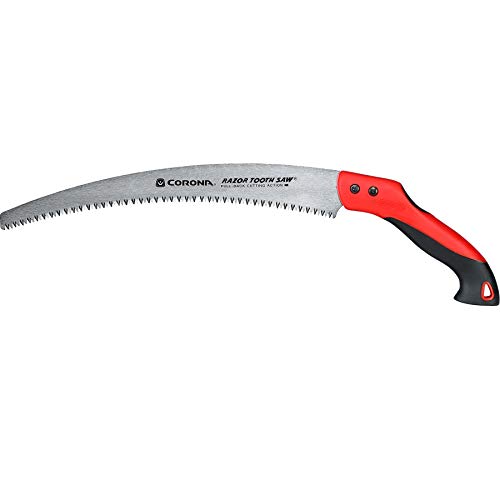
Corona 14-Inch RazorTOOTH Pruning Saw
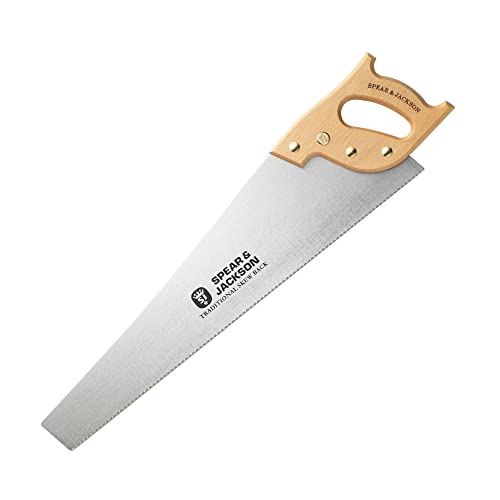
Spear & Jackson 22-Inch Skew Back Saw

WFOEJEJ 6-Inch Japanese Double-Edge Pull Saw

Uopyeri 8-Inch Folding Hand Saw
More Details On Our Top Picks
A long, rigid panel saw earns its keep on finish work, and this IRWIN leans into that role with intent. The 24-inch blade gives you real stroke length, so trim cuts, miters, and rip work along sheet goods feel smooth rather than choppy. You can also expect the ProTouch grip to take some sting out of long sessions at the bench.
Where the IRWIN 15-inch covers rough framing, this longer fine-cut model steps into the trim carpenter’s lane. The 12-point extra-fine front teeth let you start a cut without skating across the work face, which matters on prefinished trim where a wandering start leaves a mark. TPI (teeth per inch) measures tooth density: higher TPI equals smoother, slower cuts, lower TPI equals faster, rougher cuts.
Where It Excels
- M2 advanced tooth geometry stays sharp through repeated jobs
- Tri-Ground teeth slice cleanly on both push and pull strokes
- Deep Gullets clear chips quickly, so the blade doesn’t bind
- Tapered-Pitch nose offers better clearance when starting in tight spots
- The 1mm-thick blade body adds rigidity for straight, controlled cuts
- ProTouch handle absorbs vibration during long trim sessions
Things To Consider
- At 24 inches, the saw can feel unwieldy in tight cabinetry work
- Fine-tooth profile is slower for rough framing tasks
- Best stored dry to prevent surface rust on the uncoated steel
Who It Suits Best
Finish carpenters and serious DIYers who want clean cuts in trim, plywood, and dimensional lumber without upgrading to power tools.
Where Another Pick Suits Better
Shoppers focused on framing and rough lumber should consider the IRWIN 15-Inch ProTouch Coarse Cut Saw, which trades finish precision for raw speed.
The compact sibling to the 24-inch MARATHON, this 15-inch IRWIN earns its space on a job-site tool belt. It’s short enough to swing between studs and long enough to chew through 2x material in a few strokes. A coarse-tooth pattern on a thick blade body makes this a real workhorse for rough carpentry.
For DIYers building a deck, breaking down plywood, or cutting stud-length pieces, the short profile is genuinely useful. You get the same ProTouch ergonomics as the longer model, just in a package that’s easier to control in cramped spaces.
What It Does Well
- Tri-Ground teeth slice fast on rough lumber
- Deep Gullets move chips out so cuts stay aggressive
- Tapered-Pitch nose improves stability on angled starts
- ProTouch handle keeps grip secure during long rip cuts
Points To Note
- Coarse teeth leave a rougher edge than fine-tooth saws
- Shorter stroke means more strokes per cut on wide boards
- Not the right tool for finish trim or joinery work
Made For
Framers, remodelers, and DIYers who need a portable rough-cut saw for jobsite speed.
Consider Something Else When
Detail-oriented woodworkers should reach for the WFOEJEJ 6-Inch Japanese Double-Edge Pull Saw instead, since its finer teeth handle trim and joinery with far more precision.
Fiskars built this folder for people who pull on a blade more than they push. The triple-ground teeth are aggressive on the pull stroke, which is where most pruning saws do their real work. Locking the blade at one of two open angles lets you flip between overhand cuts and awkward undercuts without changing grip.
It folds down small enough to toss in a garden tote or backpack. For most backyards with a few fruit trees or ornamental shrubs, that portability changes how often you actually reach for the tool.
Strong Points
- Triple-ground teeth cut fast on green wood
- Two locking angles cover both overhead and undercut positions
- Non-slip grip stays secure in wet or sap-covered hands
- Folding design keeps the blade safe in storage and transport
Trade Offs
- Best suited for branches under roughly 4 inches in diameter
- Not the right choice for milling lumber or workshop cuts
Right Fit For
Homeowners with light-to-moderate pruning needs who want a safe, easy-to-store blade they can carry anywhere in the yard.
Look Elsewhere When
Anyone facing thick overhead limbs on mature trees should consider the Corona 14-Inch RazorTOOTH Pruning Saw, which handles bigger cuts with a single-hand pistol grip.
Technically a chainsaw, this little tool earns a place in any honest hand-saw roundup because it solves the same problems with less effort. At roughly 2.2 pounds with a 6-inch bar and a 21V battery, it’s approachable for people who find a pull saw tiring. One-handed control opens up yard work for seniors, beginners, and anyone with grip strength concerns.
It runs a small chain rather than traditional teeth, so cutting action feels different. For thin branches, brush cleanup, and occasional limb work, the convenience is hard to beat. The trade-off, of course, is that you’re now maintaining a battery, chain tension, and bar oil instead of just sharpening a blade.
The Value In It
- Lightweight build keeps arm fatigue low
- One-hand operation suits users with limited grip strength
- Battery power eliminates the pull-stroke learning curve
- Compact bar reaches into tight gaps between branches
Worth Noting
- Battery runtime limits how much you can cut in one session
- Chain and bar need periodic lubrication and tensioning
- Not suited for thick trunks or heavy tree-felling work
Best Suited To
Seniors, beginners, and homeowners who want powered help for routine yard cleanup without hauling out a full-size chainsaw.
A Better Fit Elsewhere
For pure manual pruning without batteries or maintenance, the Fiskars 10-Inch Folding Pruning Saw stays simpler to own and operate.
This folder is built around an SK5 high-carbon steel blade, which is a common choice for outdoor cutting tools thanks to its toughness and edge retention. The 7 TPI tooth count is on the aggressive side for a hand saw, meaning each stroke removes more material than a finish saw would. For processing firewood at camp or clearing trail, that aggression pays off.
The blade locks open for cutting and folds into the handle for safe transport in a pack. At 11 inches it splits the difference between the smaller Fiskars folder and larger fixed pruning blades.
Points In Its Favor
- SK5 blade holds an edge through rough outdoor use
- Triple-cut teeth bite aggressively on green and seasoned wood
- Folding handle protects the blade in a backpack or tool roll
- Light enough to carry on long trail days
Honest Caveats
- 7 TPI leaves a rough cut unsuitable for fine woodworking
- Open-tooth geometry can snag on softer, sappy wood if rushed
Who Will Love This
Campers, bushcrafters, and trail maintainers who want a packable saw that handles real firewood and trail-clearance work.
Skip It When
Homeowners doing mostly backyard pruning should consider the Fiskars 10-Inch Folding Pruning Saw, which has a friendlier non-slip grip for everyday garden use.
Corona has been making cutting tools for tree work for over a century, and this 14-inch pruning saw shows why that experience matters. The three-sided RazorTOOTH design sharpens each tooth on every face, so the blade cuts on both push and pull strokes. The curved blade also pulls the wood into the teeth as you draw back, which makes thick branch work feel surprisingly efficient.
With a 14-inch blade and pistol-grip handle, you can reach into a canopy and drop 6-to-8-inch limbs one-handed. The chrome-plated finish reduces friction, and the impulse-hardened teeth are designed to extend the working life of the tool.
A Favorable Mix
- Three-sided teeth cut aggressively in either direction
- Curved blade geometry pulls wood into the cut on each pull stroke
- SK5 steel core holds up under sustained yard use
- Chrome plating reduces sap buildup and friction
- Pistol-grip handle gives confident single-hand control
A Few Limitations
- Larger blade makes it heavier to carry on long hikes
- Open-style sheath or scabbard is recommended for safe storage
Key Specs
Perfect Match For
Homeowners with mature trees and serious pruning tasks who want a saw that handles thick limbs without dragging out a chainsaw.
Not Your Match When
Casual gardeners handling only thin brush and small branches will find the Fiskars 10-Inch Folding Pruning Saw easier to manage day to day.
This is the kind of saw your grandfather probably had hanging on a wall hook. Spear & Jackson’s 22-inch panel saw uses a skew-back design, where the top edge angles down toward the toe, lightening the blade and reducing friction in the cut. The universal teeth cut both with and across the grain, which is why this style of saw earned its place in workshops for over a century.
The high-carbon steel blade and precision cross-ground teeth can be resharpened, so the tool can outlive a few handles if you care for it. The wooden handle is secured with rivets and feels balanced in the hand.
Everyday Advantages
- Universal teeth cut both along and across the grain
- Skew-back design lightens the blade and eases the stroke
- Resharpenable teeth extend the working life of the saw
- Wooden handle is comfortable and naturally vibration-dampening
- High-carbon steel handles chipboard, plywood, and dimensional lumber
Minor Gripes
- Wood handle benefits from occasional oil to prevent drying
- No rubberized grip, so wet conditions can get slippery
- Medium finish leaves a rougher edge than fine-tooth saws
Built With In Mind
Traditional woodworkers and DIYers who want a resharpenable, long-lived panel saw for general workshop use.
Another Choice May Suit
For finish-quality cuts on trim and joinery, the WFOEJEJ 6-Inch Japanese Double-Edge Pull Saw delivers cleaner results in finer work.
Japanese pull saws flip the cutting motion on its head. You draw the blade toward you rather than push it away, which puts the blade under tension instead of compression. That design lets the steel stay thin and flexible, so you get a clean cut with far less effort. This double-edge version packs two tooth patterns into one blade: 11 TPI for hardwood and 17 TPI for softwood and finer work.
The flush-cut design lets you trim dowels and tenons right against a surface without leaving a nub behind. If you’ve ever wrestled with a backsaw trying to get a clean shoulder, this kind of tool makes a quick learner out of you.
The Helpful Details
- SK5 steel holds a fine edge through repeated trim work
- Two TPI ratings cover most hardwood and softwood tasks
- Flexible blade reduces fatigue and resists kinking
- Flush-cut profile trims dowels flush to a surface
- Soft grip handle stays comfortable on detailed cuts
Soft Spots
- Pull-stroke technique takes a little practice for first-timers
- Thin blade is easier to damage than a rigid Western panel saw
Quick Facts
Whose Shelf It Belongs On
Woodworkers and serious hobbyists handling joinery, dowel work, and finish trim where clean shoulders matter more than raw speed.
Reach For A Different Pick When
Anyone breaking down sheet goods or framing lumber should stick with the IRWIN MARATHON 24-Inch ProTouch Fine Cut Saw, which has the length and rigidity for bigger cuts.
The Uopyeri 8-inch folder takes a different approach to trail cutting. The high-carbon steel blade uses a triple-cut, staggered tooth pattern that’s more aggressive than typical pruning folders. It also includes a safety hand guard to keep your grip from sliding forward into the teeth, which is a real concern on slick or wet days.
The rubberized handle is comfortable for extended use, and the fold-down design slips into a pack or glove box without snagging. It also advertises the ability to cut PVC and even bone, which makes it a useful tool for off-grid and emergency kits.
Advantages To Know
- Triple-cut staggered teeth cut fast on a range of materials
- Safety hand guard protects the grip during aggressive cuts
- Rubberized handle stays secure in wet conditions
- Folding design makes it safe and easy to pack
- Works on wood, PVC, and bone for versatile emergency use
Room For Improvement
- Aggressive teeth can feel grabby on dense hardwoods
- Smaller blade limits how quickly you can process large-diameter wood
Who Should Grab It
Campers, preppers, and trail users who want a versatile, packable saw for varied tasks beyond just branches.
Where A Sibling Pick Shines
For dedicated firewood processing on longer trips, the Craft911 11-Inch Folding Camping Saw has a longer blade that chews through thicker rounds faster.
What Matters Most Before Choosing Hand Saws
Match the Tooth Pattern to the Material
A saw’s teeth do the actual cutting, and tooth count changes everything about how a tool feels. Coarse teeth (around 7 to 10 TPI) remove material quickly and resist clogging in green or sappy wood, which makes them ideal for pruning and rough carpentry. Fine teeth (12 TPI and up) leave smoother edges but cut more slowly, and they handle hardwood and trim without splintering. For most home shops, one fine-tooth panel saw and one coarse pruning saw cover nearly every job.
Understand the Cut Stroke: Push vs. Pull
Western hand saws cut on the push stroke, which puts the blade in compression and demands rigidity. Japanese-style saws cut on the pull stroke, which puts the blade in tension and allows thinner, more flexible steel. Both designs work well, but they feel very different in the hand. If you’ve only used one style, give the other a few strokes before deciding it doesn’t suit you. The technique shift is real, but the payoff in control often surprises first-timers.
Weight, Length, and Storage Live Together
A longer saw cuts faster per stroke, but a shorter saw fits into tighter spaces and lighter tool belts. Most people benefit from a 20-to-24-inch blade for bench work and a 10-to-15-inch folder for the yard or job site. Storage matters too: rigid panel saws want a wall hook, while folding saws disappear into a drawer or pack.
Blade Material Tells You How Long It Will Last
High-carbon steel (including SK5) holds an edge well and resharpens cleanly, which is why it shows up on most quality hand saws. Chrome plating reduces friction and sap buildup but can make a blade harder to sharpen later. Stainless options exist for humid or coastal environments, though they typically don’t hold an edge as long as their carbon counterparts.
Key Considerations Across These Picks
Pitfalls Shoppers Hit
The most common mistake is buying a single saw and expecting it to do everything. A fine-tooth panel saw feels miserable on firewood, and a coarse pruning saw ruins trim. The second mistake is ignoring tooth count: more teeth isn’t always better, and it usually means slower cutting. The third is underestimating how much a comfortable handle matters. On a job that takes an hour, grip fatigue changes whether you finish the project or put the tool down.
Where The Extra Money Goes
Higher-tier saws earn their cost with better steel, tighter tooth geometry, and more thoughtful ergonomics. You’re paying for blades that stay sharp longer, handles that don’t slip when wet, and tools that resharpen cleanly instead of needing replacement. For occasional weekend projects, mid-tier options work fine. For daily users, the upgrade typically pays back in time saved and fewer replacement saws over the years.
Frequently Asked Questions
What is the difference between a panel saw and a pruning saw?
A panel saw is built for workshop lumber and trim work, with a rigid blade designed for straight, controlled cuts on dry wood. A pruning saw is built for green, sappy wood outdoors, with aggressive teeth that resist clogging and a blade shape suited to branches rather than flat stock.
How do I keep a hand saw sharp?
Wipe the blade dry after each use, store it out of humid areas, and touch up the teeth with a small triangular file designed for saws. Most hand saws only need sharpening once or twice a year for typical home use.
Can a hand saw cut wet or pressure-treated wood?
Yes, though wet wood tends to clog teeth faster. A coarse-tooth saw with deep gullets handles wet material better than a fine-tooth blade. Cleaning the teeth afterward and drying the blade helps prevent rust.
Are folding hand saws as durable as fixed-blade saws?
Folding saws have a hinge and lock mechanism that can wear over time, so they require occasional inspection. For most yard and trail use they hold up well, but heavy daily work in a professional setting may justify a fixed-blade tool.
How long should a quality hand saw last?
With reasonable care, a well-made hand saw can last decades. Blade life depends on use frequency, material hardness, and storage conditions, but a resharpenable high-carbon steel blade can serve a homeowner for many years.
Wrap Up
The right hand saw depends on where and how you work. Trim carpenters, weekend woodworkers, and backyard pruners each want something different from their blade, and the lineup above is built to cover those lanes without overlap. Pick the saw that matches your most common task, and the rest of the cuts tend to take care of themselves.