American-made hand tools carry a reputation you can feel in your hand: tighter tolerances, harder steel, and a fit that stays true after years on a workbench. That reputation matters when you’re elbow-deep in a repair and the last thing you want is a tip that cams out or jaws that slip. This roundup covers five domestic-built options spanning hex keys, screwdrivers, wire strippers, and locking pliers. Whether you’re a gunsmith, an electrician, or a weekend garage fixer, there’s a match here for how you actually work.
A Snapshot Of The Selections
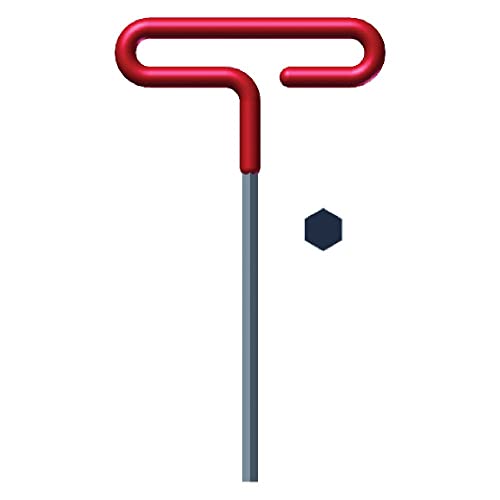
EKLIND 51910 Cushion Grip Hex T-Key

Grace USA Gun Care Screwdriver Set, 8 Piece

Klein Tools K11095 Klein-Kurve Wire Stripper and Cutter

Klein Tools 85078 Screwdriver Set, 8-Piece

Crescent 5 Piece Locking Plier Set CLP5SETN-08
Why These Options Stand Out
A T-handle changes everything on stubborn hex fasteners. Instead of pinching a short L-key between two fingers, you get full palm torque, which is exactly what you want driving a 5/32-inch socket screw into machine hardware or furniture assemblies.
Eklind builds this one domestically to industrial grade, and the cushioned arm grip keeps your hand comfortable during long sessions at the bench. Sold as a dozen per pack, it’s aimed at shops and serious hobbyists rather than someone who needs one key a year.
The Case For It
- T-handle geometry delivers noticeably more turning force than standard L-keys on seized screws.
- The cushioned grip absorbs hand pressure, so extended assembly work stops leaving hot spots in your palm.
- Domestic manufacturing means consistent steel hardness from key to key, something owners commonly report holding up over years of shop use.
- The 12-pack suits shared tool cribs, classrooms, or anyone tired of hunting for a missing single key.
Things To Consider
- This listing is one size only, so a full set still requires buying additional keys.
- A dozen units is more than most households will ever use; solo DIYers may find half of them sitting in a drawer.
Built With In Mind
Machinists, bike mechanics, and production assemblers who turn 5/32-inch hex screws daily and want American-made durability behind every pass.
Swap It Out When
Homeowners tackling occasional flat-head and Phillips repairs will get broader coverage from the Klein Tools 85078 screwdriver kit instead.
Standard screwdrivers ruin gun screws. Their tapered tips bottom out before seating fully, and the result is a chewed-up scope ring or guard screw that no amount of touch-up fixes. Grace USA solved that problem back in 1941 with hollow-ground tips, where the blade faces stay parallel so contact happens at the full width of the slot.
This eight-piece set targets the fasteners you actually encounter on firearms: scope mounts, plug screws, floor plates, and sight hardware. Woodworkers reach for it too, since antique furniture slots benefit from the same full-contact fit. Compared with the general-purpose Klein 85078 later in this list, this set trades household versatility for surgical accuracy.
Practical Pluses
- Hollow-ground tips seat flush across the entire screw slot, dramatically reducing the cam-out that mars finished surfaces.
- Tolerances are held tight, so each tip matches its intended screw rather than sort-of fitting several.
- An eight-piece range covers the common firearm screw sizes without forcing you to sort through a giant kit mid-project.
- Decades of continuous production suggest parts availability and design consistency you can plan around.
Small Caveats
- These are specialty tips; using them on random household screws wastes their precision and risks edge damage.
- Owners commonly report the bare steel benefits from a light oil wipe after humid storage to prevent surface rust.
Feature Snapshot
Right Fit For
Firearm owners who mount their own optics or detail strip their guns, plus restorers working with delicate slotted screws.
Where A Sibling Pick Shines
Anyone needing Phillips heads and stubby drivers for everyday household tasks should lean toward the Klein Tools 85078 instead.
Ask any journeyman electrician what lives in their front pocket and odds are good it’s a Klein stripper. AWG stands for American Wire Gauge, the sizing standard for conductor diameter, and this tool’s six precision-ground holes handle 8 through 18 AWG solid wire plus 10 through 20 AWG stranded, covering nearly everything inside residential walls.
The head sits narrower than older designs, which sounds minor until you’re stripping conductors inside a crowded junction box where every millimeter counts. A shear-type cutting knife trims clean, and bolt shearing holes accept 6-32 and 8-32 threads. Next to Grace USA’s niche focus, this is a trade tool through and through.
The Value In It
- Six sized stripping holes give repeatable, nick-free insulation removal across both solid and stranded conductors.
- Narrower head geometry reaches into boxes and panels where bulkier strippers simply won’t fit.
- Extended handle coverage spreads grip pressure, which matters during panel work that runs all day.
- Bolt shearing holes add a second function, letting you trim protruding machine screws without digging out another tool.
- An updated lock tucks flush against the body instead of snagging on pocket linings or pouches.
Points To Note
- Stripping holes are fixed sizes; unusual gauge combinations outside the stated ranges call for an adjustable stripper.
- Like any ground-edge tool, cutting performance depends on keeping the blades free of nicks from staples and nails.
Quick Facts
Who Will Love This
Licensed electricians, low-voltage installers, and confident DIYers running their own outlet and switch replacements.
Another Choice May Suit
Shoppers wanting a broad driver lineup rather than a single-purpose tool will find more daily value in the Klein Tools 85078 set.
Every toolbox needs one honest all-rounder, and this is that tool. Eight drivers cover four Phillips sizes including a stubby #2 for recessed cabinet hinges, plus keystone and cabinet-tip flats in widths from 3/16 to 5/16 inch. Cabinet tip refers to a flat blade with parallel faces, gentler on slotted screws than a tapered generic tip.
What separates these from bargain-bin sets is the connection point. Double-flange blades anchor deep inside the handle, so the twist force transfers through steel rather than relying on a glued ferrule that loosens within months. Cam-out, the annoying jump of a tip off a screw head under load, drops thanks to precision-machined tips. In daily garage use, that difference shows up fast.
Points In Its Favor
- Eight sizes span the fasteners found in most appliances, outlets, and furniture without overlap or gaps.
- Double-flange blade anchoring resists twisting loose, a failure mode cheaper handles are known for.
- The non-slip cushion grip stays comfortable and secure even with oily hands.
- A stubby #2 Phillips reaches hinge screws inside shallow cabinet frames where full-length drivers won’t swing.
Worth Bearing In Mind
- No nut-driver sizes here, so HVAC-style hex fasteners require a separate tool.
- Fixed-length shafts mean deep-set fasteners behind framing still need an extended-reach option.
Who It Suits Best
Homeowners and apartment dwellers building their first serious toolkit, plus tradespeople who want a reliable backup set in the truck.
Reach For A Different Pick When
Gripping and bending jobs outnumber driving jobs; the Crescent CLP5SETN-08 plier set handles those better.
Locking pliers clamp like a vise and let go with one squeeze, which makes them the third hand every welder and mechanic leans on. This five-piece set mixes curved-jaw and long-nose styles, so rounded-off bolts get the aggressive curved bite while tight clearance work goes to the needle-nose variant.
Crescent builds them against ASME B107 standards for jaw strength and capacity, an industry benchmark meaning the jaws hold rated loads rather than just looking sturdy. A cushioned trigger release eases opening, and a hex recess in the adjusting screw accepts a wrench for extra clamping leverage. Where the Klein K11095 excels at one precise task, this set wins on raw versatility.
Reasons It Performs
- Curved jaws include a built-in wire cutter, consolidating two tools into one grip.
- ASME-standard construction points toward consistent jaw strength under heavy clamping loads.
- The cushion-grip release opens locked jaws quickly without knuckle strain.
- A hex recess on the adjustment screw lets you torque the clamp tighter with a wrench when hand pressure isn’t enough.
- Five pieces cover small electrical work through exhaust and suspension jobs.
A Few Limitations
- Jaw teeth wear smooth over years of gripping hardened fasteners; owners commonly report reduced bite on chrome-plated bolts once that happens.
- Long-nose variants flex slightly under extreme twisting loads compared with the heavier curved-jaw models.
Core Details
Whose Shelf It Belongs On
Home fabricators, automotive tinkerers, and farm-shop users who clamp, twist, and pull in equal measure.
Consider Something Else When
Precision screwdriving on delicate fasteners calls for the Grace USA hollow-ground set, not locking jaws.
Choosing Well: What Separates A Keeper From A Drawer Tool
Match The Steel To The Task
Hardened, properly heat-treated steel holds its edge and jaw teeth far longer than soft import stock. Domestic manufacturers generally run tighter quality control on hardness and grind tolerances, which translates into tips that don’t round over after a season. Look for stated standards such as ASME ratings on pliers, since those indicate tested strength rather than marketing claims.
Ergonomics Decide Long Sessions
Cushioned grips, T-handles, and narrower head profiles sound like luxuries until a Saturday project turns into six hours. Grip comfort reduces fatigue, and compact head geometry determines whether a tool physically fits inside junction boxes or between engine components. Handle the tool shape mentally against your actual workspace before committing.
Coverage Versus Specialization
Multi-piece sets like the Crescent pliers or Klein drivers solve many problems at moderate depth. Single-purpose precision tools such as the Grace USA screwdrivers do one job exceptionally well. Most workshops eventually need both, but starting with the category you use weekly makes the smarter first purchase.
Key Considerations Across These Picks
Wrong Turns To Avoid
The classic mistake is buying a cheap 100-piece set where half the pieces bend on first use. Another trap: matching a tapered tip to a gun or instrument screw, which permanently damages the fastener. Count the sizes you genuinely use, then buy fewer, tougher tools.
When Paying More Pays Off
Higher-tier tools spend money where you can’t see it: heat treatment, tip machining, and anchored blade connections. That cost returns as years of service instead of annual replacements. Trade professionals recover the difference quickly; occasional users still benefit from buying one quality piece per task.
Frequently Asked Questions
Are American-made hand tools really worth the premium?
For frequently used tools, yes, because tighter manufacturing tolerances and consistent steel quality extend service life considerably. Occasional-use items are where budget alternatives make more sense.
What does hollow-ground mean on a screwdriver?
It describes a tip with parallel sides rather than a taper, allowing the blade to seat across the full screw slot. That full contact prevents slipping and marring on soft or finished screws.
Can one wire stripper handle both solid and stranded wire?
The Klein K11095 does, with separate sized holes for 8-18 AWG solid and 10-20 AWG stranded conductors. Always match the exact hole to the wire to avoid nicking strands.
How do I keep locking pliers gripping well?
Keep the jaw teeth clean of grease and debris, and apply a drop of oil to the adjustment screw occasionally. Avoid clamping beyond the rated jaw capacity to protect the teeth.
Is a T-handle hex key stronger than a standard L-key?
Yes, because the T-shape lets you apply torque with your whole hand instead of fingertips. It also improves control on small fasteners prone to stripping.
Closing Remarks
All five of these earn their place through honest construction rather than gimmicks. Start with the tool that matches your most frequent job, whether that’s the Klein 85078 for everyday driving or the Crescent set for clamping chaos. Quality steel made close to home tends to outlive the projects you buy it for, and that’s the whole point.