


Whether you’re trimming a sticky door, flattening a rough board, or cleaning up an edge before finishing, the right planing tool saves hours of sandpaper and frustration. This roundup covers five options across the spectrum: powered handheld planers for fast stock removal, a mini hand plane for fine detail work, a spokeshave set for curved surfaces, and replacement blades to keep your existing tool cutting clean.
An Overview Of The Picks
An Overview Of The Picks

boeray Adjustable Flat Spokeshave Set (9″/10″)
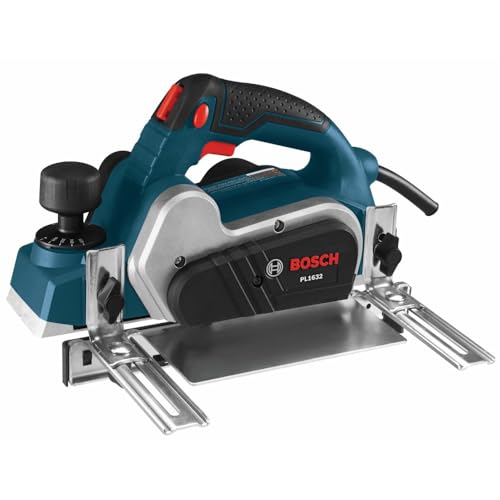
Bosch PL1632 3-1/4 In. Planer

FOXBC 82mm TCT Carbide Planer Blades
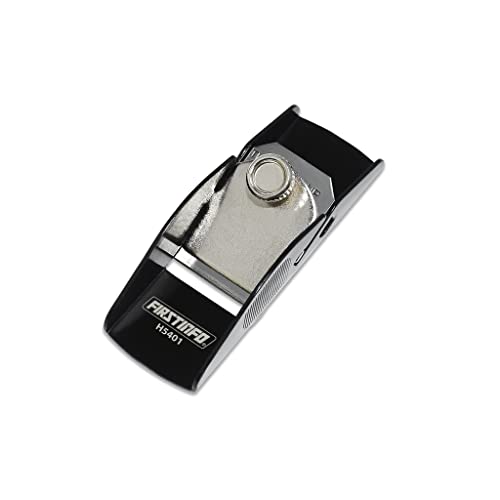
FIRSTINFO Mini Woodworking Hand Plane

Makita KP0800K 3-1/4″ Planer with Tool Case
A Breakdown Of The Leading Choices
A spokeshave is the hand tool you reach for when curves defeat a flat plane: chair spindles, canoe paddles, carved edges. This boeray set ships with both 9-inch and 10-inch bodies, four replaceable blades, and a small portable plane, so one purchase covers flat smoothing and shaped work alike.
The cutters are heat-treated SK2 steel ground to 58-60 HRC hardness, which in plain terms means the edge holds up through extended sessions instead of dulling after a weekend. Adjustability on both spokeshaves lets you dial in cut depth for light cleanup passes or heavier shaping.
Bright Spots
- Two body sizes handle tight inside curves and long sweeping arcs without swapping tools mid-project.
- Four spare blades mean a dull edge never stalls your workday; swap and keep going.
- Heat-treated SK2 steel resists wear far longer than basic carbon blades.
- The bundled mini plane covers small flat areas the spokeshaves can’t reach cleanly.
- No power needed, so it’s quiet enough for apartment workshops and evening work.
Things To Consider
- Hand tools demand technique; expect a short learning curve before cuts come out even.
- Blades need occasional honing to stay sharp, so budget a few minutes of maintenance per session.
The Numbers That Matter
Who It Suits Best
Woodworkers who shape chairs, spoons, or sculpted furniture and want a full hand-tool kit rather than a single blade.
Where Another Pick Suits Better
Anyone hanging doors or ripping down rough lumber fast will get more from the Bosch PL1632’s powered cutter head.
Door hangers tend to be loyal to this Bosch, and the reason is speed. A 6.5-amp motor spinning at 16,500 RPM removes stock quickly while still leaving a surface smooth enough that light sanding finishes the job. Where the boeray spokeshave set rewards patience, the PL1632 is built for the opposite temperament: trim a half inch off a slab door between coffee and lunch.
An ambidextrous lock-off button prevents accidental startups, which matters more than it sounds once you’re working overhead or on a ladder. The guidance system helps the shoe track straight along an edge, so your pass comes out parallel instead of wandering.
Real Benefits
- High RPM cutter head turns a 30-minute hand-planing job into a couple of minutes.
- Ambidextrous lock-off release suits left- and right-handed users equally.
- Planer-guidance design keeps passes true along door edges and jamb reveals.
- Compact 3-1/4 inch width fits standard door stiles and most trim work.
Worth Noting
- Corded power means an outlet or extension cord is part of every job; cordless fans should weigh that.
- Like any power planer, blades will eventually need replacing, and carbide knives are the usual upgrade path.
Made For
Carpenters, remodelers, and serious DIYers who hang doors regularly and want pro-grade removal speed.
Not Your Match When
Model makers and detail carvers will find the FIRSTINFO Mini Hand Plane far better suited to delicate work.
This entry isn’t a planer at all, but it might extend the life of yours more than anything else here. These 3-1/4 inch replacement knives measure 82 x 29 x 3 mm and are made from tungsten carbide tipped (TCT) steel, a construction where the cutting edge is fused carbide bonded to a tougher body, giving you hardness where it counts and strength behind it.
Compatibility is the headline: they fit Makita N1900B, KP0810, and XPK01 machines, DeWalt D26676, DW6655, and DW680 models, the Bosch 1594 with PA1205 blades, Ryobi units, and most other 3.25-inch handheld planers. You get a pair in a plastic case, so a fresh edge is always staged and ready.
What It Does Well
- Tungsten carbide tips hold sharpness noticeably longer than standard high-carbon knives in abrasive hardwoods.
- Universal 82 mm sizing covers nearly every common handheld planer brand.
- Two blades per pack means you can rotate edges instead of stopping mid-project.
- Plastic case protects the edges in a crowded toolbox drawer.
Small Caveats
- Installation demands care: seating a blade unevenly causes chatter marks, so follow your planer’s setting jig closely.
- Confirm your exact model against the fitment list before ordering, since a few older variants differ.
Quick Facts
Right Fit For
Owners of Makita, DeWalt, Bosch, or Ryobi 3-1/4 inch planers who burn through stock regularly and want affordable fresh edges on hand.
Look Elsewhere When
You don’t yet own a powered planer; start with the Makita KP0800K below, then add these blades later.
At roughly 3.4 inches long, this little block plane lives in an apron pocket, not a toolbox. Model builders, luthiers fitting a bridge, and anyone deburring a small joint will appreciate how much control a tiny sole gives you over end grain and delicate edges, work that would chew up a full-size plane or a powered machine.
The cutter adjusts via a simple screw mechanism, letting you set depth precisely for whisper-thin shaving passes. Steel construction keeps the body stable, and the whole thing weighs so little that fatigue never enters the picture during long fiddly sessions.
Positive Takeaways
- Pocket dimensions make it genuinely portable; it rides along to job sites or craft fairs without thought.
- Screw-adjustable cutter lets you dial in shallow cuts for finish-level surfaces.
- Sharp steel blade handles trimming, deburring, and light polishing prep on wood.
- Low cost makes it an easy first hand plane for learning proper technique.
Honest Caveats
- Its tiny size limits it to small workpieces; flattening a tabletop isn’t happening with this tool.
- Entry-level machining tolerances mean some owners lightly lap the sole for the smoothest results.
Best Suited To
Hobbyists, model makers, and craft workers who need precise touch-ups on small parts more than raw removal speed.
A Better Fit Elsewhere
Larger furniture-scale smoothing tasks are better served by the boeray spokeshave set, which adds curve capability too.
Set the KP0800K next to the Bosch PL1632 and you’re comparing two philosophies of the same job. Makita’s 6.5-amp motor drives a two-blade head at 17,000 RPM, taking cuts up to 3/32 inch deep across the full 3-1/4 inch width in one pass. That depth figure matters: fewer passes means less chance of a misstep and a faster route to a finished surface.
The feature that separates it on paper is the spring-loaded stand, which lifts the base off the bench when you set the tool down, protecting both the blades and your workpiece from accidental contact. Blade changes use a simplified setting system, so swapping in a fresh pair, like the FOXBC knives earlier in this list, stays quick.
Good Reasons To Consider
- 17,000 RPM two-blade head balances removal speed with a clean finish.
- Spring-loaded stand elevates the base automatically, sparing blades and benches between cuts.
- 3/32 inch single-pass depth capacity trims door bottoms in one confident sweep.
- Streamlined blade-setting system cuts downtime during knife swaps.
- Included case keeps the tool and accessories organized on the truck or shelf.
Points To Keep In Mind
- It’s a corded tool, so plan around outlet access on remote jobs.
- At this weight class, extended overhead planing can tire the arms; take breaks on big jobs.
Feature Snapshot
Who Should Grab It
Contractors and frequent users who want a rugged, well-supported daily driver with thoughtful blade protection built in.
Swap It Out When
Occasional DIYers who mostly trim doors may prefer the lighter footprint of the Bosch PL1632 instead.
What Matters Most Before Choosing Handheld Planers
Power And Cut Capacity
Corded electric planers typically run 6-amp-class motors, and the difference shows in hardwood. A deeper maximum cut per pass, such as the Makita’s 3/32 inch, means fewer sweeps across a door bottom and less risk of tear-out. Match the capacity to your usual material: softwood trim forgives modest specs, dense oak does not.
Blade Quality And Availability
The cutting edge determines everything about the finish you’ll see. Carbide-tipped knives outlast plain steel considerably, especially in plywood and engineered boards with glue lines. Before committing to any planer, confirm replacement blades are easy to source in its size, since even the best body becomes a paperweight with no knives available.
Hand Tools Versus Powered
Powered planers win on volume removal; hand planes and spokeshaves win on control, silence, and fine work. Many woodworkers own both tiers. A mini plane like the FIRSTINFO costs little and teaches you how grain behaves, knowledge that makes you sharper with the powered tool too.
Handling And Safety Details
Weight distribution, lock-off switches, and blade guards separate comfortable tools from tiring ones. Ambidextrous controls matter in shared shops, and features like Makita’s spring-loaded stand prevent the most common self-inflicted damage: setting a live blade down on your bench or workpiece.
Key Considerations Across These Picks
Traps First Timers Fall Into
The classic error is buying too much machine for the actual work. A professional-grade planer used twice a year on one door is money sitting idle, while a hobbyist forcing a mini plane to flatten tabletops will quit in frustration. Also, shoppers frequently forget blade replacement costs entirely; factor them in from day one, and always verify fitment lists against your exact model number.
When Paying More Pays Off
Higher-tier planers justify their price through motor output, refined bases, and durability under daily abuse. Contractors running a planer every week recover the premium in time saved and cleaner results. Weekend users rarely do. Spend up only when frequency justifies it; otherwise put the difference toward quality blades, which improve any tool’s output immediately.
Frequently Asked Questions
Can a handheld planer replace a jointer?
For small stock and edge cleanup, yes, with practice. Wide panel flattening still calls for a jointer or hand-plane technique.
How often should I replace planer blades?
Replace or hone them when you notice tear-out or burning rather than on a schedule. Hardwoods and plywood dull edges fastest.
What depth should I set for my first pass?
Start shallow, around 1/64 inch, until you learn how the tool feeds. Deep first passes invite gouging and kickback strain.
Do I need a spokeshave if I own a power planer?
Different jobs entirely. Spokeshaves shape curves and contours that a flat rotating cutter head cannot follow.
Are replacement blades universal?
Most handheld planers accept the 82 mm (3-1/4 inch) standard, but mounting holes and thickness vary. Always cross-check your model against the manufacturer’s fitment list.
Closing Thoughts
Five tools, five different answers to the same question: how do you remove wood cleanly and on purpose? Pick the Makita KP0800K or Bosch PL1632 for powered speed, the boeray spokeshaves for shaped work, the FIRSTINFO mini plane for detail, and the FOXBC blades to keep any of it cutting sharp. Match the tool to the work actually on your bench, and each of these earns its place.




