Tile work punishes the wrong tool. A full wet saw won’t fit in a bathroom doorway, and an angle grinder chews through glaze with all the grace of a hammer. That gap is where handheld tile saws earn their keep: compact cutters that score through porcelain, backer board, and stone without swallowing your whole workspace. This roundup covers five options across cordless convenience, corded muscle, and one benchtop heavyweight for anyone tiling a real room rather than patching a crack. Whether you’re a weekend DIYer laying a kitchen backsplash or a contractor cutting pavers on site, there’s a fit here for your hands and your budget.
A Closer Look At The Lineup
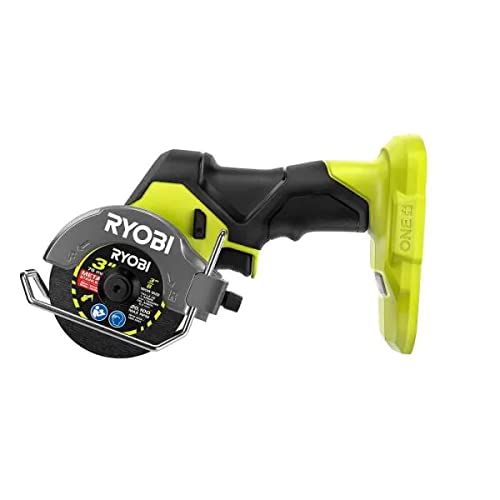
RYOBI ONE+ HP 18V Brushless Compact Cut-Off Tool PSBCS02B
Evolution R230DCT 9 in. Electric Concrete Saw
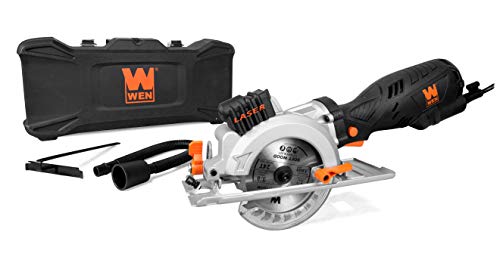
WEN 3625 5-Amp 4-1/2-Inch Beveling Compact Circular Saw

WORKPRO 20V 4-1/2 Cordless Mini Circular Saw with 4.0Ah Battery

DEWALT Wet Tile Saw with Stand, 10 Inch (D36000S)
A Breakdown Of The Leading Choices
Squeeze this tool into a crowded closet and it still disappears. At roughly 8.5 inches long, the brushless motor spins a 3-inch wheel fast enough to handle tile, PVC, drywall, cement board, and thin metal in one grab-and-go package. Brushless means no carbon brushes wearing out inside the motor, so you trade nothing on runtime efficiency.
For anyone already running RYOBI ONE+ batteries, the math gets even friendlier since this ships as a bare tool. It’s the kind of cutter you leave in the trunk for surprise cuts on site.
Why It Works Well
- Brushless motor delivers high RPM for clean passes through glazed tile without excessive chipping
- 8.5-inch body fits one-handed work in tight corners where a full saw can’t reach
- Shares the ONE+ battery platform, so existing packs slash your total cost of ownership
- Cuts metal, plastic, pipe, and shelving, making it a genuine multi-material shop companion
Things To Consider
- Tool-only listing means you’ll need a compatible battery and charger already on hand
- The 3-inch wheel limits cut depth, so thick porcelain slabs are out of reach
Who It Suits Best
DIYers and tradespeople already invested in RYOBI ONE+ batteries who want a pocketable cutter for quick trim-outs and small tile jobs.
A Better Fit Elsewhere
Shoppers wanting deeper single-pass cuts through masonry should step up to the Evolution R230DCT instead.
Where the RYOBI trims, this one demolishes. The Evolution R230DCT pairs a 15-amp motor with a 9-inch diamond blade, letting it slice brick, block, natural stone, and roof tile in a single pass. Diamond blades use industrial diamond grit bonded to the rim, which is what lets them grind through cured concrete without dulling after a few cuts.
Because it runs on wall power rather than gasoline, there are no fumes trailing you around an indoor renovation or basement job. Owners commonly report it feels far more controlled than wrestling an angle grinder through masonry, thanks to proper blade guarding and a posture-friendly grip.
The Practical Payoff
- 3-1/2-inch cut depth handles most brick and block in one pass, saving time on repeat scoring
- Diamond masonry blade comes included, so the tool works out of the box
- Electric power means zero exhaust, a genuine advantage for indoor or enclosed-site cutting
- More stable and accurate than a handheld angle grinder on long straight cuts
Points To Note
- The 9-inch disc and motor make it heavier than compact circular saws, so overhead cuts tire quickly
- Corded design ties you to an outlet or generator on remote jobsites
- Diamond blades wear over time on abrasive concrete, and replacements add to ownership costs
At A Glance
Made For
Hardscape installers and serious renovators cutting brick, block, or stone regularly who want gas-free power.
Reach For A Different Pick When
Apartment dwellers doing light indoor tile trimming will find the WEN 3625 far easier to store and maneuver.
This is the sensible first saw. WEN built the 3625 around a 5-amp motor driving a 4-1/2-inch blade, sized for wood, drywall, tile, sheet metal, and pipe. The whole unit weighs just over five pounds, which matters more than any spec sheet admits when you’re holding a cut above shoulder height along a backsplash edge.
A laser line projects your cut path before the blade touches down, and bevel capability lets you angle cuts for corner trim work. Compared with the pricier Evolution above, you give up raw masonry depth but gain a lighter, cheaper tool that covers most household materials.
Notable Upsides
- Laser guide helps beginners land accurate cuts without measuring twice
- Roughly five-pound build limits arm fatigue during longer trimming sessions
- Bevel function adds angled cuts for trim and corner applications
- Included carrying case keeps the saw, blade, and accessories organized between projects
Small Caveats
- The 5-amp motor can bog down in dense hardwood or thick stone compared with 15-amp rivals
- Corded operation means managing a cable around the work area
Quick Facts
Right Fit For
First-time DIYers tackling backsplashes, shelving, and repair cuts who want guidance features without a steep spend.
Swap It Out When
Anyone needing cordless freedom across multiple rooms may prefer the WORKPRO mini saw below.
No outlet, no problem. WORKPRO’s 20V mini saw runs a 4-1/2-inch blade at 4500 RPM off a bundled 4.0Ah battery, covering wood, tile, plastics, PVC, and soft metals. Unlike the RYOBI earlier in this list, everything arrives in the box, so a first-time shopper isn’t hit with a separate battery purchase.
At about 4.4 pounds, it’s the lightest cutter here, and that shows up in how long you can work before your wrist complains. You may find the runtime shorter than a corded rival during marathon sessions, though a spare pack solves that cheaply.
Everyday Wins
- Battery and charger included, ready to cut straight out of the box
- Under five pounds, easy to control overhead or in awkward positions
- Adjustable cutting depth adapts the blade exposure to each material
- Handles tile, PVC, and soft metals, useful well beyond flooring season
Worth Bearing In Mind
- Single battery means downtime while recharging mid-project
- 4500 RPM trails corded motors on dense or thick stock
Who Will Love This
Homeowners and hobbyists wanting a grab-and-go cordless cutter for occasional tile snaps, PVC trims, and craft builds.
Another Choice May Suit
Users with heavy daily cutting schedules will get more endurance from the corded DEWALT D36000S further down.
This is the tool the other four make room for. DEWALT’s D36000S is a 10-inch wet saw, meaning water flows over the diamond blade to cool it and suppress the dust that dry cutting throws into your lungs. The 15-amp motor pushes 1,220 max watts out, and the included stand turns any driveway into a cutting station.
The headline number is rip capacity: 37 inches, paired with 18 inches of clearance left of the blade. In practice that means squaring a 36-by-36-inch porcelain slab down the middle in one confident pass, something none of the handheld picks here can attempt.
The Helpful Details
- 37-inch rip capacity handles oversized format tile that stalls smaller saws
- Water-fed cutting keeps dust down and blade life up on hard porcelain
- Stand included, so setup and breakdown on site take minutes
- High crosscut clearance suits wide plank and sill work
Factors To Consider
- Bulk and weight demand dedicated storage and a vehicle big enough to haul it
- Wet cutting means water management, cleanup, and a nearby hose or bucket supply
Feature Rundown
Whose Shelf It Belongs On
Professional tile setters and ambitious renovators installing full floors of large-format tile who need accuracy at scale.
Not Your Match When
Occasional DIYers with a handful of cuts are better served by the budget-conscious WEN 3625.
What Matters Most Before Choosing Handheld Tile Saws
Match Power To Material
A 5-amp motor sails through ceramic backsplash tile but labors on dense porcelain or stone. Masonry demands 15 amps and a diamond blade, like the Evolution R230DCT carries. Overbuying wastes money; underbuying burns out motors and chips expensive tile.
Corded Versus Cordless
Cordless tools win on mobility, stairs, and outdoor work where outlets are scarce. Corded models deliver consistent torque for long sessions without recharge breaks. Your jobsite layout usually decides this faster than any spec sheet.
Cut Depth And Capacity
Blade size dictates how thick a slab you can slice in one pass. A 3-inch wheel handles trim work; a 10-inch wet saw rips 36-inch panels. Measure your thickest planned material first, then buy above it.
Dust And Water Management
Dry cutting throws silica dust, which calls for ventilation and a rated respirator. Wet systems suppress dust and extend blade life but add cleanup. Indoor renovations lean wet or vacuum-assisted; garage work tolerates dry.
Key Considerations Across These Picks
Traps First Timers Fall Into
The most common slip is buying for the project in front of you and ignoring the next three. A saw sized only for today’s backsplash becomes shelf decoration once flooring season starts. Another frequent miss: ordering a tool-only cordless model without checking whether you own a matching battery platform. Read the box contents twice before checkout.
What Separates Premium From Basic
Higher-tier models pay for sustained torque, larger blades, and capacity that saves labor hours. A professional ripping large-format tile daily recoups a premium saw’s cost in speed alone. Weekend users rarely will, which is why the value tier exists and thrives.
Frequently Asked Questions
Can a handheld saw really cut porcelain tile?
Yes, provided the blade is diamond-grit and rated for tile. Feed slowly and let the blade do the grinding rather than forcing it.
Do I need water when cutting tile?
Not always, but water cools the blade and controls hazardous silica dust. For indoor work, wet cutting or dust extraction is strongly advised.
What blade size suits most home projects?
A 4-1/2-inch blade covers the majority of DIY tile, wood, and PVC cuts. Larger formats need 9 or 10 inches.
Are cordless mini saws powerful enough?
Modern 18V and 20V brushless models handle tile, PVC, and sheet goods well. Dense masonry still belongs to corded machines.
How often do diamond blades need replacing?
It depends on material hardness and usage frequency. Cutting abrasive concrete wears them fastest; occasional tile work stretches blade life considerably.
Closing Thoughts
Five tools, five very different jobs. The RYOBI and WORKPRO cover quick cordless trims, the WEN anchors a starter workshop, the Evolution tackles brick and block, and the DEWALT owns full-room installations. Match the saw to your thickest material and your most common jobsite, and any of these will serve you well for years of clean, straight cuts.