


Anyone who has watched a cheap tape blade kink mid-span or a case crack after one drop knows why this category matters. A heavy duty tape measure is the tool you reach for dozens of times a day, and a weak one slows every task from framing walls to hanging shelving. The five options below cover different needs: extra-long standout for solo work, low-light readability, laser-assisted distance measuring, trade-grade durability, and multi-tool value for a workshop or crew. Each earns its spot through specific build attributes, not hype.
An Overview Of The Picks

Komelon 40-Ft Contractor TS Wide Blade Tape Measure (93440)
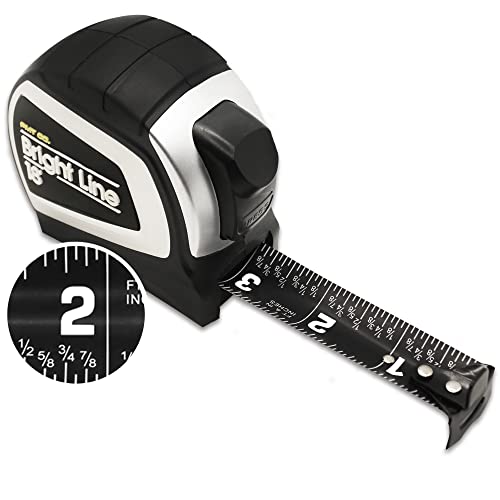
Perfect Measuring Tape BrightLine 18ft Auto Lock Tape

Inkerma 130Ft Laser & 16Ft Tape Measure 2-in-1

Klein Tools 9230 30-Foot Double-Hook Tape Measure
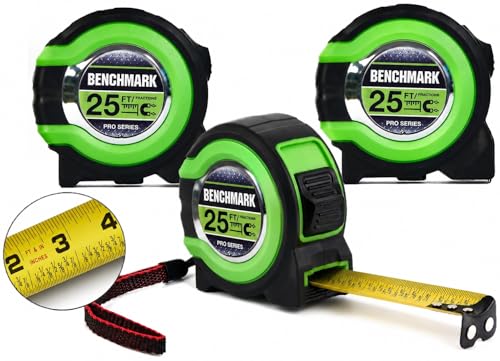
Benchmark 25 ft Magnetic Tip Tape Measure (3 Pack)
More Details On Our Top Picks
Standout is the number here that matters most: with a 12-foot reach, one person can extend this tape across a room or along a stud wall without it collapsing. The 1.25-inch wide blade resists bending, which keeps long measurements straighter and more accurate than narrow blades manage.
Backside printing adds markings on the reverse of the blade, handy when you read measurements overhead or in awkward angles. For most framing and remodeling work, that combination of length and rigidity is exactly what you want.
Where It Excels
- 40 feet of blade covers whole-room spans without a second person.
- The wide 1.25-inch steel blade stays rigid over long distances, so solo measuring stays accurate.
- Nylon-coated blade surface shrugs off the abrasion that kills cheaper tapes on rough lumber.
- Manual lock holds your reading firmly while you mark the cut line.
Things To Consider
- The wide blade and long reel make the case bulkier in a pocket than an 18-foot household tape.
- Nylon coatings wear eventually; wiping grit off the blade before retraction extends its life noticeably.
Who It Suits Best
Framers, remodelers, and anyone working alone who needs a tape that stays extended across long spans.
A Better Fit Elsewhere
For tight indoor spaces where 18 feet is plenty, the Perfect Measuring Tape BrightLine offers easier handling and better readability.
Most tapes print dark numbers on a light blade; this one flips that formula with white markings on a black nylon-coated steel blade. In a dim crawlspace or an unlit attic, that contrast makes fractions legible where standard tapes turn into guesswork. Auto lock is the other quiet win: the blade stays put until you press release, so both hands stay free for marking.
The rubber-jacketed case survives drops off ladders far better than bare plastic housings, which matters more than it sounds. At 18 feet it handles nearly every interior task, though it won’t replace a long tape for exterior layout.
What Stands Out
- White-on-black high contrast markings stay readable in low light, cutting misread-fraction errors.
- Inch fractions printed on the blade mean no mental math for quick cuts.
- Auto lock frees a hand while you transfer measurements to material.
- Dual-sided printing lets you read from either orientation without flipping the tape.
Small Caveats
- Dark blades can absorb heat in direct sun, and some owners report the black finish scuffing lighter over years of jobsite use.
At A Glance
Made For
DIYers and finish carpenters working in basements, closets, and other poorly lit spots where misreading a fraction costs a cut board.
Where A Sibling Pick Shines
Outdoor deck builders needing serious reach should look at the Komelon Contractor TS instead, whose 40-foot blade handles long exterior runs.
This hybrid pairs a conventional 16-foot blade with a laser distance meter rated to 130 feet, so one pocket tool covers both close-up measuring and full-room spans. Accuracy within 1/8 inch is respectable for estimating flooring, paint coverage, or furniture fit, though you’d still verify critical cuts with the physical blade. A Class II laser at under 1mW output is the low-power category considered safe for everyday use.
Unit switching between meters, inches, feet, and combined feet-plus-inches saves conversion headaches on plans drawn in metric. Compared with the purely mechanical picks around it, this one trades rugged simplicity for capability.
A Strong Showing
- Laser mode measures up to 130 feet instantly, ideal for whole-room estimates without walking the distance.
- Four unit formats, including feet-plus-inches, match whatever format your plans use.
- Automatic shutoff after 30 seconds idle conserves battery between tasks.
- The built-in 16-foot blade handles precision work the laser can’t.
Potential Drawbacks
- Electronics add failure modes a mechanical tape doesn’t have: batteries die, and drops can knock the laser out of calibration.
- Bright sunlight washes out the laser dot, so outdoor accuracy depends on conditions you can’t control.
The Right Fit
Interior designers, landlords, and estimators who measure many rooms quickly and want digital readings without carrying two tools.
Swap It Out When
Rough construction sites demand simpler hardware; the Klein Tools 9230 takes abuse this electronic unit shouldn’t be asked to endure.
Klein has built tools for tradespeople for well over a century, and the 9230 shows that lineage in its details. The double-hook end grabs conduit, studs, and panel edges from either side, and the magnetic tip holds steel surfaces so a single worker can measure overhead runs alone. Thirteen feet of standout means the blade stays extended across most ceiling work before drooping.
A retraction brake deserves mention too: it slows the blade’s return, protecting both the mechanism and your fingers from the whip that shorter-lived tapes deliver. Bold markings keep readings clear even through dusty gloves.
The Helpful Details
- Double-sided nylon reinforcement gives the blade serious abrasion resistance on rough jobsite materials.
- Magnetic double hook anchors to steel framing, freeing your other hand entirely.
- Retraction brake controls blade return speed, reducing wear and pinch risk.
- Metal belt clip keeps the tape secured through a full day of climbing and bending.
- 30-foot length bridges the gap between household tapes and full surveying reels.
Worth Noting
- It’s a larger, heavier case than the Benchmark three-pack offers, so pocket carry feels substantial all day.
- No fractional markings beyond standard graduations, which beginners may find less forgiving than labeled fractions.
Who Will Love This
Electricians, HVAC techs, and commercial tradespeople who measure steel and conduit daily and need a tape that survives years of it.
Reach For A Different Pick When
Weekend DIYers wanting several tapes for the price of one will get more utility from the Benchmark 25-foot multipack.
Three 25-foot tapes in one package changes how you work: one lives in the kitchen drawer, one in the truck, one on the workbench, and you stop hunting for the tape every time a project starts. The green ABS rubber shell grips well with sweaty or gloved hands and cushions the drops that inevitably happen around a busy house.
Fractions down to 1/8 inch are printed right on the blade, which removes the arithmetic that trips up newer DIYers. Thumb lock plus quick lock give you two ways to hold a measurement depending on grip position.
Well-Handled Touches
- Three-pack coverage means a tape within arm’s reach in multiple rooms or vehicles.
- Magnetic tip sticks to steel door frames, appliance backs, and metal studs during solo measuring.
- Rubber-armored ABS housing bounces rather than cracks when dropped from ladder height.
- Fractions to 1/8 inch are labeled clearly, speeding up cuts for beginners.
Points To Note
- The autowind return is brisk; owners commonly suggest guiding the blade with a thumb to avoid snags.
- Standout is modest compared with the Komelon’s wide blade, so very long unsupported spans sag sooner.
Quick Facts
Right Fit For
Homeowners outfitting a house or rental property who want dependable tapes stationed in several locations at once.
Consider Something Else When
Low-light basement work calls for the Perfect Measuring Tape BrightLine, whose high-contrast blade outperforms standard printing in dim corners.
What Matters Most Before Choosing Heavy Duty Measuring Tapes
Blade Length And Standout
Length gets all the attention, but standout is what actually separates professional tapes from drawer models. Standout refers to how far the blade extends horizontally before buckling under its own weight. Twelve to thirteen feet lets one person frame a wall solo; anything less requires a helper for spans past eight feet.
Match length to your typical project scale first. Interior work rarely needs more than 25 feet, while deck building and fencing justify 30 or 40.
Blade Coating And Markings
Nylon coating is the armor layer on quality steel blades, resisting rust and the scraping that occurs inside the case with every retraction. Uncoated blades dull and blur within months of daily use.
Markings matter just as much. Fraction-labeled blades suit beginners, high-contrast printing suits dim environments, and bold graduations suit dusty conditions. Choose based on where you actually work.
Lock Style And Case Durability
Manual locks require thumb pressure throughout the measurement; auto locks engage automatically and free both hands. Auto lock wins for repeated marking tasks, manual lock wins for fine adjustments.
The case takes every drop you don’t catch. Rubber-over-molded housings consistently outlast bare ABS shells on active job sites.
Mechanical Versus Hybrid Tools
Laser hybrids add range and digital convenience but introduce batteries and electronics into a category prized for simplicity. Keep a pure mechanical tape as your primary tool and treat hybrids as a supplement for estimation work.
Key Considerations Across These Picks
Traps First Timers Fall Into
The most common error is buying on blade length alone and ignoring standout, ending up with a long tape that sags uselessly at six feet. Another frequent slip is choosing tiny compact cases for daily trade work; small housings usually mean short standout and thin blades. Skip gimmick-heavy features you won’t use weekly, since each added mechanism is a future failure point.
What Separates Premium From Basic
Higher-tier tapes spend their cost on blade steel thickness, coating quality, and hook assemblies that survive thousands of retractions. That translates to straighter long measurements, clearer markings after years of abrasion, and hooks that stay riveted instead of loosening. Tradespeople logging daily hours see the payoff quickly, while occasional users may find a solid mid-range option serves just as well.
Frequently Asked Questions
How long should a heavy duty tape measure be?
Twenty-five feet covers most home projects comfortably. Choose 30 to 40 feet only for decking, fencing, or layout work spanning whole rooms outdoors.
What does “standout” mean on a tape measure?
It’s the distance a blade extends horizontally before bending. Longer standout lets one person take measurements alone without the blade collapsing.
Are magnetic tips worth having?
For anyone working with steel studs, conduit, or appliances, yes. The magnet holds the hook in place so both hands stay free for marking.
Do coated blades really last longer?
Nylon coatings resist rust and reduce friction wear inside the case. Owners of coated-blade tapes commonly report usable markings years longer than uncoated equivalents.
Is a laser tape measure a replacement for a regular one?
No. Lasers excel at fast room-level estimates but lack the precision for cut-line work. Hybrids like the Inkerma pair both functions in one body.
Closing Remarks
A heavy duty tape measure is a small investment that shapes the accuracy of everything you build. Match the blade to your real workload: the Komelon for solo long spans, the Klein for punishing trade conditions, the BrightLine for dim corners, the Inkerma for digital convenience, and the Benchmark pack for whole-home coverage. Whichever direction fits your projects, choosing on standout and coating quality now saves frustration later.




