


A cheap hammer bends, chips, and rattles your wrist loose by lunchtime. The five options here are built differently: forged heads, one-piece steel construction, and grips that survive daily abuse on framing crews, masonry jobs, and metalworking benches. Whether you lay brick for a living or just want a tool that outlasts the shed you store it in, this shortlist covers the profiles worth paying up for.
How The Shortlist Stacks Up

ESTWING Bricklayers/Mason’s Hammer 20 oz E3-20BLC

REAL STEEL Solid Brass Non-Sparking Hammer 20 Oz
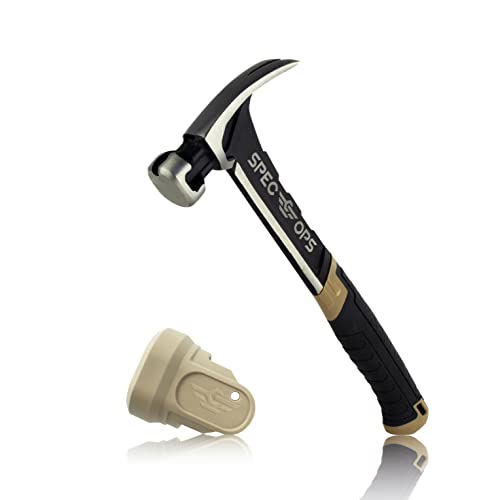
Spec Ops Tools Nailing Hammer Rip Claw 20 Oz
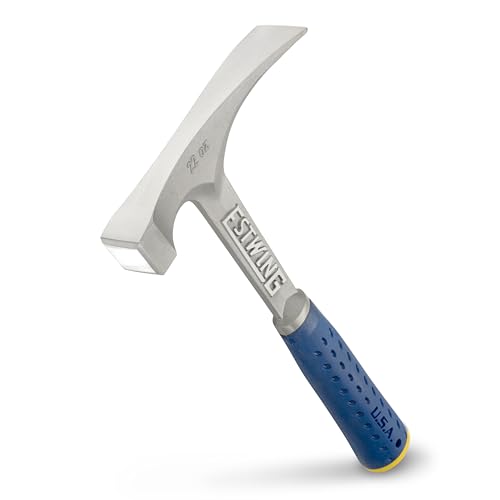
ESTWING Bricklayers/Mason’s Hammer 22 oz E6-22BLC

Malco Setting Hammer 18 Oz Leather Grip SH3
Inside Each Recommended Option
This is the tool most bricklayers reach for when a wall needs to go up straight and stay there. The head and handle are forged as a single piece of steel, so there is no joint to loosen no matter how hard you swing it into mortar joints day after day.
The 20-ounce head sits at a sweet spot in our view: heavy enough to split brick cleanly, light enough that your forearm survives an eight-hour shift. On a repointing job or a chipping task over old masonry, that balance is what separates a keeper from a shelf ornament.
What Earns Its Place
- One-piece forged construction eliminates the head-to-handle wobble that plagues cheaper masonry hammers.
- Dual duty as both a bricklayer’s and chipping hammer means one tool covers laying and demo work.
- The patented nylon end cap absorbs missed-strike shock instead of transferring it down the handle.
- Fully polished steel resists the rust bloom common in damp garages and open job trailers.
Things To Consider
- At 16 ounces of listed weight in some listings versus the 20 oz naming, check the exact variant before ordering.
- The polished finish shows scuffs quickly, so expect a well-worn look within weeks of site use.
Who It Suits Best
Working bricklayers and serious DIY remodelers who want a single masonry hammer that handles both laying and light demolition without complaint.
Where A Sibling Pick Shines
Anyone breaking brick all day should step up to the ESTWING E6-22BLC below, whose larger face speeds up splitting work considerably.
Unlike every steel-headed option on this list, this one strikes with solid brass, which produces no sparks on impact. That matters enormously around flammable vapors, fuel systems, or anywhere a stray spark could turn a routine tap into a bad afternoon.
Brass is also softer than steel, so it deforms rather than mars the surface you’re hitting, a trait machinists rely on when seating parts or tapping fittings into place. The trade-off is softer wear: brass heads mushroom slightly over years of heavy use and can be dressed back flat with a file.
The Case For It
- Drop-forged solid brass head delivers spark-free strikes near solvents, fuels, or combustible dust.
- Machine-turned and hand-polished head gives a clean, burr-free striking surface that won’t scar soft metals.
- Well-balanced hickory handle keeps swings predictable during repetitive fitting and assembly tasks.
- Laser-etched texture on the grip maintains control even with gloved or oily hands.
- Non-marring contact makes it safe for seating bearings, bushings, and finished hardware.
Minor Gripes
- Brass is softer than tool steel, so heavy-duty demolition will round the face faster than owners would like.
Feature Snapshot
Right Fit For
Machinists, HVAC techs, and maintenance crews who work around flammables or need a hammer that won’t chew up finished parts.
Skip It When
Demolition and framing work call for the Spec Ops nailing hammer instead, whose hardened steel head shrugs off abuse brass never could.
Framing crews swing a hammer thousands of times a day, and wrist fatigue is the real enemy. This 20-ouncer attacks that problem directly with a high-carbon steel head shaped for aerodynamic balance and a shock-absorbing grip that soaks up vibration before it reaches your elbow.
The smooth face leaves clean nail heads on visible trim work, while the rip claw pulls stubborn nails from old framing without tearing up surrounding lumber. A mallet cap on the butt end adds a second striking option for gentle persuasion where a steel face would dent something.
What Helps Most
- High-carbon steel head balances power against swing speed for long framing sessions.
- Shock-absorbing grip reduces the vibration buildup that wrecks wrists over a full week of nailing.
- Rip claw geometry handles both nail pulling and rough demo prying.
Potential Drawbacks
- The smooth face offers less bite on slick nail heads than a milled face, so some framers may find slippery nails frustrating in wet lumber.
- The tactical styling won’t suit everyone’s taste in a traditional toolbox.
- Grip material can collect sawdust and needs an occasional wipe-down to stay tacky.
Quick Facts
Made For
Carpenters, roofers, and contractors who drive nails all day and need vibration relief more than anything else.
A Better Fit Elsewhere
Precision metalwork calls for the REAL STEEL brass hammer above, since its non-marring face treats delicate parts far more gently.
Think of this as the bigger brother of the E3-20BLC reviewed earlier, with two extra ounces of head weight and a noticeably larger striking face. Those extra ounces translate directly into fewer swings per split brick, which adds up fast across a full pallet of material.
The molded shock-reduction grip and bonded nylon end caps carry over from Estwing’s smaller masonry design, keeping missed hits from ringing through your arm. Double tempering adds hardness where it counts, and American tool steel has a long reputation for holding its edge under mortar dust and repeated impact.
Points In Its Favor
- Oversized face makes clean contact on brick edges, cutting down glancing blows.
- Double-tempered, fully polished one-piece forging stands up to years of professional use.
- Bonded shock-reduction grip keeps the tool comfortable during long wall sessions.
Small Caveats
- The added weight can tire occasional users faster than the lighter E3-20BLC, so weekend DIYers may prefer the smaller model.
Whose Shelf It Belongs On
Full-time masons and hardscape installers who split brick and block daily and want maximum output per swing.
Another Choice May Suit
Occasional home projects are better served by the Malco setting hammer below, whose lighter 18-ounce head is easier on untrained arms.
Setting hammers occupy a narrow niche: driving and seating metal components without distorting them, which is exactly why sheet-metal and HVAC trades keep one on the truck. Malco builds this 18-ounce version in the United States with a steel head sized for controlled, accurate strikes rather than brute force.
The leather grip is the detail that sets it apart from rubber-wrapped competitors. Leather conforms to your hand over time, breathes in hot attic installs, and ages gracefully instead of peeling like synthetic wraps often do. You may find the lighter head underpowered for structural work, but that’s not its job.
Bright Spots
- Steel head delivers precise, repeatable strikes for setting and seating metalwork.
- Leather grip molds to your hand and stays comfortable through long overhead runs.
- Domestic manufacturing appeals to tradespeople who prioritize serviceable, long-lived tools.
- Lighter 18-ounce weight reduces fatigue during detailed, repetitive tapping.
Trade Offs
- Leather demands occasional conditioning and dislikes being left soaked in rain or concrete slurry.
- Too light for demolition, so it works best alongside a heavier general-purpose hammer.
Core Details
Best Suited To
HVAC technicians, tinsmiths, and hobbyist metalworkers who need accuracy and surface protection more than raw striking power.
Reach For A Different Pick When
General carpentry and nail-driving duties belong to the Spec Ops nailing hammer, which carries far more mass behind each blow.
What Separates A Great Hammer From An Average One
Head Material And Construction
The single biggest quality marker is how the head meets the handle. Forged one-piece designs like Estwing’s eliminate the loosening that glued or wedged handles develop after a season of hard use. Brass heads sacrifice hardness for spark-free, non-marring strikes, so match the material to your environment before anything else.
Weight And Balance
Ounces matter more than specs suggest. A 20-ounce head drives framing nails efficiently but fatigues occasional users, while an 18-ounce head rewards precision work with less strain. Balance matters as much as mass: a well-distributed swing feels lighter than its number implies.
Grip And Shock Control
Vibration is what turns a good tool day into a sore wrist week. Molded shock-reduction grips, textured hickory, and conditioned leather each manage recoil differently. Daily users should prioritize this feature above almost any other, because comfort compounds over thousands of swings.
Key Considerations Across These Picks
Wrong Turns To Avoid
The most common mistake is buying one hammer for every job. Splitting brick with a framing hammer ruins both the tool and the brick, and swinging brass near nothing flammable wastes its purpose. Match head material and weight to your actual workload first.
Why Top Tier Costs More
Premium hammers charge for metallurgy and forging, not branding. One-piece forgings, double tempering, and shock-managing grips cost more to produce, and they show up as tools that stay tight, true, and comfortable for decades. Pay up once and skip the replacement cycle entirely.
Frequently Asked Questions
What makes a hammer qualify as high end?
Forged construction, quality head steel or brass, and engineered shock control separate premium models from basic hardware-store options. These features directly affect durability and user fatigue.
Are heavier hammers always better?
No, heavier heads drive nails faster but tire you sooner and reduce strike accuracy. Precision trades often prefer 18-ounce heads for control.
Why choose a brass hammer over steel?
Brass strikes without sparks and won’t mar soft surfaces, making it essential near flammables and ideal for machined parts. It wears faster than steel in return.
How long should a quality hammer last?
A forged one-piece hammer routinely serves professionals for decades with only cosmetic wear. Handle materials like leather need occasional conditioning to reach that lifespan.
Do I need different hammers for masonry and framing?
Yes, masonry hammers have chisel edges for splitting brick while framing hammers use claws for nail extraction. Using the wrong type damages both the workpiece and the tool.
Bottom Line
Every option here earns its place through construction quality you can feel in the first swing. Masons get the most from either Estwing, metalworkers from the REAL STEEL brass, and full-day nailers from the Spec Ops. Choose based on the work actually in front of you, not the badge on the box, and any of these will still be hanging on your pegboard years from now.




