Cutting a clean hole through a door, a stud wall, or a sheet of steel is one of those jobs that goes badly fast with the wrong tool. A dull or flimsy hole saw wanders, overheats, and leaves you prying shredded metal out of the cup with a screwdriver. The five Lenox options below cover the most common diameters people actually reach for, from recessed lighting cutouts to plumbing penetrations. Each one arrives arbored and ready to chuck straight into your drill, so there’s no hunting for separate mandrels before you start.
A Side-By-Side Look

LENOX Bi-Metal Speed Slot Hole Saw, 2-1/4-Inch (1772952)

LENOX Bi-Metal Speed Slot Hole Saw, 2-1/8-Inch (1772951)
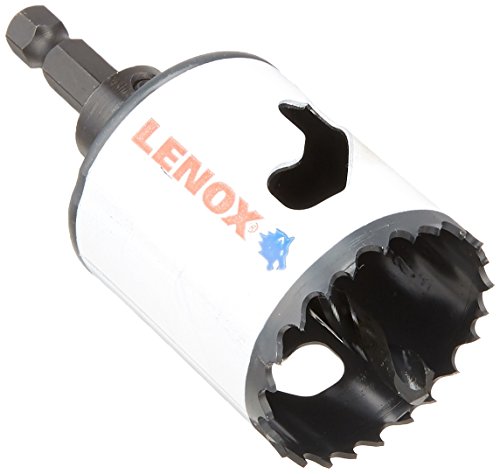
LENOX Speed Slot Hole Saw with Arbor, 1-3/4-Inch (1772933)
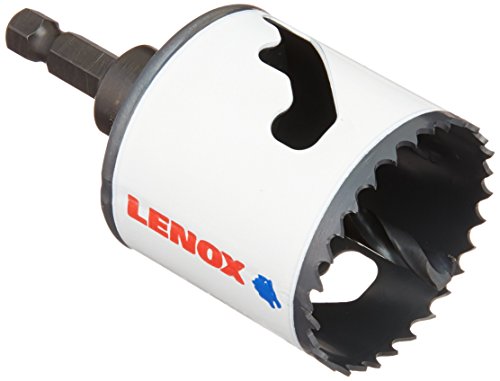
LENOX Speed Slot Hole Saw with Arbor, 2-Inch (1772779), Multi

LENOX Bi-Metal Speed Slot Hole Saw, 1-1/8-Inch (1772483)
A Breakdown Of The Leading Choices
The 2-1/4-inch size lands right where a lot of real work happens: recessed light rough-ins, vent penetrations, and larger pipe passes through joists. Lenox builds this cup from bi-metal construction, meaning a hardened tooth edge welded to a flexible steel body, so it bends under torque instead of shattering. That matters most when you’re leaning into a cordless drill at an awkward angle overhead.
Owners commonly report the thicker walls hold up through repeated metal cuts without losing teeth along the rim. Compared to the smaller 1-1/8-inch model later in this list, you’ll feel more drag in dense material, so a lower drill speed and steady pressure pay off.
A Few Strong Suits
- Bi-metal body resists cracking when the bit binds mid-cut
- Thicker cutting walls mean fewer lost teeth over the tool’s life
- Larger, sharper teeth bite into steel faster than older designs
- Staircase-shaped Speed Slot lets you back a stuck plug out with a screwdriver in seconds
- Ships arbored, so it mounts to your drill immediately
Things To Consider
- Clearing chips from the wide cup takes a beat longer after deep cuts in softwood
- You may find it pulls hard on compact drills; steady trigger control helps
Key Specs
Who It Suits Best
Remodelers and electricians who regularly punch large holes in studs, joists, and thin steel will get the most out of this one.
A Better Fit Elsewhere
Door hardware installers working to a lockset spec should step down to the LENOX 2-1/8-inch model instead.
An eighth of an inch sounds trivial until you’re boring door bores, where that difference decides whether the latch fits cleanly. This is the classic lockset-and-deadbolt diameter, which makes it a fixture in any installer’s bag. Like its 2-1/4-inch sibling above, it uses the same bi-metal body and reinforced walls, just sized for finish carpentry rather than framing.
In a hollow-core interior door, the cut takes seconds; in solid hardwood doors, expect slower feed and occasional plug clearing. The Speed Slot earns its keep here, since a wedged plug in a finished door is the last thing anyone wants to fight.
What Makes Sense
- Matches the standard bore for residential locksets and deadbolts
- Tooth geometry starts cleanly in veneer without splintering the face, in most cases
- Reinforced walls reduce tooth loss when you hit hidden nails in old doors
- Arbored out of the box, no extra parts to buy
Small Caveats
- Too narrow for electrical box knockouts, so check your project list first
- Deep hardwood cuts can heat the cup; letting it cool protects the tooth edge
Right Fit For
Locksmiths, handyman services, and homeowners replacing door hardware benefit most from having this exact size on hand.
Swap It Out When
For bigger rough-in holes around pipes and vents, the LENOX 2-1/4-inch version covers more ground per pass.
This is the middle child of the lineup, and honestly the one that handles the widest range of odd jobs. At 1-3/4 inches it clears standard conduit and small-diameter pipe while staying light enough to control one-handed. The finer tooth pitch, four to five teeth per inch, trades raw aggression for smoother edges, which shows up immediately when you’re cutting finished plywood or thin-gauge steel.
Maximum cutting depth sits at 1-7/8 inches, enough for dimensional lumber but not for thick timbers. Against the 2-inch model next in line, this one gives up a little capacity and gains noticeably easier handling in tight cavities.
Real-World Strengths
- Fine 4/5 teeth-per-inch pitch leaves cleaner edges in sheet goods
- Lighter cup means less wrist fatigue during overhead runs
- 1-7/8-inch depth handles standard stud and joist thickness
- Speed Slot keeps plug removal quick between repeated holes
Points To Note
- Depth tops out below what thicker stock demands
- Some users report slower progress in heavy plate steel compared to dedicated metal-cutting cups
Feature Snapshot
Best Suited To
Electricians and low-voltage installers running cable and conduit through framed walls will reach for this size constantly.
Where A Sibling Pick Shines
Anyone needing a slightly wider opening for junction boxes should look at the LENOX 2-inch model further down.
Two inches is a quietly useful diameter: big enough for many drain stub-outs and cable pass-throughs, small enough to stay manageable in a handheld drill. It shares the same reinforced-wall bi-metal platform as the rest of this list, so durability expectations carry over unchanged. Where it differs from the 1-3/4-inch pick above is pure capacity, a quarter inch of extra clearance that saves a reaming pass on snug fittings.
For shop use, this tends to be the saw that lives mounted on the pegboard and comes down weekly. Keep an eye on chip buildup in green lumber, since wet fibers pack the gullets quickly.
Good Reasons To Consider
- Handles both wood and metal with the same tooth set
- Thicker walls resist distortion when the bit torques sideways
- Quick plug ejection keeps production drilling moving
Worth Noting
- Not the fastest choice for stainless or very hard alloys
- Arbor alignment matters; a bent pilot bit walks the hole off layout, as owners often mention
Whose Shelf It Belongs On
General contractors and serious DIYers building out a workshop want this versatile size within arm’s reach.
Another Choice May Suit
Finish-focused installers doing door bores will get more value from the LENOX 2-1/8-inch hardware-sized option.
The smallest saw here earns its place through sheer frequency of use. One and one-eighth inches covers Romex pass-throughs, small conduit, and faucet supply lines, tasks that come up on nearly every job site visit. Because the cup is narrow, it loads less aggressively on the drill, which makes it friendlier for lighter-duty drivers than the 2-1/4-inch flagship at the top of this list.
Same bi-metal DNA, same Speed Slot trick for popping out plugs. You may find the narrower throat clogs faster in damp wood, so a quick tap between holes keeps it cutting true.
The Case For It
- Ideal diameter for electrical cable and small pipe penetrations
- Gentler load suits compact and mid-tier drills
- Hardened teeth hold their edge through repeated metal work
- Easy plug removal between consecutive holes
A Few Limitations
- Too small for boxes and fixtures; pair it with a larger saw for full coverage
- Chip packing in wet lumber requires frequent clearing, based on commonly reported behavior
Core Details
Who Will Love This
Low-voltage techs and DIYers running wiring through studs and cabinets will wear this one out first.
Reach For A Different Pick When
Rough-in work calling for recessed lighting holes calls for the LENOX 2-1/4-inch model instead.
What To Weigh Before Choosing A Hole Saw
Match The Diameter To The Job First
Everything else follows from size. Measure the fitting, box, or fixture the hole must accept, then buy the closest saw, since an oversized hole can’t be undone. Electricians typically stack several diameters because conduit, cable, and fixture requirements rarely overlap.
Material Dictates Tooth Design
Bi-metal construction, a hardened cutting edge fused to a springy steel shell, handles wood, plastic, and thin metal alike. Coarse teeth rip through framing lumber quickly, while finer pitches leave cleaner edges in sheet goods and sheet steel. Cutting thick or hardened metal calls for slow drill speeds and cutting oil regardless of brand.
Drill Power And Setup Matter
Large-diameter hole saws demand real torque, so a compact driver may stall in dense stock. A sharp pilot bit centered in the arbor keeps the cut tracking your mark. Secure the workpiece firmly; a spinning cutoff is genuinely hazardous.
Think About Plug Removal
Features like Lenox’s staircase-shaped Speed Slot exist because wedged plugs waste time and invite damaged bits. Frequent-use users should weight this convenience heavily when comparing otherwise similar saws.
Key Considerations Across These Picks
Wrong Turns To Avoid
The most common mistake is buying a single diameter and forcing every job to fit it. Another trap: running a large saw at full drill speed, which burns the teeth and glazes the cut. Skipping the pilot-bit check leads to wandering holes that no amount of skill fixes afterward.
What The Higher Tier Buys
Thicker cutting walls and refined tooth geometry cost more to manufacture, and they translate directly into fewer lost teeth and longer service life. For occasional household use, a basic cup is fine. Trade professionals recoup the premium quickly through reduced replacement frequency and faster, cleaner cuts.
Frequently Asked Questions
What does “arbored” mean for a hole saw?
It means the saw ships with its arbor attached, the shaft assembly that connects the cup to your drill chuck. Non-arbored versions require purchasing that mandrel separately.
Can these hole saws cut through metal?
Yes, bi-metal teeth are designed for wood, plastic, and metal including thin steel. Use slow speeds and steady pressure for best results in metal.
Why does my hole saw keep getting plugged?
Wood chips wedge inside the cup as cutting depth increases, especially in soft or damp material. The Speed Slot design lets you lever the plug free without dismantling anything.
How do I stop a hole saw from wandering?
Start with the pilot bit at moderate speed until the teeth engage fully, then increase pressure. Clamping a scrap backing board behind the workpiece also reduces breakout tear-out.
Do I need a special drill for large diameters?
Larger cups pull harder, so a drill with solid torque and a side handle helps maintain control. Corded or high-torque cordless models handle 2-inch-plus saws more comfortably.
Bottom Line
All five picks here share the same durable bi-metal platform, so your decision really comes down to diameter and how often you’ll use it. Door hardware points to the 2-1/8-inch, electrical rough-ins favor the 1-3/4 and 1-1/8 sizes, and general framing work suits the 2-1/4. Start with the size your current project demands, then add others as new jobs appear. A well-chosen hole saw is a small purchase that pays off on every cut you make with it.