A stuck lug nut at the side of the road has a way of ruining an afternoon. The right impact wrench turns a two-hour fight into a five-minute job, whether you’re rotating tires in a home garage or pulling rusted suspension bolts on a weekend project. Below you’ll find five wrenches that cover the full range: budget-friendly air tools, a serious torque monster, a cordless kit for driveway work, and a compact angle unit built for tight spaces.
A Side-By-Side Look
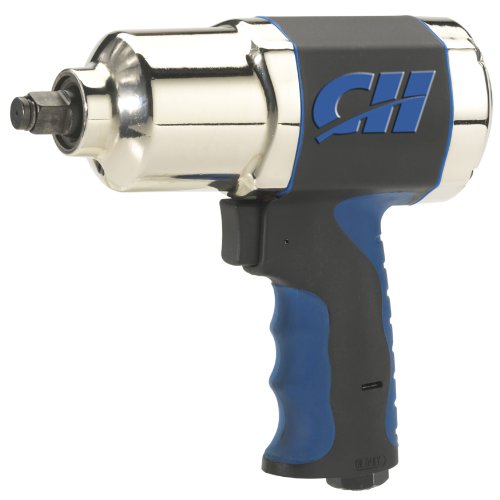
Campbell Hausfeld TL140200AV 1/2″ Air Impact Wrench
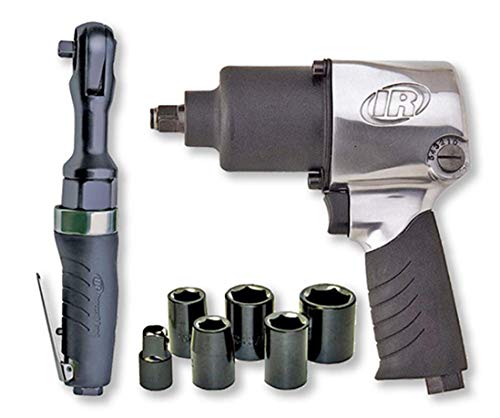
Ingersoll Rand 2317G Impact Wrench & Ratchet Kit

BESWELL BW-112BN 1/2″ Air Impact Wrench

AOBEN Cordless Impact Wrench Kit with Battery
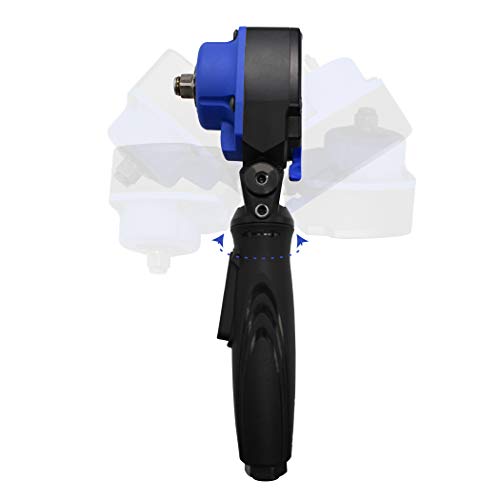
Astro Tool 1834 Nano Flex-Head Angle Impact Wrench
What Each Pick Brings To The Table
This is the wrench most people should start with. A twin hammer mechanism, which strikes the anvil twice per rotation to smooth out power delivery, gives it up to 550 ft-lbs of torque while keeping vibration down to something your wrists can tolerate through a full brake job.
The soft comfort grip matters more than it sounds on paper. Anyone who’s spent forty minutes under a car knows hand fatigue is real, and Campbell Hausfeld positions this squarely as a general-purpose DIY tool rather than commercial equipment.
Points In Its Favor
- Twin hammer design reduces vibration during long sessions
- 550 ft-lbs handles lug nuts and most automotive fasteners
- Soft grip cuts down hand fatigue in awkward positions
- Straightforward operation suits first-time air tool owners
Small Caveats
- Not rated for assembly line or continuous commercial duty
- Air-powered, so a compressor with adequate CFM is a must-have purchase
The Key Facts
Who Should Grab It
Weekend DIYers doing their own oil changes, brake pads, and tire rotations who want dependable power without professional-tool pricing.
Where A Sibling Pick Shines
Shoppers wanting a complete setup out of the box will find the Ingersoll Rand 2317G kit more useful, since it bundles a ratchet and sockets alongside the wrench.
Ingersoll Rand builds some of the most respected air tools in the industry, and this Edge Series combo shows why. You get the 231G half-inch impact wrench delivering around 500 ft-lbs through its twin hammer mechanism, plus a 170G three-eighths-inch ratchet for fasteners where an impact gun is overkill.
The six-vane motor behind the 231G is the kind of component detail that separates durable tools from disposable ones. Everything ships in a blow-molded case with a socket set included, so your first job doesn’t wait on another shopping trip.
The Upside
- Two complementary tools cover both heavy loosening and fine ratcheting
- Durable six-vane motor built for repeated shop use
- Blow-molded case keeps sockets organized between jobs
- Brand reputation backed by decades of pneumatic tool experience
Things To Weigh Up
- Requires a compressor running nearby, limiting portability
- 500 ft-lbs trails the BESWELL BW-112BN for truly seized hardware
- Combo kits add cost versus buying a single bare wrench
The Right Fit
Home mechanics building their first serious air tool collection who value brand pedigree and want two tools instead of one.
Swap It Out When
Anyone working exclusively on stubborn truck axles should step up to the BESWELL BW-112BN, whose 1180 ft-lbs rating dwarfs what this kit delivers.
Some bolts simply refuse to move, and that’s where the BW-112BN earns its spot here. With up to 1180 ft-lbs of nut-busting torque, it attacks rusted or over-tightened fasteners that would stall lesser wrenches, making it a natural fit for heavy-duty truck maintenance and industrial tasks.
Nut-busting torque refers to the maximum force available to crack a frozen fastener loose, and it’s typically higher than the tool’s forward tightening number. Despite that output, the twin hammer mechanism keeps vibration manageable, and the lightweight body helps when you’re holding the tool overhead along a frame rail.
Everyday Advantages
- 1180 ft-lbs breaks loose seized bolts other wrenches can’t touch
- Twin hammer action delivers strong blows with reduced vibration
- Featherweight build reduces strain during overhead work
- Suits commercial-grade jobs like fleet and agricultural repair
Potential Sticking Points
- Demands a high-output compressor to reach full torque potential
- More power than typical passenger-car jobs require
- Owners commonly report air tools need regular inline oiling to protect the motor
Quick Technical Notes
Built With In Mind
Truck owners, farm operators, and shop technicians who regularly face corroded fasteners and need maximum breakaway force on demand.
Not Your Match When
Casual users changing tires occasionally would be better served by the cordless AOBEN kit, which skips the compressor entirely.
Every other pick on this list needs an air compressor humming beside you. This one doesn’t. The AOBEN runs on a 4.0Ah battery, which means roadside tire changes, driveway brake jobs, and yard-trailer repairs happen wherever the vehicle sits, not wherever your compressor reaches.
The numbers hold up well for a cordless unit: 600 N.m (about 450 ft-lbs) of forward torque, with even higher output in reverse for breaking nuts free. An LED light illuminates dark wheel wells, and the compact head squeezes into spaces where bulkier guns won’t fit.
Standout Benefits
- Runs anywhere thanks to battery power, no compressor needed
- 450 ft-lbs forward torque covers car, RV, and trailer tires
- LED light brightens dim undercarriage corners
- Kits includes charger, six sockets, and a storage case
- Brushless motor design tends to run cooler and last longer
Honest Caveats
- Battery runtime depends on charge level before big jobs
- Heavier than comparable air wrenches in prolonged use
Who Will Love This
Commuters and RV owners who want tire-changing capability in the trunk, plus DIYers without compressor access.
Reach For A Different Pick When
Shop-bound users already owning a good compressor get better sustained power from the Astro Tool 1834 angle wrench.
Standard impact wrenches are useless when the bolt sits behind a control arm or inside a wheel well. At just 3.34 inches long, this Astro nano reaches those spots, and its flex head pivots through 180 degrees while the handle swivels a full 360 for whatever angle the job demands.
The dual air intake motor paired with a twin hammer mechanism pushes around 400 ft-lbs, respectable output for something this small. Brake caliper brackets, suspension components, and engine-bay fasteners are exactly the work it was designed around.
What Earns Its Place
- 3.34-inch length accesses tight recessed fasteners
- Flex head adjusts tension across a 180-degree range
- 360-degree swivel handle adapts to any working position
- 400 ft-lbs output is strong for a compact body
- Dual intake motor boosts power in a small package
Room For Improvement
- Lower torque ceiling than full-size picks like the BESWELL
- Specialized shape makes it a second tool rather than a sole wrench
At A Glance
Whose Shelf It Belongs On
Brake specialists and experienced DIYers who already own a main impact gun and need access where bigger tools fail.
Consider Something Else When
First-time tool buyers should start with the Campbell Hausfeld TL140200AV, whose straightforward full-size design teaches the basics better.
Factors To Consider When Choosing Impact Air Wrenches
Torque And Your Actual Jobs
Torque, measured in foot-pounds, determines how much twisting force the tool applies. Passenger-car lug nuts typically need far less than rusted truck axle bolts, so match the rating to your workload. A 550 ft-lbs wrench covers most home automotive tasks comfortably, while seized commercial hardware calls for four-digit ratings like the BESWELL offers.
Air Versus Cordless
Pneumatic wrenches deliver consistent power indefinitely but tether you to a compressor, and the compressor itself needs adequate CFM output to keep up. Cordless models trade some sustained performance for total freedom of location. Roadside work demands battery; a dedicated garage bay favors air.
Mechanism And Comfort
Twin hammer mechanisms strike twice per rotation, smoothing power delivery and reducing vibration compared to single-hammer designs. Over a long brake job, that difference shows up directly in how your hands feel afterward. Grip material and tool weight matter just as much for overhead or extended use.
Kit Contents
Bare tools cost less upfront, but combos like the Ingersoll Rand 2317G bundle sockets, cases, and secondary tools that round out a workshop faster than buying piece by piece.
Key Considerations Across These Picks
Traps First Timers Fall Into
The most common mistake is buying a wrench your compressor can’t feed. An underpowered compressor starves the motor and delivers a fraction of the advertised torque, then gets blamed for poor performance. Check your compressor’s CFM rating against the tool’s requirements before committing. Another frequent error is overspending on industrial torque for occasional tire rotations.
When Paying More Pays Off
Higher-tier models earn their price through motor durability, refined mechanisms, and consistent output under load. Professional users running a wrench daily recover that cost quickly through reliability. Occasional home users, though, rarely notice the difference between a mid-range tool and a premium one, so spending up only makes sense when usage frequency justifies it.
Frequently Asked Questions
Do I need a special compressor for these wrenches?
Most half-inch impact wrenches perform best with a compressor supplying steady airflow at standard shop pressure. Check the tool’s listed air consumption and compare it against your compressor’s output before purchasing.
Can a cordless model really replace an air wrench?
For tire changes and general automotive work, modern cordless units handle nearly everything a homeowner encounters. Heavy commercial shops still prefer air tools for all-day sustained use.
What does “twin hammer” actually mean?
It describes an internal mechanism where two hammers strike the anvil twice per rotation. The result is smoother power delivery and noticeably less vibration in your hands.
How do I maintain an air impact wrench?
Add a few drops of pneumatic tool oil into the air inlet before each session. Owners commonly report that consistent oiling is the single biggest factor in long tool life.
Is higher torque always better?
No. Excess torque can snap smaller fasteners or damage threads when used carelessly. Match the tool’s rating to your typical jobs rather than chasing the biggest number.
Bottom Line
Match the wrench to the work, not the spec sheet. Home garages run happily on the Campbell Hausfeld or the Ingersoll Rand kit, while seized truck bolts demand the BESWELL’s muscle. Cordless freedom points to the AOBEN, and cramped engine bays belong to the Astro. Start honest about your projects, and any of these five will serve you well for years.