


Anyone who has tried hanging a TV mount or anchoring a fence post into a slab knows the drill: a regular driver spins and stalls while the bit just polishes the surface. Concrete demands percussion, and choosing between a corded hammer drill, a cordless kit, or a true rotary hammer changes how fast that job gets done. This roundup covers five options, including one bit set that ties everything together. Whether you’re a weekend DIYer drilling anchor holes or a contractor chipping out old mortar, there’s a fit here for your workload.
The Essentials At A Glance
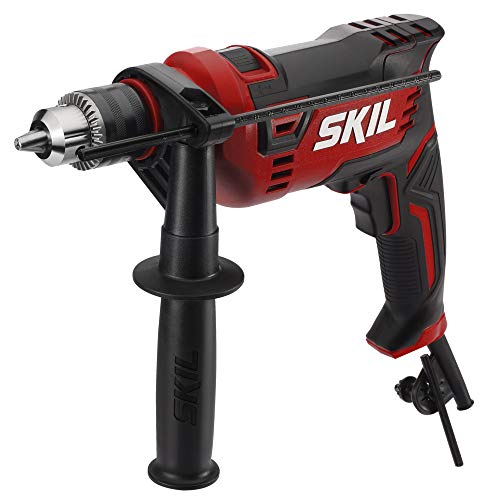
SKIL 7.5-Amp Corded Hammer Drill (HD182001)

DCK 20V Brushless Hammer Drill Kit

BOSCH RH328VC 8.0 Amp SDS-plus Rotary Hammer

WildBossy Carbide Masonry Drill Bit Set, 10PCS

BOSCH 1191VSRK 7.0 Amp Hammer Drill
Inside Each Recommended Option
Corded power still wins when you’re anchored to a garage or jobsite outlet all afternoon, and this SKIL leans into that with a 7.5-amp motor driving up to 48,000 blows per minute. That percussion rate matters because faster hammering means quicker progress through poured slabs and brick without burning out the motor.
The two-finger variable-speed trigger runs from zero to 3,000 RPM, and a lock-on switch keeps it humming during long anchor runs so your hand doesn’t cramp halfway through a row of holes. A side-assist handle gives you somewhere to brace against torque, which you’ll appreciate the first time a bit catches rebar.
Where It Helps
- 48,000 BPM hammer action chews through masonry noticeably faster than standard drills
- Lock-on trigger reduces hand fatigue during long drilling sessions
- Heavy-duty keyed chuck accepts large-diameter bits for wood and cutting work
- No batteries to charge, so it’s ready whenever an outlet is
Honest Caveats
- The keyed chuck means carrying a chuck key and losing drilling time when swapping bits
- Cord length limits reach, so extension cords become part of the routine outdoors
The Details
Who It Suits Best
Homeowners tackling occasional slab, brick, or block projects who want serious percussion without paying rotary-hammer prices.
Another Choice May Suit
Shoppers who want battery freedom across mixed materials will get more everyday flexibility from the DCK 20V Brushless Hammer Drill Kit.
Where the SKIL above ties you to a wall socket, this DCK runs on a 4.0Ah battery, which changes the whole rhythm of a project. Drilling a dozen anchor holes across a backyard fence line becomes a ten-minute job instead of an extension-cord puzzle. The brushless motor is the headline here: no carbon brushes means less friction, less wear, and more runtime per charge than brushed equivalents.
With 531 in.lbs of torque and 36,000 BPM of hammering, it handles brick walls, metal, and wood in one tool. The 22+1+1 clutch gives fine control over driving depth, useful when setting screws into soft framing after the masonry work is done. As a complete kit with battery included, it’s a sensible single purchase rather than a platform commitment.
Advantages To Know
- Brushless motor extends runtime and tool lifespan compared with brushed designs
- 531 in.lbs torque covers brick, metal, and wood without swapping tools
- All-metal keyless chuck speeds up bit changes mid-project
- 4.0Ah battery ships in the box, so the tool works on day one
- 22+1+1 clutch settings protect screw heads and work surfaces from overtightening
Things To Consider
- Hammer rate trails the SKIL’s 48,000 BPM, so deep concrete drilling goes slower
- Owners commonly report battery life drops over years of heavy cycles, so a spare pack is worth budgeting
Right Fit For
DIYers juggling mixed-material projects who want one cordless tool for driving, drilling, and light masonry.
A Better Fit Elsewhere
Dedicated concrete pros putting in hours on slabs daily should step up to the BOSCH RH328VC rotary hammer instead.
This is the tool the other two drills are imitating. A rotary hammer differs from a hammer drill in one key way: instead of the chuck bouncing against the material, an internal piston drives the bit itself, delivering 2.4 ft-lbs of impact energy. On poured concrete, that difference shows up immediately as dramatically faster hole-making with far less effort from your arms.
The SDS-plus system deserves a quick explanation: bits lock into slotted shanks that slide back and forth inside the chuck, transferring energy efficiently and releasing with a twist. Bosch pairs that with Vibration Control in both the mechanism and grip, which matters enormously once you’ve spent an hour overhead mounting conduit. A multifunction selector adds rotation-only and hammer-only modes, plus Vario-Lock positioning for angled chiseling.
Well-Handled Touches
- 2.4 ft-lbs impact energy makes short work of thick poured concrete
- Vibration Control reduces fatigue during extended overhead or horizontal runs
- Three operating modes cover drilling, chipping, and plain rotation
- Vario-Lock with reversing lets you angle chisel bits precisely for channel work
- SDS-plus accepts bits up to 1-1/8 inches for large anchor holes
Small Limitations
- Requires separate SDS-plus bit purchases, since round-shank bits won’t fit
- Heavier build than the compact BOSCH 1191VSRK, which some users notice on ladder work
Core Features
Who Will Love This
Contractors and serious renovators who drill into structural concrete weekly and need speed plus vibration relief.
Reach For A Different Pick When
Light-duty users drilling a few small anchor holes a year will find the WildBossy bit set paired with any existing drill more practical.
A powerful drill without the right bits is just an expensive paperweight, and this WildBossy set fills that gap cheaply. Ten sizes run from 5/32 inch up to 1/2 inch, which covers nearly every wall-anchor, shelf-bracket, and bathroom-fixture scenario a household generates. The hex shank design locks into quick-change chucks without slipping, a small detail that saves real frustration.
Carbide tips are the working end here, and they’re what let these bits bite into concrete, brick, cement board, ceramic tile, glass, and plastic. One honest note: carbide tips can chip if you hammer-drill through tile aggressively, so ease off the percussion mode on brittle surfaces. At this size range and price tier, it’s the kind of set worth tossing in a drawer before you need it.
Bright Spots
- Ten graduated sizes handle anchors, screws, shelves, and hardware installs
- Carbide tips cut concrete, brick, tile, glass, and plastic from one set
- Hex shanks grip quick-change chucks firmly during high-torque drilling
- Covers common home repair needs without buying individual bits piecemeal
Worth Noting
- Carbide tips may chip on hard tile unless used gently in rotation-only mode
- Round-shank compatibility varies by chuck, so verify your drill’s capacity
Made For
First-time homeowners assembling a starter toolkit who need reliable masonry coverage at a modest cost.
Skip It When
Users running an SDS-plus rotary hammer like the BOSCH RH328VC need SDS-shank bits instead, not hex-shank sets like this one.
Bosch built this one around a simple idea: for small-diameter drilling, weight matters more than raw muscle. The 7-amp motor delivers a strong performance-to-weight ratio in its class, which you’ll feel within minutes on ceiling-mounted smoke detector brackets or wall anchors held overhead. Compared to the heavier SKIL earlier in this list, fatigue sets in noticeably later here.
The 360-degree auxiliary handle is the standout ergonomic touch. Rotate it anywhere around the collar to brace against torque from any body position, and the built-in quick-release depth gauge keeps hole depths consistent without measuring each one. A two-mode selector flips between rotation-only for wood and metal, and hammer mode for masonry, making this a genuinely versatile single-tool answer for renovation punch lists.
Real Benefits
- Lightweight body suits small-diameter and overhead drilling work
- 360-degree auxiliary handle braces safely from any angle
- Quick-release depth gauge ensures consistent hole depth across repeated holes
- Two-mode selector switches cleanly between wood, metal, and masonry tasks
Points To Note
- Lower amp rating limits deep-hole performance versus the RH328VC rotary hammer
- Some listings show limited accessory imagery, so confirm case contents before ordering
Quick Technical Notes
The Right Fit
Remodelers and installers doing frequent light-anchor and fixture work who value low weight and precise depth control.
Swap It Out When
Deep structural concrete holes call for the BOSCH RH328VC, whose piston-driven impact outclasses any hammer drill.
What Matters Most Before Choosing Impact Drills For Concrete
Match The Tool To The Material
Hammer drills use a cam mechanism that pulses the bit forward thousands of times per minute, ideal for brick, block, and thin slabs. Rotary hammers use a piston to deliver far greater force per blow, which is what thick poured concrete actually demands. Buying the lighter tool for heavy material is the most common mismatch in this category.
Corded Versus Cordless Trade Offs
Corded models like the SKIL and both Bosch units never lose power mid-hole and cost less upfront. Cordless options such as the DCK trade some sustained output for freedom of movement, which pays off across large properties or ladders where cords tangle and snag.
Ergonomics Decide Long Sessions
Side handles, vibration control, and lock-on triggers sound minor until your forearms are shaking forty minutes into a deck ledger install. Weight distribution near the motor housing also affects balance on overhead work, so check handle placement before committing.
Don’t Forget The Bits
Your chuck type dictates everything: keyed and keyless chucks take round or hex shanks, while SDS-plus systems require their own bit family. Budget for quality carbide bits alongside the tool itself, or performance suffers regardless of motor size.
Key Considerations Across These Picks
Traps First Timers Fall Into
The biggest mistake is buying a rotary hammer for occasional picture-frame anchors, then discovering it’s overkill and awkward. The reverse error hurts too: bringing a basic hammer drill to a basement slab job and watching it stall. Check your chuck type before ordering bits, since hex and SDS-plus shanks aren’t interchangeable.
The Case For Spending Up
Higher-tier tools earn their price through vibration control, piston-driven impact mechanisms, and motors rated for continuous duty. Those features translate directly into faster holes and less physical toll across a long day. Occasional users rarely recoup that investment, while anyone billing by the hour usually does.
Frequently Asked Questions
Can a hammer drill really drill through poured concrete?
Yes, hammer drills handle concrete slabs and foundations well for anchor-sized holes, typically up to about half an inch. Thicker structural pours go much faster with a rotary hammer.
What’s the difference between SDS-plus and standard bits?
SDS-plus bits have grooved shanks that slide inside a specialized chuck, allowing the piston-driven hammering rotary hammers rely on. Standard round or hex shanks only fit conventional chucks.
Do I need a hammer drill for brick?
Brick and cinder block respond well to hammer action, cutting drilling time significantly versus rotation alone. Softer aged brick sometimes drills fine without percussion, though.
How long do masonry drill bits last?
Carbide-tipped bits commonly survive dozens of holes in average concrete before dulling. Hitting rebar or aggregate hardens the wear considerably, so keep spares handy.
Is a corded or cordless hammer drill better for beginners?
Corded models remove battery management from the learning curve and cost less, making them forgiving starter tools. Cordless kits suit beginners planning varied projects beyond masonry.
Bottom Line
Picking among these comes down to honest self-assessment about your workload. Weekend anchor holes pair nicely with the SKIL or the lightweight Bosch, while the DCK covers mixed-material homes in one cordless package. Professionals pouring hours into slabs won’t regret the RH328VC, and nobody should skip decent bits. Match the tool to the concrete you actually face, and the rest falls into place.




