


Small sanding and polishing jobs ask for control more than brute force. In a garage, craft room, or detailing bay, you want a tool that fits tight spaces, handles curves cleanly, and doesn’t turn a careful pass into a messy one. That’s the point of this roundup: helping you separate mini polishers, corded sanders, cordless kits, and hand blocks by the jobs they actually suit.
You’ll also see where each pick draws its line. Some are better for finish work on cars, some suit flat wood panels, and one or two make more sense as supporting tools than standalone sanders. The honest read is that the right match depends on your surface, your pace, and how often you reach for the tool.
Quick Look At Our Shortlist

SPTA Mini Orbital Polisher 3 Inch 10mm/780W Dual Action
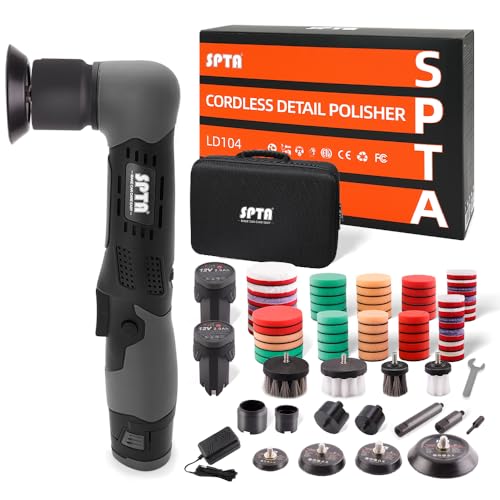
SPTA Cordless Mini Polisher 12V RO/DA Mini Auto Machine

MAXXT Electric 5mm Random Orbital Sander Brushless 350W

Tockrop 2 Pack 3 Round Hand Sanding Blocks

DCK Random Orbital Sander 3.0 AMP Corded Palm Sander 5-Inch

BATOCA S5 Cordless Car Buffer Polisher Kit 1 Inch 3 Inch Dual Action

ZOTA Mini Polisher 2-inch 3inch Car Buffer Polisher 8mm Random Orbital

16.8V Cordless Electric Sander 36PCS Sandpapers 3500 RPM

PROSHI 2-inch 3-inch Dual Action Mini Air Sander Random Orbital
More Details On Our Top Picks
That 10mm orbit gives you a little more travel than a flatter, tighter machine, which helps on curved panels and tight detailing work. The 780W corded motor also suits longer sessions in a garage, where steady power matters more than mobility.
You may find it especially useful for paint correction, small bodywork areas, and sanding discs that need controlled contact. Compared with the hand blocks below, it clearly serves faster coverage, though it still asks you to stay attentive around edges and delicate trim.
Strong Points
- 10mm motion helps the pad move smoothly across shaped surfaces.
- 780W corded power supports longer work without battery concern.
- Useful for sanding and polishing in one compact tool.
- Better reach for car corners than a full-size orbital sander.
- Fits detail-oriented garage work where control matters.
Things To Consider
- Corded use limits movement around larger vehicles or outdoor jobs.
- Mini polishers still need careful pad control near edges.
- Pad and disc upkeep matters, especially after dusty work.
Feature Snapshot
Who It Suits Best
You’ll like this most for car detailing, small body repairs, and hands-on garage work that needs controlled orbital motion.
A Better Fit Elsewhere
The ZOTA Mini Polisher fits tighter trim work better, especially for detailers who want a smaller 2-inch or 3-inch setup with more reach into confined areas.
Cordless convenience changes the feel of a mini polisher fast, especially around driveway touch-ups or work where outlets are awkward. The 12V setup fits quick polishing, sanding, and cleaning tasks without the drag of a cable under your arm.
Compared with the corded SPTA above, this one makes more sense for mobile use than long shop sessions. The trade-off is plain: you gain freedom, but you also give up the steady plug-in rhythm that some garage users prefer.
Upsides
- Cordless format keeps movement easy around a vehicle.
- Useful for polishing, sanding, and light cleaning tasks.
- Works well for quick jobs between longer detailing sessions.
- Smaller body can be easier to store in a trunk or kit.
Room For Improvement
- Battery-based tools need planning around charge time and runtime.
- Not as straightforward for long, uninterrupted sessions as a corded model.
- Mini format still calls for careful pad placement on edges.
Core Details
Who Will Love This
This suits mobile detailers, garage owners who hate cord clutter, and car-care routines that happen in short bursts.
Skip It When
The MAXXT corded sander is the cleaner match for workshop sanding on flat wood or panel surfaces, since it’s built around powered sanding rather than portable detailing.
The brushless motor is the headliner here, and that matters because brushless designs usually waste less energy as heat and can feel smoother in use. For woodworking, cabinet prep, and broad flat surfaces, the 5mm orbit is a sensible middle ground between aggressive removal and clean finish work.
Compared with the mini polishers above, this MAXXT is less about car detailing and more about general sanding. The 6-inch pad also covers more material per pass, though that larger footprint can feel a bit much on tiny curves or narrow trim.
Reasons To Buy
- Brushless motor suits longer workshop use.
- 5mm orbit offers a balanced sanding pattern.
- 6-inch pad covers broad surfaces efficiently.
- Includes sanding papers, which helps you start sooner.
- Fits woodworking jobs better than mini detail polishers.
Points To Note
- More tool than you need for tiny auto trim spots.
- Larger pad size can feel awkward on tight curves.
- Dust management still depends on your setup and cleanup habits.
Technical Sheet
Built With In Mind
This fits woodworkers, furniture refinishers, and home renovators who spend more time on flat surfaces than on tight automotive detailing.
Look Elsewhere When
The Tockrop hand sanding blocks make more sense for tiny restoration touch-ups, especially where you want hand pressure rather than powered action.
Hand sanding blocks look simple, and that’s exactly why they still matter. For furniture restoration, arts and crafts, or other small repair jobs, a 3-inch block gives you direct pressure and a steadier feel than a powered tool can always offer.
Compared with the MAXXT, this is the quieter, slower choice, but not a lesser one for delicate work. You may find it especially handy for controlled refinishing where you want to feel the surface through the block instead of letting a motor do the steering.
Best Bits
- Direct hand control helps on small restoration areas.
- Works with 3-inch hook-and-loop discs.
- Simple two-pack setup suits home tool drawers.
- Good companion for detail work before machine sanding.
Softer Spots
- Slower than powered sanders for larger panels.
- Best for light, controlled work rather than heavy removal.
- Hand pressure can feel tiring on longer jobs.
Details At A Glance
Whose Shelf It Belongs On
This suits hobbyists, furniture refinishers, and anyone who wants a basic hand tool for small sanding fixes.
Where A Sibling Pick Shines
The DCK random orbital sander is the stronger fit for flatter cabinet or table work, where powered sanding saves a lot of time.
The DCK leans toward steady, mainstream sanding, and that’s useful for furniture, cabinets, and flat wood surfaces. Its 3.0 AMP motor and six speed settings give you room to slow things down for finish work or open them up for faster shaping.
Compared with the MAXXT, this one is a little more straightforward and a bit less specialized. The included dust bag and low-vibration design should appeal to anyone doing long sessions in a home shop, though it’s not the tool for drywall or rough plaster.
Highlights
- Six speed settings help match the task.
- Low-vibration design should feel easier during longer sanding passes.
- 5-inch pad suits common furniture and cabinet work.
- Dust bag adds a basic cleanup advantage.
- Includes sandpapers, so you can get started sooner.
Areas To Watch
- Not intended for textured walls like drywall or plaster.
- Flat-surface focus limits how useful it feels on curves.
- Dust bag helps, though it won’t replace a fuller extraction setup.
Quick Facts
Who Should Grab It
This suits home woodworkers, furniture refinishers, and anyone wanting a corded sander for flat panels and shelves.
Another Choice May Suit
The BATOCA S5 is the better route for car detailing and mixed polishing tasks, especially when you want interchangeable pad sizes and cordless freedom.
The BATOCA S5 stands out because it gives you both 1-inch and 3-inch capability in one cordless kit, which makes it more flexible than the smaller SPTA mini polisher. That range matters for car detailing, boat polish work, and spot correction around badges, handles, and tighter body panels.
Two 2.0Ah batteries are part of the appeal, especially for mobile jobs where a charger might sit far from the work area. The trade-off is that a more complex kit asks for more organization, so storage and battery rotation become part of the routine.
Positives
- Two pad sizes widen the job range.
- Cordless design keeps movement easy around vehicles.
- Two batteries help reduce downtime between sessions.
- Six speed settings support more controlled polishing.
- Useful for both car and boat detailing.
Small Caveats
- More accessories mean more pieces to store and keep track of.
- Cordless format needs battery management for longer workdays.
- Small polishing heads still demand careful edge work.
Feature Rundown
The Right Fit
This suits detailers, weekend car-care enthusiasts, and anyone who wants a flexible cordless machine for mixed polishing tasks.
Where Shoppers Go Wrong
The DCK random orbital sander is better for flat woodworking jobs, since it’s built around sanding panels rather than automotive polishing.
The ZOTA stays focused on tight automotive work, and its 2-inch to 3-inch format makes that clear right away. The 8mm random orbital action should suit detailers who want a bit more movement than a fixed-spot mini tool, especially around emblems, mirrors, and narrow body lines.
Compared with the BATOCA S5, this one looks simpler and more compact, which can be useful in a small kit. The trade-off is less flexibility in pad size and fewer signs of a broad multi-task setup, so it feels more specialized.
Bright Spots
- Small form factor helps with cramped detailing areas.
- 2-inch and 3-inch setup suits precision polishing.
- 8mm orbit supports smooth small-area motion.
- Variable speed control gives you more task matching.
Worth Noting
- Best suited to detail jobs, not broad sanding coverage.
- Smaller pad size can mean slower progress on open panels.
- Accessory care matters because compact pads wear faster with heavy use.
Core Details
Perfect Match For
This suits car detailers, motorcycle owners, and hands-on hobbyists who spend time on trim and tight body panels.
Swap It Out When
The MAXXT electric random orbital sander is the better fit for wider wood or furniture surfaces, where larger pad coverage matters more than tight reach.
This Vkndoynt sander leans into portability, and that’s useful for quick sanding jobs in a garage, workshop, or apartment repair corner. The 16.8V cordless setup and 3.0Ah battery give it a practical balance for routine touch-ups on wood, metal, and paint prep.
Compared with the corded DCK, this one is easier to move around, though it usually makes more sense for shorter jobs. The 36-piece sandpaper bundle is a nice starting point, but storage and grit organization become part of ownership right away.
What We Like
- Cordless design keeps setup quick and mobile.
- 3.0Ah battery supports everyday use patterns.
- Included sandpapers help cover multiple prep stages.
- Works across wood, metal, and paint removal tasks.
Minor Gripes
- Battery tools ask you to plan charging between jobs.
- Compact size is better for touch-ups than big panels.
- Extra sandpaper pieces need sorting to stay organized.
Feature Card
Best Suited To
This suits DIYers, apartment workshop setups, and anyone who wants a compact cordless sander for light renovation jobs.
Reach For A Different Pick When
The BATOCA S5 is a stronger fit for automotive detailing, especially when you want dual pad sizes and a more polishing-focused setup.
Pneumatic tools bring a different feel, and this PROSHI kit is built for anyone already set up around an air system. The 2-inch and 3-inch pads make it suitable for auto body work, wood, metal, and furniture polishing where a compact air tool is easier to manage than a larger electric setup.
Compared with the cordless BATOCA and SPTA models, this one belongs more in a workshop that already has compressed air on hand. The trade-off is obvious, though not a problem for the right setup: you gain a lean air-powered tool, but you also need the compressor side of the equation.
Strong Points
- Air-powered design fits established workshop systems.
- 2-inch and 3-inch pads support detail work.
- Works across auto body, wood, metal, and furniture tasks.
- Compact head can feel easier to guide in small spaces.
Honest Caveats
- Needs an air setup, which adds to the overall workspace gear.
- Best value shows up in shops that already use pneumatic tools.
- Mini format still rewards patient pad control near edges.
Feature Rundown
Who It Belongs On
This suits body shops, air-tool users, and workshop setups that already rely on pneumatic equipment.
Where Shoppers Go Wrong
The SPTA cordless mini polisher is the easier route for mobile detailing, since it skips the compressor requirement and travels more cleanly.
How To Choose The Right 3 Inch Orbital Sanders
Match Pad Size To The Surface
A 3-inch head is about control, not coverage. It works well on car trim, curved panels, furniture edges, and small repair zones where a larger pad would wander or hit surrounding details.
That smaller footprint also means slower progress on broad panels, so your surface size should drive the choice. For cabinets and tabletops, a 5-inch or 6-inch sander often makes more sense, while the 3-inch format shines in precision work.
Decide Between Corded, Cordless, And Air Power
Corded tools suit longer sessions in a garage or shop because you never manage a battery pack. Cordless options make more sense for driveway work, quick touch-ups, and jobs where a cord would tangle around the project.
Air-powered models belong in spaces that already run a compressor. That setup adds reach and a certain workshop feel, but it’s not the easiest path for a beginner with a single workbench.
Think About Orbit Size And Motion Style
Orbit size affects how the pad travels. A 10mm orbit moves more broadly than an 8mm head, while a 5mm random orbit leans toward more even sanding on flatter surfaces.
Dual action, often shortened to DA, combines rotation and orbital movement. That mix helps reduce harsh marks on finish work, though it still asks for careful technique around edges, decals, and trim.
Plan For Accessory Use And Cleanup
Mini sanders and polishers often work best when the pad, disc, and grit changes stay organized. Kits that include sanding papers or multiple pads give you a better starting point, but they also create more pieces to store cleanly.
Dust collection matters too, especially in home shops. A dust bag helps, though a neater workspace still depends on your own cleanup routine and how dusty the material is.
Things Worth Knowing First
Common Shopping Slip Ups
A lot of frustration starts with the wrong surface match. A detail-oriented 3-inch tool handles corners and contours, but it slows down fast on wide boards or big flat panels.
Another common miss is treating all mini tools as interchangeable. A cordless polisher, a corded random orbital sander, and a pneumatic mini sander each solve a different job, even though they look related at a glance.
The Case For Spending Up
Higher-tier models usually justify themselves through motor quality, speed control, and more useful accessory sets. Brushless motors, variable-speed tuning, and extra pad sizes all add flexibility for longer or more demanding work.
That extra spend starts to matter in regular workshop use, especially for car detailing shops and furniture refinishers. For a once-in-a-while weekend task, a simpler model or even a hand block can still be the smarter call.
Frequently Asked Questions
Are 3 Inch Orbital Sanders Good For Cars?
Yes, they fit trim, badges, curved panels, and other small areas that need control. They’re less useful for broad body panels, where larger pads move faster.
What’s The Difference Between Random Orbital And Dual Action?
Random orbital describes the pad’s movement path, while dual action adds rotation to that orbit. The result is a smoother, more controlled feel for finishing work.
Do Cordless Mini Polishers Have Enough Power?
They often handle light detailing and touch-up jobs well. For long sessions or heavier sanding, a corded or pneumatic tool usually feels steadier.
Can You Use A 3-Inch Sander On Wood Furniture?
Yes, especially for edges, corners, and detailed restoration work. For broad tabletops or cabinet faces, a larger pad usually covers more ground with less effort.
What Accessories Matter Most With Mini Sanders?
Pad quality, hook-and-loop backing, and a useful grit range matter most. Extra discs or included sanding papers also make the first few projects easier to manage.
Closing Thoughts
The best choice depends on what you touch most often. For car detailing, the SPTA and ZOTA models keep things precise, while the MAXXT and DCK make more sense for wood and panel sanding. If you want the simplest path, start with the surface, then choose the power style that fits your workspace and how you like to hold a tool. The right 3-inch sander should feel small in the hand and big enough for the job.




