


A compressor is the one tool that quietly powers everything else in a garage, from impact wrenches to paint guns. The problem most people run into is simple: tanks, CFM ratings, and voltage requirements get confusing fast, and picking wrong means a machine that starves your tools or hogs floor space you don’t have. This roundup sorts five solid options by real workshop needs, whether that’s a rolling 20-gallon unit for weekend projects or a stationary 60-gallon workhorse for daily shop use.
An Overview Of The Picks

Klutch 20-Gallon Air Compressor, 2 HP, 120V
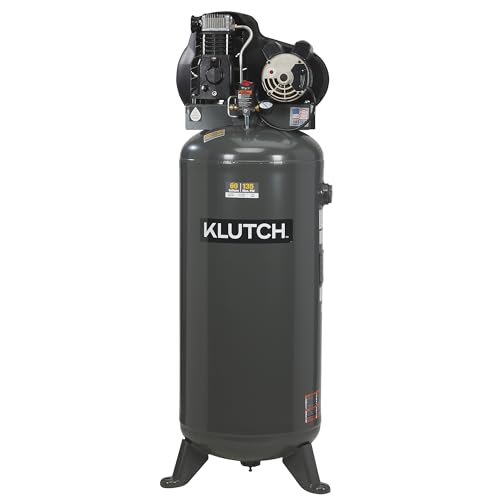
Klutch 60-Gallon Vertical Air Compressor, Single-Stage, 3.7 HP, 230V

Quincy Q13160VQ Single-Stage Air Compressor, 60-Gallon Vertical Tank
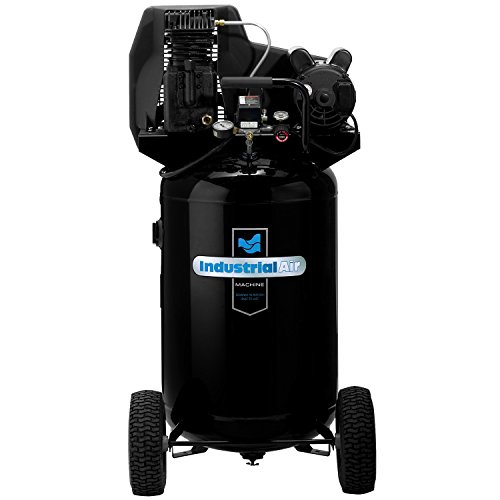
Industrial Air ILA1883054 30-Gallon Belt Driven Air Compressor

VEVOR Air Compressor, 15 Gallon Steel Tank, 2HP Oil Free
More On The Choices That Made The List
The vertical tank layout is the smart part of this Klutch. A 20-gallon footprint standing upright eats far less floor space than a horizontal equivalent, which matters in a one-car garage where every square foot counts. The oil-free pump means no dipstick checks, no oil changes, no stained concrete under the unit.
Running on standard 120V household power keeps installation simple: plug it in near an outlet and go. At 175 PSI maximum pressure with 4.2 SCFM delivered at 90 PSI, it handles nailers, staplers, and inflation chores without constant motor cycling. Weekend DIYers doing trim work or tire rotations will find the recovery speed generous for the price tier.
A Favorable Mix
- Oil-free pump eliminates routine lubrication, so maintenance drops to draining the tank occasionally
- Thermal overload protection guards the 2 HP motor during long spray or nailing sessions
- The 75% duty cycle gives you longer continuous runtime than many comparably sized portable units
- Large wheels make repositioning around a cluttered garage less of a wrestling match
- Easy-access tank drain valve encourages the regular moisture removal that prevents internal rust
Small Caveats
- At 4.2 SCFM, sustained high-draw tools like sanders will outpace the refill rate
- Owners commonly report oil-free pumps running louder than belt-driven alternatives over long sessions
Quick Facts
Who Should Grab It
Homeowners and hobbyists who want dependable air for trim carpentry and inflation without committing to a 240V circuit.
Where A Sibling Pick Shines
Shops running grinders or die grinders all day should step up to the Klutch 60-Gallon Vertical, whose higher output keeps pace with heavier tools.
This is the machine you buy once your tool list outgrows a portable unit. The 3.7 HP dual-induction motor pushes roughly 9.3 CFM at 90 PSI through a splash-lubricated cast iron twin-cylinder pump, enough airflow to run an impact wrench and keep working while the tank refills. Unlike the smaller Klutch 20-gallon earlier on this list, this one demands a 230V circuit, so plan the wiring before delivery day.
Ball bearing support on the pump’s balanced crankshaft points to smoother operation and less vibration wear over years of service. For a busy fabrication corner or auto repair bay, that durability math adds up quickly.
Everyday Perks
- Cast iron pump construction with stainless steel valves resists the heat cycling that wears cheaper aluminum pumps
- 9.3 CFM at 90 PSI supports continuous use of ratchets, impacts, and blow guns simultaneously
- The 60-gallon vertical tank delivers long tool runtime between compressor cycles, cutting motor starts dramatically
Things To Consider
- Requires dedicated 230V wiring, an electrician visit many first-time owners underestimate
- Splash lubrication means scheduled oil checks become part of your routine, unlike the oil-free VEVOR later in this list
Made For
Serious home mechanics and small commercial shops that run multiple pneumatic tools through full workdays.
Swap It Out When
Folks wanting similar capacity with quieter operation and lower RPM stress may prefer the Quincy Q13160VQ covered next.
Quincy has built industrial pumps for decades, and the Q13160VQ shows why the name carries weight. Its low-RPM design runs slower than typical single-stage compressors, which translates directly into less noise, less heat, and less wear per hour of operation. The cast iron cylinder, crankshaft, and valve plate are the parts that usually fail first on lesser machines; here they’re the heavy-duty foundation.
Rated at 3.5 HP on 220 volts with a 60-gallon vertical tank, it competes closely with the Klutch 60-gallon above. The difference is character: this Quincy trades some raw output for longevity and a calmer shop environment.
Well-Handled Touches
- Low RPM pump design reduces operating noise noticeably compared to faster-spinning competitors
- Higher CFM per horsepower squeezes more usable air from each motor revolution
- Compact vertical footprint fits against a wall in shops where space is tight
- Coverage plans are available that handle accidental damage and breakdowns at no added repair cost for parts, labor, and shipping
Worth Noting
- Oil-lubricated cast iron pumps need periodic oil level checks as part of normal ownership
- Single-stage construction caps pressure below what two-stage machines reach for high-demand blasting work
Key Specs
Right Fit For
Professionals and committed DIYers who value pump lifespan and quieter operation over maximum CFM figures.
Another Choice May Suit
Anyone needing portability between job sites will find the Industrial Air ILA1883054, up next, a far better match thanks to its wheeled tank.
The ILA1883054 occupies the middle ground this list needed: bigger reserve than the Klutch 20-gallon, yet still mobile on pre-attached pneumatic tires. Its cast iron twin-cylinder, oil-lubricated pump is belt driven, a setup that absorbs shock between motor and pump and tends to run cooler than direct-drive designs. Maximum pressure sits at 155 PSI, comfortably above the 90 PSI threshold most shop tools demand.
The dual-voltage motor arrives wired for a standard 120-volt outlet but can be converted for 240-volt service, a rare bit of future-proofing at this size. Growing shops appreciate not being locked into one electrical setup.
Positive Takeaways
- Dual-voltage motor converts from 120V to 240V, adapting as your shop’s power needs grow
- 155 PSI ceiling extends runtime for framing nailers and impact tools before refill cycles kick in
- Pneumatic tires roll across gravel driveways and uneven garage floors without dragging
- Heavy duty induction motor is built for repeated start-stop duty rather than occasional hobby use
Honest Caveats
- Ships with synthetic oil installed, so you’ll still monitor levels as part of routine upkeep
- Belt-driven pumps require occasional belt inspection, a chore direct-drive owners never face
- 30 gallons won’t satisfy continuous sanding or grinding the way a 60-gallon stationary unit does
Whose Shelf It Belongs On
Advancing DIYers and contractors who split time between a home garage and light job site work.
Look Elsewhere When
Noise-sensitive users working indoors near living spaces will get better results from the VEVOR 15-gallon reviewed below.
At 78 dB, this VEVOR is closer to a vacuum cleaner than a typical shop compressor, and that alone sells it for attached garages and basement workshops. The 2 HP oil-free motor spins at 1680 rpm and delivers 5.3 CFM at 90 PSI, actually edging out the larger Klutch 20-gallon on airflow despite the smaller 15-gallon steel tank. Peak pressure tops out at 125 PSI, plenty for nail guns, spray guns, and tire work.
You trade some reserve capacity and top-end pressure for silence and zero oil maintenance. In our view, that’s a fair swap for half-day hobby sessions.
Where It Delivers
- 78 dB operation lets you hold a conversation or take a call while it refills
- 5.3 CFM at 90 PSI supports spray painting and finish nailers without starving the tool
- Oil-free pump means no lubrication schedule and no risk of oil mist contaminating paint finishes
- Compact 15-gallon tank tucks into corners where 30-plus-gallon units simply won’t fit
Points To Note
- The 125 PSI cap limits high-pressure tools like some air ratchets that prefer 150 PSI plus
- Smaller reserve means the motor cycles more often during sustained use, which shortens break intervals
Feature Snapshot
Who Will Love This
Apartment dwellers, hobby painters, and anyone running a compressor inside an attached garage near bedrooms.
Reach For A Different Pick When
High-volume auto repair bays needing big reserve air belong with the Quincy Q13160VQ instead.
What Matters Most Before Choosing Industrial Air Compressors
Match Output To Your Tools
Every pneumatic tool lists a CFM requirement at a given PSI, and your compressor must exceed the combined draw of whatever runs simultaneously. A finish nailer sips air; a die grinder drinks it. Undershooting means the motor runs constantly and tools bog down mid-task. Check your hungriest tool’s rating first, then buy headroom above it.
Tank Size And Duty Cycle
Tank volume determines how long tools run before the motor kicks back on. Bigger reserves suit intermittent, high-draw work like impact wrenching, while smaller tanks pair fine with steady, low-draw tasks. The duty cycle figure tells you what percentage of the time the motor can safely run; a 75% cycle tolerates longer sessions than a 50% one.
Power Supply Reality Check
Most 120V units plug into any garage outlet, but 60-gallon stationary machines typically demand 230V circuits. Budget for an electrician before the compressor arrives, not after. Voltage mismatches are the most common installation headache reported by new owners.
Oiled Versus Oil-Free Pumps
Oil-lubricated cast iron pumps generally last longer and run cooler, but they need periodic oil checks. Oil-free designs skip maintenance entirely at the cost of somewhat louder operation and shorter service life under heavy daily use. Match that trade-off to how often you’ll actually run the machine.
Key Considerations Across These Picks
Traps First Timers Fall Into
The classic error is buying on tank size alone while ignoring CFM, then wondering why a sander stalls. Another frequent miss: ordering a 230V machine without confirming the circuit exists. Measure your available floor space too, since vertical 60-gallon units are taller than many expect.
What The Higher Tier Buys
Paying more typically gets you cast iron pump components, lower RPM operation, and ball bearing supported crankshafts, all of which extend service life substantially. Stationary 60-gallon models also deliver the airflow that portable units can’t sustain. Frequent users recover that premium through fewer replacements.
Frequently Asked Questions
What does SCFM mean on a compressor listing?
SCFM stands for standard cubic feet per minute, measuring how much air the unit delivers at a specific pressure. Higher numbers mean more simultaneous tool capacity.
Can a 120V compressor run an impact wrench?
Light to mid-duty impact wrenches work fine on units delivering around 4 SCFM at 90 PSI. Continuous professional use calls for a larger stationary model.
How often should I drain the tank?
Drain accumulated moisture after each use or at least weekly in humid climates. Skipping this invites internal rust that shortens tank life.
Is an oil-free pump really maintenance-free?
You skip oil changes entirely, but tank draining and filter checks still apply. No compressor is completely hands-off.
Do I need a dedicated circuit for a 60-gallon compressor?
Most 230V stationary units perform best on a dedicated breaker sized to their motor rating. Sharing circuits risks nuisance trips under load.
Closing Thoughts
Your workload decides this purchase more than any spec sheet does. Weekend trim carpentry and tire care point toward the Klutch 20-gallon or the quiet VEVOR. A growing shop with mixed tools fits the adaptable Industrial Air 30-gallon. Full-time garages earn their keep with the Klutch 60-gallon or the long-lived Quincy Q13160VQ. Start from the tools you own today, add headroom, and the right choice becomes obvious.




