


Compressed air solves more household problems than most people realize: flat tires before a morning commute, dusty workbenches, brad nailers that stall on cordless batteries. The catch is that compressor shopping gets confusing fast, with CFM ratings, duty cycles, and tank sizes stacked against a tight budget. That’s where this list earns its keep. Each item here covers a different slice of the category, from a full shop tank to glove-box-sized inflators, so you can match the tool to the actual job instead of overbuying.
A Snapshot Of The Selections

Klutch 20-Gallon Air Compressor, 2 HP, 175 PSI

XUDYVCO Air Nozzle Blow Gun Kit, 1/4IN NPT

Craftsman CMXECXA0200243 2 Gallon Hot Dog Compressor

SERVOMASTER Cordless Tire Inflator Portable Air Compressor
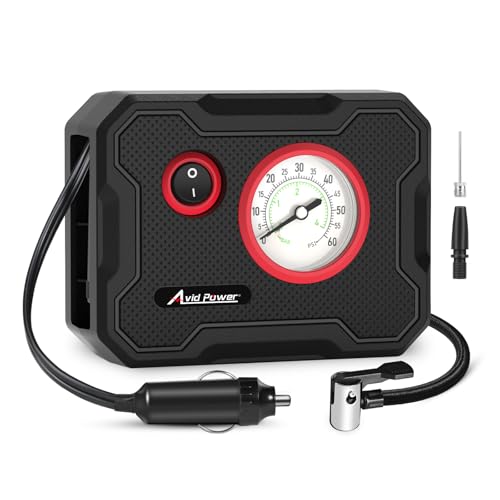
AVID POWER 12V Tire Inflator, Lightweight
A Deeper Look At The Lineup
This is the anchor of the list, and honestly the only true shop machine among these five. A 20-gallon vertical tank paired with a 2 HP motor running on standard 120V household power means you can run impact wrenches, paint sprayers, and grinders without tripping your breaker box. The 175 PSI max pressure stores noticeably more usable air than typical 125-150 PSI units.
The vertical footprint matters too. Compared with the small hot-dog tank further down this list, this one lives in a corner of the garage rather than in a closet, but it feeds tools continuously instead of stalling every few seconds.
Strengths Worth Knowing
- 4.2 SCFM at 90 PSI keeps air tools running through longer jobs without constant pump cycling
- Oil-free pump design removes oil changes from your maintenance calendar entirely
- Thermal overload protection helps the motor survive long sessions without cooking itself
- A 75% duty cycle means longer run windows per hour than hobby-class compressors typically allow
- Large wheels and an easy-access tank drain make moving and winterizing far less annoying
Things To Consider
- At roughly 20 gallons of stored air, expect a heavy unit; plan its home carefully since two people make moves easier
- Draining accumulated moisture from the tank after humid-weather use is a habit worth building, as with any steel tank
Key Specs
Who It Suits Best
Garage-based DIYers and hobby woodworkers who want one compressor to power nailers, sprayers, and impact tools for years.
Where A Sibling Pick Shines
Apartment dwellers or occasional users will find the Craftsman CMXECXA0200243 easier to store, carry, and justify.
Not every entry here needs a motor. This kit is the accessory half of the equation, turning whichever compressor you own into a cleaning and drying station for sawdust, brake dust, wet parts, and keyboard crumbs. Everything in the set is all-metal with a chrome-plated finish, which resists rust far better than the plastic-bodied guns bundled with budget compressors.
The 1/4-inch NPT quick-connect plug matters more than it sounds. Quick-connect couplings are the snap-on fittings that link hoses to tools, and a poor seal there bleeds pressure all day. Owners commonly report that cheap fittings hiss constantly; a high-sealability plug like this one is the fix.
Benefits That Matter
- All-metal construction with alloy pressure-rated fittings holds up to daily shop abuse
- Included PTFE tape lets you seal threaded joints properly on first install
- Tapered nozzle concentrates airflow for blasting debris out of tight gaps
Small Caveats
- It adds no airflow of its own, so results scale directly with whatever compressor feeds it; pairing it with the small Craftsman tank will feel modest next to the Klutch
- Blow guns push air hard, so eye protection is non-negotiable around loose debris
Built With In Mind
Workshop owners who already have a compressor and want durable accessories instead of another plastic gun that cracks within a season.
Skip It When
Anyone starting from zero should put their budget toward the Klutch 20-Gallon Air Compressor first, then add this kit once air is flowing.
“Hot dog” describes the slim horizontal tank shape, and this one holds just 2 gallons at up to 125 PSI. That sounds tiny next to the Klutch, and it is, but the trade works in your favor when the job is a bike tire, a soccer ball, or a brad nailer on a weekend trim project. The whole unit lifts with one hand thanks to the carry handle.
The 0.5 CFM delivery at 90 PSI tells you its ceiling plainly: continuous air tools are out, intermittent light-duty work is comfortably in. For a first compressor, that restraint is actually a feature, since it keeps weight, noise, and cost down while you learn what you actually need.
Everyday Wins
- Lightweight body with a handle makes trips from closet to driveway genuinely easy
- Oil-free pump means zero lubrication upkeep across its life
- Runs from any standard wall outlet with no special wiring
- Fits under a workbench or on a shelf, unlike the tall Klutch tank
Points To Note
- Small tanks refill often, so inflation sessions involve waiting between bursts
- Output is too low for spray painting or impact wrenches; owners report frustration when pushing it past light duties
- Condensation still collects inside the small tank, so periodic draining stays part of ownership
Quick Facts
The Right Fit
First-time compressor owners, renters, and anyone whose projects top out at inflation and occasional nailing.
Reach For A Different Pick When
Drivers who only care about tire pressure will find the SERVOMASTER cordless inflator simpler than any tanked unit.
Cordless changes the entire ownership experience. There’s no hose dragging to a wall outlet, no 12V socket dependency, just a battery pack you charge at home and forget about until a tire runs soft. The manufacturer’s stated pace, filling a 195/55/R15 car tire from empty to 35 PSI in about five minutes, is respectable for this size class.
The feature worth highlighting is automatic shutoff. You dial in a target pressure, start the pump, and walk away; the unit stops on its own when it arrives. Overinflation stops being something you babysit. Measuring roughly 6.9 by 3 by 2.2 inches, it disappears into a trunk pocket or door bin, which is exactly where an emergency inflator belongs.
What Works In Its Favor
- Preset target pressure with automatic stop removes guesswork and protects your tires
- No cords or cables needed, so curbside and trailside use stay practical
- Small footprint stores permanently in the vehicle without eating cargo space
Honest Caveats
- Battery capacity is finite, so a fully flat spare plus several low tires may outlast one charge depending on conditions
- Lithium packs dislike extreme cold and heat, so long-term cabin storage can shorten battery life, a commonly reported issue with this product class
Who Will Love This
Commuters and road-trippers who want dependable tire maintenance without ever touching a garage outlet.
A Better Fit Elsewhere
Shoppers who prefer never charging a battery may lean toward the AVID POWER 12V inflator, which draws power straight from the car.
Where the SERVOMASTER trades on battery freedom, this AVID POWER unit bets on simplicity: plug it into your car’s 12V socket and it runs as long as the engine does. At 5.12 by 3.95 by 1.77 inches and just 0.8 pounds, it’s the smallest thing on this list, closer to a paperback than a power tool.
The stated flow rate of 0.6 CFM (about 17 liters per minute) puts it slightly ahead of the Craftsman tank on paper, though both occupy the light-duty tier. The smart storage case keeping the cord, hose, and adapters organized is a small touch that pays off monthly, because tangled accessory kits are how roadside inflators get abandoned.
What Stands Out
- Genuine glove-box dimensions mean it’s always within reach during a commute
- No battery to degrade, charge, or replace over years of trunk storage
- Included organizer case prevents the classic lost-adapter problem
- Very light at 0.8 lbs, easy for anyone in the household to handle
Trade Offs To Consider
- It depends entirely on the vehicle’s 12V socket, so a dead car battery leaves you stranded alongside the flat tire
- Slow fill times on larger SUV or truck tires are likely given the compact pump, so patience is part of the deal
Core Details
Made For
Budget-conscious daily commuters who want a permanent, fuss-free backup for slow leaks and seasonal pressure drops.
Swap It Out When
Households juggling bikes, balls, and pool gear will get more versatility from the Craftsman CMXECXA0200243 tank unit.
Factors To Weigh Before Choosing Inexpensive Air Compressors
Match The Tool To The Job First
Air demand is the number that decides everything. Tools list their consumption in CFM, cubic feet per minute of airflow, and your compressor must meet or exceed that figure at 90 PSI. Nailers sip air; sprayers and sanders gulp it. Buying below your tools’ appetite means constant waiting for the tank to recover.
Tank Size Versus Portability
Stored volume buys runtime between pump cycles. A 20-gallon vertical like the Klutch supports sustained work, while a 2-gallon hot dog suits quick tasks and tight storage. Ask honestly where the unit will live and how often it will move, because a 60-pound steel tank rarely relocates willingly.
Power Source Reality
Shop compressors need a standard 120V outlet and a quiet corner. Cordless inflators need charged batteries. 12V units need a running vehicle. Each constraint shapes daily use more than any spec sheet suggests, so choose the power model matching your actual routine.
Maintenance Expectations
Oil-free pumps dominate the budget tier because they skip lubrication entirely. The remaining chore is moisture: drain the tank regularly in humid climates to prevent internal rust, a five-second task that extends tank life considerably.
Key Considerations Across These Picks
Traps First Timers Fall Into
Oversizing for imagined projects is the classic error; a 20-gallon unit idles in apartments while a 2-gallon frustrates workshop ambitions. The second trap is ignoring fitting quality. Leaky quick-connects waste pressure and shorten pump cycles, which is why a solid kit like the XUDYVCO earns its spot.
The Case For Spending Up
Higher-tier compressors add pressure headroom, larger tanks, and stronger motors, which translate into faster tool recovery and fewer restarts. Anyone running pneumatic tools weekly recovers that premium quickly, while occasional inflators lose nothing sticking to the budget end.
Frequently Asked Questions
Can a small 2-gallon compressor inflate car tires?
Yes, though slowly, since the small tank refills frequently during the job. Budget several minutes per tire and expect the pump to cycle repeatedly.
Do oil-free compressors really need less maintenance?
They eliminate oil checks and changes entirely, which covers most routine care. Draining tank moisture remains necessary regardless of pump type.
Is a cordless inflator powerful enough for truck tires?
It handles top-ups fine, but filling large, fully deflated tires takes considerable time and battery. Frequent heavy use favors a tanked compressor.
Why does my blow gun kit matter for compressor performance?
Poorly sealed fittings leak continuously and force the pump to run more often. Quality plugs and sealed threads preserve both pressure and motor life.
How often should I drain my compressor tank?
After each use in humid weather, and at least weekly otherwise. Moisture accumulates inside every tank and causes rust when left sitting.
Closing Thoughts
The right inexpensive compressor depends less on specs and more on honesty about your projects. Workshop regulars should stretch for the Klutch 20-gallon, while first-timers get genuine value from the Craftsman. Drivers covering tire duty alone can skip tanks altogether and pick either inflator based on battery preference. Match the air supply to the real workload and even the cheapest option here serves well for years.




