You don’t need a four-figure chartplotter to stop fishing blind. A budget-friendly depth finder will show you bottom contour, water temperature, and fish location well enough to change how you work a lake. The five units below cover the full range of affordable sonar: handhelds for shore anglers, castable pods for kayak and bank fishing, and one console unit that punches above its price class. Each pick suits a different style of fishing, so match the tool to where you actually cast.
Your Options, Compared
PickWhy We Picked ItBest ForAction

Value Pick
LUCKY Portable Fish Finder with Fish Attractive Lamp
Built-in fish-attracting lamp
Ice and night fishing
Kayak Ready
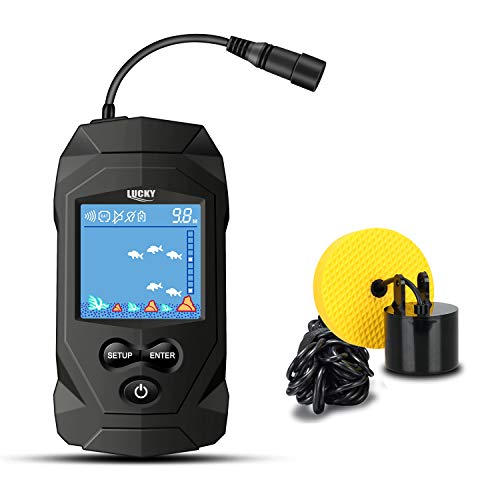
LUCKY Portable Kayak Fish Finder Kit Wired Transducer
Sunlight-readable color screen
Kayak and boat anglers

Upgrade Pick
Garmin Striker Vivid 7cv Fishfinder with GT20-TM Transducer
CHIRP scanning sonar plus GPS
Serious boat fishermen

Traveler’s Choice
Garmin Striker Cast Castable Sonar
Casts from shore or dock
Bank and travel fishing

Simple Standout
Hawkeye DT1H Handheld Depth Finder with Temperature
Pocket-size simplicity
Quick depth checks
The Details Behind The Selections
This is the entry point into portable sonar, and it earns its spot by keeping things uncomplicated. A small color LCD shows water depth, temperature, bottom contour, and fish size with depth, which covers most of what an ice or shore angler actually wants to know.
The wireless transducer floats free of the main unit, so you can drop it through an ice hole or lob it off a dock without running cable. There’s also a simulation mode that lets you learn every function before you ever stand on frozen water, a genuinely thoughtful touch for first-timers.
Everyday Advantages
- ✓Wireless sonar pod reads depths up to 147 feet, plenty for most inland lakes you’ll fish in winter.
- ✓Fish-attractive lamp built into the transducer draws curious species toward your presentation after dark.
- ✓Simulation mode doubles as a training tool, so beginners can practice reading returns at the kitchen table.
- ✓Color screen keeps depth, temperature, and fish icons readable at a glance with gloves on.
Things To Consider
- •The floating transducer is small enough to lose track of in low light, so a tether line is worth adding yourself.
- •Owners commonly report battery life drops in hard freezing conditions, which matters on long ice sessions.
Key Specs
| | Feature | Specification | Why It Matters |
|---|
| Depth Range | Up to 147 feet | Covers typical freshwater lakes and ice holes |
| Display | Color LCD screen | Readable readings without squinting |
| Operating Modes | Wireless and simulation | Learns the menu system risk-free |
| Extras | Fish attractive lamp | Helps draw fish near the sensor |
Who It Suits Best
Ice anglers and shore fishermen who want their first real sonar unit without committing serious money.
A Better Fit Elsewhere
Kayak anglers who need a mounted, wired setup will get more consistent readings from the LUCKY Portable Kayak Fish Finder Kit below.
Where the LUCKY lamp model goes wireless, this kit goes the opposite direction with a wired transducer, trading convenience for steadier, more consistent signal quality. That matters when you’re paddling a kayak across chop and want uninterrupted bottom readings rather than intermittent updates.
The color LCD stays visible under direct sunshine, and a backlight handles pre-dawn launches. Beyond depth, it distinguishes short and tall weeds plus sand versus rock bottom, which is more habitat detail than most units at this level bother showing.
Real Benefits
- ✓Wired transducer delivers continuous sonar feedback while paddling, no pairing or dropouts to manage.
- ✓Bottom composition readout tells you whether you’re over sand, rock, or weed beds before you commit a lure.
- ✓Adjustable sensitivity lets you tune the return for murky water or deep structure instead of accepting one fixed setting.
- ✓Backlit display supports night fishing sessions without external light.
Minor Gripes
- •Running the transducer cable takes some planning; many owners mount it inside the hull or along a scupper for clean routing.
- •You’ll want to check the cable connection periodically, since vibration from paddling can loosen contacts over a season.
Right Fit For
Kayak and small-boat anglers who fish varied structure and want dependable, always-on readings mounted within reach.
Where A Sibling Pick Shines
Anglers who move between banks, piers, and borrowed boats should look at the Garmin Striker Cast instead, since its castable design needs zero installation.
This is the step up from everything else on this list, and the price gap buys real capability. CHIRP traditional sonar sends a sweep of frequencies rather than a single ping, which separates fish from clutter far better than basic units like the LUCKY kits. Add ClearVü scanning sonar and you get photo-like imagery of structure below the hull.
The seven-inch color display uses high-contrast palettes that make returns easier to interpret at speed, and high-sensitivity GPS lets you mark hot spots, plan routes, and monitor boat speed. For tournament-minded anglers, that waypoint memory alone justifies the upgrade.
What Stands Out
- ✓Dual sonar systems, CHIRP traditional plus ClearVü scanning, reveal both fish targets and detailed structure in one view.
- ✓Vivid color palettes sharpen contrast between baitfish, gamefish, and bottom clutter on the large seven-inch screen.
- ✓Built-in GPS marks waypoints and tracks your boat’s speed, useful for trolling at consistent pace.
- ✓GT20-TM transducer comes bundled, so the sonar works out of the box.
Points To Note
- •It requires permanent mounting and wiring to a power source, so it isn’t a grab-and-go option like the castable Garmin below.
- •The learning curve runs steeper than basic handhelds; expect an afternoon with the manual before you’re fluent.
Core Details
| | Feature | Specification | Why It Matters |
|---|
| Display | 7-inch color screen | Large canvas for split sonar views |
| Sonar Types | CHIRP traditional and ClearVü scanning | Fish separation plus structure imaging |
| Transducer | GT20-TM included | No separate purchase needed |
| GPS | High-sensitivity receiver | Waypoint marking and speed display |
Made For
Dedicated boat owners who fish frequently and want structure-level detail that budget portables simply can’t render.
Consider Something Else When
Occasional anglers without a dedicated boat will find the Hawkeye DT1H handheld far easier to live with.
The cleverest idea on this list: a sonar pod you literally cast like a lure, then reel back in while it streams readings to your phone. No display to buy, no mount to install. Download the companion app, pair once, and you’re reading fish locations from shore, a dock, or a canoe within minutes.
Wireless range reaches roughly two hundred feet, and the sonar works in both fresh and saltwater. Compared with the LUCKY wireless pod, the app interface gives you richer mapping and a larger screen, though it does mean your phone becomes essential gear.
Standout Benefits
- ✓Casts from anywhere, opening up sonar scouting for bank anglers who’ve never had access to it.
- ✓Streams wirelessly to your smartphone or tablet across roughly 200 feet, turning a device you already own into the display.
- ✓Sets up in minutes with no drilling, wiring, or transom mounting required.
- ✓Handles both freshwater and saltwater, so it travels well between lakes and coastal trips.
Honest Caveats
- •Your phone’s battery drains faster during long sessions, so a power bank belongs in the tackle bag.
- •Retrieving the pod repeatedly takes effort; owners commonly report it works best for scouting a spot, not constant monitoring.
Who Should Grab It
Shore, pier, and traveling anglers who want genuine Garmin sonar quality without owning a boat at all.
Swap It Out When
Boat-based fishermen wanting a fixed, always-on display will be better served by the Striker Vivid 7cv reviewed earlier.
Some anglers don’t want fish icons or mapping at all; they just want to know how deep it is and how warm the water sits. That’s exactly what this pocket-sized HawkEye does, and nothing else. You dip the sensor, read the number, move on. It reads depths to 300 feet, deeper than any other unit here.
In our view, its charm is what it leaves out. No menus to memorize, no app to update. Toss it in a vest pocket for wading trips, float tubes, or quick checks from a pier, and it asks nothing of you beyond a working battery.
Bright Spots
- ✓Depth readings reach 300 feet, the deepest rating in this roundup, covering nearly any inland water you’ll encounter.
- ✓Water temperature display helps you track seasonal patterns that influence fish behavior.
- ✓Pocket-size format means it rides along on trips where a full fish finder would stay home.
Small Caveats
- •There’s no fish detection whatsoever; it measures depth and temperature only, which surprises shoppers expecting more.
- •Keep the sensor port clean and dry between outings, since debris buildup is the most commonly reported cause of erratic readings.
Quick Facts
| | Feature | Specification | Why It Matters |
|---|
| Depth Range | 300 feet | Deepest rated range among these picks |
| Temperature | Water temperature reading | Tracks conditions that move fish |
| Format | Handheld | Fits a pocket, ready in seconds |
The Right Fit
Minimalist anglers, kayakers checking launch spots, and anyone who values a depth number over a full sonar picture.
Not Your Match When
Anyone wanting actual fish location feedback should choose the LUCKY Portable Fish Finder with Fish Attractive Lamp instead.
What Matters Most Before Choosing Inexpensive Depth Finders
Match The Format To Your Fishing
Portable sonar comes in three shapes: handheld dippers, castable pods, and mounted units with wired transducers. Shore anglers get the most value from castable designs, while kayak owners benefit from a fixed wired setup that reads continuously. Buying the wrong format is the fastest way to waste money on capable hardware you never carry.
Read The Depth Rating Honestly
A 147-foot rating covers most midwestern reservoirs; a 300-foot rating matters mostly for deep, clear lakes and certain coastal work. Paying extra for range you’ll never use makes little sense. Check the deepest basin in your home waters against each unit’s spec before deciding.
Understand What The Screen Actually Shows
Basic units display depth, temperature, and simple fish icons. Mid-tier models add bottom composition, and CHIRP-equipped consoles separate individual fish from clutter. The more detail you demand, the more you’ll pay, so decide whether fish location or raw depth data drives your decisions.
Plan For Power And Care
Cold weather drains batteries faster, saltwater demands rinsing, and transducer cables need periodic inspection. A cheap unit maintained well outlasts a pricier one neglected all season.
Key Considerations Across These Picks
Mistakes Worth Dodging
The most common error is buying a feature-rich console for a fishing style that happens twice a year. Another frequent slip is ignoring the depth rating entirely, then discovering your home lake exceeds the sensor’s ceiling. Read the spec sheet against your actual water before checkout.
What The Higher Tier Buys
Spending more gets you CHIRP sonar, GPS waypoints, and larger screens, capabilities that matter to anglers chasing specific structure week after week. Occasional fishermen rarely recoup that investment. Frequent ones usually wonder why they waited.
Frequently Asked Questions
QDo inexpensive depth finders really work?
Yes, modern budget sonar reliably reports depth, temperature, and often fish presence. Accuracy depends more on correct use than on price.
QCan I use these in saltwater?
The Garmin Striker Cast is explicitly rated for both fresh and saltwater. Always rinse any unit exposed to salt after each outing.
QHow deep do budget models typically read?
Entry units like the LUCKY reach around 147 feet, while the HawkEye DT1H extends to 300 feet. Match the rating to your local waters.
QWill a castable sonar work from a kayak?
Absolutely, casting from a seated position works fine. A wired kit like the LUCKY kayak model gives steadier readings while paddling, though.
QDo I need GPS on a fish finder?
GPS helps you mark productive spots and return to them precisely. Casual anglers fishing familiar water can skip it and save money.
Closing Remarks
Every unit here solves the same core problem, seeing under the surface, at a fraction of console prices. Start with how and where you actually fish, then let the format choose itself. One honest afternoon on the water with any of these will tell you more than any spec sheet ever could.







