


Warm water ruins a good hike faster than blisters do. That’s the problem an insulated hydration bladder solves, and this shortlist covers the whole picture: a high-flow reservoir built to mil-spec standards, a dryer that fixes the mildew problem nobody warns you about, budget reservoirs with sleeved hoses, and a full running vest that ships with its own two-liter bladder. Trail runners, hikers, cyclists, and anyone who has ever pulled a funky-smelling tube out of a pack will find something here worth a closer look.
A Side-By-Side Look

CamelBak Mil-Spec Crux Long Accessory Reservoir
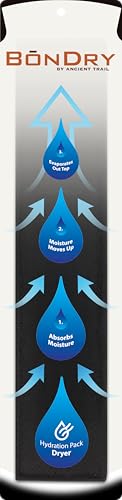
BōnDry Hydration Bladder Dryer Insert

KUREIDA Hydration Bladder 2 Liter

TPU Hydration Bladder 2L/70 oz and 3L/100 oz

Zelvot Running Vest with 2L Water Bladder
A Breakdown Of The Leading Choices
The Crux line is CamelBak’s current mil-spec reservoir platform, and the headline attribute is flow rate: the Crux design moves noticeably more water per sip than older generation bladders. On a hot climb where you’re breathing hard through your mouth, that extra per-sip volume is the difference between actually rehydrating and just wetting your tongue.
This is the “long accessory” variant, which suits longer torso lengths and larger packs. The wide-mouth opening pairs with a quarter-turn cap, so refills at a creek crossing take seconds rather than a wrestling match with a tiny screw lid. Field operators and serious backpackers are clearly the intended crowd here, though anyone tired of slow-flow tubes will feel the upgrade immediately.
Useful Strengths
- Crux geometry delivers more water per sip, which matters most during sustained climbs or rucking sessions
- Quarter-turn cap plus wide opening makes refilling fast and resealing leak-resistant
- Mil-spec construction targets durability well beyond casual weekend use
- Long configuration fits taller packs and frames better than standard-length reservoirs
- Backed by one of the most established names in hydration gear
Things To Consider
- You’ll pay a brand premium compared with the KUREIDA and TPU options below
- Owners commonly report any bladder needs thorough air-drying between trips, and this model is no exception
Key Specs
Who It Suits Best
Ruckers, military-style trainers, and backpackers who want maximum durability and flow from a proven brand name.
A Better Fit Elsewhere
Shoppers watching their budget will get an insulated hose for less money with the KUREIDA Hydration Bladder 2 Liter.
Nobody buys a dryer first, but nearly every bladder owner eventually wishes they had one. Trapped moisture inside a rolled-up reservoir is what causes that sour smell and slimy film, and BōnDry attacks it directly. The patented insert uses highly absorptive fibers to wick moisture toward its exposed end, where it evaporates instead of pooling against the bladder wall.
The workflow is refreshingly simple: rinse the reservoir, slide the insert in, stow everything away. No hanging bladders upside down from closet rods, no propping them open with chopsticks, no waiting days. It’s made in Phoenix, Arizona from sustainably sourced cotton, cellulose, and recycled polyester, and it’s washable for reuse season after season across hikes, rides, hunts, and travel.
Useful Highlights
- Lets you put gear away immediately after rinsing instead of leaving it draped over furniture for days
- Absorptive fiber core pulls interior moisture outward so it can evaporate
- Fits reservoirs, bladders, and awkward hard-sided containers alike
- Washable and reusable, so one unit covers years of trips
- USA-made with recycled and sustainably sourced materials
Worth Noting
- It’s an accessory, not a reservoir, so pair it with one of the bladders on this list
- Periodic washing keeps the fibers performing; neglect it and absorption drops off
Right Fit For
Anyone who owns multiple reservoirs and is tired of the mildew routine, especially frequent riders and hunters.
Where A Sibling Pick Shines
First-time bladder owners still building a kit should start with the KUREIDA Hydration Bladder 2 Liter and add this dryer alongside it.
Here’s the honest read on budget reservoirs: most skip the insulated hose, which defeats half the point of this category. KUREIDA doesn’t. The package includes not one but two quick-release tubes, each fitted with an insulated sleeve and a shutoff valve, so cold water stays colder longer and the valve prevents accidental soaking in your pack.
The two-liter capacity covers roughly a half-day of hiking for most people, and the BPA-free construction addresses the material concern that comes up constantly in this price bracket. Setup follows the familiar sequence: fill through the cap, screw it closed, attach the tube to the connector valve, then double-check the seal before loading the pack. For biking, running, kayaking, and camping, that’s a complete kit at entry-level money.
Where It Excels
- Insulated tube sleeve keeps water temperature stable on warm days, a feature usually reserved for pricier models
- Two quick-release hoses included, giving you a spare or a second setup
- Shutoff valve stops leaks when the tube isn’t seated
- BPA-free material eases concerns about drinking-water contact
Small Caveats
- Bite valves and seals at this tier tend to need occasional checking; owners commonly report reseating connections before big outings
- Two liters runs dry quickly on all-day summer hikes
Quick Facts
Made For
Casual hikers, runners, and campers who want insulated-tube performance without stretching the budget.
Reach For A Different Pick When
All-day trekkers should look at the TPU Hydration Bladder’s 3-liter option for extra capacity.
Capacity flexibility is the story here. Unlike the fixed two-liter KUREIDA above, this Baen Sendi reservoir comes in both 2-liter/70-ounce and 3-liter/100-ounce versions, letting you match the bladder to the trip length instead of the other way around. Thermoplastic polyurethane (TPU) construction is the standard material for quality reservoirs because it stays flexible in cold weather and resists the plastic taste some cheaper films carry.
The leakproof design matters most in transit: nothing wrecks a car trunk or sleeping bag like a seeping bladder. An insulated hose and high-flow bite valve round out the spec sheet, covering both temperature control and easy sipping mid-climb. Cyclists swapping between a road bike and a loaded touring rig will appreciate having both size options available in one product family.
Advantages To Know
- Choice of 70-ounce or 100-ounce capacity fits everything from short spins to full-day rides
- Insulated hose preserves water temperature, matching features found on costlier brands
- High-flow bite valve delivers quicker drinks while moving
- Leakproof design protects packs and vehicle interiors
Points To Note
- The 3-liter version adds noticeable weight when full, which trail runners may feel
- Drying remains the usual chore; a BōnDry insert makes storage far easier
Best Suited To
Cyclists and campers who want to size their water load to the outing and value leak protection.
Another Choice May Suit
Runners wanting the reservoir bundled with a carrying solution should consider the Zelvot Running Vest with 2L Water Bladder instead.
Buying a bladder separately only to discover your vest fits it poorly is a common frustration. Zelvot sidesteps that by shipping the two-liter reservoir together with the vest itself, backed by a U.S. design patent on the layout. The chest pack carries three waterproof zippered front pockets sized for phones, keys, and energy gels, keeping essentials reachable without breaking stride.
Storage goes deeper than most running vests: two large back pockets hold the bladder plus a towel or spare layer, and there’s a tactical pen slot alongside a detachable, bounce-free pistol holster for small to mid-sized firearms. Reflective detailing improves visibility on dawn and dusk road miles. One thing worth considering: the added structure means slightly more bulk than a minimalist race vest, though many runners find the trade worthwhile for the organization.
Everyday Wins
- Vest and bladder sold together, eliminating fit guesswork
- Three waterproof zippered front pockets keep phone and gels secure and sweat-free
- Detachable bounce-free holster adds concealed-carry capability for trail security
- Reflective chest panel boosts visibility in low light
- Large rear pockets handle towel or extra clothing alongside the reservoir
Honest Caveats
- More storage means more weight than stripped-down race vests
- Fixed 2-liter capacity limits ultra-distance use without refills
At A Glance
Who Will Love This
Trail and road runners who want hydration plus organized storage in one purchase, including those who carry for personal protection.
Swap It Out When
Day hikers with existing packs will find the standalone CamelBak Mil-Spec Crux Long Accessory Reservoir a cleaner fit.
## Factors To Consider When Choosing Insulated Hydration Bladders ### Capacity And Trip Length A two-liter bladder covers roughly three to four hours of moderate activity for most adults. Half-day hikers and runners are fine at that level, while full-day treks push you toward three liters or a refill plan. Match capacity to how often you can realistically refill, not to the biggest number on the shelf. ### Insulation Quality The insulated sleeve around the drink tube is what keeps water cool after it leaves the reservoir. Look for full-length sleeves rather than partial wraps, since exposed tubing warms within the first hour on a sunny trail. In winter, the same insulation slows freezing near the bite valve. ### Materials And Taste Thermoplastic polyurethane, usually written as TPU, is the preferred reservoir film because it resists plastic taste and handles cold temperatures without stiffening. BPA-free labeling matters too, since this material holds water you’ll drink directly. Cheaper films sometimes impart flavor, especially with sports drinks. ### Drying And Maintenance Every reservoir needs to dry fully between uses or odor develops. Wide-mouth openings make cleaning easier, and accessories like the BōnDry insert eliminate the awkward hang-it-up ritual entirely. Factor that maintenance into whichever model you choose. ## Key Considerations Across These Picks ### Pitfalls Shoppers Hit The classic mistake is buying a bare reservoir without checking whether the hose is insulated, then wondering why water turns lukewarm by mile three. Shoppers also underestimate capacity, choosing two liters for all-day outings. Measure your pack’s reservoir sleeve before ordering, since oversized bladders bulge and stress zippers. ### What Separates Premium From Basic Higher-tier reservoirs justify their cost through flow rate, seal engineering, and materials. The CamelBak Crux moves more water per sip than generic designs, and that difference compounds over hours of exertion. Paying more also tends to buy better valve reliability, meaning fewer surprise leaks inside a loaded pack. ## Frequently Asked Questions ### Do insulated sleeves actually keep water cold? They keep the water in the tube cooler, which is where warmth transfers fastest. Full reservoir cooling depends more on starting temperature and exposure time. ### How do I clean a hydration bladder? Rinse with warm water and a drop of dish soap after each use, then dry completely. Deep-clean monthly with baking soda or a dedicated cleaning kit. ### Can I put ice in these bladders? Most wide-opening models accept ice cubes without issue. Fill about halfway with ice, add water, and let it sit briefly before sealing. ### How long does a reservoir last? With regular cleaning and proper drying, quality TPU bladders commonly serve several seasons. Replace one once odors persist after cleaning. ### Will a 2-liter bladder fit my backpack? Most daypacks have a reservoir sleeve sized for two to three liters. Check the sleeve dimensions against the bladder before purchasing. ## Closing Thoughts Your best choice depends on how you move outdoors. Ruckers and heavy users should lean toward the CamelBak Crux for flow and durability, while budget hikers get genuine insulated-tube value from KUREIDA. Pair whichever reservoir you choose with the BōnDry dryer and the mildew problem disappears entirely. Pick the one that matches your longest typical outing, and stay hydrated out there.



