


Crafting irons solve a problem a full-size iron can’t: pressing tiny seams, fusing vinyl onto shoes, or setting transfers in tight corners without scorching the rest of your project. Quilters, doll makers, and heat-transfer hobbyists all run into that same frustration at the worktable. This shortlist covers five options that handle detail work, appliqué, and small-batch pressing, from pen-sized precision tools to compact steamers that pull double duty on laundry day.
The Leading Options At A Glance
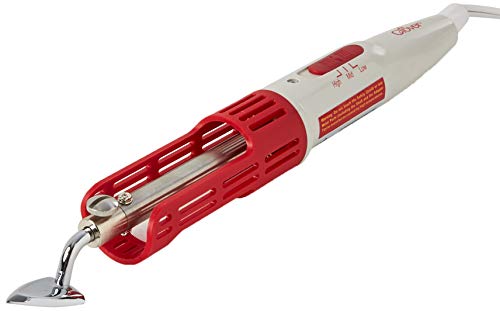
Clover Mini Iron II Adapter (9100)

SINGER SteamCraft Plus 2.0 Steam Iron
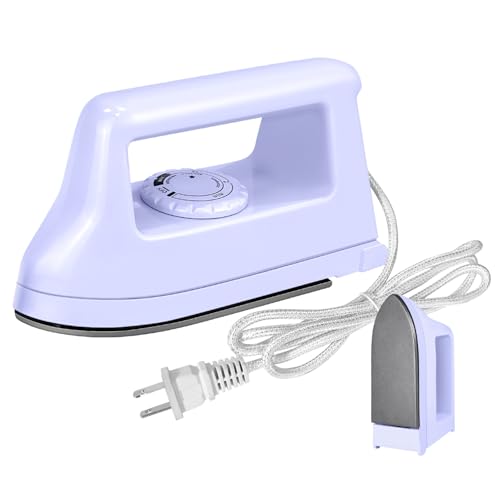
KPX Mini Crafts Heat Press Kit

BEAUTURAL Compact Steam Iron (Blue)

Clover 9103 Mini Iron II Large Tip
Meet The Standout Selections
A pen-shaped iron sounds like a gimmick until you’re pressing a quarter-inch seam on a quilt block. The Clover Mini Iron II is built exactly for that: a lightweight body with a heat-control dial, an on/off switch, and an interchangeable tip system aimed at quilting, sewing, and general crafting.
The real draw is modularity. Five optional tips (sold separately) cover doll making, stenciling, paper crafts, and corners a standard soleplate can’t reach, which turns one tool into a whole pressing station. For anyone working iron-on transfers or embellishments in tight spots, it earns its desk space.
Everyday Wins
- Interchangeable tips let you switch from seam pressing to paper crafting without buying new tools
- Heat dial gives you control over delicate fabrics like silk ribbon and synthetics
- Compact body reaches seams, curves, and corners where full-size irons simply won’t fit
- On/off switch means no unplugging between steps mid-project
Small Caveats
- Tips are sold separately, so budget for them if you want the full range of uses
- No steam function, so fusible webbing and heavy pressing need another tool alongside it
Who Will Love This
Quilters, doll makers, and paper crafters who need precise heat in spaces a regular iron can’t touch.
Where A Sibling Pick Shines
For larger pressing jobs across whole garments, the SINGER SteamCraft Plus 2.0 below offers steam and a wider plate that suits bigger projects better.
Where the Clover handles pinpoint work, the SINGER SteamCraft Plus 2.0 is the opposite philosophy: a full-size 1800-watt steamer made to press entire garments fast. Its OnPoint tip narrows to a sharp point so you can work around buttons, pleats, and seams, which matters when you’re finishing a handmade shirt or prepping fabric before cutting.
The digital display lists settings by fabric type, including linen, cotton, wool, silk, and nylon, so you’re not guessing temperatures. Auto shutoff adds peace of mind during long sewing sessions when your attention drifts from the board to the machine.
Strengths Worth Knowing
- OnPoint tip navigates buttons, pleats, and hard-to-reach areas with crisp results
- Digital fabric presets remove temperature guesswork across delicate and heavy materials
- 1800 watts heats quickly, useful when pressing yardage before a cut
- Auto shutoff protects both your project and your workspace
- Steam output handles stubborn creases that dry pressing leaves behind
Things To Consider
- Full-size footprint takes up more storage than any mini option here
- Steam models need occasional descaling depending on your water hardness
Key Specs
Built With In Mind
Serious home sewists who press garments and yardage regularly and want one iron for both craft table and laundry room.
Swap It Out When
Vinyl and T-shirt decorators should look at the KPX mini press kit instead, since its kit format targets heat-transfer work directly.
This KPX unit is less an iron and more a starter heat-press station in a shoebox footprint. At roughly 3.8 x 2.7 x 6.6 inches, it slips into a drawer or craft tote, and the included PVC doormat plus charging base mean you can set up a transfer station almost anywhere there’s an outlet.
The low power draw suits small-batch work: hats, shoes, canvas bags, and single T-shirt designs rather than production runs. Craft fair vendors and dorm-room creators are the obvious audience here, and the kit packaging spares you hunting for accessories separately.
The Practical Payoff
- Kit includes the PVC doormat and charging base, so setup is complete out of the box
- Compact enough to store in narrow shelves or pack for events
- Low power consumption keeps it friendly for shared outlets and small spaces
Honest Caveats
- Small pressing surface limits you to small designs and spot applications
- Lower rated power means slower heat-up than full-size presses, a common trade-off in this size class
Quick Facts
Right Fit For
Beginners and casual DIYers personalizing shoes, bags, and tees in small batches at home or on the go.
Not Your Match When
Anyone needing garment-grade steam pressing will find the BEAUTURAL Compact Steam Iron next up a stronger everyday match.
Some crafters want one iron that handles Monday’s shirts and Saturday’s fabric prep. The BEAUTURAL Compact sits in that middle ground: smaller and lighter than the SINGER above, but with steam capability the mini tools can’t offer.
Two details stand out on paper. The Trueglide non-stick soleplate is designed to slide over fabrics without snagging, and anti-drip technology stops water spotting at lower temperatures, which matters when pressing fusible interfacing or delicate cottons you’d rather not stain.
Practical Pluses
- Non-stick soleplate glides over fabrics and resists residue buildup from fusibles
- Anti-drip design prevents water spots on low-heat settings
- Lightweight handling makes long pressing sessions easier on the wrist
- Steam function covers tasks beyond what mini irons manage
Points To Note
- Less specialized than dedicated craft tools, so fine detail work still needs a mini iron
- Owners commonly report refilling the water tank often during extended steam sessions
Who Should Grab It
Home sewists and mixed-use households wanting a compact steam iron that bridges laundry and light craft duty.
Another Choice May Suit
Detail-focused quilters already invested in the Clover system should add the Clover 9103 Large Tip covered last instead.
This entry isn’t a standalone iron; it’s the accessory that makes pick number one genuinely versatile. The Clover 9103 is a large brass tip that attaches directly to the Mini Iron II, widening its contact area for pressing appliqué shapes, quilt patches, and other flat pieces faster than the standard narrow point allows.
Brass conducts heat evenly, so edges of fused shapes tend to set consistently, something worth having when you’re batch-pressing dozens of appliqué petals. In most craft rooms, this is the second purchase after the base iron itself.
Real-World Strengths
- Large brass surface presses broad areas far quicker than the default tip
- Brass construction distributes heat evenly across fused shapes
- Attaches straight onto the Mini Iron II, no extra tools needed
- Suited to sewing, quilting, and general craft pressing alike
Worth Noting
- Useless on its own; it requires the Clover Mini Iron II as the base unit
- Hot brass needs careful handling and cooling time before swapping tips
At A Glance
The Right Fit
Current Mini Iron II owners doing appliqué, quilting, or repeated fusing of medium-sized shapes.
Consider Something Else When
You don’t own the base iron yet; start with the Clover Mini Iron II first, then add this tip once your projects demand wider coverage.
What To Weigh Before Choosing Crafting Irons
Match The Tool To The Task
Start with your dominant project type. Detail pressing, doll making, and paper crafts favor pen-style tools like the Clover Mini Iron II, while garment finishing and yardage prep demand steam and wattage. Buying a mini iron for full-shirt pressing leads to frustration fast.
Heat Control And Safety
An adjustable dial matters more in crafting than in laundry, because fusibles, vinyl, and synthetics each need different temperatures. Auto shutoff, found on the SINGER, is a quiet safeguard during long studio sessions where focus wanders.
Portability Versus Power
Compact kits like the KPX trade heat-up speed and surface size for storage convenience. Decide honestly how often you’ll craft away from home versus how much pressing volume you do per session.
System Thinking
Modular platforms cost more upfront but grow with you. Tips such as the Clover 9103 extend one base unit across many techniques, often beating a drawer full of single-purpose gadgets.
Key Takeaways Before You Shop
Traps First Timers Fall Into
The most common mistake is sizing wrong: a mini iron can’t press a quilt top, and a full-size iron can’t reach a doll sleeve seam. Another slip is ignoring compatibility, especially with tip systems that only fit their own brand’s base units.
The Upgrade Payoff
Higher-tier irons buy wattage, steam capacity, and safety features. That translates to faster heat-up, cleaner results on delicate fabric, and fewer scorched projects. Frequent crafters recover that difference quickly; occasional hobbyists usually won’t notice it.
Frequently Asked Questions
Can a mini iron replace my regular iron?
No, they serve different purposes. Mini irons excel at seams, corners, and small fusing jobs while lacking the plate size and steam for garments.
Do I need steam for heat transfer vinyl?
Generally not, since HTV relies on steady dry heat and pressure. Steam can actually interfere with adhesive activation on some materials.
Are interchangeable tips worth the extra cost?
For quilters and multi-craft makers, yes. One base unit covering stenciling, doll making, and paper crafts beats owning several single-purpose tools.
How hot do crafting irons get?
It varies by model, and most list maximum temperature in their specifications. Always check the listed range against your material’s requirements before buying.
What maintenance does a steam iron need?
Regular descaling keeps mineral buildup from clogging vents, especially in hard-water areas. Wiping the soleplate after fusible projects prevents residue transfer later.
Closing Thoughts
Your best match depends on the work itself: the Clover Mini Iron II for precision, the SINGER SteamCraft Plus 2.0 for serious garment pressing, the KPX kit for portable vinyl projects, the BEAUTURAL for dual-duty households, and the Clover 9103 tip to round out the system. Match the tool to your table, and every project gets easier.




