Whether you’re trimming a countertop, cutting a sink opening, or scrolling curves through plywood, the right jig saw makes fussy work feel routine. This roundup covers corded and cordless saws plus two accessories that round out a serious cutting setup. Each pick below suits a different workshop and skill level, so match the tool to your projects rather than chasing the biggest motor.
The Main Contenders

ONEAND 18V Cordless JIG Saw (Tool Only)

Jigsaw Health Electrolyte Supreme Berry-Licious 60 Packets
SKIL 5 Amp Corded Jig Saw JS313101

Sigerio Router Circle Cutting Jig 10-58 inch
BOSCH JS365 Top-Handle Jigsaw Kit
Meet The Standout Selections
This bare tool ships without a battery or charger, which is exactly why it earns a spot here. Anyone already running Ryobi’s 18V One+ platform can slot in an existing pack and start cutting curves the same afternoon. That keeps the upfront spend low compared to buying the SKIL JS313101 with its own power cord setup.
In practice, a cordless jig saw like this one shines for quick trim-outs, fence-board cuts, and craft projects where dragging an extension cord across the yard gets old fast. You trade some sustained runtime versus a corded model, so long plywood sessions may mean swapping packs mid-job.
Everyday Wins
- No cord means you can cut anywhere on the property, from the garage to the back fence line.
- Buying tool-only avoids paying twice for batteries you already own.
- Fits neatly into a crowded garage shelf thanks to a compact body.
- Optional protection plans are available covering drops, spills, and breakdowns at no added repair cost for parts and labor.
Things To Consider
- Battery and charger are not included, so first-time platform buyers face extra spending before the first cut.
- The listing provides limited published performance figures, making side-by-side comparisons harder than with fully documented models.
Who It Suits Best
Ryobi 18V owners who want a second cutting tool without rebuying batteries.
Where A Sibling Pick Shines
Shoppers starting from zero gear will find more value in the SKIL JS313101, which runs on wall power out of the box.
A different kind of jigsaw brand entirely: this one belongs to Jigsaw Health, not the power-tool aisle. The product is a broad-spectrum electrolyte powder with trace minerals, sold in individual berry-flavored packets, sixty servings per box. It turns plain water into a flavored drink aimed at replacing what sweat takes out.
For anyone working through a summer of deck builds or long shop days, tossing a few packets into a toolbox beats hauling sports drinks around. The single-serve format also means no messy scoops or half-open tubs going stale on a shelf. As always, check the ingredient panel against your own dietary needs before adding any supplement to your routine.
Key Advantages
- Individual packets travel well, slipping into a lunch bag, gym kit, or glovebox without leaking.
- Broad-spectrum formulation includes trace minerals alongside core electrolytes, going beyond sodium alone.
- Sixty servings stretch a single purchase across roughly two months of daily use.
Small Caveats
- Packets generate more packaging waste than a bulk tub over the same serving count.
- Flavored powders dissolve best with a good shake, so a bottle with a secure lid helps.
Made For
Active people and outdoor workers who want portable electrolyte support instead of sugary bottled drinks.
Another Choice May Suit
Anyone shopping strictly for a cutting tool should head straight to the BOSCH JS365 further down this list.
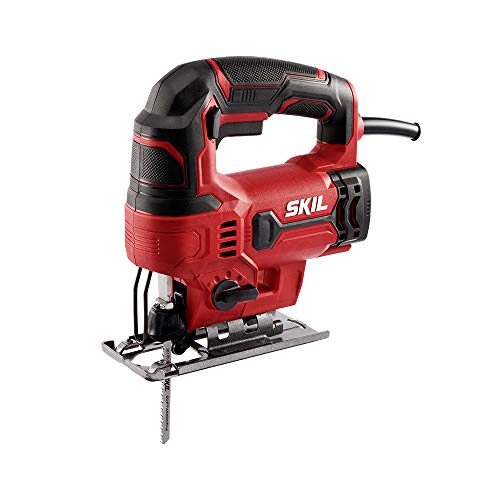
Where the ONEAND trades on battery convenience, the SKIL bets on steady corded power at an accessible level. Its 5-amp motor drives blades up to 3,000 strokes per minute with a 3/4-inch stroke length, enough for straight rip lines and gentle curves in dimensional lumber and sheet goods. Orbital action, explained simply, tilts the blade’s forward stroke to remove material faster; four selectable stages let you dial between clean finish cuts and aggressive rough ones.
Speed control matters too, because slow starts keep thin stock from splintering. A built-in dust blower keeps the cut line visible, which sounds minor until you’ve tried following a pencil mark under a layer of sawdust. Owners commonly report the tool-free blade change works smoothly once you get the lever motion down.
Notable Gains
- Four-stage orbital selection adapts one saw to hardwood, softwood, plastics, and metal with the right blade installed.
- Variable speed up to 3,000 SPM gives control on delicate scrollwork and power on thick stock.
- Tool-free blade swaps mean no hunting for an Allen key mid-project.
- Corded design never fades mid-cut the way a draining battery pack can.
Points To Note
- The cord limits reach, so plan outlet placement or keep a suitable extension lead handy.
- Dust extraction depends on the blower rather than a vacuum port, leaving more cleanup in enclosed shops.
Feature Snapshot
Right Fit For
First-time DIYers and occasional renovators who want real orbital capability without stepping up to pro pricing.
Reach For A Different Pick When
Daily contractors cutting all week will appreciate the heavier-duty BOSCH JS365 instead.
Jig saws handle curves, but large, true circles are a different animal. This Sigerio jig guides a handheld router along an adjustable arm, cutting circles anywhere from 10 inches up to 58 inches across. Think tabletops, clock faces, fire-pit covers, or arched window templates, jobs where freehanding a smooth arc is nearly impossible.
The oversized base plate is designed to fit most handheld routers on the market, with multiple mounting holes that accept different screw spacings. Measuring your router’s base diameter and bolt pattern before ordering saves a return trip, though the multi-hole layout covers mainstream models well according to the maker. Setup takes some patience the first time; after that, repeat cuts come quickly since the pivot stays put.
Where It Delivers
- The 10-to-58-inch span covers everything from speaker baffles to full dining-table tops.
- Four configurations in one jig reduce the need for separate specialty guides.
- Multi-hole base mounting accommodates varied router screw patterns without adapters.
- Guided routing produces smoother edges than sawing, cutting sanding time dramatically.
Worth Bearing In Mind
- It pairs with routers, not jig saws, so confirm your tool collection matches before committing.
- Large-diameter setups need floor space; a cramped garage bench won’t swing a 58-inch arc comfortably.
- Initial alignment of the pivot point takes careful measuring to avoid off-center results.
Core Details
Whose Shelf It Belongs On
Hobbyist woodworkers and furniture makers who already own a plunge or fixed-base router.
Skip It When
You only need curved cuts in thinner stock; the SKIL JS313101 handles scrollwork at a fraction of the footprint.
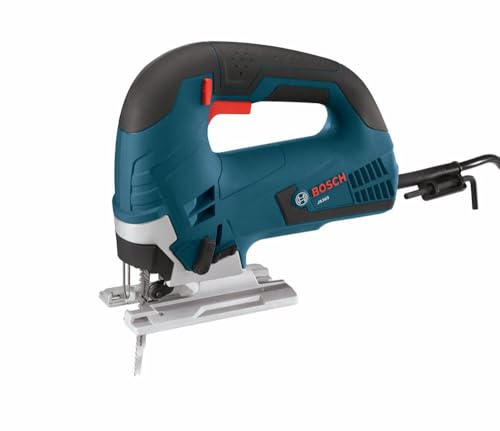
This is the step-up choice, and the differences show immediately next to the SKIL. A 6.5-amp 120V motor outmuscles the SKIL’s 5 amps, and the top-handle grip gives better leverage when plunging cuts into countertop material. Bevel capacity reaches 45 degrees in either direction, opening up angled joinery that straight-set saws can’t attempt.
Bosch’s clamping system holds blades firmly, and the ejection lever drops hot blades without touching them, a small feature you’ll appreciate on the tenth blade change of a long day. Four orbital settings mirror the SKIL’s flexibility while the stronger motor keeps cut speed steadier in dense stock. In our view, the honest trade-off is weight and cost: you carry more tool for capability most weekend projects never touch.
The Case For It
- 6.5-amp motor maintains blade speed through hardwood and thick composite decking.
- 45-degree bevel cuts both left and right expand joinery options considerably.
- Tool-less blade insertion paired with a hot-blade ejection lever speeds up material changes safely.
- Variable speed reaching 3,000 SPM balances finesse work against aggressive stock removal.
- Kitted format means it arrives ready to run rather than needing separate purchases.
Factors To Consider
- Higher amperage draws more current, worth checking on older household circuits with other tools running.
- The added motor mass tires the wrist faster during overhead or extended one-handed cuts.
- Corded operation ties you to outlets, unlike the ONEAND’s battery freedom.
Quick Facts
Best Suited To
Remodelers, cabinet installers, and serious DIYers who cut several times a week and want headroom to grow.
Swap It Out When
Light-use hobbyists will find everything they need, minus the extra muscle, in the SKIL JS313101.
What Matters Most Before Choosing Jig Saws
Power Source First
Decide between corded and cordless before anything else. Corded models like the SKIL and Bosch deliver consistent output for long sessions near an outlet, while a cordless body such as the ONEAND wins for yard work and quick cuts far from power. Battery-platform owners should factor in whether a bare tool reuses packs they already own.
Stroke And Speed Numbers
Strokes per minute, or SPM, measures how many times the blade moves up and down each second; higher numbers cut faster but scorch delicate material. Variable speed control lets you start slow for clean edges. Stroke length determines how much material each pass removes, and longer strokes speed up thick cuts.
Orbital Action And Blade Changes
Orbital settings angle the blade’s cutting stroke forward for aggressive wood removal, then flatten out for metal and plastic. Four-stage selection offers the widest range. Tool-free blade changes sound like marketing fluff until you’re halfway through a project and need three different blades; prioritize it.
Accessories Complete The Kit
A jig saw alone won’t cut perfect large circles, which is where a dedicated guide like the Sigerio jig earns its place. Match accessories to your actual project list rather than buying speculatively.
Key Considerations Across These Picks
Wrong Turns To Avoid
The most common slip is buying a bare tool without checking whether you own compatible batteries. Another frequent mistake is skipping orbital action entirely, then wondering why every cut looks ragged. Measure your router’s base pattern before ordering jigs, and read the blade type your saw accepts before stocking up.
What The Higher Tier Buys
Stepping up to the Bosch tier buys motor amperage, bevel capacity, and refined blade handling. Those features matter most when cutting pays your bills or your projects involve hardwoods and angles. Weekend shelf builders rarely feel the difference.
Frequently Asked Questions
Can a jig saw cut straight lines?
Yes, with a straightedge clamp guiding the base plate. Long rips are easier with a circular saw, but a jig saw handles shorter straight cuts well.
What does orbital action do?
It angles the blade’s forward stroke so teeth bite more aggressively into the material. Higher settings cut wood faster, while zero orbital gives the cleanest finish.
Are cordless jig saws powerful enough?
Modern 18V models cut most common materials confidently. Runtime, not raw power, is the usual limiting factor on big jobs.
How often should I replace jig saw blades?
Swap blades when cuts start burning wood or wandering off the line. Dull blades also force the motor harder, shortening tool life.
Do I need special blades for metal?
Yes, use fine-tooth bi-metal blades rated for metal and run at low speed. Standard wood blades dull almost instantly on steel.
Wrap Up
Your workshop decides the right call here. Ryobi platform owners save money with the ONEAND, budget DIYers get genuine orbital capability from the SKIL, and working pros will lean on the Bosch daily. The Sigerio jig solves a problem no saw handles alone, and the Jigsaw Health packets keep you going through long build days. Match the tool to the projects actually on your list, and any of these will serve you well.