


Curved cuts, tight scrollwork, and clean lines through plywood all come down to the tools around your saw. This roundup covers five options for DIYers setting up a small shop or upgrading a tired kit: a hand coping saw, a blade set that keeps your jigsaw fed, a straight-edge guide, featherboards, and one cordless jig saw. Each entry explains who it suits and where it falls short.
The Choices Worth Comparing

IRWIN ProTouch Coping Saw (2014400)

Spyder 8-Piece Jig Saw Blade Set T-Shank

POWERTEC 24 Inch Straight Edge Saw Guide
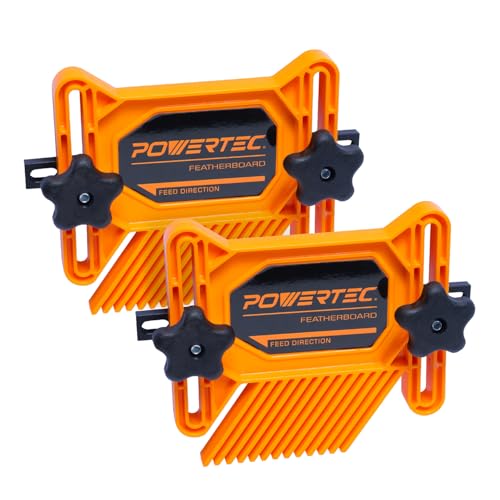
POWERTEC Universal Tandem Featherboards 2-Pack

ONEAND 18V Cordless Jig Saw Tool Only
Why These Options Stand Out
Coping is the old-school way to make inside corners look seamless, and this IRWIN saw is built exactly for that job. The frame runs deep at 5-1/2 inches with a 6-1/2 inch blade, which gives you enough throat to swing through baseboard profiles without the frame dragging on the wood.
The ProTouch grip matters more than it sounds. Coping means long, repetitive strokes, and a cushioned handle keeps your hand from cramping halfway down a run of crown molding. It’s a hand tool, so there’s no cord, no battery, no setup beyond threading a blade.
Reasons It Performs
- High-speed steel blades slice through most common workshop materials without bogging down
- Flat-bar frame paired with DuraSteel pins holds up to years of tensioning and blade swaps
- Cushioned ergonomic handle reduces hand fatigue during extended coping sessions
- Deep 5-1/2 inch frame clearance handles wide trim and thicker stock
Worth Noting
- Blades are consumables, so keeping spares on hand avoids mid-project stalls
At A Glance
Who It Suits Best
Finish carpenters and hobbyists doing trim, molding, and detailed joinery by hand will get the most out of this saw.
A Better Fit Elsewhere
Shoppers wanting powered curve-cutting capacity should look at the ONEAND 18V Cordless Jig Saw Tool Only instead.
A jig saw is only as good as the blade in it, and most saws ship with one generic blade that handles nothing well. This Spyder eight-piece set fixes that with skeleton, single-sided, and double-sided designs in chrome vanadium and bi-metal steel, made in Germany. Where the IRWIN coping saw covers fine hand detail, these blades cover the powered side of curved and straight wood cutting.
Lengths span roughly 3-1/2 up to 5-1/8 inches, so you can match blade depth to material thickness rather than forcing an oversize blade through thin stock. The universal T-shank fitting drops into every major brand’s tool-less chuck, which makes swapping between aggressive rip cuts and cleaner finish curves a ten-second job.
Where It Excels
- Eight specialized blades cover tight scrolls, fast straight rips, and everything between
- T-shank mounting works across all major jig saw brands, no adapters needed
- Bi-metal construction resists heat buildup during long plywood sessions
- Multiple lengths let you match blade to stock thickness for less tear-out
Small Caveats
- Blades wear faster in abrasive sheet goods, and replacements mean buying another set eventually
- No dedicated case details were listed, so storage organization is on you
Feature Snapshot
Made For
DIYers and weekend woodworkers who already own a jig saw and want purpose-matched blades instead of one do-everything compromise.
Skip It When
Anyone needing metal or plastics-specific blades may find this wood-focused set too narrow, in which case the POWERTEC Straight Edge Guide below pairs better with sheet-goods projects.
Freehanding a straight cut with a jig saw rarely ends well, especially across a full sheet of plywood. This POWERTEC clamp-style guide clamps directly onto the workpiece and gives your saw base a reference edge to ride against, turning a wandering handheld cut into something close to cabinet-grade. Unlike the Spyder blade set, which improves the cut quality itself, this accessory fixes the path.
It works with circular saws, routers, drill presses, and jig saws alike, and it doubles as a dado-routing aid. The low-profile jaws let you run it inverted when space gets tight, which owners of smaller benches tend to appreciate.
Standout Benefits
- 24-inch reach accommodates most sheet-goods crosscuts and shelf-width ripping
- Works inverted thanks to slim jaws, clearing obstructions in cramped shops
- One guide serves four tools: jig saw, circular saw, router, and drill press
- Beginner-friendly operation needs no fence calibration or track alignment
Things To Consider
- Cuts stay limited to 24 inches, so full-length sheet rips need repositioning and careful alignment
- Clamp pressure on delicate veneer faces can leave marks, so scrap padding is a smart habit
Key Specs
Right Fit For
Beginners and intermediate DIYers breaking down plywood in a garage shop without a table saw will lean on this constantly.
Another Choice May Suit
Shop owners focused on stationary machine accuracy will get more mileage from the POWERTEC Universal Tandem Featherboards covered next.
A featherboard presses stock gently against a fence or table using flexible fingers, keeping your hands well clear of the blade. This tandem pair from POWERTEC does that job on table saws, band saws, router tables, and router fences, and the included T-track bolts mean mounting takes minutes rather than a hardware-store trip.
The payoff shows up on repeated rip cuts and profile routing, where even slight stock drift ruins consistency. Steady side pressure keeps boards flat against the fence and reduces kickback risk, which matters whether you’re milling hardwood or feeding long trim all afternoon. Compared with the straight-edge guide above, this pair solves the holding problem instead of the guiding problem.
Everyday Advantages
- Dual-board tandem setup applies balanced pressure along the full cut line
- Universal fit spans table saws, band saws, router tables, and fences
- T-track bolts included, so installation needs no extra hardware shopping
- Consistent hold supports smoother, repeatable passes on long stock
Honest Caveats
- Plastic fingers can lose spring over years of heavy clamping, so periodic inspection keeps performance honest
- T-slot mounting only, meaning miter-slot-only machines need an adapter approach
Whose Shelf It Belongs On
Intermediate woodworkers running a table saw or router table regularly, especially anyone feeding long boards solo, benefits most here.
Where A Sibling Pick Shines
Those still cutting sheets by hand should prioritize the POWERTEC 24 Inch Straight Edge Saw Guide before adding machine accessories.
This is the actual power tool at the center of the list, the one the Spyder blades slide into and the guide steers. Running on an 18V platform, it handles sink cutouts, curved trim work, and quick panel notches without a cord tethering you to the nearest outlet. For installers working in finished homes, that freedom is worth real time.
Because it ships as a bare tool, existing 18V battery owners can slot in their packs and start cutting immediately. Newcomers to the platform should budget for batteries and a charger separately, which is the main cost consideration here. Paired with the Spyder blade set reviewed earlier, it covers nearly every wood-cutting scenario a home shop throws at it.
What Works In Its Favor
- Cordless 18V operation lets you cut anywhere on site or in the yard
- Tool-only packaging suits shoppers who already own compatible batteries
- Jig saw format handles curves, plunge starts, and straight cuts in one tool
- Compact body fits into tight corner cutouts where circular saws can’t reach
Points To Note
- No battery or charger included, so first-time platform users face added expense
- Runtime depends entirely on your pack size, and heavy hardwood cutting drains smaller cells quickly
The Right Fit
Ryobi-compatible 18V owners and mobile installers who need curve-cutting capability away from fixed power will use this weekly.
Reach For A Different Pick When
Corded-shop woodworkers prioritizing cut precision over portability will find the IRWIN ProTouch Coping Saw or the POWERTEC guide a smarter spend.
What Matters Most Before Choosing Jigsaws For Woodworking
Match The Tool To Your Usual Stock
Sheet goods punish weak blades and wandering freehand cuts. Plywood and MDF respond best to sharp bi-metal blades riding against a straight edge, while solid hardwood rewards slower feed rates and finer tooth counts. Think about what fills your lumber rack before deciding what belongs on your bench.
Corded Versus Cordless Reality
An 18V cordless jig saw trades sustained runtime for placement freedom. Installers and outdoor projects benefit enormously, whereas garage-based hobbyists rarely miss the cord. Battery ecosystem matters too: buying into a platform whose packs you already own effectively halves the entry cost.
Accessories Do Heavy Lifting
The saw itself is half the equation. Blades determine cut quality, guides determine accuracy, and featherboards determine safety and repeatability on stationary machines. Spending on those three often improves results more than upgrading the saw body itself.
Hand Tools Still Earn Their Spot
A quality coping saw handles inside-corner trim work faster than any powered setup, with zero setup noise. Finish-focused woodworkers shouldn’t overlook it just because a cordless option exists.
A Quick Word Before You Commit
Wrong Turns To Avoid
The classic mistake is buying a bare tool without checking your battery inventory, then discovering the real cost includes packs and a charger. Another common slip: running one worn generic blade through every material, which produces burned edges and broken teeth. Match blades to stock, and keep spares.
The Case For Spending Up
Higher-tier spending in this category usually buys steel quality and system compatibility rather than raw power. Bi-metal blades last visibly longer in abrasive sheet goods, and universal T-shank fittings save constant adapter fiddling. Pay more where consumables touch the wood, since that’s where cut quality actually lives.
Frequently Asked Questions
Can a jig saw replace a circular saw?
For short straight cuts and curves, yes, though long sheet rips favor a circular saw with a guide. Most shops end up owning both.
What blade should I use for plywood?
A fine-tooth bi-metal blade designed for clean wood cuts minimizes splintering on the show face. Scoring the cut line with a knife helps further.
Why choose a coping saw over a jig saw?
Coping saws excel at precise inside corners on trim, where a power tool is clumsy and loud. They’re also silent and need no power source.
Are featherboards really necessary?
They’re optional until you’ve fed a long board alone, then they feel essential. Consistent pressure improves both safety and repeatability.
Does “tool only” mean the saw is incomplete?
It means the package excludes batteries and chargers, which is standard for bare-tool listings. Owners of matching 18V packs lose nothing.
Closing Remarks
Your ideal setup depends on what you build most. Trim-focused carpenters should start with the IRWIN coping saw, sheet-goods workers with the POWERTEC guide and Spyder blades, and mobile installers with the ONEAND 18V jig saw. Mix and match based on your bench, and every project gets a little cleaner.




