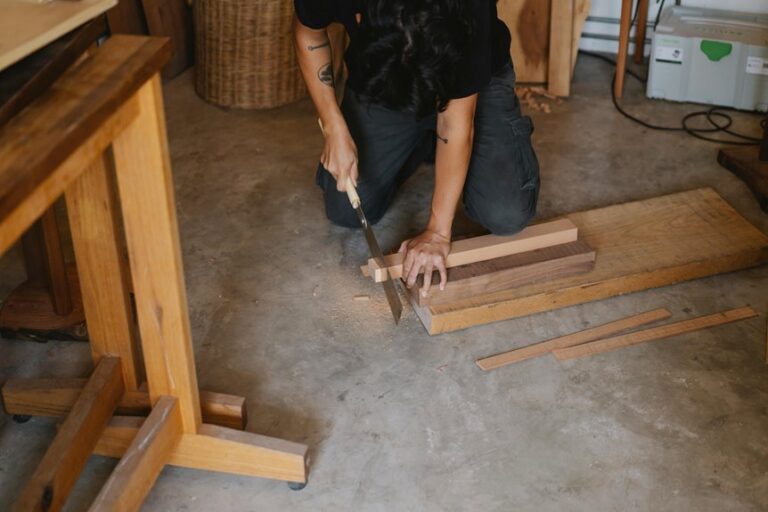
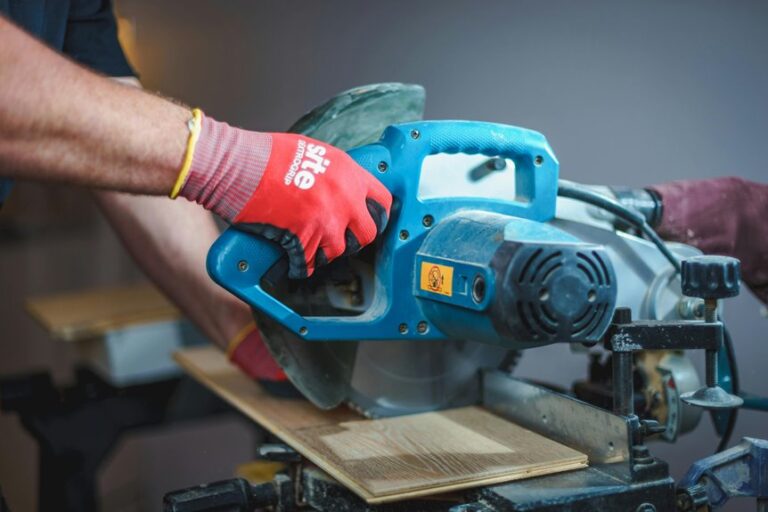
Framing a house, ripping plywood on a driveway, or squeezing cuts into a one-car garage all demand different tools, which is why a single “best saw” answer rarely holds up. This shortlist covers the heavy-duty workhorse most framers reach for, the compact version built to ride in a truck bed, plus the accessories that make either one cut cleaner. Every entry here earns its spot through specs and real-world fit, not hype. Match the tool to your typical material and workspace and you’ll spend far less time fighting your equipment.
The Shortlist At A Glance
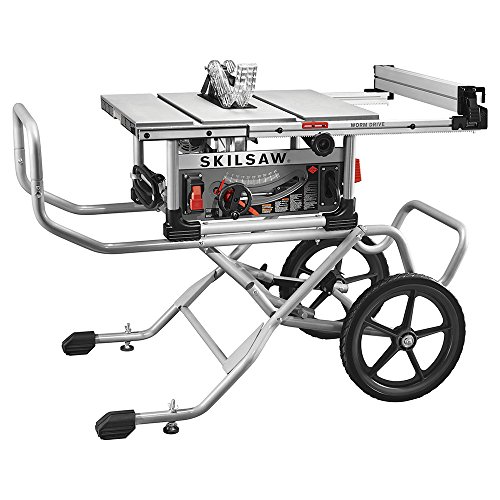
SKIL SPT99-11 Heavy Duty Worm Drive Table Saw with Stand
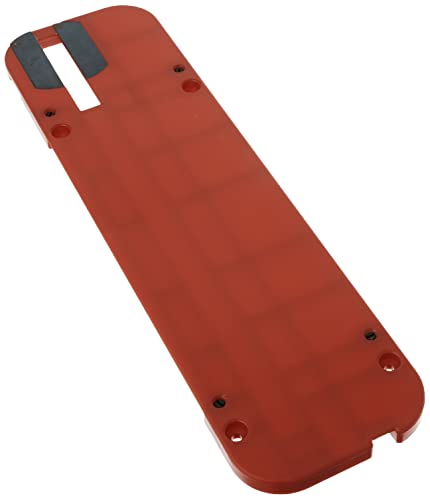
Bosch TS1005 Zero Clearance Insert Assembly

Metabo HPT C10FCG2 Single Bevel Compound Miter Saw
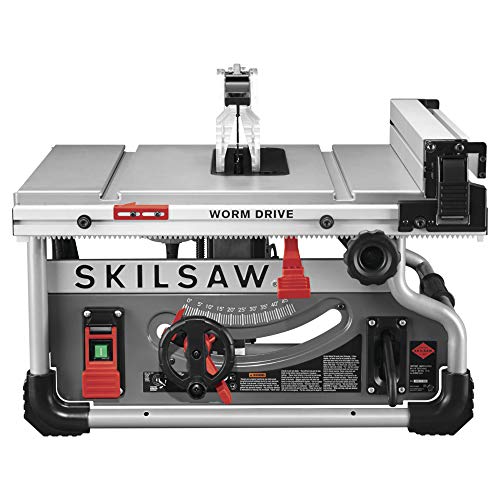
SKIL SPT99T-01 Portable Worm Drive Table Saw

BORA Portacube PM-8000 Miter Saw Stand
A Breakdown Of The Leading Choices
The SPT99-11 carries SKILSAW’s worm drive gearing, a drivetrain layout where the motor sits parallel to the blade and trades raw speed for torque. In practice that means dense plywood and stacked sheet goods stop bogging the motor down. The included stand matters too, since hauling a 10-inch saw without one gets old fast.
Rip capacity stretches to about 30-1/2 inches, wide enough to rip a full sheet lengthwise in one pass, and depth of cut reaches roughly 3-5/8 inches for thicker stock. Compared with the smaller SPT99T-01 later in this list, this is the version for crews who leave it on site all week rather than loading it daily.
Strong Points
- Worm drive gearing delivers high torque under load, so thick hardwood and wet-treated lumber cut without stalling.
- The 30-1/2-inch rip capacity handles full sheets, saving you from flipping boards mid-cut.
- A rack-and-pinion fence adjustment moves smoothly and locks square, which keeps repeatable rips accurate through a long day.
- Ships with a stand, so setup on uneven ground takes minutes instead of an improvised bench.
Things To Consider
- Worm drive saws run heavier than direct-drive equivalents, so solo loading into a van is a workout.
- The gearbox oil needs periodic checking, a maintenance step direct-drive owners never think about.
Key Specs
Who It Suits Best
Framing crews and serious DIYers who rip sheet goods weekly and want one stationary-capable saw anchored on site.
Where Another Pick Suits Better
Anyone loading a saw in and out of a truck every morning will find the lighter SKIL SPT99T-01 far easier on the back.
This insert isn’t a saw at all, and that’s exactly why it belongs here. A zero clearance insert replaces the stock throat plate around the blade with an opening matched to the blade’s kerf, the slot the teeth actually cut. Narrower support around the blade means thin offcuts stop falling into the gap and plywood faces splinter less along the cut line.
It’s made for Bosch’s 4000-series benchtop saws, so check your model before ordering. At well under a pound, installation is a matter of dropping it into the existing recess, though you’ll typically raise the spinning blade through the plastic to cut its own opening. One honest caveat: because the opening hugs the blade, you’ll want a separate insert per blade thickness, and bevel cuts require re-cutting the slot at angle.
Positive Points
- Reduces the gap around the blade to kerf width, which visibly cuts down chip-out on veneered plywood.
- Supports narrow strips near the blade, so slim offcuts don’t drop into the saw body mid-rip.
- Drops straight into compatible Bosch 4000-series tables with no modification to the saw itself.
Small Caveats
- Fitment is limited to specific Bosch models, so owners of other brands get no benefit here.
- You’ll need to cut the initial slot yourself, and swapping between blade types means repeating that step.
Made For
Hobbyists and finish-focused woodworkers running a Bosch 4000-series saw who care about clean edges on visible surfaces.
Consider Something Else When
If your priority is raw cutting power rather than edge quality, the SKIL SPT99-11 reviewed above addresses a completely different need.
Not every jobsite needs a table saw, and trim work is where a miter saw earns its keep. This second-generation C10FCG2 pairs a 15-amp motor with a 10-inch blade and a single bevel range of 0 to 45 degrees, meaning the head tilts in one direction only for angled cuts. For crown, casing, and baseboard runs, that covers nearly everything.
The Xact Cut shadow line projects a guide onto the workpiece showing exactly where the blade lands, which trims seconds off every placement and adds up over a day of repeated crosscuts. Metabo HPT kept the weight down too, and that’s the real selling point against bulkier dual-bevel rivals. The trade-off is obvious: no bevel-left capability, so production installers doing complex compound angles may outgrow it.
What Stands Out
- Xact Cut shadow line shows the exact cut line before the blade drops, speeding up repeat placements.
- Lightweight build makes carrying it up stairs or between rooms genuinely painless.
- Ships with a 40-tooth TCT blade, decent enough for framing lumber right out of the box.
- Single bevel spans 0 to 45 degrees for standard trim angles.
Points To Note
- Bevel tilts one way only, which slows down certain compound-angle workflows.
- The included blade suits rough cuts; finish work will justify a finer replacement blade fairly quickly.
Feature Snapshot
Right Fit For
Remodelers and DIYers tackling trim, decking rails, and general crosscutting who value portability over dual-bevel flexibility.
Not Your Match When
Production cabinet shops needing long rips will get more done with the SKIL SPT99-11’s 30-1/2-inch rip capacity.
Think of this as the SPT99-11’s younger sibling, shrunk for people whose workshop has wheels. The same worm drive gearing survives the shrink, delivering torque in an 8-1/4-inch format that fits a truck bed alongside other gear. Depth of cut drops to roughly 2-5/8 inches and rip capacity to about 25 inches, still enough to handle sheet goods with a flip or a supporting roller stand.
All-metal construction is the detail worth pausing on, since many portable saws lean on plastic housings that crack after one bad drop off a tailgate. Owners commonly report the rack-and-pinion fence holding square trip after trip, which matters when you’re setting up on gravel at 7 a.m. You may find the smaller blade limiting on thick beams, but for deck boards, plywood, and trim stock, it rarely feels cramped.
Noteworthy Benefits
- Worm drive torque in a portable body, unusual at this size class.
- All-metal build tolerates jobsite knocks better than plastic-housed competitors.
- 25-inch rip capacity covers most sheet-goods tasks despite the compact footprint.
- Rack-and-pinion fence adjusts quickly and stays accurate between setups.
Room For Improvement
- The 2-5/8-inch maximum cut depth rules out thick timbers in one pass.
- No folding stand included, so plan for sawhorses or a separate support solution.
The Details
Who Will Love This
Solo contractors and weekend builders who haul their saw daily and refuse to sacrifice cutting torque for portability.
Look Elsewhere When
Crews cutting full sheets all day should step up to the SKIL SPT99-11, whose larger blade and wider rip capacity remove the compromises entirely.
A great saw bolted to wobbly sawhorses wastes its own accuracy, and the Portacube PM-8000 exists to solve that. The core unit gives you a solid 30-inch mounting surface for your miter saw, then two side wings fold out and lock, stretching the work surface to 60 or even 90 inches. Long baseboard and crown pieces finally have somewhere to rest while you cut.
Integrated wheels let you roll the whole station around a garage or site without disassembly, and the rotating top lets the saw pivot toward long stock instead of you walking around it. Compared with basic leg-style stands, this behaves more like a mobile workstation than a perch. Worth noting though: folded, it still occupies real storage space, and the added hardware means more moving parts to keep tight over years of use.
Points In Its Favor
- Folding wings expand the surface from 30 to 90 inches, supporting long trim on both sides of the blade.
- Rolling design moves the entire station with the saw mounted, no breakdown required.
- Rotating top swings the saw toward lengthy workpieces, cutting wasted steps.
- Locking wing mechanism keeps extended sections stable under load.
Trade Offs To Consider
- Storage footprint stays substantial even folded, a real issue in tight garages.
- Hinges and locking hardware benefit from occasional tightening as reported by long-term owners.
The Right Fit
Finish carpenters and garage woodworkers cutting long trim regularly who want one stable station instead of improvised supports.
Skip It When
Anyone with minimal storage space or light, occasional cutting needs will find simple sawhorse setups more practical than the PM-8000.
What Matters Most Before Choosing Job Site Table Saws
Match Power To Your Material
Worm drive gearing favors torque, which pays off in wet lumber and dense sheet goods. Direct-drive designs spin faster and weigh less, suiting trim and plywood work. Be honest about what you actually cut most weeks, not what you might cut once.
Rip Capacity And Footprint Trade Together
A 30-inch rip capacity handles full sheets in one pass but demands floor space and muscle to relocate. An 8-1/4-inch portable model sacrifices some capacity yet loads into a car trunk. Measure both your workspace and your vehicle before committing.
Don’t Forget The Support Cast
Stands, zero clearance inserts, and rolling bases shape daily experience as much as the saw itself. A fence that drifts or a stand that flexes undermines an otherwise capable machine. Budget for these alongside the primary purchase.
Weight Is A Daily Cost
Every pound becomes a lift at 6 a.m. and again at quitting time. Solo operators feel this most, especially on stairs and uneven ground. Heavier usually means more stable, so decide which side of that trade your body prefers.
A Few Things Worth Knowing Up Front
Where Shoppers Go Wrong
The classic mistake is buying rip capacity you’ll never use, then discovering it won’t fit the garage. Another frequent slip: pairing a powerful saw with a flimsy stand, which cancels out accuracy gains. Check blade availability for odd sizes too, since replacement options for uncommon diameters run thinner than the standard 10-inch market.
The Case For Spending Up
Higher-tier machines buy all-metal construction, smoother fence systems, and geared drivetrains that hold calibration longer. That translates to fewer adjustments mid-project and parts that survive drops. For anyone cutting weekly or earning with the tool, the upgrade typically pays for itself in saved time and frustration.
Frequently Asked Questions
Can a portable 8-1/4-inch table saw replace a full-size 10-inch model?
For deck boards, trim, and most plywood tasks, yes, with minor repositioning on full sheets. Thick timbers and production ripping remain the territory of larger machines.
Why does worm drive matter in a table saw?
It gears the motor for torque instead of speed, keeping the blade from bogging in dense or wet material. The cost is added weight and periodic gearbox maintenance.
Do zero clearance inserts really reduce splintering?
They support the wood fibers right up to the blade edge, which measurably limits chip-out on plywood and veneers. Results are most visible on crosscuts and thin stock.
Is a miter saw stand necessary for occasional use?
For a handful of cuts a month, sturdy sawhorses work fine. Regular trim work benefits enormously from stable, extended support on both sides of the blade.
How much rip capacity does a typical DIYer need?
Most home projects involve ripping plywood to narrower widths, so 25 inches covers the majority of cases. Full-sheet cabinetry work justifies stepping toward 30 inches.
Closing Thoughts
Your best choice comes down to how the tool travels and what it cuts. The SKIL SPT99-11 anchors a busy site, the SPT99T-01 rides shotgun in a truck, and the BORA Portacube turns any corner into a workstation. Add the Bosch insert for cleaner edges and the Metabo HPT for trim days, and the whole kit covers a working year. Start with the saw that matches your heaviest weekly task, then build around it.