


Most homes need one reliable ladder, not five. The trouble is picking the wrong style: a stepladder that’s too short for the gutters, or an extension model that eats your entire garage. This shortlist covers both problems, from compact indoor steps to a multi-position workhorse, so you can match the tool to your actual ceiling height and storage space.
The Picks In Brief

Louisville W-3215-06 6 ft. Fiberglass Ladder
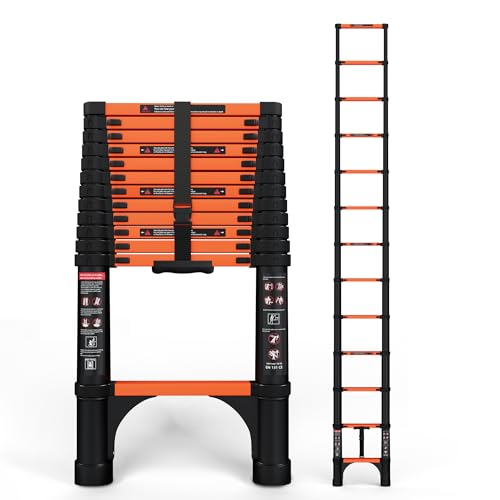
SINMEIRUN Telescoping Ladder 12.5 FT (Orange)

Louisville FS4008 8-Foot Fiberglass Step Ladder

LUISLADDERS 7-in-1 Aluminium Combination Ladder (12.5 Feet)

WOA WOA 6 Step Ladder, Black
Why These Options Stand Out
Fiberglass matters here because it doesn’t conduct electricity. That makes this 6-foot Louisville the sensible choice for swapping fixtures, changing bulbs near a live panel, or any task where aluminum would make you nervous. At 225 pounds of rated load capacity (Type II duty rating), it comfortably handles most adults plus a drill and a paint pail.
The ProTop cap is the quiet star. Slots hold screwdrivers, a hammer, and paint cans, so you’re not climbing down every time you need a second tool. Compared with the taller Louisville FS4008 later in this list, this one trades reach for easier garage maneuvering.
Positive Takeaways
- Non-conductive rails let you work safely near outlets, switches, and breaker boxes.
- Riveted 3-inch aluminum steps resist flexing underfoot, which owners commonly report feels steadier than basic stamped rungs.
- The pinch-resistant spreader brace saves your fingers during setup and fold-down.
- ProTop slots and a pail hook keep tools at hand height instead of on the floor.
Things To Consider
- Six feet won’t reach second-story gutters, so plan accordingly.
- Fiberglass weighs more than equivalent aluminum, which some users notice on stairs.
Key Specs
Who It Suits Best
A first-time homeowner handling bulbs, smoke alarms, and light electrical upkeep who wants one dependable indoor-outdoor ladder.
Where A Sibling Pick Shines
For vaulted ceilings or exterior gutter work, the SINMEIRUN telescoping model extends far higher while storing smaller.
Telescoping ladders collapse rung by rung into a tube that slides behind car seats or stands in a closet corner, and this 12.5-foot orange SINMEIRUN is built for exactly that lifestyle. It carries a Type IA heavy-duty rating up to 330 pounds, which covers professional-grade loads despite its portable footprint. Rungs sit roughly 11.8 inches apart, a spacing that keeps your climbing rhythm natural rather than stretched.
Each step uses a double height-locking latch, meaning two locking points engage per rung before you put weight on it. In our view, that redundancy is what separates trustworthy telescoping designs from sketchy ones.
Where It Helps
- Retracts to a fraction of its extended length, solving storage for apartment dwellers and truck commuters.
- 330-pound Type IA capacity suits contractors and homeowners hauling tools aloft.
- Double locks per rung add a visible safety check before each climb.
- Bright orange finish makes it easy to spot in a crowded garage or worksite.
Honest Caveats
- Owners frequently note the locking mechanisms need occasional cleaning to retract smoothly after dusty outdoor use.
- Extended fully, it’s a leaning ladder only; there’s no self-supporting A-frame mode.
Feature Snapshot
Made For
DIYers with limited storage who still want genuine single-story exterior reach without owning a full extension ladder.
Another Choice May Suit
Anyone needing scaffold-style platforms or A-frame stability should look at the LUISLADDERS 7-in-1 combination unit instead.
Think of this as the bigger sibling of the Louisville W-3215-06 reviewed earlier. Same non-conductive fiberglass construction and 225-pound Type II rating, but two extra feet of ladder puts the top cap near standard first-floor ceilings, letting a person of average height reach fixtures and crown molding without stretching.
The curved front edge of the top is a detail worth noticing: it gives your legs somewhere comfortable to rest when you lean in for precision work like painting trim. A molded ProTop adds a hardware tray, paint holder, pipe slot, tool slots, and even a magnet for screws, which tradespeople tend to appreciate more than weekend painters realize they will.
What Works In Its Favor
- Eight feet of reach covers tall ceilings, high shelving, and most interior painting without an extension ladder.
- Curved top front reduces leg fatigue during long standing sessions.
- Slip-resistant rubber feet grip hardwood and tile floors confidently.
- Integrated magnet and tray keep fasteners from vanishing mid-project.
Points To Keep In Mind
- An 8-foot fiberglass frame is genuinely heavy; carrying it upstairs solo takes effort.
- It needs a wide stance when open, tight hallways can be awkward.
Right Fit For
Homeowners tackling whole-room repaints, tall-ceiling fixtures, or frequent interior projects where extra height pays off weekly.
Skip It When
Storage space runs tight; the WOA WOA six-step folds to just two inches thick and handles most indoor tasks.
One ladder doing seven jobs sounds gimmicky until you actually own one. This LUISLADDERS converts between stepladder, leaning extension, and scaffold positions using six locking hinges, reaching up to 12.5 feet depending on configuration. Aircraft-grade aluminum with square rungs keeps it stable, and it meets the EN131 standard, a European safety benchmark for portable ladders, while supporting 330-pound loads.
Folded, it measures about 40.5 by 11 by 23.5 inches, so it tucks along a garage wall. The honest trade-off: versatility demands attention. The manufacturer advises adjusting shapes with the ladder flat on the ground and leaning it at roughly 75 degrees, and reading the manual first is genuinely good advice here.
A Favorable Mix
- Seven working positions replace several single-purpose ladders in one purchase.
- Scaffold mode creates a stable platform for longer tasks like sanding or painting walls.
- Six security locks reconfigure quickly once you learn the sequence.
- Compact folded footprint suits shared garages and sheds.
Trade Offs To Consider
- Learning curve is real; misconfigured hinges are a commonly reported beginner mistake.
- Aluminum conducts electricity, unlike the fiberglass Louisvilles earlier in this list.
- Multiple hinge joints mean more parts to keep clean and moving freely over time.
Quick Facts
Who Should Grab It
Handy homeowners with rotating project lists who’d rather master one adaptable tool than store three specialized ones.
Reach For A Different Pick When
Electrical work dominates your to-do list; the non-conductive Louisville FS4008 is the safer call there.
Not everyone has a garage. This black six-step folding ladder closes to roughly two inches thick, thin enough to slide beside a refrigerator or behind a bedroom door, yet its 300-pound capacity out-rates both fiberglass picks above. The triangular frame and thickened members give it a planted feel on hard floors.
With the top step around 4.5 feet high, someone about 5.5 feet tall can reach 12-foot ceilings, handy for smoke detectors, mounted cameras, and high cabinets. Open dimensions run about 71 by 46 by 19 inches, so measure your tallest room before ordering. Unlike the telescoping SINMEIRUN, it’s self-supporting, no wall required.
Practical Pluses
- Folds flatter than anything else here, ideal for closets and apartments.
- Self-standing design means no hunting for a safe lean angle indoors.
- 300-pound rating adds margin over typical household stepladders.
- Wide open base resists tipping during two-handed overhead work.
Softer Spots
- Nearly six feet of open width needs clear floor space in smaller rooms.
- No tool tray or hook, so supplies stay in pockets or on the floor.
The Right Fit
Apartment dwellers and minimalists who want serious reach without dedicating garage square footage to a ladder.
Swap It Out When
You regularly work outside on gutters and roofs; the SINMEIRUN’s 12.5-foot extension mode fits those jobs better.
What To Weigh Before Buying A Household Ladder
Match Height To Your Actual Tasks
Measure the highest thing you’ll realistically touch, then subtract four to six feet, because you should never stand on the top cap. A 6-foot stepladder typically lets an average adult reach 10-foot ceilings; gutters usually demand 12 feet or more of extension. Buying one size up costs little; buying three sizes up wastes storage forever.
Material Decides Where You Can Work
Fiberglass doesn’t conduct electricity, which makes it the default for anything near wiring, panels, or outdoor lines. Aluminum weighs less and costs less but belongs nowhere near live circuits. For mixed-use households, many people keep fiberglass for indoor and electrical work and accept the extra heft.
Duty Ratings Are About Margin
Type II ratings cover 225 pounds, Type IA covers 330. Your body plus a drill, paint can, and toolbox adds up faster than expected. Choosing the heavier rating means the ladder never feels strained under real-world loads.
Storage Footprint Is A Feature
A great ladder you can’t store becomes a ladder you resent. Telescoping and folding designs trade a bit of rigidity for dramatically smaller stowed profiles, which matters enormously in condos and townhomes.
Key Considerations Across These Picks
Wrong Turns To Avoid
The classic error is buying for the rare job instead of the common one. A 12.5-foot ladder used twice a year that blocks your garage aisle daily is a bad trade. Another frequent miss: ignoring floor type, since rubber feet matter on tile and spike-like edges belong outdoors only.
What Separates Premium From Basic
Higher-capacity ratings, reinforced gusset bracing, molded tool tops, and dual-locking hardware all cost more to manufacture. You feel the difference in stability under load and in how long the joints stay tight. Frequent users recover that premium within a season; occasional climbers rarely need it.
Frequently Asked Questions
What size ladder suits a standard home?
A 6-foot stepladder handles most indoor tasks for average-height adults. Add a 12-foot-plus option only if gutters, rooflines, or tall exteriors are on your list.
Is fiberglass really necessary?
Only for electrical work. Fiberglass rails don’t conduct current, making them the right material near panels, fixtures, and outdoor wiring. Aluminum is fine for painting and general carpentry.
How much weight capacity do I need?
Add your body weight plus the heaviest tools you carry up. Most households are covered at 225 pounds; 300 to 330 leaves generous margin for gear-heavy jobs.
Are folding combination ladders safe for beginners?
Yes, with patience. Read the instructions fully, adjust shapes with the ladder flat on the ground, and verify every lock before climbing. The learning curve flattens after a few sessions.
Where should a ladder be stored?
Somewhere dry, flat, and out of walkways. Wall hooks suit rigid models, while telescoping and slim-fold designs tuck into closets or behind doors without hardware.
Closing Thoughts
Every pick here solves a different version of the same problem: getting you safely to something slightly out of reach. Match the height to your ceilings, respect the material near electricity, and be honest about your storage space. Do that, and whichever of these five ends up in your cart will serve you for years of ordinary home upkeep.




