Running sessions in Pro Tools means your machine fights latency, plugin chains, and big session files all day. The right laptop keeps buffers low and crash dialogs away, while the right bag gets that machine to the studio in one piece. Below you’ll find three machines matched to different budgets plus two rugged carry options worth pairing with them.
The Main Contenders

Dell Precision 7770 Workstation Laptop (Renewed)

Veto Pro Pac TP-XXL (Original)

HP 255 G10 Business Laptop Ryzen 7 32GB

Klein Tools 62805BPTECH Tech Tool Backpack
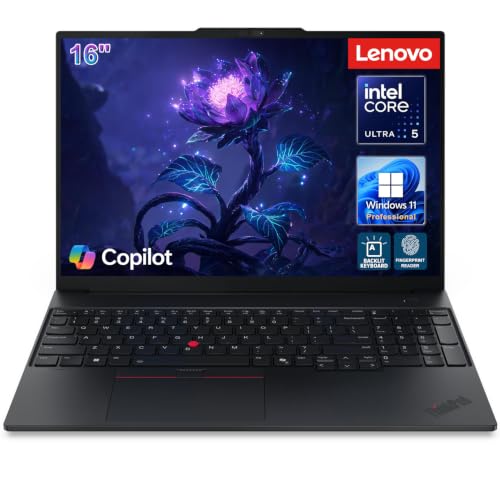
Lenovo ThinkPad E16 Ultra 5 Win 11 Pro
A Breakdown Of The Leading Choices
This is the machine you buy when your sessions stop fitting in smaller laptops. A Core i9-12950HX with 16 cores pushing up to 5 GHz gives you room for dense virtual instrument stacks and low-latency tracking at the same time, which is exactly where lesser CPUs start stuttering.
The 17.3-inch FHD screen is generous for mixing and editing windows side by side, and the 64GB of RAM plus 1TB SSD mean sample libraries live on the drive instead of an external box. Being a renewed unit, it arrives at a friendlier outlay than new workstation-class hardware.
Where It Excels
- 16-core i9 headroom handles heavy plugin chains without buffer gymnastics
- 64GB RAM keeps large orchestral and drum libraries resident in memory
- 1TB SSD loads big session files fast and leaves room for projects
- 17.3-inch display suits multi-window mix and edit workflows
- Renewed pricing makes workstation-grade silicon far more attainable
Trade Offs
- The 17-inch chassis is bulky for daily commuting, so plan a sturdy bag like the Klein backpack below
- Renewed units can show light cosmetic wear depending on the seller’s refurbishment standard
Who It Suits Best
Full-time producers and post engineers who run large sessions daily and want desktop-class power they can still carry between rooms.
Where Another Pick Suits Better
Songwriters who mostly track vocals and guitars will find the Lenovo ThinkPad E16 covers their needs in a lighter, newer package.
A laptop alone doesn’t get you through a session day; cables, adapters, meters, and drives ride along too. The Veto TP-XXL is built for exactly that loadout, with 47 pockets arranged so small items stop vanishing into one black hole compartment.
The V-SWAP removable panel system lets you reconfigure pockets around your actual kit instead of the factory layout, and owners commonly report the construction shrugging off years of site work. A hang-up hook stays reachable whether the bag sits open or closed, handy when studio floor space is tight.
Bright Spots
- 47 pockets keep interfaces, dongles, and tools sorted by habit
- V-SWAP panel system reorganizes storage to match your gear
- Rear tablet pocket and two padded meter pockets protect fragile electronics
- Hang-up hook works with the bag open or closed
Worth Noting
- At this capacity the bag gets genuinely heavy once loaded, so the padded shoulder strap earns its keep
- It’s a tote-style bag rather than a backpack, which some commuters find less balanced on transit
At A Glance
Made For
Location engineers and AV techs hauling a laptop plus meters and accessories between venues every week.
Consider Something Else When
Backpack-style carrying matters more than raw capacity, in which case the Klein Tools 62805BPTECH below distributes weight better.
Compared with the Dell’s brute force, this HP takes the sensible route: an 8-core Ryzen 7 7730U with 32GB of RAM, which comfortably runs mid-sized Pro Tools sessions with a modest buffer. For home studios tracking a few tracks at a time, that’s honestly enough.
The 15.6-inch anti-glare IPS panel helps near windows, Wi-Fi 6 keeps cloud collaboration smooth, and HDMI output feeds a second monitor for mixer views. Windows 11 Pro comes standard, useful if your interface software prefers business-channel updates.
Well-Handled Touches
- 32GB RAM supports sizable sessions and multitasking without constant freezing tracks
- 1TB PCIe SSD holds project archives locally with quick load times
- Anti-glare IPS display stays readable in bright rooms
- Numeric keypad speeds up parameter entry and gain staging by hand
Small Caveats
- The 250-nit panel brightness is modest, so very sunlit spaces may wash it out
- Integrated Radeon graphics won’t help video-heavy post work much
- Laptop keyboards collect debris over time; a quick monthly blow-out keeps the keys feeling crisp
Right Fit For
Home studio owners and podcasters who want reliable mid-size session performance without workstation money.
A Better Fit Elsewhere
Producers running orchestral templates will outgrow this quickly and should step up to the Dell Precision 7770’s 16 cores and 64GB.
Klein designed this Tradesman Pro pack around a simple reality: your laptop rides in back, your tools ride in front, and nothing shares space. The padded rear pocket accepts machines up to 17.3 inches diagonal and 1.5 inches thick, which covers even the Dell Precision from earlier in this list.
A molded bottom lets the pack stand upright on concrete or studio floors, and 28 pockets spread across two main compartments keep meters separate from delicate electronics. The integrated charging port is a quiet convenience during long days away from outlets.
Good Reasons To Consider
- Padded sleeve fits laptops up to 17.3 inches with 1.5 inches of thickness allowance
- Molded bottom stands upright and resists wear from rough surfaces
- Two-compartment split keeps tools away from screened devices
- Charging port supports top-ups on the move with your own power bank
Points To Note
- Zipper sliders take the most abuse on any backpack; an occasional dry-graphite lube keeps them gliding
- At extra-large sizing, it may feel oversized for minimal carry days
Feature Snapshot
Who Will Love This
Commuting audio techs and field recordists who carry a large laptop plus hand tools on public transit or job sites.
Skip It When
You need maximum pocket variety and don’t mind shoulder-carry, because the Veto Pro Pac TP-XXL offers more organization overall.
The newest platform here pairs Intel’s Ultra 5 225H with 16GB of DDR5, a combination aimed at efficient everyday performance rather than benchmark bravado. DDR5 memory moves data faster than older DDR4 sticks, which helps session playback stay steady under moderate plugin loads.
ThinkPads have long been the commuter’s laptop, and this E16 continues that with a backlit keyboard for late-night writing and a fingerprint reader for quick, secure logins. The 512GB SSD is adequate for starters, though growing sample libraries will eventually nudge you toward external storage.
Useful Highlights
- Intel Ultra 5 225H balances performance and efficiency for all-day battery stretches
- DDR5 memory improves bandwidth for smoother multitrack playback
- Fingerprint reader adds biometric login security shared across devices
- Backlit keyboard makes late sessions easier on the eyes
Honest Caveats
- 16GB RAM and a 512GB SSD are starting points; heavy sample users may hit limits within a year or two
- Keyboard crumbs are a known ThinkPad quirk, so periodic cleaning under the keycaps pays off
Quick Facts
The Right Fit
Students, singer-songwriters, and first-time DAW owners building a capable starter rig on a modern platform.
Swap It Out When
Your template regularly exceeds 30 tracks with plugins, since the HP 255 G10’s 32GB configuration buys more breathing room.
What Matters Before You Commit
Match Cores And RAM To Your Session Size
Plugin-heavy mixes eat CPU, and sample libraries eat RAM. Small vocal-and-guitar sessions run fine on 8 cores with 16GB, while orchestral or post work rewards 12 or more cores and 32GB or better. Size your purchase to the sessions you actually make, not the ones you imagine.
Storage Speed Beats Storage Size
A PCIe NVMe SSD, meaning a drive that plugs directly into the motherboard rather than using old SATA cabling, keeps audio streaming smoothly during playback. Aim for at least 512GB, and plan an external drive for archived projects before the internal fills up.
Don’t Forget The Carry
A 17-inch workstation weighs noticeably more than a 15-inch business laptop. Pairing the right machine with a padded, structured bag protects both your investment and your shoulders on commute days.
Ports Decide Your Interface Life
Audio interfaces connect over USB or Thunderbolt. Confirm the laptop’s port selection matches your interface generation, or budget for adapters that add latency-free connections.
Key Considerations Across These Picks
Traps First Timers Fall Into
The classic mistake is buying on processor name alone and skimping on RAM, then wondering why sessions choke at 24 tracks. Another common slip is ignoring weight; a powerful 17-inch laptop that never leaves the desk defeats its own purpose. Check ports against your interface before checkout, not after.
The Case For Spending Up
Higher-tier machines earn their cost through sustained performance, not peak numbers. More cores and memory mean lower buffer settings while mixing, fewer frozen tracks, and less time babysitting playback errors. For anyone billing hours in a DAW, that reliability converts directly into finished work.
Frequently Asked Questions
How much RAM does Pro Tools really need?
Sixteen gigabytes handles typical music production sessions comfortably. Thirty-two gigabytes or more suits orchestral libraries, film post, and heavy virtual instrument work.
Are renewed workstation laptops safe for audio work?
Reputable renewed programs inspect and certify hardware function before resale. Many arrive at significant savings versus new, making them a practical route to workstation-class specs.
Does a numeric keypad matter for music production?
It’s more useful than most people expect for typing values into plugin fields and gain boxes. Mixers who work by numbers tend to miss it once they’ve had it.
Why include tool bags in a laptop roundup?
Mobile engineers carry more than a laptop, and these bags protect expensive machines alongside meters and cables. The Klein and Veto options both fit large workstations with padding.
Can a business laptop replace a dedicated audio PC?
Yes, provided it has sufficient RAM, a fast SSD, and compatible ports for your interface. Modern chips like the Ryzen 7 7730U or Intel Ultra series handle professional sessions without issue.
Wrap Up
Your best choice depends on session size and travel habits more than any spec sheet. The Dell Precision 7770 serves demanding professionals, the HP 255 G10 covers home studios sensibly, and the ThinkPad E16 fits students and songwriters starting out. Whichever machine you land on, give it a proper padded home for the road. Your future sessions will thank you.