A crisp edge along a driveway or flower bed is what separates a maintained lawn from a neglected one, and doing it by hand or with a small cordless machine costs far less than hiring a crew. The problem is that most edgers look alike online while performing very differently in real soil. This guide sorts five options for different yards and different bodies: two heavy manual blades for tough turf, a folding string trimmer for tight storage, a long-handled half-moon tool for sore backs, and a battery-powered edger for larger properties.
A Snapshot Of The Selections
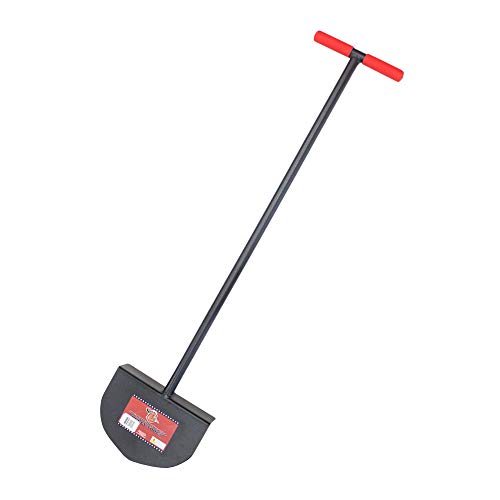
BULLY TOOLS 12-Gauge Manual Lawn Edger with Steel T-Grip

Root Slayer 22611 Serrated Garden Edger, Red

KOMASTY 20V Cordless String Trimmer & Edger, 12 Inch

Byhagern Half Moon Saw-Tooth Lawn Edger, Long Handle
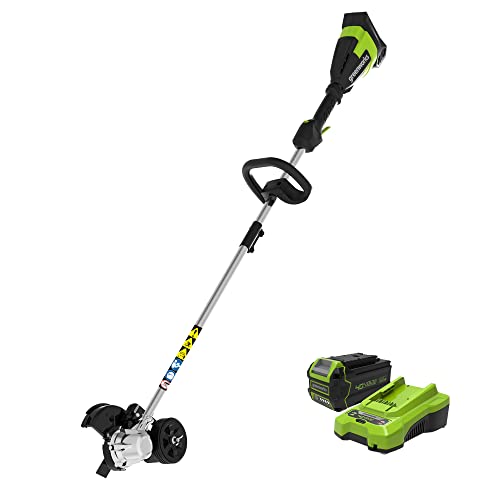
Greenworks 40V 8-Inch Cordless Electric Lawn Edger
A Breakdown Of The Leading Choices
Gauge, in steel terms, is thickness, and lower numbers mean thicker metal. A 12-gauge blade is genuinely commercial territory, which is why this edger suits anyone cutting through compacted soil along sidewalks, driveways, or established beds rather than fluffing up loose dirt. The 38-inch shaft with a T-style grip gives you two-handed leverage when you drive the blade down.
For seasonal sod removal or trenching before laying landscape borders, the heft works in your favor; the blade sinks instead of flexing. It is heavier than the Root Slayer below, so expect more effort per stroke on soft ground.
A Few Strong Suits
- Thick 12-gauge steel resists bending where thinner blades dent in rocky soil
- T-style grip lets you push straight down with both hands for cleaner cuts
- Doubles as a sod cutter and trench digger, replacing three single-purpose tools
- No fuel, cords, or batteries to maintain between uses
Honest Caveats
- The added steel weight can tire you out faster than lighter half-moon designs
- Manual blades need occasional cleaning and a light oil wipe after wet weather to stay ahead of rust
Who Should Grab It
Homeowners tackling hard-packed clay, thick turf, or full bed renovations want this kind of blade.
Swap It Out When
For root-filled beds with shallower work, the Root Slayer 22611’s serrated teeth cut through obstructions with less muscle.
Where the BULLY TOOLS relies on raw steel mass, this one leans on geometry. The half-moon blade ends in an inverted V-shaped point, which bites into soil instead of skidding off it, and serrated teeth along the edges saw through shallow roots that would stop a plain blade cold. That combination makes it a quiet, emission-free stand-in for gas-powered edgers around walkways and planting beds.
Build quality holds up too: the carbon steel blade carries a powder coating for corrosion resistance, and the resin-encased fiberglass shaft stays rigid under pressure with a non-latex grip. Depending on your soil, you may find the serrations need a rinse after clay-heavy sessions, but that is minor upkeep.
The Good Stuff
- V-shaped tip penetrates compact soil without bouncing off roots or rocks
- Powder-coated carbon steel shrugs off moisture far better than bare metal
- Fiberglass shaft absorbs shock better than wood and will not splinter
- Silent operation means you can edge early without waking the street
Small Limitations
- Serrations trap soil and grass clippings, so plan on rinsing the blade after each session
- Lighter build than the BULLY TOOLS means less momentum in very hard ground
Key Product Details
Made For
Gardeners maintaining established beds with tree roots and fibrous growth get the most from this design.
A Better Fit Elsewhere
Wide sidewalk strips with pure turf suit the Byhagern half-moon edger better, since its footplate drives straight cuts faster.
A string trimmer trims grass with a spinning nylon line, and this KOMASTY doubles as an edger for lawn borders, all powered by two included 2.0Ah batteries with a charger. The 12-inch cutting width keeps it nimble in small yards, and auto line feed advances fresh line without you stopping to bump or reload constantly.
Storage is the real story here. The shaft folds in multiple directions so it stands vertically in a closet corner or crowded garage, something no manual blade in this list can do. With a 90-degree adjustable head and rotating handle, slopes and fence lines become reachable. For apartment dwellers or townhouse owners, that flexibility plus dual batteries covers a whole weekend of trimming and edging without recharge anxiety.
A Favorable Mix
- Two 2.0Ah batteries let you swap mid-job instead of waiting on a charge
- Folding shaft stores upright in spaces where long tools simply will not fit
- Adjustable head and handle reach under benches and along uneven slopes
- Auto line feed keeps cutting continuous during longer sessions
Things To Consider
- Nylon line slices grass neatly but will not trench through packed soil like a steel blade
- Small yards are the sweet spot; large properties mean frequent battery swaps
Feature Snapshot
Right Fit For
Apartment and townhouse residents with modest lawns who need one tool for both trimming and light edging.
Where A Sibling Pick Shines
Defined driveway borders call for the Greenworks 40V edger, whose dedicated blade cuts a sharper line than any trimmer line can.
Back strain is the reason most people quit hand-edging, and Byhagern built this tool specifically against it. The extra-long handle keeps you standing nearly upright, while the wide footplate spreads pressure across your shoe so each push feels stable rather than pinched. A non-slip grip helps on humid mornings when hands sweat.
The blade itself is a curved half-moon lined with saw teeth, and those teeth matter: they bite and slice through grass and roots instead of merely compressing soil the way smooth blades do. Compared with the Root Slayer’s V-tip, this design favors straight border lines along sidewalks and flower beds over root-chasing in beds. In our view it is the most comfortable manual option here for recurring maintenance work.
Benefits That Matter
- Long handle dramatically reduces bending during extended edging sessions
- Saw-tooth edge slices dense turf with noticeably less downward force
- Wide footplate accommodates every shoe size and improves leverage
- Non-slip grip maintains control with damp or gloved hands
Potential Sticking Points
- Steel blade benefits from a dry-wipe after rain to prevent surface rust over time
- No spec sheet lists exact handle length, so confirm fit before ordering if height matters to you
Who Will Love This
Anyone with back sensitivity who still wants crisp manual borders along sidewalks and flower beds.
Skip It When
Sod-cutting projects demand the thicker 12-gauge steel of the BULLY TOOLS edger instead.
This is the step up from hand tools: a dedicated wheeled edger with an 8-inch steel blade driven by a brushless motor, meaning the motor skips friction brushes for less wear and quieter running. It arrives with a 4.0Ah battery and charger, so the kit is complete out of the box.
Long driveways and sidewalk runs are where it earns its keep. Rolling the blade along the pavement edge produces a consistent depth that no manual swing matches, even over slightly uneven ground. Owners commonly note how much less tiring a full-property edge becomes compared with the Byhagern or BULLY TOOLS blades above. The trade-off is storage footprint and a higher entry cost, though battery sharing across other 40V tools offsets that in many garages.
Positive Points
- Brushless motor extends tool life and runs noticeably quieter than gas units
- 8-inch steel blade carves uniform depth along long paved edges
- 4.0Ah battery and charger included, ready for first use
- No fumes or pull-cord starting, ever
Points To Note
- Larger and heavier to store than any manual pick in this list
- Blade will dull with heavy concrete contact, so periodic inspection keeps cuts clean
The Numbers That Matter
Whose Shed It Belongs In
Owners of quarter-acre-plus properties with long driveways and walkways benefit most from powered consistency.
Another Choice May Suit
Compact urban yards with minimal pavement fit the KOMASTY 20V trimmer’s smaller footprint and fold-away storage better.
What Matters Most Before Choosing Lawn Edging Tools
Match The Tool To Your Soil
Clay and compacted ground demand thick steel, like the BULLY TOOLS’ 12-gauge blade, while sandy loam forgives almost anything. Rocky or root-filled beds reward serrated or V-tipped designs that cut rather than bounce. Buying for your actual soil saves returns and frustration later.
Manual Versus Powered
Manual edgers cost little, store anywhere, and never run out of charge, but they ask for physical effort on every pass. Powered models such as the Greenworks trade that effort for money, weight, and charging routines. Properties under a few hundred feet of edging usually favor manual tools; longer runs justify the upgrade.
Ergonomics Decide Whether You Finish
Handle length, grip comfort, and footplate width determine whether edging feels like ten minutes or an hour of misery. Anyone with back issues should prioritize a long shaft before looking at anything else.
Storage Reality Check
Measure your space first. Folding designs like the KOMASTY solve apartment problems, while a five-foot manual shaft needs wall hooks or garage depth.
Key Considerations Across These Picks
Wrong Turns To Avoid
The classic error is buying a string trimmer expecting crisp trench lines, then discovering nylon line only trims. Another common slip is choosing a short-handled edger despite back trouble, which guarantees the tool gathers dust by July. Match blade type to soil, not to the prettiest listing photo.
When Paying More Pays Off
Higher-tier models buy brushless motors, thicker gauge steel, and larger batteries. Those upgrades translate directly into years of additional service and less fatigue per session. Frequent-use properties recover that cost quickly, while occasional touch-ups rarely justify it.
Frequently Asked Questions
How often should lawn edges be re-cut?
Most lawns look sharpest with edging every two to four weeks during active growing season. Slower seasons stretch that interval considerably.
Can a manual edger cut through tree roots?
Serrated or V-tipped models handle shallow surface roots reasonably well. Thick woody roots call for pruning shears or a saw instead.
Do battery-powered edgers work on wet grass?
They operate fine on damp turf, though wet soil clings to blades and wheels more heavily. Dry conditions produce cleaner results with less cleanup.
How deep should an edging cut go?
Two to three inches typically creates a defined border that holds its shape. Deeper cuts help with sod removal but take more effort.
Is edging necessary if I mow carefully?
Mowing alone leaves grass creeping over pavement edges within weeks. A periodic edge keeps borders crisp and reduces trimming workload overall.
Closing Thoughts
Every yard has its own answer here. Tough clay and renovation work point toward the BULLY TOOLS, root-laced beds favor the Root Slayer, and tired backs belong behind the Byhagern’s long handle. Small-space owners get genuine versatility from the KOMASTY, while sprawling driveways justify the Greenworks. Start with your soil and your storage space, and the right choice tends to make itself.