A dull mower blade tears grass instead of slicing it, leaving brown tips and an uneven lawn behind. Sharpening at home fixes that in minutes, and the right tool makes the difference between a clean edge and a mangled one. This roundup covers five options for DIYers who’d rather spend ten minutes with a sharpener than a morning hauling blades to a shop. Whether you sharpen once a season or touch up monthly, there’s a fit here for your routine.
A Snapshot Of The Selections

SporGain Lawn Mower Blade Balancer

SporGain Blade Sharpener & Balancer 15°-45°

All American Sharpener Model 5005 Gen 2
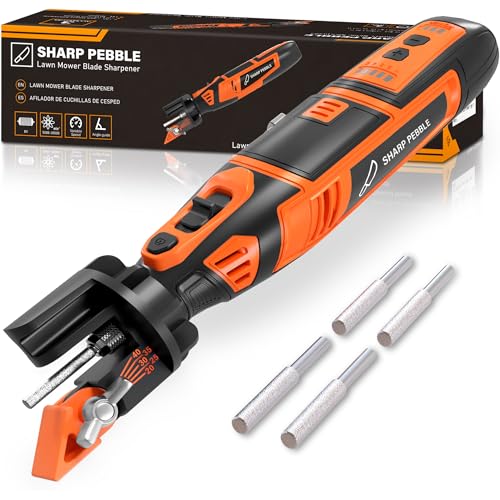
Sharp Pebble Cordless Mower Blade Sharpener
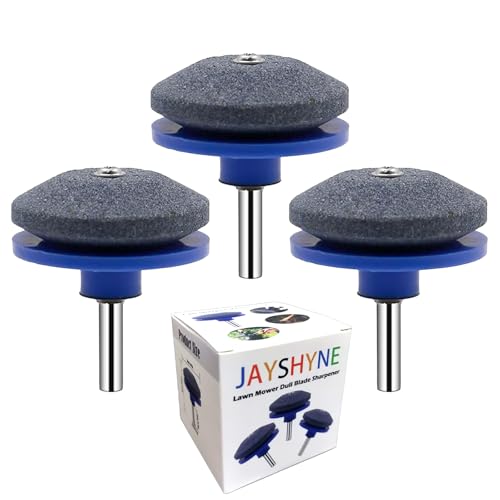
JAYSHYNE 3-Pc Sharpening Stone Wheel Kit
The Strengths Of Each Pick
Sharpening solves half the problem. An unbalanced blade wobbles at speed, shakes the deck, and wears the engine bearings faster than most people realize. This metal balancer from SporGain sits between two cones and shows you instantly which side of the blade runs heavy.
The metal body feels like it belongs in a garage toolbox rather than a junk drawer, and the universal design handles round, square, and other common center holes. For anyone pairing it with a standalone sharpener instead of a combo kit, this fills the missing step.
What Stands Out
- Metal construction holds up to repeated shop use season after season
- Universal fit covers round and square blade center holes without adapters
- Catches imbalance before it turns into deck vibration and engine strain
- Takes seconds per check, so you’ll actually use it every time
Small Caveats
- Balancing only, so you’ll need a separate sharpener to complete the job
- Store it dry; bare metal left in a damp shed can develop surface rust over time
Who It Suits Best
Homeowners who already own a drill or file sharpener and want accurate balance checks without buying a full kit.
A Better Fit Elsewhere
If you’re starting from zero, the SporGain Blade Sharpener & Balancer bundles both tools into one purchase.
Where the standalone SporGain balancer covers one job, this kit closes the loop with both halves of blade care in a single box. The sharpener adjusts across a 15° to 45° angle range, which matters because different blade styles call for different edge angles, and guessing by eye rarely ends well.
Build quality is the selling point here: thick metal housing, ball bearings for smooth rotation, and an enlarged 25mm handle that gives you a firm grip while the blade spins. Compared with the All American Sharpener later in this list, this kit trades some ruggedness for the added balancer at a friendlier entry point.
Where It Delivers
- Fine 15°-45° adjustment lets you match factory edge angles precisely
- Ball-bearing construction keeps grinding smooth and consistent under load
- Oversized 25mm handle improves control during longer sharpening sessions
- Included balancer means no separate purchase to finish the job right
- Thick metal build resists the wear that lighter plastic jigs suffer
Points To Keep In Mind
- You supply your own power drill or grinder, nothing motorized comes in the box
- The adjustment mechanism benefits from an occasional drop of oil to stay smooth
Feature Rundown
The Right Fit
Dedicated homeowners maintaining one or two mowers who want the full sharpen-and-balance workflow from day one.
Swap It Out When
Commercial crews grinding dozens of blades weekly will get more durability from the All American Sharpener Model 5005 Gen 2.
This is the original design from the company that invented this style of jig, made in the USA, and the Gen 2 refinement shows in the details. The 15° to 45° adjustment handles right-hand and left-hand blades alike, something cheaper jigs often ignore until you flip a mulching blade around.
It’s fully portable since it pairs with a cordless grinder, so lawn care crews can sharpen on the trailer bed between jobs. Standard straight, mulching, and high-lift blades all work here, which covers essentially every residential and commercial deck you’ll encounter.
Key Advantages
- Handles straight, mulching, and high-lift blade styles without modification
- Cordless-grinder compatibility makes it genuinely portable for field work
- Accommodates both right-hand and left-hand blade orientations
- Original manufacturer design rather than a copied pattern
- Adjustable 15°-45° range matches nearly any factory edge angle
Things To Consider
- A cordless grinder is required equipment, adding cost if you don’t already own one
- It’s a sharpener only, so pair it with the SporGain balancer for complete blade care
Quick Facts
Made For
Landscaping professionals and serious DIYers who sharpen frequently and want equipment built for years of shop abuse.
Reach For A Different Pick When
Occasional users doing one or two touch-ups a season will find the JAYSHYNE stone kit far simpler to justify.
Every other pick on this list assumes you’ll pull the blade off the deck first. The Sharp Pebble skips that chore entirely: many standard residential blades can be touched up right on the mower, which turns a thirty-minute job into a five-minute one before your first spring cut.
Routine maintenance passes take roughly two to three minutes per blade according to the manufacturer, though badly nicked edges need removal and more patient work. Unlike the jig-based SporGain and All American options, there’s no clamping or angle setting involved, so the learning curve is close to flat.
Where It Helps
- Works on many blades without removing them from the mower
- Two to three minute touch-ups fit easily into a weekend routine
- Cordless format travels anywhere the mower sits
- Maintaining an existing edge beats replacing a neglected one every time
Honest Caveats
- Severely dull or damaged edges really do need blade-off treatment, so expectations matter
- On-mower work demands care around the spark plug area; disconnect power before touching the blade
Details At A Glance
Who Will Love This
Busy suburban homeowners who dread blade removal and just want fast seasonal touch-ups with minimal fuss.
Another Choice May Suit
Anyone rebuilding badly worn edges several times a year will get cleaner results from the All American Sharpener Model 5005 Gen 2 jig system.
Simplest option of the five, and honestly the one most first-timers reach for. Three brown corundum grindstone wheels mount onto any power hand drill in about ten seconds, and the spinning stone does the rest. Corundum, for the unfamiliar, is a hard abrasive mineral that resists breaking down under grinding heat, which is why these stones hold their shape over many sessions.
The kit doubles as a whetstone set for garden tool edges, so pruners and shears get a turn too. Compared with the guided jigs earlier in this list, you’re trading angle precision for price and simplicity, and for light annual touch-ups that trade often works out fine.
Good Reasons To Consider
- Brown corundum stones resist heat breakdown for long service life
- Ten-second drill installation gets you sharpening almost immediately
- Doubles as an edge tool for knives and garden shears
- Three stones mean spares when one eventually wears down
Worth Noting
- No angle guide, so consistent results depend on a steady hand and some practice
- Stones are consumables; expect to replace them after extended heavy use
Who Should Grab It
Beginners and occasional users with a drill already in the garage who want capable results without investing in a jig system.
Consider Something Else When
Repeat sharpeners chasing repeatable factory angles will appreciate the guided SporGain Blade Sharpener & Balancer much more.
What Matters Most Before You Buy
Match The Tool To Your Drill Setup
Most of these sharpeners assume you own a power drill or angle grinder. Check your tool’s chuck size and whether you prefer corded or cordless before committing, because a jig that clamps poorly to your grinder will frustrate more than it helps. Cordless setups suit yard-side work; corded grinders deliver steadier power for long sessions.
Angle Control Separates Good From Great
Factory blades leave the plant ground to a specific edge angle, usually somewhere in the 30° range depending on blade type. Guided jigs with adjustable ranges, like the 15°-45° systems here, let you reproduce that angle consistently. Freehand stones demand practice, and inconsistent angles show up as vibration and uneven cutting within a few mows.
Don’t Skip The Balance Step
An unbalanced blade is worse than a slightly dull one. Vibration from a lopsided blade travels into the spindle bearings and engine mount, accelerating wear on parts that cost far more than any tool in this article. A balancer costs little and takes seconds per blade.
Frequency Shapes Your Investment
One sharpening per season favors simple, low-commitment tools. Weekly commercial use justifies heavier jigs with metal construction and replaceable components, since cheap consumables add up quickly at volume.
Key Considerations Across These Picks
Traps First Timers Fall Into
The most common mistake is buying a sharpener without checking what powers it. Several jigs here require a drill or cordless grinder sold separately, and discovering that after checkout stings. Another frequent misstep: grinding far past the point of usefulness, which thins the blade and shortens its life. Light, repeated passes beat aggressive grinding every time.
When Paying More Pays Off
Higher-tier jigs earn their cost through adjustability and materials. Metal bodies hold alignment where plastic drifts, ball bearings keep rotation smooth, and wide angle ranges cover mulching and high-lift blades that basic kits ignore. For anyone sharpening more than a handful of blades yearly, the upgrade pays for itself in consistency and time saved.
Frequently Asked Questions
How often should mower blades be sharpened?
For typical residential lawns, once or twice per season keeps edges effective. Sandy soil or large properties may call for more frequent touch-ups.
Can I sharpen a blade without removing it from the mower?
Yes, with tools designed for on-deck work like the Sharp Pebble cordless sharpener. Always disconnect the spark plug or remove the battery pack first.
What does blade balancing actually do?
Balancing ensures equal weight distribution across the blade so it spins without wobble. That protects spindle bearings and reduces deck vibration noticeably.
Do I need a special grinder for these sharpening jigs?
Most jigs work with standard drills or angle grinders you likely already own. Verify the manufacturer’s stated tool requirements before purchasing.
How do I know when a blade is too worn to sharpen?
Excessive thinning, deep bends, or cracks mean replacement is the safer route. Sharpening restores edges, not structural damage.
Closing Thoughts
Every lawn tells you quickly whether its blade is sharp, and none of these tools ask much in return for a clean cut. Start with the kit that matches your drill situation and how often you actually maintain things. A balanced blade and a steady routine will carry your mower through many seasons of tidy stripes.