Milwaukee’s M12 platform has quietly become the go-to line for tradespeople and DIYers who want real capability without lugging a full-size tool around. Everything here runs on the same 12-volt slide-pack batteries, which means one charger and a couple of packs can cover cutting, plumbing, fastening, and finishing work. That shared-battery logic is the whole appeal: your van or garage stays lighter, and switching tasks never means swapping platforms.
This shortlist covers five genuinely useful entries, from a one-handed saw to a detail polisher. Some ship as bare tools, some as full kits, so pay attention to what’s actually in the box before you commit.
The Main Contenders
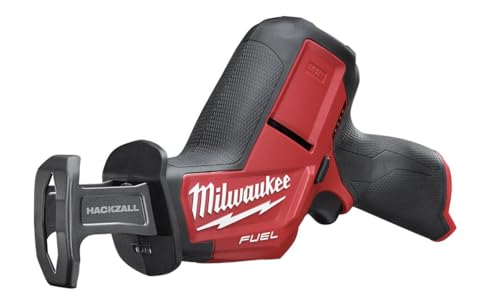
Milwaukee 2520-20 M12 Fuel Hackzall Bare Tool

Milwaukee 2471-20 M12 Copper Pipe and Tubing Cutter
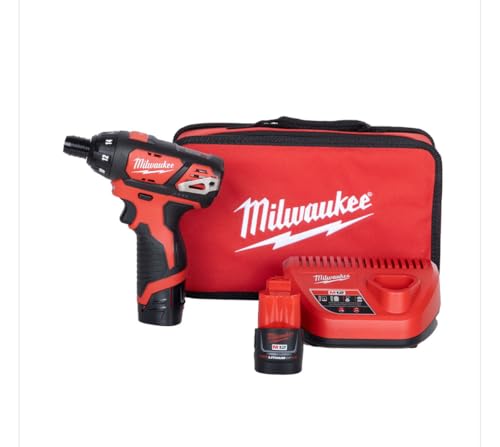
Milwaukee 2401-22 M12 1/4 in. Hex Cordless Screwdriver Kit

Milwaukee 2564-20 M12 Right Angle Impact Wrench

Cordless Polisher Bare Tool
The Details Behind The Selections
A one-handed reciprocating saw sounds like a gimmick until you’re wedged under a sink or reaching overhead between joists, where a full-size Sawzall simply won’t fit. The Hackzall’s compact body and single-grip design give you cut placement that two-handed tools can’t match.
The FUEL designation matters here: it means Milwaukee’s POWERSTATE brushless motor, which runs cooler and lasts longer than brushed alternatives. In our view, this is the entry point most remodelers should consider first on this list, since cutting comes up constantly.
What Earns Its Place
- One-handed operation frees your other hand to steady the material
- Brushless motor design typically extends both runtime and overall tool life compared with brushed equivalents
- Lightweight build reduces fatigue during overhead cuts, a task owners commonly flag as exhausting with bigger saws
- Fits into stud bays, cabinet interiors, and other spaces where full-size reciprocating saws won’t reach
- Shares M12 batteries with everything else on this list
Worth Noting
- This is a bare tool, so budget for at least one battery and a charger unless you already own them
- Blade changes and blade selection matter more than people expect; cheap blades will undercut the saw’s cutting speed
Who It Suits Best
Remodelers, electricians, and serious DIYers who already own M12 batteries and regularly make awkward-angle cuts.
Where A Sibling Pick Shines
If your projects are mostly screws and light assembly rather than demolition, the Milwaukee 2401-22 screwdriver kit delivers more everyday value per dollar.
Anyone who has sweated through a repipe job knows the wrist ache of manual tube cutters. This tool wraps around copper and does the rotating for you, spinning its cutting wheel at up to 500 rpm while you hold the pipe steady.
The headline trick is automatic sizing: slip it over anything from 3/8-inch to 1-inch type K, L, or M copper and the mechanism self-adjusts. No fiddling with dials mid-job, no swapping tools when pipe sizes change. Plumbers working mixed-diameter runs will feel the difference by lunchtime.
Useful Strengths
- Self-adjusting head handles 3/8″ to 1″ copper without manual setup
- Cuts roughly ten times faster than hand-operated tube cutters on repetitive work
- Sealed head keeps water out of the motor housing, a genuine concern in wet plumbing environments
- Square, clean cuts help fittings seat properly before soldering
Small Caveats
- Battery and charger are sold separately, so factor that into the total cost
- The cutting wheel wears with heavy use; keeping a spare wheel on the truck is a habit many plumbers adopt
- Copper only. It won’t handle PEX, steel, or galvanized line
At A Glance
Right Fit For
Licensed plumbers and HVAC installers who cut copper daily and want consistent, square results without hand fatigue.
Reach For A Different Pick When
General demo and framing cuts are your priority instead; the Milwaukee 2520-20 Hackzall accepts blades suited to far more materials.
This is the rare kit that arrives ready to work: tool, batteries, and charger all in the box. For anyone building their first cordless setup, that completeness removes the guesswork that trips up bare-tool purchases like the Hackzall above.
The 1/4-inch hex chuck takes standard insert bits, so your existing bit collection slots straight in. It’s built for driving screws, not drilling holes, and that focus keeps it small enough to live in a kitchen drawer or desk organizer without complaint.
Practical Pluses
- Kit configuration includes batteries and a charger, so nothing extra to source
- Compact hex-body format reaches inside cabinets, closets, and appliance cavities
- Light enough for extended assembly sessions without wrist strain
- Standard 1/4-inch hex interface accepts nearly any brand of insert bits you already own
Things To Weigh Up
- No chuck means no drill bits; this drives screws only, so hole-making requires another tool
- Torque output suits hardware and assembly work rather than structural lag bolts
Whose Shelf It Belongs On
Apartment dwellers, students, and first-time homeowners assembling furniture, mounting shelves, and handling weekend fix-it lists.
Swap It Out When
You need serious fastening force behind the trigger; the Milwaukee 2564-20 impact wrench covers high-torque jobs this driver was never designed for.
An impact wrench delivers torque in rapid rotational pulses rather than steady force, which lets a small tool break loose stubborn fasteners. The right-angle head on this one bends the drive 90 degrees, letting you work bolts buried behind engine components or inside machinery frames where a straight wrench physically cannot swing.
The friction ring anvil holds sockets snugly by hand instead of requiring a retaining pin, which makes socket swaps quick. Compared with the screwdriver kit earlier on this list, this is a specialist’s tool, but for the person who needs it, nothing else substitutes.
What Pays Off
- Roughly 220 ft-lbs of nut-busting torque from a 12-volt body
- 90-degree head accesses fasteners hidden behind brackets, frames, and suspension parts
- Friction ring socket retention allows one-handed bit changes
- Runs on the same M12 FUEL battery platform as the rest of this list
The Fine Print
- Sold as a bare tool, so batteries and a charger come separately
- Right-angle heads add length in one dimension; check clearance in the tightest spot you plan to work before committing
Feature Snapshot
Made For
Mechanics, equipment technicians, and DIYers tackling brake, exhaust, and machinery work in cramped quarters.
Consider Something Else When
Your fastening needs stop at furniture screws and light fixtures; the Milwaukee 2401-22 screwdriver kit handles those at a friendlier cost.
Detailing work lives and dies by control. This 3-inch polisher weighs just 1.6 pounds and stretches barely over five inches long, so you can hold it against a door panel or fender curve for a full session without your arm filing a complaint. One-handed use is realistic, not marketing talk.
The dual-mode speed trigger is the interesting part: polishing mode tops out around 2,800 rpm for pad work, while sanding mode spins up to about 8,300 rpm for prep. Accessories swap without tools via the M9 x 0.75 spindle thread, which keeps momentum going between pads and discs.
Strong Points
- Two-speed modes cover both polishing and light sanding in one body
- Tool-free accessory changes keep workflow moving
- Soft nonslip grip improves control on curved surfaces
- At 1.6 pounds, fatigue stays minimal during longer detailing sessions
- Variable-speed trigger gives gradual throttle rather than a jarring start
Points To Keep In Mind
- Battery pack is not included and replacements are model-specific, so confirm availability before buying
- The 3-inch pad size suits spot work and panels, not full hoods or roofs; large-area jobs go slowly
Quick Facts
Built With In Mind
Car enthusiasts and hobbyist detailers who value precision on spot repairs, headlights, and tight panel sections.
A Better Fit Elsewhere
Structural cutting and demolition belong to the Milwaukee 2520-20 Hackzall, whose blade system handles materials a polishing pad never could.
What Matters Before You Commit To M12 Tools
Start With Your Battery Inventory
The smartest M12 purchase is usually the second one. Every tool on this list shares the same slide-pack battery, so an existing collection of packs and a charger turns any bare-tool listing into a bargain. Starting cold? Look for kits, like the 2401-22 screwdriver set, that include power in the box. Buying a bare tool plus separate batteries often costs more than the bundled route.
Match The Tool To The Job, Not The Spec Sheet
Torque numbers and rpm figures mean little outside context. A 220 ft-lbs impact wrench earns its keep only when rusted fasteners are part of your week. Ask what task eats most of your project time, whether that’s cutting copper, driving deck screws, or buffing paint, and let that answer lead. The wrong specialized tool gathers dust; the right one pays for itself within a season.
Weight And Access Beat Raw Power
The quiet advantage of the 12-volt class is reach. Overhead cuts, under-sink pipe work, and engine-bay bolts all favor compact bodies over muscle. Full-size tools win on endurance for heavy continuous loads, but for intermittent trade work, lighter wins more often than not.
Key Considerations Across These Picks
Traps First Timers Fall Into
The most common mistake is grabbing a bare tool without checking your battery stock, then discovering the total cost doubled. Another frequent stumble is buying a specialist, like the pipe cutter, for occasional use it won’t get. Count your actual yearly tasks honestly before choosing niche over general.
When Paying More Pays Off
FUEL-branded models carry brushless motors, which run cooler, last longer, and squeeze more work from each charge than brushed versions. Frequent users recoup that premium quickly. Weekend-only shoppers rarely notice the difference, so save the upgrade money unless the tool sees weekly action.
Frequently Asked Questions
Are M12 batteries interchangeable across all these tools?
Yes. Every item here runs on the same M12 slide-pack lithium-ion platform. One battery and charger serve the entire lineup.
What does “bare tool” mean?
It means the tool ships without a battery or charger. You supply those separately, which suits anyone who already owns M12 gear.
Is the M12 line powerful enough for professional work?
For many trades, absolutely. Plumbers, electricians, and detailers rely on these daily. Heavy demolition still calls for larger 18-volt-class tools.
Which pick works best as a first M12 purchase?
The 2401-22 screwdriver kit, because it includes batteries and a charger. That foundation powers every later bare-tool addition.
Can the polisher remove deep paint scratches?
It handles light correction and spot work well. Deep defects need heavier compound cycles or professional-grade rotary equipment.
Bottom Line
Your best move depends on what your weekends look like. Remodelers should start with the Hackzall, plumbers with the tubing cutter, mechanics with the right-angle wrench, and detailers with the polisher. New to cordless tools altogether? The screwdriver kit gets you onto the M12 platform with everything included. Pick the one that matches your actual workload, and let the shared battery system grow from there.