Old grout lines don’t come out on their own. Whether you’re re-caulking a tub or pulling failed joints from a tile floor, the right tool turns a weekend of sore knuckles into an afternoon of steady progress. This roundup covers five options that handle grout removal from different angles: a multi-piece silicone kit, a rotary attachment, a carbide hand scraper, and two oscillating blades. Each one suits a different skill level and project size, so match the tool to your tiles and your patience.
An Overview Of The Picks

11Pcs Silicone Caulking Tools 3 in1 Grout Removal Tool
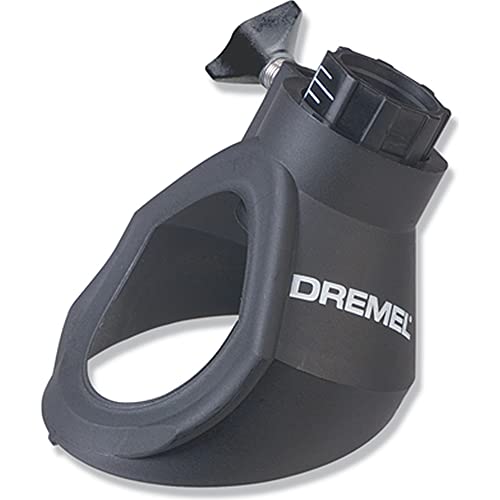
Dremel Grout Removal Rotary Tool Attachment 568-01

Goldblatt Grout Removal Tool with Replacement Carbide Tip

Dremel MM430 Multi-Knife Oscillating Blade
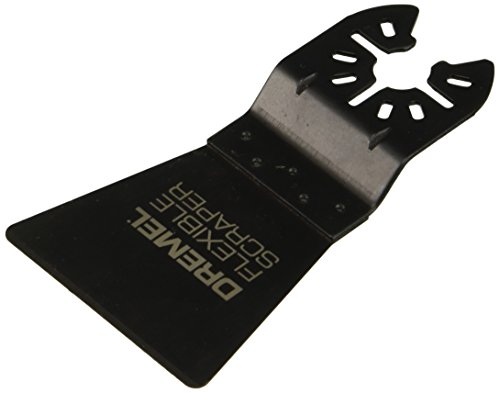
Dremel MM610 Flexible Scraper Blade
Taking A Closer Look At The Options
This eleven-piece kit is aimed at people redoing bathroom seams rather than tearing out tile joints. The main tool works three ways: an angled scraper edge for lifting old silicone, a flat blade for peeling residue off glass and tile, and a shaping profile for smoothing fresh sealant. Because everything is manual, there’s no cord to manage around a wet tub surround.
The honest read is that this kit covers the whole re-caulking cycle, not just removal. Renters refreshing a shower or homeowners sealing window frames get the most value here, since buying each piece separately adds up quickly.
Notable Gains
- Three functions in one body means fewer tools to dig out of a drawer mid-project.
- Silicone construction won’t scratch glass or glossy tile while you chase old adhesive.
- Finishing profiles leave smoother bead lines than a fingertip ever will.
- Lightweight pieces store easily in a small toolbox or kitchen junk drawer.
Things To Consider
- Plastic edges wear down faster than metal against hardened grout, so deep joints may need repeated passes.
- Eleven pieces mean eleven things to rinse and dry after use to keep them clean.
Who It Suits Best
Renters and first-time DIYers tackling caulk replacement in bathrooms, kitchens, and around window trim.
Where A Sibling Pick Shines
For genuinely hardened grout lines between floor tiles, the Goldblatt carbide scraper digs deeper without wearing out.
Hand scraping a whole bathroom floor is where enthusiasm goes to die. The Dremel 568-01 attachment bolts onto a compatible rotary tool and does the grinding for you, riding along the joint instead of your wrist doing the work. The 30-degree cutting angle keeps the bit seated in the line rather than wandering onto tile faces.
Built-in guide surfaces hold the bit centered between tiles, which matters enormously on narrow joints where one slip chips a corner. The large viewing window lets you watch the cut happen, and depth adjustment stops you from digging past the substrate. Wall grout and floor grout both come out with it, though you’ll want steady hands and eye protection since debris flies.
What Earns Its Place
- Depth control up to 3/8 inch below the tile surface prevents accidental gouging.
- Centering guides reduce the slip risk that ruins decorative tile edges.
- The clear window gives constant sight of the cut line, improving accuracy on long runs.
- Faster material removal than any hand tool on this list for big square footage.
A Few Limitations
- You need a separate rotary tool to use it, which adds cost for occasional DIYers.
- Grinding generates fine dust, so ventilation and a mask are part of the routine.
Key Specs
Made For
Homeowners who already own a Dremel-style rotary tool and face a full-room regrouting project.
Swap It Out When
Small touch-up jobs or caulk-only refreshes suit the XsteelPower kit better, since no power tool setup is required.
Carbide is the reason this simple hand tool earns its spot. The triangular tip’s sharp corner bites into dense, aged grout that blunts ordinary steel scrapers, and the fine groove along the edge helps with detail cleaning near tile borders. Goldblatt builds the rod from carbon steel, so the shaft holds up to firm pressure without flexing.
A spare tip comes in the box, effectively doubling working life before you shop again. Owners commonly report this style of scraper lasting through multiple rooms when the tip is swapped before it rounds over. Compared to the powered Dremel attachment above, it’s slower but silent, dust-free, and forgiving on delicate mosaic work.
The Case For It
- Carbide edge stays sharp far longer than standard steel against hard cement grout.
- Included replacement tip extends usable life without another purchase.
- Sharp corner reaches tight corners and narrow joints a wide blade can’t enter.
- No power source needed, so it works anywhere from basements to outdoor patios.
Points To Note
- Manual scraping demands real elbow effort across large areas.
- The exposed tip is sharp, so careful handling and blade guards during storage matter.
Feature Snapshot
Right Fit For
Detail-oriented DIYers removing grout around mosaics, backsplashes, or small repair areas by hand.
Another Choice May Suit
Full-floor demolition goes quicker with the Dremel 568-01 rotary attachment once the room exceeds a few dozen square feet.
An oscillating tool vibrates a blade side to side at high frequency, and this Multi-Knife blade takes advantage of that motion in both directions. Unlike blades that only cut on the pull stroke, the hooked design slices whether you push or pull, which makes awkward overhead or sideways cuts far less frustrating. That bidirectional behavior is its defining trait.
Its real strength is flexible material: rubber gaskets, carpet, linoleum, and old caulk beads all surrender quickly. The universal Quick-Fit interface mounts directly to Dremel, Bosch, Makita, Milwaukee, and Rockwell machines without adapters. In grout terms, think of it as the prep-stage blade that clears soft debris before a dedicated scraper tackles the hardened lines.
The Practical Payoff
- Cuts on both push and pull strokes, halving repositioning time in tight spots.
- Hooked blade profile grips flexible material instead of skating off it.
- Universal fitment spans major tool brands, useful in mixed-brand workshops.
Less Ideal Details
- It’s a cutting blade, not a grout grinder, so cement joints need a different accessory.
- Oscillating blades wear fastest when forced through abrasive debris.
Who Will Love This
Renovators stripping flooring, caulk, and gaskets who want one versatile blade across several brands of tools.
Reach For A Different Pick When
Removing soft caulk specifically calls for the Dremel MM610 scraper blade, whose flexible edge conforms better to corners.
Where the MM430 cuts, the MM610 scrapes. Its blade flexes, letting the edge hug curved corners like the inside of a tub surround or behind a toilet tank, places a rigid scraper simply skips over. Dremel recommends holding it at a 30 to 45 degree pitch, an angle that lets vibration lift caulk and adhesive rather than smear them.
Speed is the selling point: the blade tolerates high oscillation rates, peeling soft material in seconds where a hand tool takes minutes. The same Quick-Fit interface as the MM430 fits Bosch, Makita, Milwaukee, and Rockwell machines directly. One caution worth weighing: flexibility trades away stiffness, so dried, rock-hard compound still needs the Goldblatt carbide tip.
A Favorable Mix
- Flexible edge reaches concave corners rigid blades can’t contact cleanly.
- Handles very high operating speeds for quick, smooth material removal.
- Universal interface mounts to most major oscillating tool brands.
Small Caveats
- Designed for soft materials only, so cured epoxy grout is beyond its range.
- Working at the recommended shallow pitch takes a little practice for newcomers.
Quick Facts
Whose Shelf It Belongs On
Anyone re-caulking tubs, sinks, and showers who already owns an oscillating multitool and wants the job done in minutes.
Not Your Match When
Deep cement grout removal between floor tiles belongs to the Dremel 568-01 rotary attachment instead.
What Matters Most Before Choosing Manual Grout Removal Tools
Match The Tool To The Joint
Caulk and grout are different materials, and they demand different edges. Silicone caulk peels away under a flexible plastic or scraper blade, while cured cement grout needs carbide teeth or a powered grinding bit. Buying a soft-blade kit for a tile floor regrout leads to frustration within the first foot of joint.
Consider Your Project Size
A single tub reseal is hand-tool territory, and a manual scraper or silicone kit finishes it in an hour. Whole-bathroom floors change the math: hundreds of linear feet of joint will exhaust your wrists, which is where the rotary attachment earns its higher entry cost. Estimate your linear footage honestly before committing.
Check Compatibility First
Powered accessories live or die by fitment. The Dremel Quick-Fit system covers most major oscillating brands, but rotary attachments typically require matching collet sizes. Confirm what’s already in your toolbox, then buy the accessory, not the other way around.
Factor In Cleanup And Safety
Grinding produces airborne dust; scraping produces shards. Either way, plan for eye protection, gloves, and a vacuum nearby. Tools with replaceable tips or washable components cost less to own over years than single-use alternatives.
Key Considerations Across These Picks
Traps First Timers Fall Into
The most common mistake is attacking hardened grout with a caulk-removal tool, then blaming the tool. Read the material before choosing the edge. Another frequent slip: skipping depth control on powered attachments and chipping expensive tile corners in the process.
When Paying More Pays Off
Higher-tier options justify their cost through consumable economics. Carbide tips outlast steel many times over, and a powered attachment saves hours on large jobs. For a one-tub refresh, budget tools win; for recurring renovation work, durability pays for itself.
Frequently Asked Questions
Do I need a power tool to remove grout?
No, carbide hand scrapers remove grout effectively, just more slowly. Power attachments make sense for large floors or deeply set joints.
Can these tools damage my tiles?
Yes, especially powered bits used without depth control or centering guides. Hand tools carry lower risk but require steady angles.
What’s the difference between caulk removal and grout removal?
Caulk is a flexible sealant that scrapes off with soft or flexible blades. Grout is a hardened cement mixture requiring carbide edges or grinding bits.
How often do scraper blades need replacing?
It depends on joint hardness and footage, but carbide tips last considerably longer than steel. Replace any edge once it visibly rounds over.
Should I remove all the old grout or just the surface?
Remove enough depth for new grout to bond properly, typically the full failing section. Partial surface skimming tends to crack loose again.
Closing Thoughts
Match the tool to the job and half the battle is won. Small caulk refreshes call for the silicone kit, precision hand work suits the Goldblatt carbide scraper, and whole-room regrouts justify the Dremel rotary attachment. Add the right oscillating blade if a multitool already lives in your workshop. Whichever route you take, patient preparation protects your tiles, and that’s what separates a clean result from a costly repair.