


A tape measure seems like the simplest tool in your bag until it lies to you. Sagging blades, faint markings, and locks that slip mid-mark turn a clean cut into scrap wood faster than anything else in the shop. This guide sorts through five measuring tapes built with woodworking and jobsite work in mind, from pocket-sized daily carry options to a folding rule that belongs beside every miter saw. Each one suits a different kind of maker, so match the tool to how you actually measure.
A Snapshot Of The Selections

HOTO Self-Locking Pocket Tape Measure 10 Ft

FastCap ProCarpenter Metric Reverse Tape 16′
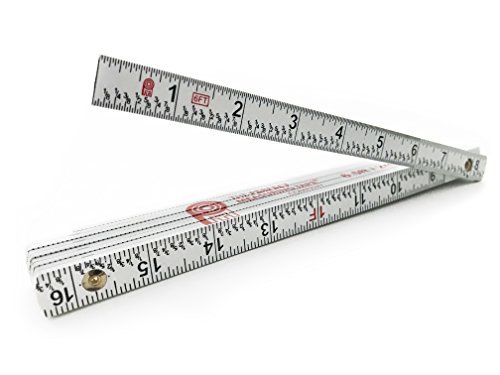
Perfect Measuring Tape FR-72 Folding Rule 6.5ft
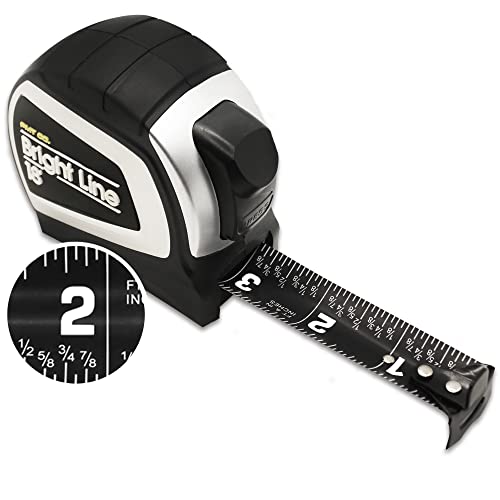
Perfect Measuring Tape BrightLine Auto-Lock 18ft

HAUTMEC HT0100-2PC Dual Scale Tape Measure 16ft
Meet The Standout Selections
HOTO took a different route than FastCap or HAUTMEC here: instead of chasing jobsite toughness, it built a tape you actually want to keep in your jacket. The self-locking action holds the blade where you leave it, which matters more than most people expect when you’re marking a board one-handed while holding stock with the other.
The dual-unit scale reads both feet and meters, handy when plans arrive in metric. At 10 feet of reach, this is furniture-scale territory, not framing. The shock-absorbing case takes drops better than its slim profile suggests, though the non-sharp edge is a genuine safety plus around kids’ hands.
The Good Stuff
- Self-locking blade stays put without thumb pressure, freeing your other hand for the pencil
- Dual ft/m scales cover imperial plans and metric imports without conversion math
- Pocket-size footprint disappears into an apron or jeans instead of dragging them down
- Non-sharp blade edge reduces nicked fingers during fast retraction
Small Caveats
- The 10-foot reach runs short once you step outside furniture projects into room layouts
- Owners commonly report the matte finish shows scuffs after months of shop carry, purely cosmetic but worth knowing
Made For
Apartment woodworkers and hobbyists who value a clean, compact tool for small builds and quick household checks.
A Better Fit Elsewhere
Anyone framing walls or laying out full rooms will get more done with the HAUTMEC HT0100-2PC and its longer 16-foot blade.
Where the HOTO chases looks, FastCap chases workflow. The ProCarpenter line packs seven carpenter-specific features into a rugged compact body, and the reverse-print metric scale is the headline: numbers face away from the case, so they read upright when you extend the tape left-to-right like a right-hander naturally does.
The lever-action belt clip is a small thing that changes daily carry. You can snap it onto a tool belt or apron loop one-handed between cuts instead of fishing it out of a pocket every time. Trim carpenters working off metric drawings will feel the difference within the first hour.
What Works In Its Favor
- Reverse metric printing keeps numbers upright and legible during solo measuring
- Lever belt clip secures the tool to belts or pockets for instant access
- Seven integrated features reduce the number of separate layout tools on your belt
- Rugged housing stands up to the drops and dust of daily jobsite use
Things To Consider
- Metric-only scale means imperial-first woodworkers need a second tape or constant converting
- The feature-dense body adds slight bulk compared to the slimmer HOTO pocket tape
Feature Snapshot
Right Fit For
Working carpenters and serious DIYers who read metric drawings and want purpose-built layout features rather than generic design.
Consider Something Else When
Imperial-only hobbyists doing weekend bench work will find the Perfect Measuring Tape FR-72 folding rule simpler and cheaper to live with.
An old-school folding rule still earns its spot next to modern retractables, and the FR-72 shows why. It folds down to roughly 9.5 inches yet opens into a rigid 6.5-foot stick that stands on edge for inside measurements, something no flexible tape does well. That rigidity alone makes scribing cabinet reveals and checking window openings noticeably easier.
The markings are the real draw. Inch fractions print at readable sizes so you record 1/8 or 1/2 without leaning in and squinting under shop lighting. Engraved-and-printed graduations resist wear far better than ink-only blades, which tend to fade where your thumb rubs.
What Stands Out
- Oversized easy-read fractions cut down transcription errors during layout
- Glass-fiber-reinforced composite ABS body resists cracking where wooden rules split
- Reinforced rivets and stainless springs hold joints tight through years of folding
- Stands unsupported for inside measurements and transfers across flat surfaces
Points To Note
- Six and a half feet limits reach compared to any 16-foot retractable here
- Joints collect sawdust over time; a quick wipe keeps the hinges folding smoothly
Who Should Grab It
Cabinetmakers, finish trim installers, and anyone who measures interiors where a floppy blade sags and misreads.
Reach For A Different Pick When
Long-distance measuring across rooms calls for the BrightLine’s 18-foot auto-locking blade instead.
Most tape measures assume you’ll always work under good light, and that assumption fails in basements, garages, and evening job sites. The BrightLine flips the usual formula: white numerals printed on a black nylon-coated steel blade deliver contrast that stays legible in dim corners where yellow-on-white blends into shadow.
Auto-lock means the blade holds wherever you stop it, releasing only when you press the button, so long solo measurements don’t creep back into the case mid-read. The heavy rubber shell shrugs off concrete drops. Compared to the FR-72’s rigid rule approach, this is the choice for reach and one-person operation.
What Helps Most
- High-contrast black blade with white print reads clearly in low light
- Auto-lock mechanism holds extended lengths without thumb strain
- 18-foot span handles whole-room layout and outdoor deck work
- Inch-fraction graduations speed up marking without mental math
Worth Bearing In Mind
- The dark blade absorbs heat, and owners note it can feel warm after sitting in direct sun
- Rubberized cases commonly attract sawdust, so occasional cleaning keeps the lock button responsive
Quick Facts
Who Will Love This
Anyone working in poorly lit shops, unfinished basements, or evening hours who struggles reading standard yellow tapes.
Swap It Out When
Metric-plan users should lean toward the FastCap ProCarpenter, whose reverse-printed metric scale suits drawing-based work better.
The HAUTMEC covers the middle ground the other picks each miss. Its wider-than-average black blade carries a nylon coating that resists moisture and abrasion, and the extra width fights the sag that plagues narrow tapes when you extend them horizontally across a workbench. Less sag means fewer misreads on long pulls.
The auto-lock works true one-handed: extend, it grips; press, it retracts smoothly. Dual imperial and metric scales sit along the same edge, so switching between plan systems costs nothing. Against the HOTO’s 10-foot limit, this reaches twice as far while staying comfortable in hand thanks to the rubber-wrapped case.
The Value In It
- Wide nylon-coated blade resists water and stands up to rough daily handling
- Reduced sag improves accuracy on horizontal stretches across benches and studs
- True one-handed auto-lock speeds up solo measuring around the shop
- Dual ft/m scale serves both imperial habits and metric project plans
Less Ideal Details
- The two-piece packaging targets gifting, so solo shoppers may prefer a single unit
- Standard white-on-yellow-style markings lack the BrightLine’s low-light contrast advantage
At A Glance
Who It Suits Best
General DIYers and home renovators wanting one dependable tape that covers woodworking, drywall, and outdoor projects equally well.
Not Your Match When
Style-conscious minimalists doing light indoor tasks will prefer the HOTO’s slimmer, quieter pocket presence.
What To Weigh Before Choosing Your Tape
Blade Length And Stiffness
Match reach to your projects before anything else. Furniture building rarely needs more than 10 feet, while deck framing and room layout demand 16 to 18. Blade width drives stand-out distance too: wider blades extend farther horizontally before drooping, which directly affects accuracy when you measure alone.
Markings You Can Actually Read
You’ll glance at these numbers hundreds of times per project, so legibility isn’t a luxury. Oversized inch fractions save squinting, high-contrast blades help in dim shops, and engraved graduations outlast printed-only ones. Anyone with aging eyes benefits disproportionately from these details.
Lock Style And Handling
Self-locking and auto-lock designs hold the blade without thumb pressure, which frees your second hand for pencils, squares, or the workpiece itself. Traditional friction-lock tapes cost less but demand constant grip. One-handed operation becomes genuinely valuable once you start measuring long boards solo.
Case Durability And Carry
Rubber overmolds absorb jobsite drops, while slim hard shells suit aprons and pockets. Belt clips matter for anyone moving between stations all day. A tape that lives in your toolbox drawer has different demands than one riding your hip eight hours straight.
Key Considerations Across These Picks
Traps First Timers Fall Into
The most common mistake is buying length you never use. A 25-foot tape feels safer on paper but turns clumsy for bench work. Shoppers also overlook hook condition: a bent end hook throws off every inside measurement. Check the return spring feel too, since sticky retraction gets old fast.
When Paying More Pays Off
Higher-tier models spend money where it compounds daily: coated blades that resist rust, lock mechanisms rated for thousands of cycles, and case materials that survive concrete. Casual users won’t notice. Daily users will, usually within the first month of ownership.
Frequently Asked Questions
Do I need both a tape measure and a folding rule?
Many woodworkers carry both since they solve different problems. Tapes handle long flexible measurements, while folding rules excel at rigid inside dimensions and standing measurements.
Is a self-locking tape better than a traditional one?
For solo work, locking mechanisms are clearly more convenient because the blade stays extended hands-free. Two-person measuring teams notice the difference less.
How accurate are consumer tape measures?
Quality tapes hold tolerances fine for furniture and general carpentry. For precision joinery, pair any tape with a marking gauge or calipers for final dimensions.
Why do some blades have black coatings?
Nylon coatings protect the steel from moisture, abrasion, and rust. Dark coatings also create contrast that improves number visibility in low light.
Can one tape serve woodworking and general construction?
Yes, a 16-foot dual-scale auto-lock model like the HAUTMEC covers both comfortably. Specialized picks earn their keep only when a specific need, such as low-light reading, dominates your work.
Bottom Line
Your best tape depends less on specs and more on honest self-assessment. Pocket builders love the HOTO, metric-plan carpenters get real value from the FastCap, and dim-shop workers shouldn’t settle for anything but the BrightLine. The FR-72 remains a quiet workshop companion, while the HAUTMEC handles whatever a busy week throws at it. Match the tool to your actual routine and it’ll pay you back every single project.




