


A dull or wrong-tooth blade turns a two-minute pipe cut into a ten-minute grind. Whether you’re tearing out old plumbing, slicing conduit in a garage shop, or trimming rebar on a weekend build, the blade matters more than the saw. This roundup covers five metal-cutting options that suit different jobs, budgets, and material thicknesses, so you can match the tooth count and length to what’s actually sitting in front of you.
The Shortlist At A Glance
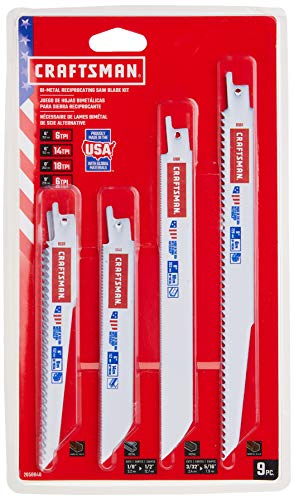
CRAFTSMAN Reciprocating Saw Blades 9 Piece Kit

IRWIN Metal Cutting Reciprocating Saw Blade 6-Inch 18 TPI

Diablo Bi-Metal Reciprocating Saw Blade 9-Inch

Caliastro 6-Inch Metal Cutting Saw Blades 18 TPI 8-Pack

TOLESA Reciprocating Saw Blades 6-Inch 14 TPI 5-Pack
Inside Each Recommended Option
Most people buying their first reciprocating saw don’t know which blade they’ll need next week, and that’s exactly who this nine-piece assortment serves. The kit includes a six-inch bi-metal option at six teeth per inch (TPI, the number of teeth along each inch of blade), a configuration aimed at faster, efficient cutting with reasonable lifespan.
The six-inch length suits standard-depth cuts like pipe, conduit, and framing lumber with nails. For a homeowner clearing out a basement or a renter assembling a starter tool collection, having multiple blades on hand beats running to the hardware store mid-job.
The Upside
- Nine pieces means backups are ready when a tooth snaps mid-project
- Six-inch length handles common household cuts without overreach
- Bi-metal construction pairs hardened teeth with a flexible body for longer life
- Lower TPI bites quickly through thicker stock
Small Caveats
- A mixed kit spreads value thin; dedicated metal cutters may find the metal-specific count limited
- Store blades dry, since surface rust on the teeth is a commonly reported issue with stored blade kits
Who It Suits Best
Beginners and homeowners who want one affordable assortment covering general demolition and occasional metal cuts.
A Better Fit Elsewhere
Shoppers cutting only thin sheet metal daily will get sharper results from the IRWIN 18 TPI blade reviewed below.
Where the CRAFTSMAN kit spreads across materials, this single-purpose IRWIN blade commits fully to metal. Eighteen teeth per inch is a fine pitch, and fine pitch is what keeps thin sheet metal from chattering and tearing under the saw. The manufacturer specifies an eight percent cobalt alloy in the teeth, a detail that translates directly into slower dulling during long sessions.
Its rated sweet spot runs from roughly one-eighth to half-inch thick stock, covering stainless sheet, electrical conduit, and non-ferrous pipe. Electricians and HVAC folks cutting conduit all day are the obvious audience here.
Real-World Strengths
- Cobalt-alloyed teeth hold their edge noticeably longer in repeated metal cuts
- Electronic beam welding joins teeth to body more strongly than standard brazing methods
- Fine 18 TPI pitch produces smoother finishes on thin-gauge material
- Handles stainless steel, a material that chews up ordinary blades fast
Points To Note
- Not built for wood or nail-embedded lumber, so keep a second blade type around
- Fine teeth clog with soft metals like aluminum; owners often report needing periodic chip clearance
Key Specs
Made For
Tradespeople and serious DIYers who cut thin to medium metal regularly and want edge life over versatility.
Swap It Out When
For demolition work hitting both wood and nails, the Diablo 9-inch blade later in this list fits better.
Demolition rarely gives you clean material. Old walls hide nails, screws, and brackets inside the lumber, and a pure metal blade stalls there while a pure wood blade dies fast. Diablo answers with a variable 4/6 TPI pattern, meaning alternating tooth spacing that clears chips aggressively yet still powers through embedded fasteners.
The nine-inch length is the other headline. That extra reach lets you cut deep wall cavities, thick dimensional lumber, and stacked material without burying the saw nose. Compared with the shorter IRWIN pick above, this blade trades fine-metal precision for brute reach and mixed-material tolerance.
What Earns Its Place
- Nine inches of reach handles deep wall and joist cuts
- Bi-metal body flexes instead of snapping during aggressive demo swings
- Variable 4/6 TPI balances speed with control across mixed debris
- Hardened cutting edge resists damage from hidden nails
Honest Caveats
- Coarse teeth leave rougher edges than dedicated fine-pitch metal blades
- Overkill for light trim work; the extra length gets awkward in tight cabinets
The Right Fit
Remodelers and demo-day crews tearing open walls where metal and wood show up together.
Where A Sibling Pick Shines
Precision conduit and sheet-metal cuts belong with the IRWIN 18 TPI blade, not this coarse-pitch option.
Blades are consumables, and anyone cutting black pipe, rebar, or angle iron goes through them quickly. Caliastro sells this category in an eight-pack of six-inch, 18 TPI blades, so replacements sit in the drawer rather than on a shopping list. The construction follows the same recipe as pricier rivals: high-speed steel teeth bonded onto a softer carbon steel body.
The maker lists a 0.05-inch blade thickness chosen to limit bending and breakage, plus precision-set teeth for cleaner kerfs. In our view, this is a sensible buy for hobbyists burning through blades on weekend metalwork.
Noteworthy Benefits
- Eight blades keep a full project stocked without reordering
- Thinner 0.05-inch body flexes less prone to snapping in tight cuts
- Rated for black pipe, conduit, cold rolled steel, rebar, and angle iron
- Fine pitch yields smooth finishes on moderate-thickness metal
Things To Consider
- Edge longevity typically trails premium cobalt-blended brands under heavy daily use
- Keep spares oiled and dry; carbon steel bodies can corrode in humid garages
Quick Facts
Built With In Mind
Budget-conscious DIYers and hobby fabricators who cut medium metal often enough to need volume pricing.
Another Choice May Suit
Anyone wanting maximum edge retention per blade should step up to the TOLESA heavy-metal pack below.
Thick stock changes the math. At fourteen teeth per inch, this TOLESA set sits coarser than the 18 TPI Caliastro and IRWIN options, which is precisely why it chews through heavier sections without loading up. The maker rates it for sheet metal between about 0.1 and 0.3 inch thick and solid pipes or profiles under four inches in diameter.
Two design details stand out. A thinner 0.9-millimeter wall combined with set teeth helps shed heat, and heat is what kills metal blades fastest. Welders and maintenance techs cutting schedule-40 pipe will appreciate that.
A Strong Showing
- 14 TPI pitch suits medium-to-thick metal better than finer blades
- Cobalt-edged teeth power through sheet, pipe, and structural profiles
- Set-tooth design reduces heat buildup during long cuts
- Handles solid stock up to four inches in diameter
Worth Bearing In Mind
- Too coarse for thin-gauge sheet, which can chatter or snag
- Five blades run out faster than larger packs during big jobs
Feature Snapshot
Whose Shelf It Belongs On
Maintenance workers, welders, and farm-shop users cutting thick pipe, bar stock, and heavy profiles.
Reach For A Different Pick When
Thin electrical conduit and stainless sheet call for the finer IRWIN 18 TPI blade instead.
What Matters Most Before Choosing Metal Cutting Reciprocating Saw Blades
Match Teeth Per Inch To Material Thickness
TPI decides everything. Thin sheet metal needs a fine pitch, generally 18 TPI or higher, because more teeth in contact prevent snagging. Thicker pipe and bar stock cut faster with 10 to 14 TPI, since fewer, larger teeth clear chips efficiently. A quick rule: aim for at least three teeth engaged in the material at all times.
Understand Bi-Metal Construction
Bi-metal blades weld hard high-speed steel teeth onto a flexible spring steel body. You get edges that stay sharp and a spine that absorbs the reciprocating saw’s violent stroke without cracking. Cheaper single-alloy blades snap sooner, especially in demolition work where the blade flexes constantly.
Consider Length And Reach
Six-inch blades cover most pipe, conduit, and sheet work with good control. Nine-inch options reach deep wall cavities and thick stacked material but wander more in thin stock. Buy the shortest blade that reaches your cut depth.
Think About Pack Size Honestly
Occasional users finish a year on three blades. Daily trade use burns through dozens. Volume packs lower the per-blade cost but only pay off if storage conditions keep rust away.
Key Considerations Across These Picks
Wrong Turns To Avoid
The classic mistake is buying one blade type for every job. Fine-pitch metal blades die fast in nail-embedded wood, and coarse demo blades shred thin sheet metal. Another slip: ignoring thickness ratings. Pushing a blade past its rated material range overheats teeth and shortens life dramatically.
Why Top Tier Costs More
Premium blades spend their extra cost on metallurgy. Cobalt blends, electron-beam welds, and precision-set teeth all raise manufacturing complexity, and each adds measurable edge life. For someone cutting metal weekly, fewer blade changes recover the price gap quickly; once-a-year users won’t notice the difference.
Frequently Asked Questions
Can I use a metal-cutting blade on wood?
Technically yes, though it cuts slowly and loads up with fibers. A wood or demolition blade does the job far faster.
How many teeth per inch do I need for steel pipe?
Fourteen to eighteen TPI covers most common pipe sizes cleanly. Thicker-walled stock tolerates the coarser end of that range.
Why do my blades keep breaking?
Usually it’s side pressure, excessive plunge force, or a blade too thin for the task. Let the saw’s weight do the work and keep the blade straight.
Are bi-metal blades worth the higher cost?
For anything beyond a handful of cuts, yes. Their combination of hard teeth and flexible bodies lasts substantially longer than basic carbon steel blades.
How should I store spare blades?
Keep them in their original sleeve or a sealed case, away from humidity. A light wipe of oil on the teeth prevents surface corrosion during storage.
Closing Thoughts
Your saw is only as good as the blade bolted into it. Match tooth pitch to material thickness first, then decide between a versatile kit like the CRAFTSMAN assortment and a specialist such as the IRWIN or TOLESA blades. Buy for the work you actually do this season, not the workshop you imagine having someday. One well-chosen pack will outlast a drawer full of wrong guesses.




