Sheet metal work punishes the wrong tool. Dull tin snips chew up galvanized edges, a weak motor stalls halfway through stainless, and suddenly a ten-minute job eats your whole afternoon. The five options below cover both camps: powered shears for long runs of flashing, and forged aviation snips for tight curves in HVAC ductwork. Each one earns its spot through build quality and cutting capacity, not marketing copy.
A Closer Look At The Lineup
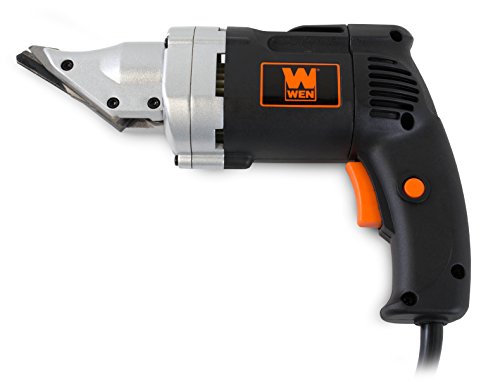
WEN Variable Speed Metal Shear 18-Gauge
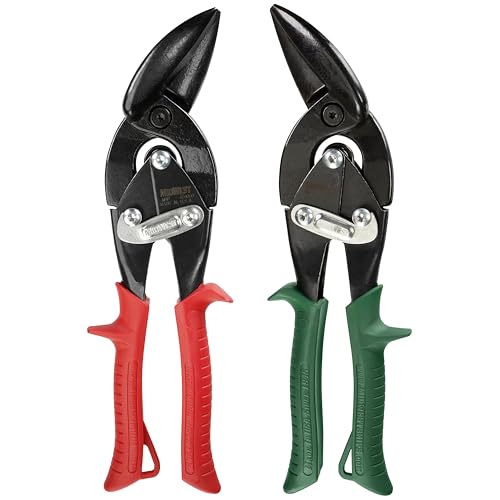
MIDWEST Blackout Offset Aviation Snip Set

MIDWEST Special Hardness Aviation Snips

Jikbeed Metal Nibbler Drill Attachment

MIDWEST Blackout Left Cut Aviation Snips
A Breakdown Of The Leading Choices
A swivel head sets this electric shear apart from fixed-body rivals like the Jikbeed attachment further down. You rotate the cutting head to follow an awkward angle instead of contorting your wrist, which matters enormously when you’re trimming roofing panels overhead. The 4-amp motor drives the blade anywhere from zero up to 2,500 strokes per minute.
That speed range is the real story here. Feather the pressure-sensitive trigger lightly for precise starts in thin aluminum, then open it up for long runs through 18-gauge sheet steel. At 4.7 pounds, it’s light enough that your forearm won’t quit before the panel does, a common complaint with heavier corded shears.
Positive Takeaways
- Swivel head lets you reorient the blade without repositioning your whole arm mid-cut
- Pressure-sensitive trigger gives you full control from gentle trim work to fast production runs
- Handles 18-gauge sheet metal, thick enough for most flashing and ductwork projects
- The sub-five-pound weight keeps fatigue down during extended overhead cutting
- Corded power means no battery swaps halfway through a large job
Honest Caveats
- You’re tethered to an outlet, so remote job sites call for an extension cord rated for the draw
- Owners commonly report keeping the head lubricated extends cutting life noticeably
Key Specs
Made For
Fabricators and remodelers who cut long panels regularly and want powered speed without battery dependency.
Another Choice May Suit
Occasional DIYers should look at the Jikbeed nibbler attachment, which turns an existing drill into a cutter at a fraction of the commitment.
Buying snips as a pair solves a problem single-snip shoppers discover too late: left-cut and right-cut blades curve in opposite directions. This set includes both, so you can follow a radius whichever way it bends while still handling straight trim cuts. The offset design lifts your hand above the material, keeping knuckles clear during long straight passes.
Both pairs share the same Blackout-series construction: hot drop-forged molybdenum alloy steel, austemper heat-treated, finished in black oxide to slow rust. In a damp shop or on outdoor gutter work, that coating earns its keep over time.
Strong Points
- Two-piece set covers straight cuts plus tight curving cuts in either direction
- Offset handles keep your hand raised above sharp edges during long trims
- Forged molybdenum alloy blades hold an edge far longer than stamped budget snips
- Black oxide coating resists corrosion between jobs in humid conditions
Points To Note
- Manual snipping through heavy stock takes real hand strength compared with the WEN shear
- A wipe-down and light oil after wet jobs keeps the oxide finish doing its job
Who Will Love This
HVAC installers and metal-roofing crews who need matching left and right cutters on every truck.
Where A Sibling Pick Shines
Cutters facing mostly stainless or titanium should step up to the MIDWEST Special Hardness snips reviewed next.
Standard aviation snips give up quickly against stainless steel, inconel, or titanium. This left-cut offset pair uses a harder heat treatment aimed squarely at those stubborn alloys, where ordinary blades dull in a handful of cuts. The trade-off is price, since you pay a premium for the extra edge life.
Like its Blackout sibling above, the offset body keeps your hand clear of the workpiece on long straight trims. For shops that cut exotic materials even occasionally, the math usually favors durability over replacing cheaper snips twice a season.
A Strong Showing
- Special hardness blades slice through stainless, inconel, and titanium that stall regular snips
- Austemper heat treatment delivers edge life measured in seasons rather than weeks
- Offset geometry suits extended straight and left-curving trim work
Small Limitations
- Single left-cut tool means right-curving work needs a separate purchase
- The premium construction costs more than general-purpose snips, hard to justify for occasional aluminum cuts
- Extra-hard blades can chip on twisted or pinched material, so clean stock matters
Core Details
Right Fit For
Professional fabricators and marine or aerospace shops working hardened alloys day in and day out.
Swap It Out When
General galvanized ductwork calls for the MIDWEST Blackout set instead, which covers both directions at friendlier cost.
Already own a decent drill? This adapter slots into the chuck and turns it into a nibbler, a cutter that punches small slivers out as it travels rather than shearing one continuous line. The result is a narrow kerf and the ability to start cuts inside a panel, something full-size shears can’t do without a pilot hole.
The manufacturer rates it for flat sheet up to 21 gauge, roughly 0.72 mm, including galvanized tin, copper, aluminum, and iron. One honest limit worth flagging: ridged roofing panels are explicitly outside its range, so corrugated jobs need the WEN shear instead.
Good Reasons To Consider
- Leverages a drill you already own instead of adding another corded tool
- Nibbling action starts interior cuts without drilling a starter hole first
- Rated for flat stock through 21 gauge across copper, aluminum, and galvanized tin
- Compact size reaches into spots a bulk shear body can’t fit
Things Worth Bearing In Mind
- Ribbed roofing sheets won’t cut, a limitation stated plainly by the maker
- Thin punch components wear faster than forged snip blades under heavy use
- Cut quality depends heavily on your drill’s speed control and steadiness
Who Should Grab It
Weekend DIYers tackling hardware cloth, vent openings, or light sheet work who don’t want a dedicated machine.
Reach For A Different Pick When
Regular 18-gauge production cutting justifies stepping up to the dedicated WEN variable-speed shear.
This is the single-snip version of the set covered earlier, sharing the same Blackout forging process but sold as one left-cut offset tool. Forged molybdenum alloy blades, austemper heat treatment, black oxide rust protection: the recipe is identical, and so is the cutting feel on 18-gauge cold-rolled steel.
In our view this is the sensible entry point for anyone building a snip collection one tool at a time. Start with the left-cut, add the right-cut later as jobs demand it, and you end up with the same capability spread over two purchases.
Notable Upsides
- Forged blades cut 18-gauge cold-rolled steel cleanly, enough for most residential metal work
- Offset body keeps hands elevated above the sheet during long straight trims
- Black oxide finish holds up better than bare steel in humid garages
- Lower entry cost than buying the full set before you know your needs
Softer Spots
- Right-hand curves require a second purchase, unlike the paired set
- Stainless and harder alloys will dull these faster than the Special Hardness version
The Details
Whose Shelf It Belongs On
Apprentices and home-shop users making their first serious snip investment for ductwork and flashing.
Look Elsewhere When
Shoppers wanting both cut directions in one order will find better value in the MIDWEST Blackout two-piece set.
What Actually Matters When Choosing Metal Shears
Match The Tool To Your Material
Capacity ratings decide everything. A shear built for 18-gauge mild steel will struggle badly against stainless of the same thickness, because chromium content makes the metal dramatically harder on cutting edges. Check the manufacturer’s gauge rating against the thickest stock in your typical project, then leave yourself one gauge of headroom.
Powered Versus Manual
Corded shears like the WEN model shine on long, repetitive cuts where hand fatigue becomes the limiting factor. Aviation snips win on portability, precision around corners, and jobs where an outlet isn’t nearby. Most serious shops keep both, using each where it’s strongest rather than forcing one tool into every role.
Blade Construction And Coatings
Hot drop-forged blades hold their geometry under stress far better than stamped alternatives. Heat treatment determines how long the edge stays sharp, and coatings such as black oxide slow corrosion between uses. These details sound minor until a cheap snip folds mid-cut on a roofing panel.
Handle Design And Fatigue
Offset handles raise your hand above the sheet, protecting knuckles from sharp freshly cut edges. Straight-handle designs offer more leverage for some users but put skin closer to the work. Grip comfort matters most on jobs lasting more than twenty minutes, which describes most real installs.
Key Considerations Across These Picks
Traps First Timers Fall Into
The classic error is buying one snip and expecting it to curve both ways. Left-cut and right-cut tools bend material in opposite directions, and fighting the wrong direction wrecks both your accuracy and your wrist. Another frequent slip is ignoring gauge ratings entirely, then wondering why blades dull in a week. Read the capacity line first, everything else second.
Where The Extra Money Goes
Premium snips charge more for forging, heat treatment depth, and alloy quality, not branding. Those three factors directly determine edge life and how the tool behaves against stainless or hardened stock. Spending up pays off once you cut demanding materials more than occasionally. Light-duty aluminum work rarely justifies the difference.
Frequently Asked Questions
Can aviation snips cut stainless steel?
Standard aviation snips handle thin stainless only reluctantly and dull quickly. Models with special-hardness heat-treated blades, like the MIDWEST option covered here, are built specifically for that material.
What does “offset” mean on tin snips?
The handles sit above the plane of the blades rather than inline with them. That keeps your hand lifted away from sharp sheet edges during long cuts.
Are nibbler attachments good for beginners?
They’re a low-cost way to try powered cutting with a drill you already own. Expect a learning curve on feed rate and be aware they only handle flat, thin stock.
How do I keep snips from rusting?
Wipe blades dry after use and apply a light coat of oil, especially in humid environments. Coated models resist corrosion better but still benefit from basic care.
Is a corded shear better than a battery model?
Corded tools deliver consistent power on all-day jobs without battery swaps. Cordless versions trade that endurance for freedom to work anywhere.
Closing Remarks
Every tool here earns its place for a specific kind of metal worker. Powered cutting fans get their match in the WEN shear, while MIDWEST’s forged snips cover everything from starter workshops to stainless-heavy fabrication. Match the capacity rating to your material, buy the cut direction your projects actually demand, and any of these five will serve you well for years.