


Metal breaks at the worst times: a bracket snaps mid-project, a jewelry clasp gives out, a garden tool handle separates from its ferrule. The right adhesive turns a frustrating repair into a five-minute fix, and cyanoacrylate chemistry (the fast-setting resin most people know as super glue) has come a long way for ferrous and non-ferrous surfaces alike. This roundup covers five options that handle steel, aluminum, zinc, and mixed-material joints, each with a distinct personality. Some are thin liquids that wick into hairline cracks, others are thick gels that stay put on vertical work, and one is a two-part epoxy putty built for gap-filling. Match the formula to your repair and you’ll rarely reach for a replacement part again.
A Side-By-Side Look

J-B Weld SuperWeld Extreme Gel 15g, 2 Pack
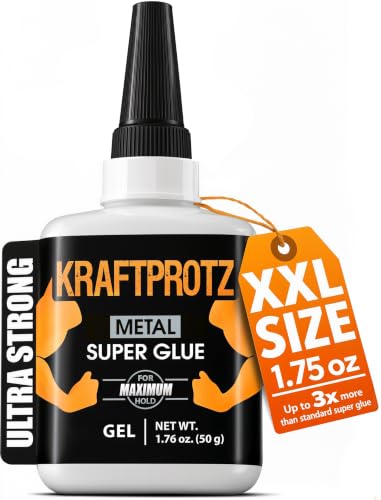
KRAFTPROTZ Metal Super Glue Gel 1.75 oz

WXYCRUEYE Heavy Duty Waterproof Metal Adhesive 1.76 oz
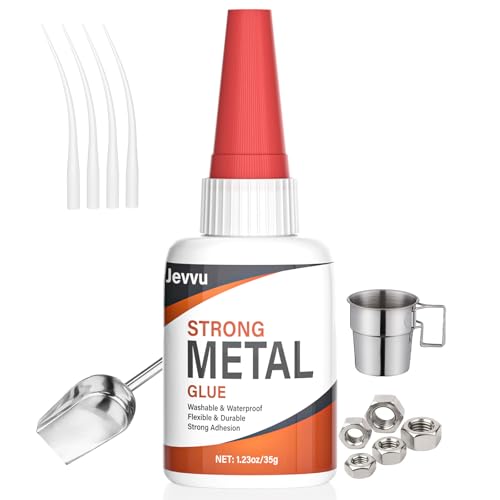
Jevvu Super Glue for Metal, Clear

LMQ LASH Metal Super Glue Liquid 30g
More On The Choices That Made The List
A name with decades of adhesive history sits behind this gel-format cyanoacrylate, and the formulation leans toward toughness rather than pure rigidity. Joints repaired with standard thin super glue can crack when knocked; a flexible, impact-tolerant gel absorbs those small shocks instead of shattering.
The 15-gram tubes arrive as a pair, which matters more than it sounds. Cyanoacrylate glue has a shelf life once opened, so keeping a sealed spare in the toolbox means your second repair next year starts fresh rather than with a clogged nozzle.
What Stands Out
- Gel body grips vertical seams without running, useful for upright brackets and frame corners.
- Rapid set time means you can handle a repaired hinge or clamp within roughly half a minute.
- Two-tube packaging spreads cost across multiple jobs and guards against dried-out leftovers.
- Fits neatly into a kitchen drawer or glovebox, so it’s there when a metal eyeglass arm or zipper pull lets go.
Things To Consider
- Tight-fitting parts only: cyanoacrylate needs close contact, so wide gaps call for an epoxy instead.
- Owners commonly report nozzles gumming up between uses; wiping the tip before recapping extends tube life.
The Right Fit
Suited to homeowners who want one dependable tube on hand for quick household metal touch-ups.
Where A Sibling Pick Shines
Gap-heavy automotive or plumbing patches belong with the WXYCRUEYE epoxy below, whose putty body bridges spaces this gel cannot.
Volume is the headline here. At 1.75 ounces, this KRAFTPROTZ tube holds several times the contents of a typical single-use super glue packet, which changes how freely you can apply it. Coat a full bracket face or a long seam without rationing drops.
The thick gel stays exactly where you place it, a trait anyone who has glued an overhead joint will appreciate. It also crosses material lines, bonding metal to plastic or rubber alongside steel-to-steel work, which widens its role around a garage bench considerably.
Reasons It Performs
- Large capacity supports repeated shop use without constant repurchasing.
- No-drip consistency suits upright frames, clamps, and overhead brackets where liquid glue slides away.
- Handles iron, copper, chrome, aluminum, and zinc, covering nearly every common household alloy.
- Mixed-material capability makes it practical for mounting trim pieces or attaching rubber feet to metal legs.
Points To Keep In Mind
- A big tube means more adhesive exposed to air over months; some users find the tip needs cleaning before each session.
- Cured CA glue (cyanoacrylate) stays brittle under heavy flex, so vibrating machinery joints may loosen over time.
At A Glance
Made For
Weekend workshop tinkerers running varied metal-and-mixed-material repairs who want volume on the shelf.
Swap It Out When
Precision craftwork with visible seams is better served by the clear Jevvu adhesive later in this list.
This is the odd one out, and deliberately so. Instead of instant cyanoacrylate chemistry, WXYCRUEYE ships a two-part epoxy: two components mixed at a 1:1 ratio that cure into a rigid, weld-like mass. People often call this approach cold welding because the cured result behaves more like added metal than glued metal.
The kit includes a pusher and squeegee, tools that matter for automotive-style patching where you need to press compound into a pinhole or smooth a filled dent edge. Waterproofing makes it a candidate for outdoor fixtures and damp garage corners too.
The Good Stuff
- Gap-filling body handles holes and uneven joins that instant glues simply cannot bridge.
- Waterproof cured finish stands up to moisture exposure on exterior hardware.
- Included pusher and squeegee make application tidier than finger-smearing epoxy from a mixing surface.
- Doubles as filler putty, letting you rebuild a stripped thread area or seal a small puncture.
Honest Caveats
- Epoxy requires mixing and cure time, so same-minute repairs are off the table compared with the J-B Weld gel above.
- Once mixed, the working window is short; prepare only what the job needs.
- Cured excess must be ground or cut away, which adds cleanup effort on visible surfaces.
Quick Facts
Who Should Grab It
DIY mechanics and homeowners patching exhaust shields, gutter seams, or cast-metal housings where gaps exist.
Another Choice May Suit
Anyone needing a grab-and-hold bond in seconds should stay with the KRAFTPROTZ gel rather than wait out an epoxy cure.
Where the WXYCRUEYE epoxy prioritizes brute strength, Jevvu prioritizes appearance. The clear cyanoacrylate dries transparent, which is exactly what a snapped necklace chain, a separated brooch pin, or a cracked pendant setting demands. Nobody wants a milky white line across polished silver.
The manufacturer positions it for both quick fixes and longer-term durability, with waterproof and heat-tolerant behavior listed among its traits. In practice, that profile suits items that get handled daily, such as eyewear hinges or watch-band links, where a fragile-feeling repair would fail within weeks.
Key Advantages
- Transparent cure keeps jewelry and decorative metalwork looking untouched after repair.
- Waterproof and heat-resistant behavior expands use beyond dry indoor shelves.
- Fast drying shortens clamping time on small, fiddly components.
- Works across varied metal surfaces, so one bottle covers steel findings, aluminum frames, and costume pieces alike.
Small Caveats
- Delicate applications demand restraint; excess squeeze-out on glossy finishes can leave a shiny residue that’s tricky to remove cleanly.
- Structural load-bearing repairs exceed what a thin CA layer comfortably handles.
Whose Shelf It Belongs On
Hobbyists, jewelers, and crafters repairing small visible metal pieces where looks matter as much as hold.
Reach For A Different Pick When
Heavier stainless steel work calls for the LMQ LASH liquid below, sized and formulated with tougher components in mind.
Thirty grams is a serious amount of CA glue for the money-minded shopper, and this LMQ LASH liquid targets stainless steel specifically, along with aluminum alloy, tubing, and edges. Thin liquid formulas wick into narrow seams by capillary action, meaning the glue pulls itself into tight joints you could never coat directly.
Speed is another selling point: handling strength develops in roughly ten to thirty seconds per the manufacturer, with full cure inside a day. That pace suits production-style repair sessions where several parts queue up at once.
What Works In Its Favor
- Large 30g supply keeps frequent repairers stocked through many projects.
- Low-viscosity liquid penetrates hairline cracks and close-fitting seams effectively.
- Waterproof performance once fully cured, handy for sink-side and outdoor items.
- Seamless, near-invisible bond line preserves the look of finished steelwork.
Worth Bearing In Mind
- Liquid runs on sloped surfaces, so horizontal joints are its natural habitat; the gels earlier in this list cope better overhead.
- Full strength arrives after 24 hours, so leave bonded parts undisturbed overnight despite the fast initial tack.
Feature Snapshot
Best Suited To
Budget-conscious DIYers tackling stainless steel and aluminum tube repairs with tight, well-mated joints.
Consider Something Else When
Vertical or overhead work points you back to the KRAFTPROTZ gel, whose thicker body refuses to drip.
What Matters Most Before Choosing Metals On Metal Glue
Formula Type Sets The Ceiling
Cyanoacrylate adhesives grab in seconds but need tight contact between parts. Two-part epoxies cure slower yet fill gaps and deliver structural heft. Decide first whether your repair is a hairline crack or a chipped bracket with missing material, because that single question eliminates half the shelf.
Viscosity Matches Joint Geometry
Thin liquids penetrate narrow seams via capillary action, while gels cling to vertical faces without sagging. A dripping mess on an overhead frame usually traces back to using a watery formula in the wrong orientation.
Environment And Load
Moisture, heat cycles, and vibration all shorten an adhesive’s working life. Outdoor furniture, engine-bay accessories, and bathroom fixtures deserve waterproof ratings and, ideally, some flexibility. Rigid bonds under constant flex tend to fail along the glue line rather than the metal.
Capacity Versus Shelf Life
Opened CA glue degrades over months regardless of brand. Occasional repairers benefit from smaller twin packs like the J-B Weld offering, while frequent workshop users justify larger bottles such as KRAFTPROTZ’s 1.75 oz format.
Key Considerations Across These Picks
Traps First Timers Fall Into
The classic error is matching glue to price instead of geometry. Buying a thin liquid for overhead brackets guarantees frustration, and grabbing instant glue for a gap-filled hole guarantees failure. Skimping on surface prep ranks second: oils and oxidation block adhesion, so a quick sand and degrease pays for itself every time.
Where The Extra Money Goes
Pricier formulations typically buy impact modifiers, better moisture resistance, and tighter quality control on viscosity. Paying up makes sense for structural or outdoor repairs. For a drawer-stash tube used twice a year, an entry-level option serves fine.
Frequently Asked Questions
Does super glue actually hold metal together?
Yes, on clean, closely fitted surfaces cyanoacrylate forms a strong bond quickly. Gaps, oil, and rust weaken it substantially, so preparation drives results.
How long does metal glue take to fully cure?
Instant adhesives develop handling strength in seconds but reach full hardness within about 24 hours. Epoxies generally need several hours to a day depending on the mix.
Can metal glue survive water exposure?
Waterproof-rated options handle damp conditions once fully cured. Standard indoor formulas may soften or release under sustained moisture.
Do I need to sand metal before gluing?
Light abrasion improves mechanical grip dramatically on smooth stock. Follow with a degreasing wipe for the strongest possible joint.
What removes cured super glue from metal?
Acetone softens cyanoacrylate on most finishes, though test a hidden spot first. Gentle scraping with a plastic edge avoids scratching polished surfaces.
Closing Thoughts
Every pick here solves a slightly different failure mode, and that variety is the point. Grab the J-B Weld twin pack for general household duty, the KRAFTPROTZ gel for messy vertical jobs, the WXYCRUEYE epoxy when gaps demand filling, the Jevvu for visible craftwork, and the LMQ LASH liquid for budget stainless repairs. Match the chemistry to the break, prep the surface properly, and most metal mishaps never make it to the recycling bin.




