


Metal repairs rarely announce themselves at convenient times. A cracked bracket on a Saturday morning, a detached trim strip before a road trip, a leaking seam on a garden tool, each calls for an adhesive matched to the job rather than a one-bottle answer. This roundup sorts five distinct approaches to metals-to-plastic adhesive work: a fast-cure gel, two epoxy systems, a cold-weld formula, and a solvent-based contact cement. Each suits a different repair style and skill level, so the right choice depends less on brand loyalty and more on what you’re actually trying to stick together.
The Picks In Brief
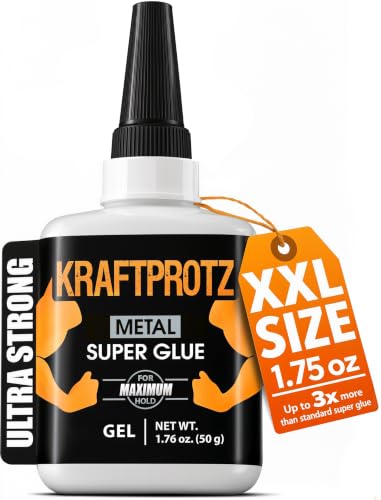
KRAFTPROTZ Metal Super Glue Gel 1.75 oz

WXYCRUEYE Heavy Duty Waterproof Metal Glue 1.76 oz

RH Adhesives S-18 All-Purpose Contact Cement 4 oz
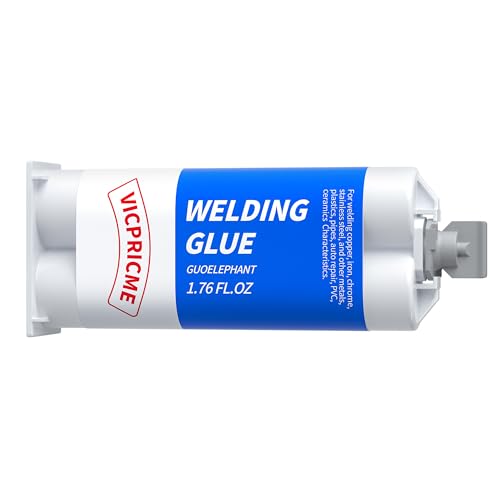
vicpricme Cold-Weld Epoxy Metal Adhesive

WXYCRUEYE Epoxy Welding Repair Adhesive 1.76oz
The Strengths Of Each Pick
This cyanoacrylate gel is built around one frustration most people know well: thin super glue running off a vertical surface before it ever bonds. The thicker consistency stays put on upright brackets, frames, and overhead joints, which makes it a sensible first bottle in a home toolbox.
Cyanoacrylate, the chemistry behind standard super glue, cures in seconds by reacting with surface moisture, so there’s no clamping session or overnight wait. That speed is exactly why it earns its place here alongside slower epoxies like the vicpricme cold-weld below.
Positive Points
- Gel body grips vertical steel, aluminum, and chrome without sliding off mid-repair.
- Handles mixed-material jobs, joining metal to plastic or rubber where welding can’t help.
- Sets fast enough that small household parts don’t need jigs or clamps.
- The 1.75 oz tube lasts through many small fixes compared with single-use tubes.
Things To Consider
- Thin bond lines mean gaps larger than a few millimeters may need a filler-type epoxy instead; owners commonly report this limitation with all CA glues.
- Opened tubes tend to thicken over time, so reseal promptly and store upright.
At A Glance
Who It Suits Best
Anyone handling frequent small repairs around the house who wants instant grab without mixing or clamping.
Where A Sibling Pick Shines
For structural gaps or load-bearing joins, the WXYCRUEYE Heavy Duty Waterproof Metal Glue fills voids far better than any gel can.
Where the KRAFTPROTZ gel excels at quick tacks, this two-part epoxy putty takes the opposite approach: you mix equal amounts of resin and hardener, then apply a thick, moldable compound that fills holes as readily as it joins edges. People often call products like this a liquid weld because the cured result behaves more like added metal than glue.
The included pusher and squeegee matter more than they first appear. Mixing by hand on cardboard wastes material and introduces inconsistency, so having dedicated tools keeps the 1:1 ratio honest across a full session of repairs.
The Case For It
- Fills holes and rebuilds missing material, something no instant adhesive manages.
- Waterproof once cured, so outdoor fixtures and damp basements stay within reach.
- Bundled pusher and squeegee make accurate mixing straightforward for first-timers.
Worth Noting
- Two-part epoxies demand full mixing; a sloppy blend is the most commonly reported cause of weak cures.
- You’ll need working time before it stiffens, so plan the repair rather than rushing it.
Right Fit For
DIYers patching gutters, radiators, or cast hardware who need gap-filling strength more than instant set.
Skip It When
A hairline crack needs a fast invisible tack; the KRAFTPROTZ gel handles that job in seconds instead.
Contact cement works differently from everything else on this list. Both surfaces get coated, allowed to dry, then pressed together, and the bond grabs immediately on contact with no repositioning possible. That behavior explains why upholsterers and headliner installers rely on it: large sheets need full-area coverage, not bead lines.
The S-18 formula earns its spot through range. It grips both porous and non-porous materials, resists water well enough for marine use, and forms films with strong peel resistance and oil tolerance, which matters near engines or workshop machinery.
Reasons It Performs
- Attaches rubber compounds such as neoprene and SBR to metal with dependable hold.
- Water resistance suits boat interiors, hatch covers, and other damp environments.
- Oil-resistant cured film survives greasy engine bays better than water-based adhesives.
- The 4 oz can covers broad areas like seat panels that tubes of glue never could.
Small Caveats
- It’s a solvent product, so ventilation matters during application and cleanup requires appropriate solvents.
- Once surfaces touch, placement is final; dry-fit everything first.
Key Specs
Made For
Upholstery hobbyists, marine restorers, and anyone laminating fabric, foam, or rubber against metal frames.
Another Choice May Suit
Rigid part-to-part metal joins belong with the vicpricme cold-weld epoxy, which cures rigid rather than flexible.
“Cold weld” describes an epoxy that cures into a rigid, metal-like mass, standing in for brazing when a torch isn’t practical. This acrylic-based version targets exactly that scenario: broken cast iron brackets, sheared aluminum lugs, stainless fittings that need a structural join rather than a cosmetic tack.
The standout number here is the roughly half-hour working window. Compare that with the seconds-long grab of the KRAFTPROTZ gel, and the trade-off becomes clear: you sacrifice immediacy for time to align parts, clamp them square, build thickness across a joint, and reinforce before anything locks up.
The Good Stuff
- 30-minute working time allows careful positioning on multi-part assemblies.
- Bonds aluminum, steel, stainless, cast iron, and cast aluminum across one repair session.
- Rigid cure suits non-flexing structural members where softer adhesives creep under load.
- Waterproof formulation keeps outdoor and wet-area repairs viable.
- Can be built up in layers to reinforce thin or stressed sections.
Points To Note
- Full cure takes hours, so repaired items stay off duty overnight; owners frequently underestimate this.
- Surface prep drives results: degreasing and light abrasion are effectively mandatory steps.
Whose Shelf It Belongs On
Workshop users tackling load-bearing metal repairs who value precision over speed.
Swap It Out When
Exhaust-adjacent heat is the enemy; the WXYCRUEYE Epoxy Welding Repair Adhesive handles high-temperature zones instead.
From the same maker as pick two, this variant shifts focus toward heat and vehicles. The two-component epoxy mixes at 1:1 and arrives with a pusher, spatula, and syringe, giving you precise application into seams, pinholes, and muffler joints where a brush or finger can’t reach cleanly.
Heat resistance is the differentiator worth paying attention to. Exhaust components, heaters, and engine-side hardware cycle through temperatures that soften ordinary epoxies, so a formulation rated for those conditions holds its bond where the general-purpose WXYCRUEYE putty might not.
What It Does Well
- Withstands elevated temperatures around mufflers and heating equipment.
- Syringe applicator places adhesive deep inside cracks and pipe seams.
- Low-odor, non-irritating mix makes garage work less unpleasant than typical solvent epoxies.
- Also bonds fiberglass, ceramics, and plastics to metal for mixed car-body repairs.
Honest Caveats
- Exhaust repairs remain temporary by nature; widely reported owner experience says severe corrosion still needs proper welding eventually.
- Two bottles must be mixed thoroughly, and leftovers cure in the container once combined.
Quick Facts
Who Should Grab It
Home mechanics patching exhaust leaks, fuel-tank seams, or heater housings where heat exposure rules out standard glue.
Reach For A Different Pick When
Room-temperature household fixes don’t justify this formulation; the original WXYCRUEYE Heavy Duty Waterproof Metal Glue costs less effort for the same mix process.
What Matters Most Before Choosing Metals To Plastic Adhesive
Match The Chemistry To The Joint
Cyanoacrylates grab in seconds but hate gaps and flex. Epoxies take longer yet fill voids, bridge mismatches, and carry real loads. Contact cement covers wide surfaces instantly but allows zero repositioning. Naming your joint type first, gap versus flush, rigid versus flexible, saves money and failed repairs alike.
Surface Preparation Decides Everything
Metals arrive coated in oil, oxidation, or mill scale, and plastics often carry mold release agents that repel adhesives. Degreasing with isopropyl alcohol and lightly abrading with sandpaper routinely doubles real-world bond strength, according to adhesive manufacturers’ own guidance. Skipping this step is the single most common reason repairs let go.
Environment And Load
A shelf bracket indoors faces nothing like a muffler or a boat hatch. Heat cycles demand high-temperature formulations, moisture demands waterproof curing, and vibration favors slightly flexible bonds over glass-rigid ones. Honest assessment of where the repair lives prevents repeat failures.
Key Considerations Across These Picks
Where Shoppers Go Wrong
The biggest trap is buying one adhesive for every job. Instant gels applied to gap-heavy structural joins fail predictably, while slow epoxies frustrate anyone needing a quick tack. Read the substrate list before checkout, not after.
The Case For Spending Up
Pricier kits typically bundle application tools, higher filler content, and tighter temperature ratings. For occasional household fixes, basic formulas suffice; for automotive or marine work, the upgraded chemistry pays for itself the first time a cheap bond lets go.
Frequently Asked Questions
Can super glue really hold metal to plastic?
Yes, cyanoacrylate forms strong bonds between metal and many rigid plastics on clean surfaces. It struggles with gaps, flex, and polyethylene or polypropylene, which need specialty primers.
How long do epoxy metal repairs last?
Properly mixed and cured epoxy on prepared surfaces commonly endures years indoors. Constant heat, vibration, or water immersion shortens service life considerably.
Do I need to clamp parts while epoxy cures?
Light clamping or taping keeps parts aligned during the working and setting phases. Most epoxies specify initial set times of several hours before handling.
Is contact cement suitable for outdoor metal?
Water-resistant versions like the S-18 handle damp and marine conditions well. Always confirm the specific formulation’s rating before submerging any repair.
Why did my metal glue bond fail?
Contaminated surfaces account for most failures, followed by incomplete mixing of two-part systems and exceeding the adhesive’s temperature or load limits.
Bottom Line
Five adhesives, five genuinely different jobs. Speed seekers should start with the KRAFTPROTZ gel, structural repairs deserve the vicpricme cold-weld, and automotive heat points toward the WXYCRUEYE epoxy variant. Match the chemistry to your actual repair and prep the surface properly, and any of these will outperform whatever’s currently drying in your junk drawer.




