


Not every job needs a rolling chest or a five-drawer cabinet. Sometimes the whole problem is one drawer’s worth of screwdrivers, craft blades, camera gear, or hobby parts that keep migrating around the house. A micro-tool box solves that in a way a junk drawer never will: everything in one latched container you can grab with a free hand on the way out the door. The five options below cover different shapes of that problem, from open-tray plastic boxes to foam-lined hard cases and a small steel chest with real drawers. Each one suits a different kind of owner, so read for fit rather than rank.
The Lineup, Simplified

Akro-Mils 14-Inch Plastic Toolbox with Removable Tray (Clear)

CRAFTSMAN Tool Box, Lockable, 13 in., Red/Black
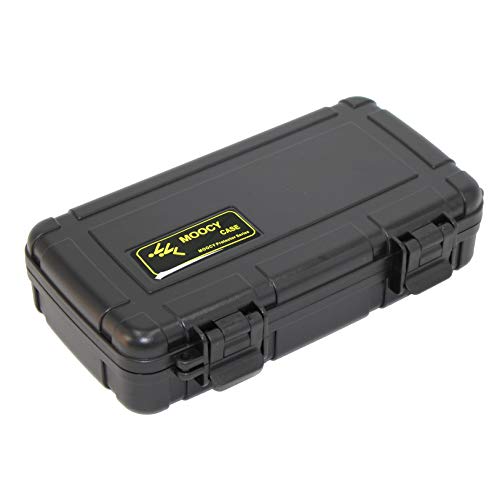
MOOCY 8-Inch Hard Case with Pluck Foam Insert
True Position Tools Universal Hard Carrying Case, 17 x 12 x 3 In.

Amazon Basics Metal Tool Box with Drawers, Turquoise
The Details Behind The Selections
The clear body is the whole argument here. You can see whether the paint pens made it back into the box without opening it, which matters more than it sounds once a craft cart becomes a shared family resource. At roughly 14 by 8 by 8 inches, it slides onto a closet shelf or under a desk without crowding anything.
It is built from industrial-grade plastic with rounded edges, and Akro-Mils manufactures it in the USA, which owners of classroom supplies tend to appreciate when boxes take daily abuse from students.
What Works In Its Favor
- Transparent walls let you spot contents at a glance, cutting search time during busy sessions
- Removable tray lifts out so small items sit up top while bulkier tools stay below
- Steel latch mechanism feels sturdier than the plastic clips common at this size
- Padlock eye accepts a small lock for shared spaces like studios or classrooms
- Rounded safety edges suit environments where kids handle the box
Points To Note
- The clear shell can look scuffed after months of shelf sliding; a soft wipe keeps it presentable
- No built-in compartments beyond the tray, so very tiny parts still need bags or dividers
Who Will Love This
Hobbyists, teachers, and craft-room organizers who want visible contents and light daily portability.
Where A Sibling Pick Shines
Anyone hauling heavier hand tools should lean toward the CRAFTSMAN CMST13004 instead, since its molded build handles wrenches and hammers more confidently.
Where the Akro-Mils leans toward crafts and visibility, this CRAFTSMAN is the classic grab-and-go hand-tool carrier. The 13-inch footprint swallows a hammer, tape measure, a few screwdrivers, and a wrench with room left over, which covers what most households actually reach for in a weekend.
The padlock eye is the quiet standout. Garages shared with roommates or kids get a simple security answer without buying a locking cabinet, though the lock itself comes separately.
A Few Strong Suits
- Padded comfort grip makes carrying a loaded box upstairs noticeably easier on the hand
- Lock-ready latch adds basic security for shared garages or vehicles
- Compact 13-inch size fits under most truck seats and utility shelves
- Durable molded construction shrugs off drops better than thin clamshell cases
Things To Consider
- Solid walls mean no at-a-glance inventory, unlike the clear Akro-Mils box
- Owners commonly report the interior runs snug with bulky cordless drills, so measure your largest tool first
Quick Facts
Made For
Homeowners assembling their first honest toolkit who want one dependable box for everyday repairs.
Swap It Out When
Delicate electronics travel with your tools, in which case the True Position case below offers far better impact protection.
This is the smallest item here, and that is precisely its role. The outer shell measures about 8.6 by 4.9 by 1.9 inches, with an inner cavity near 7.8 by 3.9 by 1.5 inches, so think precision drivers, SD card readers, insulin-style medical kits, or a compact multimeter probe set. Closing the latches seals the interior against water, air, and dust, which is the feature that separates it from any open toolbox above.
Pluck foam means you tear out pre-diced cubes to shape cavities around each item, holding everything motionless in a backpack or checked bag.
The Helpful Details
- Sealed closure blocks moisture and grit during travel or humid garage storage
- Shaped foam cradles fragile items so they cannot shift and collide
- Built-in padlock holes allow extra security for sensitive contents
- Palm-sized footprint drops into a jacket pocket or glovebox
Softer Spots
- The 1.5-inch interior depth rules out anything bulky, so check dimensions before committing
- Pluck foam degrades slightly each time you reconfigure it, so plan your layout before tearing
Feature Snapshot
Right Fit For
Travelers, photographers, and anyone protecting small medical or measurement devices on the move.
Another Choice May Suit
For larger camera bodies or testing gear, step up to the True Position case, whose bigger cavity accommodates bulkier equipment comfortably.
Compared with the MOOCY case, everything scales up. The 17-by-12-by-3-inch rigid shell targets action cameras, drones, audio recorders, and handheld test meters, the category of gear where a dented housing costs real money. A low-profile exterior keeps it stackable on studio shelving.
The foam deserves specific mention. True Position uses premium Kaizen-style pick-and-pluck material diced in 3/4-inch increments, finer than typical budget inserts, so you can carve tighter, cleaner pockets around lenses and cables.
Practical Advantages
- Rigid low-profile body protects expensive electronics from crushing in transit
- Finely diced Kaizen foam allows precise custom layouts for odd-shaped gear
- Generous 17-inch span fits multi-item kits in a single case
- Universal design works across cameras, GoPros, tools, and measuring instruments
- Flat profile stacks neatly alongside other cases on a shelf
Worth Bearing In Mind
- The shallow 3-inch depth limits taller items like full-size flash units
- Carving dense foam takes patience, and mistakes are permanent, so sketch your layout first
Who Should Grab It
Videographers, field technicians, and content creators building a protected kit they carry weekly.
Consider Something Else When
General hand tools are the mission, and the CRAFTSMAN CMST13004 serves that purpose with less fuss and more depth.
This one breaks the pattern entirely. Instead of a single open cavity, you get a steel chest with wide pull-out drawers, closer in spirit to a miniature mechanic’s cabinet than a portable box. The turquoise powder-coated finish reads more designer-desk than job site, which is exactly why it works in home offices and craft rooms.
Two latches each accept a small lock, and the multi-compartment layout suits cosmetics, art supplies, and small hardware equally well. In our view it earns its place as the stationary organizer of this group.
Why It Works Well
- Drawer access beats digging through stacked layers every time you need one item
- Steel construction with powder-coated finish resists chips and everyday wear
- Dual lockable latches secure contents in shared households
- Attractive color lets it live visibly on a desk rather than hidden away
Room For Improvement
- Nearly 10 inches tall and steel-bodied, it is the least portable option listed here
- Drawer runners benefit from occasional cleaning in dusty workshops, as owners commonly note
Core Details
Whose Shelf It Belongs On
Apartment dwellers and desk-based creators who want organized drawers within arm’s reach rather than another carried box.
Reach For A Different Pick When
Portability drives the purchase, and the Akro-Mils clear toolbox handles grab-and-go duty far more gracefully.
What Matters Most Before Choosing Micro-Tool Boxes
Size Against What Actually Goes Inside
Measure your bulkiest item first, then add clearance. A 13-inch box sounds generous until a cordless drill reveals otherwise, and slim cases like the MOOCY turn useless the moment a device exceeds 1.5 inches of depth. Write down the three largest things you intend to store before comparing footprints.
Open Tray Versus Foam Versus Drawers
Open trays favor speed and flexibility, which suits crafts and general hand tools. Pick-and-pluck foam, diced foam you tear apart to form custom cavities, favors fragile gear that must not shift. Drawers favor frequent retrieval of many small categories. Matching the interior style to your workflow prevents regret more than any brand decision will.
Security And Where The Box Lives
Padlock eyes appear on several picks here, but they only matter if the box sits somewhere shared. A locked box in a private closet adds friction without benefit. Conversely, classrooms, shared garages, and dorms make the lock-ready design genuinely worthwhile, so let your environment decide.
Portability Reality Check
Weight changes character fast once loaded. Plastic shells under 15 inches remain comfortable one-handed, while an 18-inch steel chest wants a permanent home. Honest self-assessment about how often you will actually carry the thing saves money and counter space alike.
Key Considerations Across These Picks
Traps First Timers Fall Into
The classic error is buying for the tools you own today, then adding a rotary tool and two specialty drivers next month. Leave roughly a quarter of the interior empty. Another slip is ignoring depth: wide-but-shallow cases frustrate owners of tall bottles and chunky meters, so verify vertical clearance against your tallest item before ordering.
Where The Extra Money Goes
Higher-tier cases spend on materials and precision. Rigid shells, finely diced Kaizen foam, sealed latches, and steel construction all cost more than thin plastic because they protect contents worth protecting. Paying up makes sense when the cargo is fragile or expensive; for loose screws and craft glue, a simpler box performs identically.
Frequently Asked Questions
Are plastic micro-tool boxes durable enough for daily use?
Industrial-grade plastic models like the Akro-Mils are designed for repeated handling in classrooms and workshops. Expect surface scuffs over time, but structural cracking is uncommon under normal loads.
Do these boxes come with locks included?
None of the picks include an actual padlock; they provide lock eyes or lockable latches only. Budget separately for a small padlock if security matters in your space.
What does pick-and-pluck foam mean?
It is foam pre-cut into small connected cubes that you tear out to shape cavities matching your gear. The result holds each item firmly in place during transport.
Can a micro-tool box replace a full tool chest?
For households whose repairs involve hand tools only, yes, comfortably. Power tool collections, large socket sets, and growing hobby inventories eventually outgrow any sub-18-inch option.
How do I clean a plastic tool box?
Mild soap, warm water, and a soft cloth handle most grime without dulling the finish. Avoid solvents on clear plastics, which can cloud the surface permanently.
Wrap Up
The right choice depends less on ranking than on what travels with you. Crafters see themselves in the clear Akro-Mils, homeowners in the CRAFTSMAN, travelers in the MOOCY, creators in the True Position case, and desk organizers in the Amazon Basics chest. Match the interior style and footprint to your actual routine, leave some room to grow, and whichever box lands on your shelf will quietly earn its keep for years.




