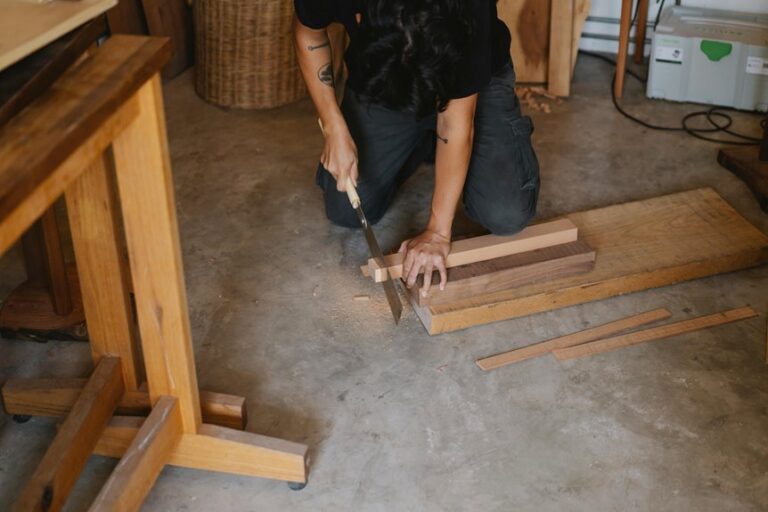
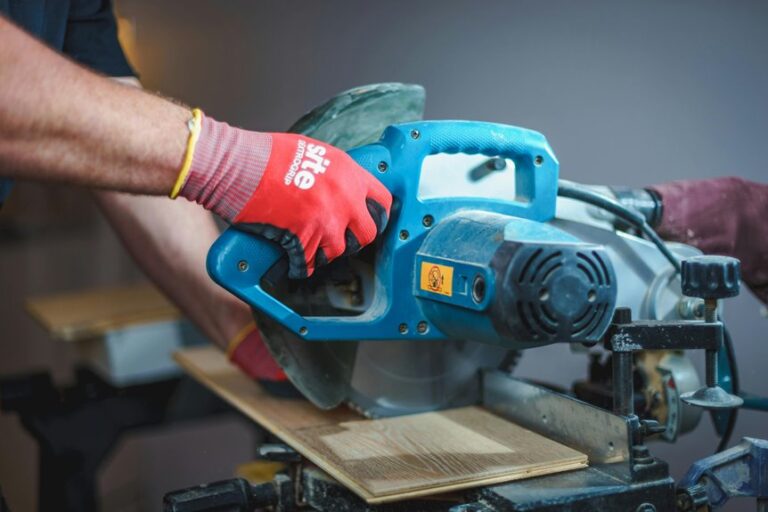
Picture framing lives and dies by the corner. A half-degree off at the miter gauge turns into a visible gap at the joint, and no amount of glue or filler hides it on a stained hardwood frame. That’s the problem this list solves: five cutting tools, from a full sliding saw down to a pocket-sized guide box, each suited to a different workshop and skill level. Whether you’re building frames to sell at craft fairs or just trimming your own prints on a spare-room bench, one of these will match how often you cut and how much space you have.
Your Options, Compared

Evolution R185SMS+ Sliding Miter Saw 7-1/4″
FIRSTINFO 5.5 Inch Metal Small Aluminum Miter Box
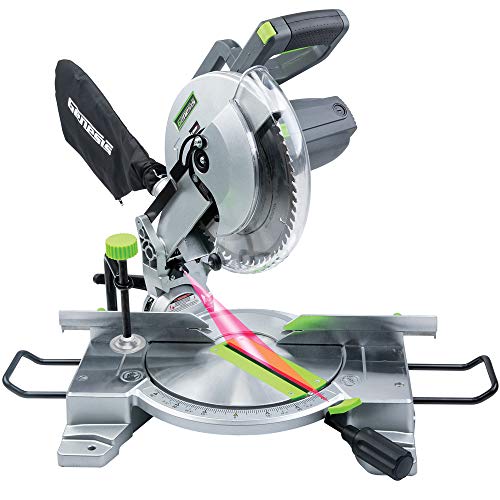
Genesis GMS1015LC 15-Amp 10-Inch Compound Miter Saw
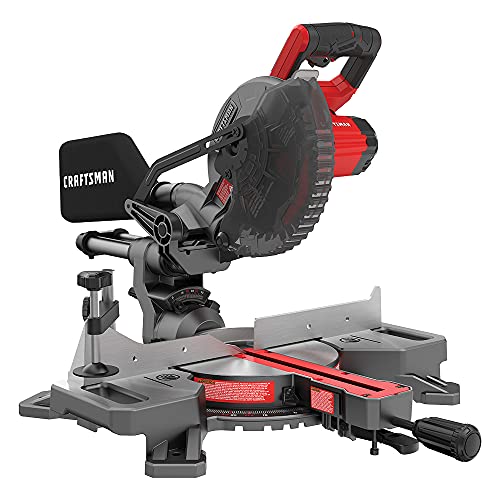
CRAFTSMAN V20 Cordless Sliding Miter Saw CMCS714M1

BOSCH CM10GD 10 In. Dual-Bevel Glide Miter Saw
The Picks, Examined More Closely
Most saws in this price bracket handle wood and stop there. The Evolution R185SMS+ doesn’t draw that line: the included 7-1/4-inch blade is rated for wood, plastic, and metal alike, which matters when a frame calls for aluminum stock alongside the moulding. A bevel range up to 45 degrees and miter capacity to 50 degrees give you room for compound corners, not just standard 90-degree joints.
In a small framing shop, that flexibility changes workflow. One machine handles the hardwood, the backing board, and the metal hanging hardware, so you’re not shuttling pieces between tools mid-project. For anyone working in a garage or shared space where a dedicated metal-cutting setup isn’t practical, this is the pragmatic answer.
Strong Points
- Multi-material blade means one tool covers wood, plastic, and metal frame components
- Sliding action extends crosscut reach on wider moulding and backing stock
- 45-degree bevel plus 50-degree miter range handles unusual corner angles
- A single blade swap-free session keeps production framing moving
Things To Consider
- The 210 mm slide suits trim-scale work; very wide dimensional lumber may exceed its capacity
- Owners commonly report multi-material blades wear faster than wood-only blades, so keep a spare on hand
Key Specs
Who It Suits Best
Mixed-material framers and hobbyists who want one compact machine for wood, plastic, and aluminum without buying separate metal-cutting gear.
Where A Sibling Pick Shines
Wood-only framers chasing finer finish quality on premium moulding will get more out of the BOSCH CM10GD further down this list.
Not everyone needs a motor for this job. This little aluminum box guides a hand saw through pre-cut slots at 45, 90, and 135 degrees, which covers every angle a basic picture frame demands. At roughly 5.5 inches long, it fits in a drawer, and there’s nothing to plug in, maintain, or store safely away from kids.
The honest limitation is capacity: material can’t exceed about 0.79 inch thick or 1.57 inch wide. That rules out chunky crown moulding but leaves plenty of room for thin picture-frame stock, dowels, and small trim pieces. Check those numbers against your usual material before committing.
The Helpful Details
- Three pre-machined slots deliver accurate 45, 90, and 135 degree angles without any setup
- Aluminum body stays light enough to toss in a toolbox or take to a craft table
- Accepts blades up to 1 mm thick, keeping the kerf tight and joints snug
- No power required, so it works anywhere from a kitchen table to a campsite bench
Worth Noting
- The 0.79 inch thickness limit excludes thicker frame mouldings entirely
- Hand-sawing takes noticeably longer than a powered saw on batch jobs of a dozen frames or more
- Slots can fill with sawdust over time; a quick brush-out before each session keeps cuts true
The Right Fit
Beginners, students, and craft makers working with slim stock who want accurate corners without investing in a power tool.
Swap It Out When
If your projects regularly involve wider boards, the Genesis GMS1015LC’s 10-inch blade handles them with far more headroom.
This is the entry point where framing stops feeling like handcraft and starts feeling like production. The Genesis pairs a 15-amp motor with a 10-inch blade, and a laser guide projects the cut line onto your workpiece so you can line up pencil marks without leaning in to squint. Nine positive miter stops click into place at the angles you’ll actually use, which speeds up repetitive corner cuts considerably.
Compared with the FIRSTINFO box above, you trade portability and quiet for speed, capacity, and repeatability. Compared with the Bosch later on, you give up dual-bevel flexibility but keep most of the everyday capability at a friendlier cost.
The Case For It
- Laser guide shows exactly where the blade lands, reducing wasted offcuts on expensive moulding
- Nine detented miter stops make repeat 45-degree corners fast and consistent across a full frame run
- 15-amp motor powers through hardwood trim without bogging down
- Compound capability lets you tilt and turn simultaneously for complex joints
Points To Note
- Single-bevel design means flipping the workpiece for opposite-side compound cuts
- Corded operation ties you to an outlet or extension cord in the workspace
- As with any laser, owners commonly report needing occasional alignment checks against an actual test cut
Feature Snapshot
Made For
Home woodworkers producing frames in batches who want powered speed and guided accuracy without a premium price tag.
Another Choice May Suit
Anyone cutting away from a fixed bench will prefer the cordless CRAFTSMAN V20, which trades some capacity for genuine portability.
Picture framing doesn’t always happen at a bench. Installers fitting frames and trim on site, or renters working in a shared garage with one outlet, benefit enormously from a saw that runs on battery. The V20 platform delivers that here: a 7-1/4-inch sliding blade, nine miter detents, and single-bevel tilt, all with the battery and charger included rather than sold separately.
An LED work light casts the shadow-free cut line that a laser approximates, and it never needs recalibration. Crosscut capacity reaches about 8 inches thanks to the slide mechanism, comfortably covering typical frame moulding. Against the Genesis above, you sacrifice an inch of blade and corded muscle; what you gain is freedom of placement.
Positive Points
- Battery power means no hunting for outlets, useful in garages and on job sites
- LED light illuminates the exact cut line without shadow interference
- Roughly 8-inch sliding crosscut capacity swallows standard frame stock
- Battery and charger ship in the box, so it’s ready to run on arrival
Small Caveats
- Runtime depends on battery charge; long batch sessions may need a second pack
- Smaller 7-1/4-inch blade limits maximum material width versus 10-inch corded rivals
- Storing lithium batteries in cold garages shortens their life, per widely reported owner experience
Right Fit For
Trim carpenters, installers, and space-limited DIYers who value mobility over raw cutting capacity.
Reach For A Different Pick When
Stationary shop users wanting maximum precision and dual-bevel convenience should step up to the BOSCH CM10GD instead.
Where the cheaper saws here approximate accuracy, the Bosch engineers it in. Its Axial-Glide arm replaces conventional rails with a hinged linkage, giving smoother travel, better long-term alignment, and a footprint that sits up to 10 inches shallower front-to-back than a traditional slider. That last point quietly matters in a cramped shop where every inch behind the saw counts.
The dual-bevel design tilts both directions without flipping your workpiece, and a 15-amp motor spins the 10-inch blade at 4,800 rpm. For fine furniture-grade frames in hardwood, the difference shows up at the joint: cleaner walls, tighter miters, less sanding. You pay more, and for finish-focused woodwork, most people find it justified.
Key Advantages
- Axial-Glide system maintains alignment over years of heavy use, unlike rail-based sliders prone to play
- Dual bevel cuts both tilt directions in place, saving time on mirrored frame corners
- Compact depth frees up valuable bench space in small workshops
- 15-amp motor at 4,800 rpm delivers clean passes through dense hardwood moulding
Honest Caveats
- The glide mechanism adds weight, so it’s a poor match for frequent hauling between sites
- Premium pricing puts it beyond casual hobby budgets
- Glide pivot points collect dust; regular cleaning keeps movement smooth over time
Core Details
Whose Shelf It Belongs On
Serious woodworkers and professional framers who cut daily and treat corner precision as non-negotiable.
Look Elsewhere When
Occasional hobbyists on slim budgets will be well served by the Genesis GMS1015LC at a fraction of the investment.
What Actually Matters Before You Buy
Capacity Comes First
Measure your thickest and widest frame moulding before anything else. A miter box limited to 0.79 inch thickness fails instantly on chunky profiles, while a 10-inch blade shrugs them off. Match the tool to the material, not the other way around.
Angle Accuracy Beats Features
A laser, LED, or detented stop only helps if the underlying geometry holds true. Positive stops at 45 degrees are the backbone of frame work, so prioritize machines with solid, repeatable detents. Test-cut two scrap pieces and check the joint before trusting any saw on expensive hardwood.
Corded Versus Cordless
Corded models like the Genesis deliver constant power for marathon sessions. Battery tools such as the Craftsman V20 win on placement freedom and quick grab-and-go jobs. Your workspace layout should settle this question faster than any spec sheet.
Bevel Direction Counts
Single-bevel saws force you to flip the workpiece for mirrored compound cuts, doubling the chance of measurement error. Dual-bevel machines like the Bosch handle both tilts in position. Frequent compound work makes this worth paying for.
Two Quick Notes Before You Decide
Traps First Timers Fall Into
The classic error is buying too big. A 10-inch sliding saw dominates a spare bedroom and rarely earns its footprint for hobby frames. The opposite mistake is undersizing: a tiny miter box that can’t hold your actual moulding wastes money immediately. Measure first, then buy.
What Separates Premium From Basic
Higher-tier saws spend their extra cost on the arm mechanism, bearing quality, and fence rigidity. Those parts determine whether the saw still cuts square after three years. Casual users won’t feel the difference; daily framers absolutely will.
Frequently Asked Questions
Do I really need a saw for picture frames?
A hand saw with an accurate miter box handles occasional small frames well. Powered saws earn their keep once you’re cutting multiple frames or working in hardwood.
Why do my corners always gap at the back?
Your blade or guide likely isn’t cutting a true 45 degrees. Verify with two scrap offcuts joined face-to-face before cutting final material.
Is a laser guide necessary?
It’s convenient but not essential. Detented positive stops matter more for consistency across repeated cuts.
Can these saws cut metal frame stock?
Only the Evolution R185SMS+ ships with a blade rated for metal among these picks. Standard wood blades shouldn’t touch aluminum.
How important is dust collection?
Fine moulding dust accumulates fast and affects cut visibility. A shop vac connection or frequent bench clearing keeps your sight lines honest.
Closing Thoughts
Match the tool to your real workload and the corners take care of themselves. Occasional craft frames suit the FIRSTINFO box, growing home shops fit the Genesis, mobile installers lean on the Craftsman, and dedicated woodworkers justify the Bosch. Somewhere in that range is the right amount of saw for you, and starting there beats upgrading twice.