You stare at two photos on the same screen and one looks warmer than the other, even though nothing changed. That’s the symptom a colorimeter solves, and it shows up in retouching studios, living-room editing setups, and home offices where print matching matters. These tools read what your display actually outputs and build a profile so colors stay honest. The nine picks below cover entry-level express workflows, pro-grade sensors, and a specialty automotive tool that slipped into the source data.
The Lineup, Simplified

Datacolor Spyder4Pro S4P100 Colorimeter
Calibrite Display Pro HL Colorimeter (3000 nits)
Datacolor Spyder Monitor Calibrator (OLED/LED)

Datacolor SpyderPro Calibrator (Photo/Video)

Calibrite Display 123 Colorimeter
Calibrite Display Plus HL Colorimeter (10000 nits)

Calibrite ColorChecker Display Pro (CCDIS3)
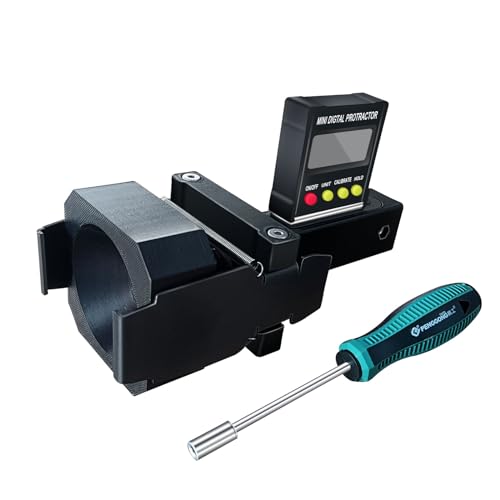
Dynamic ACC ADAS Calibration Tool

Datacolor SpyderExpress Calibrator
The Spyder4Pro arrived in an era when most editing monitors were standard LED, and it has stayed relevant as a budget entry point ever since. The unit reads color and brightness, then writes a profile that tells your operating system how to render what the panel actually does. For hobbyists retouching weekend shots on a single desktop display, that baseline correction is usually enough to keep skin tones from drifting orange or blue.
Compared with the newer Calibrite units below, this older Spyder trades modern display support for a lower entry cost. Owners commonly report that older Spyder sensors read slightly warm on some wide-gamut panels, so a software update keeps accuracy honest. It’s a sensible pick for someone stepping into color management for the first time.
Everyday Perks
- Full-spectrum color sensor reads a wide range of modern LCD panels
- Single device calibrates multiple displays when paired with a desktop computer
- Improved long-term stability thanks to double-shielded color filters
- Compact housing that sits on a desk without crowding a workspace
Points To Note
- Older generation, so native support for the brightest OLED and mini-LED panels is limited
- Software updates are needed occasionally to keep readings accurate over time
- Counterweight design is less refined than newer Calibrite housings
Who It Suits Best
Hobbyist photographers and home editors on standard LED monitors who want a no-frills path to consistent color.
Look Elsewhere When
Calibrite Display 123 fits newcomers who prefer a more guided software flow and a USB-C connection out of the box.
The Display Pro HL is the workhorse most working colorists reach for, and the HL sensor (high luminance, meaning it can measure very bright panels accurately) is the headline. Where the Spyder4Pro above was built around a standard-LED world, this Calibrite measures up to 3000 nits, so it can read HDR-capable LCD, mini-LED, OLED, and Apple XDR displays without choking on brightness. The included PROFILER software runs on Mac and Windows and pushes a finished profile into the OS in a few minutes.
For a one-person retouching studio or a small content team editing in sRGB, Display P3, or Rec. 709, this covers nearly every common workflow. The USB-C cable plus USB-A adapter helps on newer laptops, and a 1/4-inch mount thread means the sensor can sit on a tripod or stand. If your editing suite centers on a single bright reference monitor, this is the practical sweet spot.
A Few Highlights
- HL sensor handles bright HDR panels up to 3000 nits without clipping
- PROFILER software covers macOS and Windows in one package
- Built-in tripod mount and travel pouch make it portable between studios
- Calibrates projectors alongside traditional desktop displays
Trade Offs
- Sensor body is small, so it can shift on heavier monitors without care during placement
- Advanced features inside PROFILER assume some color-management familiarity
Feature Snapshot
Made For
Pro photographers, colorists, and video editors working on HDR-capable displays who need accurate measurements past standard-LED brightness limits.
Where Another Pick Suits Better
Calibrite Display Plus HL is the better match when your reference monitor pushes past 3000 nits and demands the wider 10000-nit sensor range.
Datacolor’s latest mainstream Spyder is built for the screens people actually edit on in 2026. That includes laptop OLED panels, mini-LED monitors, and Apple Liquid Retina XDR displays. The workflow is short: hang the sensor, run the software, and a profile lands in the OS in roughly the time it takes to make coffee. The included DevicePreview Beta tool simulates how an image will look on other calibrated devices, which is genuinely handy when a client wants to know if their phone will show the same warmth as your studio monitor.
Where the Spyder4Pro above leans budget, this newer Spyder adds modern display support without pushing into pro-only pricing. In most home studios the calibration cycle repeats every few weeks as the panel ages, so the speed of the workflow matters more than the depth of the analytical tools.
The Good Stuff
- Calibrates laptop and desktop OLED, mini-LED, and Apple XDR displays from one unit
- DevicePreview simulation shows how an image will render on other calibrated devices
- Setup takes only a few minutes, so the recalibration habit actually sticks
- Single purchase covers multiple displays when paired with one computer
Worth Noting
- DevicePreview is labeled beta, so behavior may shift across updates
- Less granular control than the Calibrite PROFILER software for studio work
Right Fit For
Photographers, designers, and content creators who work across a laptop and a desktop and want a single calibrator that handles both modern panel types.
Consider Something Else When
Calibrite Display Pro HL is a stronger fit for studios that also calibrate projectors or need fine-grained control over luminance targets.
The SpyderPro is the upgrade path for the Datacolor ecosystem, aimed squarely at studios running multiple displays and the occasional projector. Where the standard Spyder focuses on quick calibration, the Pro opens up unlimited gamma, whitepoint, and brightness settings, which is the kind of control a video colorist needs when matching a reference monitor to a client-side display. Display Analysis and MQA testing let you audit a panel’s quality over time, not just at the moment of profile creation.
Compared with the standard Spyder above, this one trades beginner simplicity for analytical depth. The projector profiling step is the practical highlight, since it lets a small agency match the look of a client presentation room without separate gear. For a freelance editor with a two-monitor desk and a tripod-mount workflow, the upgrade earns its keep.
Strong Points
- Unlimited gamma, whitepoint, and brightness targets for custom workflows
- Supports Wide LED, Standard LED, OLED, and Mini LED panels in one unit
- Projector calibration expands use beyond a desktop display
- Display Analysis tools help audit a panel’s health over months of use
Some Limits To Know
- Software depth assumes comfort with color management concepts
- Sensor body design has not changed much from earlier Spyder generations
Key Product Details
Whose Shelf It Belongs On
Working photo and video professionals running multiple monitors and occasional projection work who need adjustable calibration targets.
Skip It When
Datacolor Spyder (pick 3) is enough for solo creators who don’t need projector support or unlimited target settings.
The Display 123 is the unit to hand a friend who has never calibrated a monitor. Calibrite’s guided workflow steps through placement, measurement, and profile writing in plain language, with a before-and-after preview that shows the practical difference. The compact housing stands roughly 34mm tall and uses an adjustable counterweight to ride across a screen’s bezel, so the unit stays put on most displays from 24 inches upward.
Compared with the more analytical Display Pro HL covered earlier, the 123 trades project-level detail for approachability. It supports two displays, which covers the common laptop-plus-monitor setup for most home editors. The trade-off worth knowing: you give up some of the deeper PROFILER controls, so a colorist working on broadcast targets will want a different tool.
A Few Strong Suits
- Guided 1-2-3 software removes the intimidation factor for new users
- Before-and-after preview makes the improvement visually obvious
- Compact body fits neatly in a drawer between uses
- Supports two displays for a typical home office
Room For Improvement
- Limited to two displays, which falls short for multi-monitor studios
- Fewer advanced controls than the Calibrite PROFILER software
Best Suited To
First-time calibrators and photo enthusiasts who want a clean, guided setup on a laptop and one external display.
Not Your Match When
Calibrite Display Pro HL suits a working studio that needs to handle brighter HDR panels and projector profiling.
Where the Display Pro HL reads up to 3000 nits, the Display Plus HL pushes to 10000 nits, which matters once your reference monitor is a current-generation mastering display. The advanced HL sensor is the headline, and it pulls in a wider range of LCD, mini-LED, OLED, and Apple XDR panels without losing accuracy in the brightest highlights. For HDR grading work, that headroom is the difference between a measured profile and a clipped one.
The PROFILER software is the same foundation as the Pro HL, with the added sensor range layered on top. The 1/4-inch mount thread and travel pouch make the unit easy to ferry between a home studio and a client’s color suite. You may find that this much headroom is unnecessary on a standard SDR workflow, in which case the cheaper Pro HL is a smarter fit.
What Helps Most
- Reads up to 10000 nits for HDR mastering and reference displays
- Calibrates LCD, mini-LED, OLED, Apple XDR, and super-bright panels
- PROFILER software is consistent with the rest of the Calibrite range
- USB-C with adapter covers modern and legacy ports
Honest Caveats
- Excess headroom for SDR-only editing suites
- Pricing puts it out of reach for casual hobbyists
Core Details
Who Should Grab It
HDR colorists, mastering engineers, and studio owners who calibrate reference displays that push beyond 3000-nit peak brightness.
Another Choice May Suit
Calibrite Display Pro HL handles 3000 nits and covers most editing setups at a friendlier cost for SDR-leaning workflows.
The CCDIS3 is the previous-generation Calibrite pro tool, and it still earns a spot in working studios. The optical design is built for repeatability (meaning the sensor produces nearly identical readings when measuring the same color twice), so calibrating the same display twice in a row gives consistent profiles. The rotatable diffuser arm is a quietly clever bit of hardware: it acts as a stand for tabletop projector profiling, a shield for ambient light measurement, and a cover for the optics when the unit is in a bag.
Where the newer Calibrite HL units above push luminance range, this one trades those gains for an established optical design that many colorists already trust. The integrated tripod mount handles projector sessions without extra adapters. If you find a CCDIS3 at a good price and your work stays in the standard-LED range, it’s a calm, dependable choice.
Strengths Worth Knowing
- High repeatability on the same display and across different display types
- Rotatable diffuser arm serves as a stand, ambient light shield, and optics cover
- Integrated tripod mount for projector profiling sessions
- Works with ccProfiler and i1Profiler software ecosystems
Factors To Consider
- Older generation, so it lags behind the HL sensors on HDR brightness range
- Software experience depends on which profiler ecosystem you prefer
Built With In Mind
Colorists who value repeatability and ambient light control in a single housing, especially when projector profiling is part of the workflow.
Swap It Out When
Calibrite Display Pro HL is the smarter pick for studios that need 3000-nit headroom and a more current sensor design.
This entry broke the pattern of the list, because it isn’t a display colorimeter at all. The ANGSO-AUTO leveling tool targets ADAS (Advanced Driver Assistance Systems) radar alignment on vehicles with an eyeball-style ACC unit, specifically the dynamic calibration step where a level reference matters. Two AAA batteries power the unit, which the listing notes you’ll need to supply separately, and the housing is built to read level during a dynamic drive cycle.
It’s included here because the search term surfaced it, but the honest read is that it belongs in an automotive technician’s toolbox rather than on a photo-editing desk. If your work touches ADAS radar calibration, the unit fills a narrow but real need; everyone else should keep scrolling back to the display colorimeters above.
A Favorable Mix
- Compact housing fits in a standard automotive tool drawer
- Runs on widely available AAA batteries
- Targeted at dynamic ACC radar alignment, a specific ADAS use case
Practical Considerations
- Batteries ship separately, so a fresh install is part of setup
- Limited to dynamic calibration on eyeball-style ACC units, not static procedures
Whose Shelf It Belongs On
Automotive technicians performing dynamic ADAS radar calibration on compatible eyeball-style ACC modules.
A Better Fit Elsewhere
Calibrite Display Pro HL belongs on the desk of anyone editing photos and video on a modern HDR display.
The SpyderExpress is the entry point in the current Datacolor line, aimed at creators who edit photos, design graphics, or produce content but don’t need the analytical depth of the Pro. The workflow trims steps that the standard Spyder and Pro both include, so a fresh profile lands faster on a single display. Notably, it supports the latest Liquid Retina XDR displays on current MacBook hardware, which is a real practical win for laptop editors.
Compared with the Calibrite Display 123 above, the SpyderExpress leans into the Datacolor ecosystem rather than Calibrite’s guided flow. It covers the basics for digital editing and print matching, and the included software walks through the process without overwhelming a first-time user. For a hobbyist who wants accuracy without a learning curve, it’s a friendly starting point.
The Practical Payoff
- Streamlined workflow fits a quick recalibration habit
- Supports MacBook Liquid Retina XDR panels from recent generations
- Targets accurate color for both digital and print workflows
- Approachable software for first-time calibrators
Where It May Fall Short
- Less suited to multi-display studios than the standard Spyder or SpyderPro
- Software customization is more limited than in the Pro tier
Feature Card
Perfect Match For
Hobbyist creators and home editors who want color accuracy on a single modern display without a steep learning curve.
Reach For A Different Pick When
Datacolor Spyder (pick 3) is the right step up once you start running more than one display or want the DevicePreview simulation tool.
Picking A Colorimeter That Fits Your Setup
Start with the panel you’re editing on, because the sensor has to read what the display actually puts out. Standard LED monitors, OLED panels, mini-LED screens, and Apple XDR displays each have different brightness peaks and color volumes, and older sensors can clip on the brightest highlights. If your editing monitor is HDR-capable, an HL (high luminance) sensor measures up to 3000 nits or beyond without losing accuracy in the upper range. SDR-only setups can stay with a standard sensor and skip the brightness headroom.
Next, think about how many displays you need to profile and how often. A solo creator with one desktop monitor runs through the calibration process in minutes, so a streamlined unit like the Calibrite Display 123 or Datacolor SpyderExpress fits the routine. Studios with two or more panels, plus the occasional projector, benefit from the Pro and Pro HL tiers, which handle multiple targets and offer ambient light controls. The projector support on certain models also lets you match a client-side presentation room using the same device.
Software depth matters more than people expect. A guided workflow lowers the learning curve and helps the recalibration habit stick, which is the real secret to long-term color accuracy. Pro tools add control over gamma (the curve that maps input values to brightness), whitepoint (the neutral color temperature the display aims for), and brightness targets, plus display analysis for auditing a panel over time. Choose the level of detail you actually want to engage with, because unused software menus are wasted money.
Finally, factor in real-world ownership. Most sensors ship with a counterweight or a stand that rests on the bezel, so check that the unit fits your display. USB-C connections with an included USB-A adapter cover both modern laptops and older workstations. A travel pouch and a tripod mount help if you move between studios, and battery-free units that draw power over USB stay simple to maintain. For most people, a mid-tier HL sensor covers both current and near-future displays without overspending.
Key Things To Keep In Mind
Common Buying Slip Ups
The most common mistake is matching a budget sensor to a bright HDR display and expecting accurate results at the top of the range. The cheaper tools measure well in SDR territory but clip on highlights, which makes bright skies and specular reflections look duller than they should. A second trap is calibrating only once and forgetting about it, because panels drift over months of use and the profile goes stale. Building a short habit of recalibrating every few weeks keeps the workflow honest.
Where The Extra Money Goes
The gap between entry-level and pro-tier colorimeters comes down to sensor range, software depth, and build quality. HL sensors add the headroom to read HDR displays accurately, while pro software unlocks custom gamma, whitepoint, and brightness targets plus display analysis. Higher-priced units also tend to ship with sturdier housings, tripod mounts, and travel pouches, which matter if you move between studios. For a working professional, those upgrades pay back in saved time and tighter color matching across a multi-display setup.
Frequently Asked Questions
What is a colorimeter used for in monitor calibration? A colorimeter measures the light and color output of your display, then writes a profile that tells your operating system how to render colors accurately. Without one, your screen’s colors drift from what software expects them to be.
How often should you recalibrate a monitor? Most working colorists recalibrate every two to four weeks, because display panels shift as they age and as ambient room light changes. Hobbyists can stretch that to once a month with reasonable results.
Do OLED and mini-LED monitors need special calibration tools? Yes, in the sense that older sensors can clip on the brightest highlights. A high-luminance (HL) colorimeter measures brighter peaks accurately and produces more reliable HDR profiles.
Can one colorimeter calibrate multiple displays? Most modern colorimeters write a separate profile for each display you connect them to. You move the sensor between screens and rerun the software for each one, and the profiles are stored in the operating system.
Is projector calibration the same as monitor calibration? The sensor and software are often the same, but projector profiling uses a longer throw distance and reads against a projected image rather than an emissive panel. Some colorimeters include projector modes and a tripod mount to support that workflow.
Closing Remarks
The right colorimeter is the one that matches the displays you actually use and the habits you can keep. Entry-level tools cover a single SDR monitor with a friendly workflow, while HL and Pro tiers add the headroom and software depth that working studios need. Pick the level of detail you want to engage with, run the calibration on a steady schedule, and your edits will look the same on the screen you used, the client’s monitor, and the final print.