


Building a picket fence looks simple until the second board starts to cup or the first nail begins to back out. The fastener choice quietly decides whether your fence line stays crisp through the next decade or starts drifting after the first wet spring. The four picks below cover the most common fastening jobs you’ll run into: wire-backed field fencing, decorative picket rails, interior panel accents, and high-volume siding-style work that translates to fence runs.
The Main Contenders
The Main Contenders

Cat’s Claw Fasteners Screw-In Fence Staples 1.5in

CrimsonMark Galvanized Steel Nails Assortment Kit
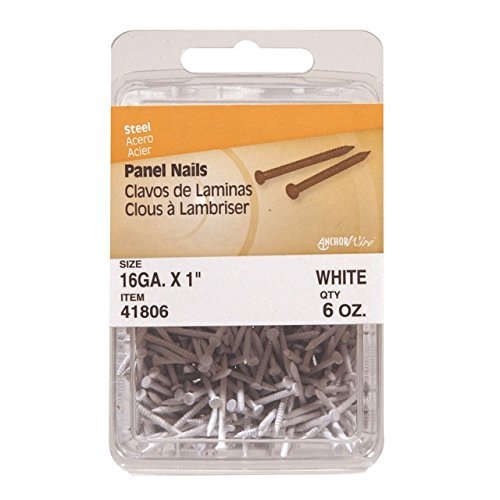
Philstone 41806 6 Oz 1in White Interior Panel Nails

Bostitch 2in Galvanized Ring Shank 15 Coil Siding Nail
A Closer Look At Each Pick
Most fence staples behave the same way: you set them with a hammer, you smash a thumb, and you pull two out of every ten. The Cat’s Claw approach flips that script by using a screw-in shank, so a standard cordless drill drives each one flush to the wood. The 1.5-inch length is the sweet spot for attaching wire mesh, chicken wire, and woven field fence to hardwood posts, where shorter staples tend to split the grain or pull loose after a few wet seasons.
For most picket builds, these earn their place along the back side of the fence where you’re stapling hardware cloth or pet fencing rather than the face boards. Pair them with a spare battery and you’ll fly through a 50-foot run of mesh without much hand fatigue. Owners tackling weekend repairs on an aging fence line will appreciate that you can back one out with a drill if you ever need to replace a section of wire.
Positive Points
- Screw-in shank gives noticeably more pull-out resistance than hammered staples, especially in cedar and pressure-treated posts.
- Drill installation keeps fingers safe and reduces the crooked-set problem that comes with hand-driving short staples.
- 14-gauge steel core with a rust-inhibiting coating handles the wet, freeze-thaw side of fence life better than plain bright staples.
- Removable with a drill, which simplifies repairs when a section of mesh tears or sags.
- Bulk quantities reduce the per-fastener cost on long runs of wire-backed field fencing.
Things To Consider
- You need a charged drill and a compatible driver bit, so this is a poor match if you only own a basic hammer.
- The 1.5-inch length is overkill for thin picket face boards, and the head profile can telegraph through soft trim.
Feature Snapshot
Who It Suits Best
DIYers running wire mesh, field fence, or pet containment along a wood frame who already own a cordless drill and want cleaner, faster installs than hammered staples allow.
Where Another Pick Suits Better
For visible face boards on a decorative picket line, the Philstone 41806 panel nails offer a smaller head and color-matched finish that disappears into trim work.
A picket fence build rarely involves just one nail size. The CrimsonMark kit solves that by bundling six common lengths in a single box, from 3/4-inch brads for trim caps up through 2-inchers for rails and picket face boards. The galvanized high-carbon steel is the real reason it earns a spot here: zinc coating plus a tough core means the nails stay straight under hammer blow and shrug off the kind of moisture that turns bare steel orange within a season.
You may find this kit most useful during the messy middle phase of a fence build, when you’re switching between hanging gates, attaching pickets, securing lattice tops, and tacking on a row of cap trim. The included finishing-nail option helps with the small, visible details where a larger head would stand out. Depending on the project, you’ll probably reach for the 1.5-inch and 2-inch sizes far more than the rest, but having the others on hand keeps the build moving.
Reasons It Performs
- Six sizes in one kit cover rails, pickets, lattice, and trim without running back to the store mid-project.
- Galvanized high-carbon steel resists bending during hand-driving and holds up to outdoor moisture.
- Multi-layer zinc coating slows rust streaks on cedar and pressure-treated boards.
- Includes a finishing-nail option for clean, low-visibility detail work around gate frames and caps.
Honest Caveats
- With several hundred pieces sharing a single box, mixed sizes can be awkward to grab one-handed on a ladder.
- The assortment leans toward small picture-hanging and trim sizes, so a long picket fence run may drain the bigger lengths quickly.
Right Fit For
Homeowners patching a mixed fence with rails, pickets, and trim who want one bin to cover several fastening jobs without buying separate boxes for each length.
Consider Something Else When
For pure wire-mesh fastening, the Cat’s Claw screw-in staples give you a much more secure hold on the back side of a fence than standard nails of any size.
Decorative picket fences live and die on the visible fastener. A bright, shiny nail head on a painted white picket ruins the look almost instantly, which is where the Philstone 41806 earns its place. The 1-inch length and white-painted head are designed to blend into trim and panel work, and the ringed thread pattern digs into the wood face so the nail resists backing out as the boards expand and contract through the seasons.
For most decorative builds, these work best on the cap rail, the lattice top, or the gate frame rather than the structural picket-to-rail connection, where you’d want a longer structural fastener. You may find the 6-ounce pack slightly small for a whole fence, but for the small surface details that need to disappear visually, it does the job without leaving a metallic eye sore. Compared with the bulk nails in the CrimsonMark kit, the trade-off here is size over finish quality.
Well-Handled Touches
- White-painted head blends into painted pickets and trim, eliminating the silver dot most nails leave behind.
- Flat head design sits flush so it doesn’t snag clothing or catch on a fence cap.
- Ringed thread pattern grips the wood and resists backing out through seasonal movement.
- Steel core holds its shape during hand-driving, even in tight trim work near the edge of a board.
Small Caveats
- The 1-inch length is too short for structural picket-to-rail fastening, so it plays a finishing role, not a framing one.
- Painted coating can chip on hammer impact, so a small touch-up brush is worth keeping on hand.
Best Suited To
Finish carpenters and detail-oriented DIYers working on cap rails, lattice tops, and decorative trim where the nail head needs to disappear into a painted surface.
Not Your Match When
For high-volume structural picket fastening, the Bostitch 2-inch coil nails feed through a pneumatic tool and keep a long fence run moving.
Once a fence project stretches past a single weekend, hand-driving every nail stops being fun. The Bostitch 2-inch coil nails turn a pneumatic nailer into a high-output fence-building machine, and the 15-degree coil format feeds smoothly through compatible Bostitch tools like the N63CP, N64C, N66C, and N66BC. The thickcoat galvanized finish is the headline feature for outdoor work, since the extra zinc layer keeps corrosion from creeping under the head in pressure-treated lumber.
The 2-inch length drives cleanly through a 5/8-inch or 3/4-inch picket and into a standard 2×4 rail without blowing out the back of the rail, and the ring shank locks the nail in place far better than a smooth shank would. For a 100-foot fence run, the difference in pull-out resistance is real, especially along the gate side where boards get bumped. The blunt diamond point also reduces splitting when you’re nailing closer to the end of a board, which shows up often on a picket line where every gap is the same width.
What Makes Sense
- Ring shank design grips the wood fiber and resists backing out better than smooth-shank nails, which matters on a fence that sees wind and gate impacts.
- Thickcoat galvanized finish handles pressure-treated lumber without the early rust you get with light electro-galvanized fasteners.
- Blunt diamond point reduces splitting near the ends of pickets, a common problem on tight, repeated nailing patterns.
- 15-degree coil format feeds quickly through compatible Bostitch nailers for high-volume fence work.
Trade Offs
- Requires a compatible pneumatic nailer, so it only makes sense if you already own or plan to buy the tool.
- Head diameter is larger than a finishing nail, so it’s the wrong fastener for trim caps and visible accent work.
- Coil format uses wire-welded collation that needs to be cleared from the magazine periodically to avoid misfeeds.
Who Should Grab It
DIYers and pros already running a compatible Bostitch pneumatic nailer who want to drive long fence runs quickly with a fastener that holds up in treated lumber.
Look Elsewhere When
For hand-built accent trim or color-matched cap work, the Philstone 41806 panel nails give a much cleaner, lower-visibility finish.
Picking The Right Fastener For Your Fence
A picket fence is really three different fastening jobs stacked together, and matching the nail to the job is what keeps the build solid over time. Face-to-rail connections carry the structural load, so they want a longer shank with strong withdrawal resistance. Wire or mesh backing needs something that grips without splitting the post. Cap and trim details need a small, unobtrusive head that disappears into the painted surface.
Material matters just as much as size. Galvanized steel handles the wet-and-freeze cycle that kills bright steel within a year, and the thicker the zinc coating, the longer the fastener stays clean. In pressure-treated lumber, the extra coating is non-negotiable, since the treatment chemicals attack ordinary fasteners aggressively.
Skill level should drive tool choice as well. Hand-driven nails are forgiving but slow on long runs, while coil nails demand a pneumatic tool. Screw-in staples sit in between, asking only for a cordless drill you probably already own. Matching the tool you have to the fastener you buy keeps the project moving without a mid-build gear upgrade.
Finally, think about how the fence ages. Boards cup, rails twist, and gates sag, all of which put pull-out pressure on the fastener. Ring shanks and screw-in shanks hold where smooth nails slowly back out, and that small up-front cost shows up years later as a fence line that still looks tight in the tenth season.
Key Takeaways Before You Buy
Pitfalls Shoppers Hit
The most common mistake is reaching for whatever nail is in the drawer, then wondering why the face boards started pulling away after the second winter. Generic bright nails rust fast, especially in pressure-treated lumber, and a rusted fastener stains the wood long before it gives up. The second common slip is using a structural nail for visible trim, which leaves a metallic eye sore on every picket cap and ruins an otherwise clean paint job.
When Paying More Pays Off
Higher-tier fasteners earn their keep through the coating and the shank geometry, not the price tag. A thick galvanized or hot-dipped zinc layer buys you years of clean, rust-free fence line, and a ring or screw shank buys you holding power that smooth nails simply cannot match. The upgrade pays off most on long fence runs, on gates that swing every day, and anywhere the boards see moisture and movement season after season.
Frequently Asked Questions
How long should nails be for a standard picket fence?
A 2-inch nail generally drives cleanly through a 5/8-inch to 3/4-inch picket and into a 2×4 rail without blowing out the back, which is why it shows up so often in this category. Shorter 1-inch fasteners work for cap trim and lattice but lack the bite for face-to-rail connections.
Are galvanized nails necessary for outdoor fences?
Galvanized nails are a strong match for outdoor fence work because the zinc layer slows the rust that turns bare steel into a staining problem. In pressure-treated lumber, the extra coating also helps the fastener survive the treatment chemicals that attack plain steel.
What is a ring shank nail and why use it on a fence?
A ring shank nail is a fastener with a series of ridges along the shank that grip the wood fiber, similar to a screw’s threads. On a fence, those rings dramatically improve pull-out resistance, so the nail stays put as boards expand, contract, and absorb gate impacts over the years.
Can screw-in staples replace nails on a picket fence?
Screw-in staples work well for attaching wire mesh, hardware cloth, and field fencing to posts, but they’re a poor choice for face boards. For visible picket-to-rail fastening, a structural nail or coil nail still gives the cleaner result and the holding power you want for years of service.
How many nails does a typical picket fence need?
A standard 6-foot-tall picket with two horizontal rails usually takes two fasteners per connection, so a 50-foot fence run with 25 pickets adds up to roughly 100 to 150 nails for the structural side alone. Wire mesh, cap trim, and lattice details each add their own count on top of that.
Final Verdict
The right pick comes down to the job each fastener is doing, not a single winner across the whole fence. For wire mesh and field fencing, the Cat’s Claw screw-in staples earn their place. For mixed hand-driven work, the CrimsonMark assortment kit covers the bases. For clean, visible trim, the Philstone panel nails disappear into the paint. For long, structural fence runs with a pneumatic tool, the Bostitch coil nails keep the project moving. Match the fastener to the connection, and your picket fence will still look sharp long after the next round of freeze-thaw cycles.




