


Pressure washer pumps live a hard life, and the wrong lubricant or a mismatched seal turns a quick clean into a costly repair. Choosing the right oils and washers matters whether you run a misting system in summer, maintain a fleet of AR pumps, or rebuild a worn seal in your garage workshop. The shortlist below covers actual pump oil, non-detergent lubricants for plunger pumps, and a couple of sealing washer kits that round out any maintenance drawer.
How The Shortlist Stacks Up
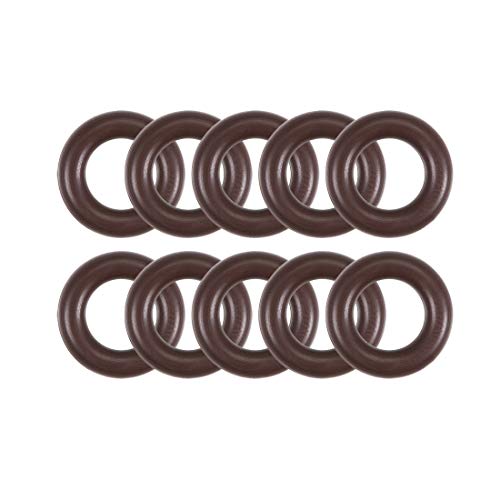
uxcell FKM O-Rings 14mm OD (Pack of 10)

HydroMist Pump Oil ISO-68 (21 oz)

AR Blue Clean PW64516 30W Pump Oil

XBVV 378-Piece NBR Sealing Washer Kit
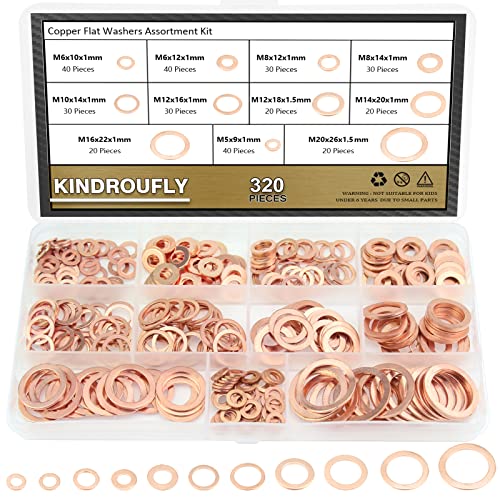
Kindroufly 320-Piece Copper Washer Kit
The Strengths Of Each Pick
If you routinely crack open a pump or filter housing, a small stash of 14 mm outer diameter FKM rings (fluoroelastomer, a synthetic rubber built for heat and chemical resistance) is the kind of supply that pays for itself. The 3 mm cross-section gives a stout compression profile, and a Shore A 70A durometer (a standard hardness scale for rubber, where higher numbers mean firmer material) lands the sweet spot between a forgiving seal and one that resists extrusion under pressure.
For most home pressure washer and plumbing repairs, the pack of 10 covers multiple rebuilds without forcing a second order. Where basic nitrile O-rings would soften and weep near hot water discharge lines, FKM holds its shape. That extra thermal headroom matters when a pump cycles hard and the surrounding air climbs.
Standout Benefits
- Wide operating window from -22°C up to around 280°C, so it tolerates both winter cold-start and hot pump discharge
- 14 mm OD with 8 mm ID fits common filter housing and pump manifold grooves found on many small pressure washer pumps
- Pack of 10 lets you keep spares on hand after one rebuild, avoiding downtime when a seal fails mid-project
- FKM resists many cleaning chemicals that would attack standard nitrile, useful if you run detergent through the system
Things To Consider
- One fixed size only, so non-standard glands require a different SKU
- FKM is overkill for cold-water-only residential use, where a basic NBR (nitrile butadiene rubber) ring costs less
Key Specs
Who It Suits Best
Home owners and tradespeople who service hot-water pressure washers, misting pumps, or filter housings and want a heat-tolerant seal on the shelf.
Consider Something Else When
You need a wide range of bolt-on seal sizes for varied repair jobs, in which case the XBVV 378-Piece NBR Sealing Washer Kit covers far more ground.
HydroMist builds its reputation on misting pumps, and this ISO-68 mineral oil (a viscosity grade where the oil flows thick enough to lubricate gear and bearing surfaces but stays pumpable at moderate temperatures) is the lubricant the brand calls for in its own high-pressure systems. The 21 oz bottle hits a sweet spot for a patio mister or a small commercial setup that needs top-ups a few times a season.
Beyond HydroMist hardware, the formula is also listed as compatible with Cat and Cool Zone industrial-strength pump systems, which broadens the appeal for property managers running mixed fleets. For most backyard misting lines that run daily through summer, the oil penetrates fast enough to keep crankcases quiet and seals supple.
Useful Highlights
- ISO-68 viscosity matches the spec HydroMist requires, helping maintain the pump warranty when used as directed
- Compatible with HydroMist, Cat, and Cool Zone industrial pump systems, useful for property managers with mixed equipment
- Mineral base penetrates quickly into bearing surfaces, reducing startup noise on cold mornings
- 21 oz bottle covers multiple oil changes for a single small misting pump
Worth Noting
- Mineral oil requires the documented 50-hour break-in change and quarterly swaps, so set a calendar reminder
- Not formulated for AR-style plunger pumps, where the AR Blue Clean PW64516 30W oil is the closer match
Made For
Patio and commercial misting pump owners who want a manufacturer-aligned lubricant and are willing to keep a simple oil-change schedule.
Reach For A Different Pick When
You run an AR or Annovi Reverbri plunger pump, where the AR Blue Clean PW64516 30W Pump Oil is purpose-built for those specific crankcases.
AR Blue Clean pressure washers power a lot of weekend car washing and deck cleaning, and PW64516 is the non-detergent 30W (a single-weight oil that flows at a steady rate without detergent additives that could foam in a wet pump) oil the brand calls out for its plunger pumps. The twist-cap, heat-sealed 16 oz bottle is sized for a single oil change, which keeps things tidy for the casual owner.
Compatibility covers the AR610, AR620, AR630, AR613, AR675, and JRA-series pumps, so cross-checking the model number against your user manual is worthwhile before you buy. For most homeowners, the non-foaming formula helps air move through the crankcase without churn, which is exactly what a wet crankcase needs.
Where It Excels
- Non-detergent 30W formula is specifically designed for plunger pumps, where detergent additives can foam and cause wear
- Twist-cap, heat-sealed bottle prevents leaks in storage, even in a hot garage
- Compatible with a long list of AR and JRA pump models, which simplifies the search for OEM-aligned oil
- Multi-viscosity petroleum base stays stable across seasonal temperature swings
Honest Caveats
- Only 16 oz per bottle, so owners with two pressure washers or a fleet will need multiple bottles per service
- Not the right match for misting pumps, where the HydroMist Pump Oil ISO-68 is the closer spec
Best Suited To
AR and JRA pressure washer owners who want the closest match to the factory spec without hunting for a dealer-only product.
Where A Sibling Pick Shines
You run a misting or industrial pump system, where HydroMist Pump Oil ISO-68 is the more appropriate lubricant.
For a working garage or workshop, a single-size ring jar never seems to have what you need. The XBVV kit ships 378 metal-bonded NBR sealing washers across twelve metric sizes from 6 mm up to 30 mm. That spread covers a lot of automotive drain plugs, fuel line banjo bolts, and pump-side hardware without ordering three separate assortments.
NBR (nitrile butadiene rubber) bonded to a carbon steel core gives each washer a metal crush zone, which is the part that conforms to the bolt face. For most weekend projects, that combination resists pooling oil better than a flat rubber-only gasket. Compared with the uxcell FKM O-Rings reviewed earlier, this kit trades heat tolerance for breadth of fitment.
The Case For It
- Twelve metric sizes in one box cover most automotive and pump-side drain and banjo fittings
- NBR bonded to carbon steel combines rubber sealing with a crush-resistant metal core
- 378-piece count means a single purchase covers many rebuilds and emergency repairs
- Self-centred design simplifies alignment on bolt holes during reassembly
Points To Keep In Mind
- NBR has a narrower temperature range than the FKM rings in the uxcell pack, so very hot pump housings are a weak spot
- Many included sizes may go unused on a single-project basis, which is fine for a shop but wasteful for one repair
Whose Shelf It Belongs On
Garage tinkerers and small-shop owners who need a broad assortment of sealing washers for varied automotive and pump repairs.
Skip It When
You need only a handful of high-heat seals and want premium material, in which case the uxcell FKM O-Rings or the Kindroufly copper washer kit is the tighter fit.
Copper sealing washers are the classic choice for banjo bolts, fuel line unions, and any hydraulic fitting that runs hot enough to punish a rubber gasket. This Kindroufly kit includes 320 pieces across 11 metric sizes from M5 to M20, which for most DIYers means years of small-plumbing and pump-side repairs in a single drawer.
Where the XBVV NBR kit leans on rubber for compliance, copper brings thermal endurance and a smoother, shinier sealing face. In our view, the trade-off shows up in cold-weather brittleness and a slightly higher per-piece cost. For hot-side pump fittings and engine-adjacent bolts, that trade is usually worth it.
The Helpful Details
- 11 sizes from M5 through M20 fit a wide range of banjo bolts, fuel unions, and pump fittings
- Copper material handles higher heat than rubber-only washers, useful near engines and hot pump manifolds
- Corrosion-resistant finish helps the washers survive damp garage storage
- Smooth, shiny surface mates cleanly with matching metric bolts without extra surface prep
Less Ideal Details
- Copper is less forgiving than rubber on irregular surfaces, so scratched or warped sealing faces may still leak
- Single-use design, so each repair consumes a washer, which can add up over many jobs
Right Fit For
DIYers and small-engine mechanics who frequently service fuel, oil, and hydraulic lines where heat is part of the job.
A Better Fit Elsewhere
You need a compressible seal on uneven cast surfaces, where the XBVV 378-Piece NBR Sealing Washer Kit’s bonded rubber deforms more readily.
What To Weigh Before Picking Your Pump Oil
Choosing pump lubricant starts with the owner’s manual, not the bottle. Manufacturers specify a viscosity grade, a base oil type, and a service interval, and deviating from those numbers usually voids a warranty or shortens seal life. For most home pressure washers, a 30W non-detergent oil keeps foam down in a wet crankcase, while ISO-68 mineral oil is the typical call for misting pumps.
Detergent versus non-detergent matters more than most shoppers realize. Detergent additives fight sludge in car engines, but inside a pump crankcase they foam and aerate the oil, starving bearings. Multi-viscosity ratings are common, though, so a 30W label does not lock you out of seasonal flexibility.
The seal side of the picture is just as important. FKM rings tolerate hot discharge lines where nitrile would soften, and bonded NBR washers handle general plumbing duty at lower cost. Copper sealing washers earn their place on banjo bolts and fuel unions, where heat and vibration punish softer materials.
A brief honest read: you may find the cheapest 30W oil on the shelf tempting, but if the manual calls for non-detergent, a few extra dollars up front usually pays back in seal life. The same rule applies to picking sealing washers by size, not by color, since a copper washer only seals if the inner diameter matches the bolt it surrounds.
Mistakes Worth Dodging and Where The Upgrade Pays Off
Pitfalls Shoppers Hit
Mixing viscosities is the most common slip, because thicker oil sounds like “more protection” until the pump struggles to draw it on a cold morning. Skipping the break-in oil change on a new pump shortens bearing life, and reusing a stretched NBR washer because the box “still has some” usually ends in a small but persistent drip. Assuming any rubber washer handles pump heat leads to a melted seal and a stained driveway.
When Paying More Pays Off
Stepping up from a basic 30W oil to the OEM-spec AR PW64516 mostly buys you a non-foaming, multi-viscosity formula matched to a specific pump family, and that fit can outlast a generic bottle by a full service cycle. FKM rings over standard nitrile matter most on hot discharge lines, where the upgrade translates to longer intervals between seal swaps. For shop owners, those savings stack up faster than the upfront difference suggests.
Frequently Asked Questions
How often should pump oil be changed?
For HydroMist systems, the first change happens at 50 hours of run time, then roughly every three months for regular use. AR and JRA plunger pumps follow a similar pattern, with break-in service and seasonal top-offs depending on workload.
Can I use automotive motor oil in a pressure washer pump?
Standard detergent motor oil foams inside a wet crankcase, which starves bearings and can damage seals. Non-detergent 30W oil, like AR Blue Clean PW64516, is the closer match for plunger pumps, while misting pumps want the ISO-68 spec.
What is the difference between FKM and NBR O-rings?
FKM (fluoroelastomer) tolerates higher temperatures and a broader chemical range than NBR (nitrile butadiene rubber), at a higher cost. NBR handles most cold-water plumbing and pump work fine, while FKM earns its price on hot discharge lines and chemical-heavy setups.
Are copper washers reusable?
Copper crushes slightly under torque and does not spring back to its original shape, so a used washer should be replaced during reassembly. A fresh copper washer costs only pennies and avoids a hard-to-trace drip weeks later.
Do pump oil and washer kits require special disposal?
Used pump oil and any soaked rags should go to a local hazardous-waste collection point, and spent metal washers can usually go with regular metal recycling. The cardboard packaging and any empty oil bottles are standard curbside recyclables once fully drained.
Closing Thoughts
Run the right oil on the right schedule, and your pressure washer pump will outlast the hose and wand it shipped with. The five picks above cover OEM-aligned oil, broad sealing assortments, and a heat-tolerant ring for the trickier hot-side repairs, so a small investment in the right supply keeps bigger repair bills at bay.




