


A pressure washer only works as well as the oil running through its pump and engine. The right lubricant keeps seals soft, gears quiet, and bearings cool through hours of weekend cleanup, while the wrong grade can glaze a cylinder or harden an O-ring in a single hot afternoon. If you own a gas-powered unit, run seasonal equipment, or rebuild pumps between jobs, the picks below cover the fluids and seals that actually keep a washer alive.
The Main Contenders

Lucas Oil 10152 Assembly Lube – 4 oz
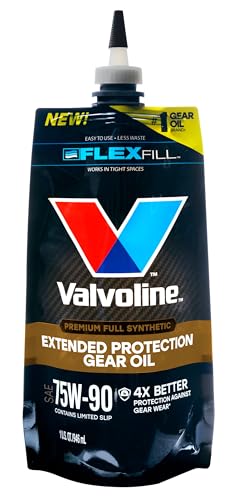
Valvoline FlexFill 75W-90 Gear Oil 1 QT Pouch

Briggs & Stratton 100005 SAE 30W Engine Oil 18oz (6-Pack)
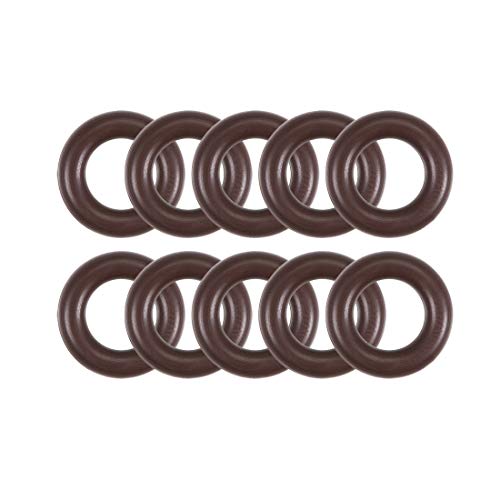
uxcell FKM Fluorine Rubber O-Rings 14mm x 8mm x 3mm (10-Pack)
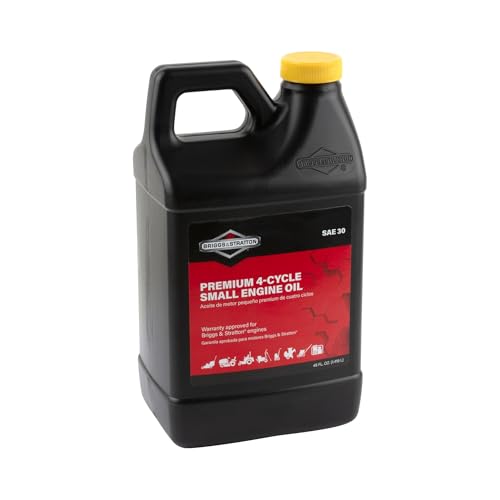
Briggs & Stratton 100028 SAE 30 Engine Oil, 48 oz
A Deeper Look At The Lineup
Pressure washer rebuilds hinge on the first coat of lube staying in place long enough for parts to seat, and that is exactly what this little 4 oz tube from Lucas Oil is designed to do. Assembly lube (sometimes called break-in grease) is a thick, tacky fluid you smear on bearings, cams, and pump pistons before the first startup, because regular motor oil drains off before metal meets metal. If you ever crack open a pump to replace seals, this is the tube you reach for.
It is genuinely tiny, so storage on a crowded workbench is easy, and the formula clings to vertical surfaces where thinner oils would run. Compared to the gear oil from Valvoline covered next, this is not a lubricant meant to live in the unit long term. It is a one-job product: get the rebuild started right.
Reasons It Performs
- Tacky formula clings to bearings, pistons, and cams during initial startup so metal never touches dry.
- Compact 4 oz tube tucks into any toolbox drawer and stays upright without leaking in most shop setups.
- Versatile enough for pressure washer pumps, small engines, and even suspension or bearing work around the garage.
- Trusted in rebuild circles for decades, so finding tutorials that reference it is easy.
Things To Consider
- Not a running lubricant, so it cannot replace the SAE 30 or 75W-90 oil your washer actually circulates.
- Small size means heavy rebuilders may burn through it faster than expected.
Whose Shelf It Belongs On
Home mechanics rebuilding pressure washer pumps or rebuilding small engines on a weekend.
Consider Something Else When
For routine top-offs of a running pressure washer engine, the Briggs & Stratton 100028 SAE 30 bottle fits the job better.
Gear-driven pressure washer pumps live a hard life, and that is the lane Valvoline’s FlexFill Extended Protection 75W-90 Full Synthetic gear oil is built for. The 75W-90 viscosity grade (a measure of how thick the oil is at cold and hot temperatures) flows well on startup yet stays tough at operating heat, which matters when a pump spins for hours on a hot driveway. The FlexFill pouch is the real differentiator here: it bends and pours into tight fill holes without a funnel.
Full synthetic gear oils like this one resist shear breakdown under load better than conventional dino oils, so the protective film on your worm gears stays intact through long jobs. Unlike the Lucas assembly lube from item one, this is the oil that lives inside the gearbox for months at a time. For commercial cleaners, contractors, and anyone running a gear-drive unit weekly, the upgrade is hard to argue with.
Practical Advantages
- Full synthetic base handles sustained heavy loads without thinning out prematurely.
- FlexFill pouch reaches awkward fill ports that a rigid quart bottle simply cannot.
- 75W-90 grade covers a wide temperature range, from cool morning starts to summer afternoons.
Trade Offs
- Pouch format can be awkward to store flat on a standard shelf once opened.
- Overkill for axial cam pumps that call for simple non-detergent 30-weight, which is what most residential electric washers use.
Feature Snapshot
Right Fit For
Contractors and serious homeowners running gear-drive pressure washer pumps on long or frequent jobs.
Look Elsewhere When
For a small electric residential washer, the Briggs & Stratton 100028 SAE 30 is the simpler, more appropriate pick.
SAE 30 is the classic small-engine oil, and Briggs & Stratton’s 100005 ships in an 18 oz bottle sized to match many equipment crankcases. The 6-pack format is the real story: a fleet of mowers, tillers, and pressure washers can share one shipment, and the smaller bottle is easier to handle than a full quart when topping off a tight-fill engine. If you are the household that runs multiple 4-cycle tools, this format keeps the garage organized without a pile of half-used quarts.
This oil is a detergent formula, meaning it carries suspended contaminants away from hot internal parts, which helps engines running in dusty summer conditions. Compared to the 48 oz bottle from item five, the trade-off is per-ounce cost, but the win is convenience on small top-ups.
The Helpful Details
- 18 oz bottle is a comfortable match for many pressure washer and mower sump capacities.
- 6-pack reduces the chance of running out mid-project during a busy cleanup season.
- Detergent additives help keep carbon and deposits off valves and pistons.
Room For Improvement
- SAE 30 thickens noticeably in cold weather and is not ideal for winter startups in unheated sheds.
- Buying a 6-pack only makes sense for households that will actually rotate through six bottles.
Built With In Mind
Homeowners who run several 4-cycle tools and want consistent oil across the whole shed.
A Better Fit Elsewhere
For a single pressure washer with a larger 48 oz sump requirement, the Briggs & Stratton 100028 48 oz bottle is the cleaner buy.
Most pressure washer leaks start with a tiny rubber ring, which is why every serious service kit should include a spare set of O-rings. These uxcell seals are made from FKM fluorine rubber, a high-performance elastomer that shrugs off the heat, detergent, and pump pressures that turn standard nitrile rings into brittle leftovers. With dimensions of 14 mm outer diameter, 8 mm inner diameter, and a 3 mm cross-section, they fit a long list of pump, hose, and filter applications.
The 70A Shore hardness (a durometer rating of how firm the rubber is) gives them a useful middle-ground feel, soft enough to seat well, firm enough to resist extrusion under pressure. Where the Lucas lube from item one gets parts moving, these rings keep fluid from going where it should not. Anyone rebuilding a pump should keep a bag in the shop.
Good Reasons To Consider
- FKM material handles higher temperatures than standard nitrile, useful around hot pump heads.
- Common metric sizing fits a wide range of pressure washer and plumbing repairs.
- Ten-pack means a single purchase covers multiple repair sessions or several machines.
Points To Keep In Mind
- You must measure your existing seals to confirm a match, since metric sizing is not universal across all washer models.
- Not a lubricant on its own, so this is a supporting part rather than a standalone solution.
Who Should Grab It
DIYers who service pressure washer pumps, garden hose fittings, or small filtration systems and want a heat-tolerant seal on hand.
Swap It Out When
For a routine engine top-off instead of a seal repair, the Briggs & Stratton 100005 6-pack is the relevant pick.
For most homeowners running a typical Briggs & Stratton-powered pressure washer, the 100028 48 oz bottle is the closest thing to a default answer. The 48 oz size matches the sump capacity of many common engine models, so one fill covers the change without leftover oil sitting in the bottle for years. It is a detergent SAE 30, blended for the higher operating temperatures of air-cooled engines, which describes almost every gas pressure washer on a driveway.
OEM fit language on the source material suggests the brand is comfortable using it across its own equipment family, which provides some peace of mind if your pressure washer shares a power plant with a mower. Compared to the Valvoline gear oil from item two, this is a simpler, single-viscosity product, but most residential pumps do not need a multi-grade synthetic to do their job well.
Real Benefits
- 48 oz size is a natural match for many pressure washer sump capacities, limiting waste.
- Detergent blend helps keep air-cooled engines clean under sustained summer use.
- Works across lawn mowers, tractors, generators, and pressure washers, simplifying the maintenance shelf.
Worth Bearing In Mind
- SAE 30 thickens in cold weather, so winter storage in unheated sheds can make startups harder.
- Not the right choice for gear-drive pumps that explicitly call for 75W-90 or specialty pump oil.
Feature Snapshot
Made For
Owners of a standard gas pressure washer with an air-cooled 4-cycle engine who want a straightforward seasonal oil change.
Where Another Pick Suits Better
For a gear-drive pump under commercial loads, the Valvoline FlexFill 75W-90 from item two is the stronger match.
What Matters Most Before Choosing Oils For Pressure Washer
Match the oil to the engine, not the brand
Pressure washer engines and pumps want different grades, and the owner’s manual is the only place that lists exactly what your model needs. A small residential axial cam pump typically calls for a non-detergent 30-weight pump oil, while a gear-drive pump wants 75W-90 gear oil, and the gas engine on top usually takes SAE 30 detergent. Pouring gear oil into an engine, or engine oil into a pump, may work in a pinch but commonly shortens seal life. Reading the manual once saves dozens of dollars in repeated repairs.
Consider your climate and run pattern
SAE 30 is great in warm summer air but thickens fast in a cold shed, so folks in northern zones may benefit from a 10W-30 multi-grade that flows better at startup. If you only wash on hot weekends and store the unit indoors, single-grade SAE 30 is perfectly fine. Think about the longest, hottest job you actually run, and pick the viscosity that holds up under that exact scenario.
Decide on bottle size by sump, not by price
A 48 oz bottle is rarely a bargain if half of it sits on a shelf past its shelf life, and a 6-pack of 18 oz bottles is wasteful for a single-machine owner. Measure the sump capacity of your pressure washer first, then size the bottle to match. That math alone avoids the most common ownership regret with small-engine oil.
Don’t skip the seals
Oil and seals are a maintenance pair, and rebuilding a pump without fresh FKM O-rings is a recipe for an immediate repeat leak. Keeping a few spares on hand turns a Saturday repair into a single trip to the garage instead of a parts-store run. Heat-resistant FKM stock handles hot pump heads far better than the basic nitrile rings that ship in many kits.
Key Considerations Across These Picks
Common Shopping Slip Ups
The single biggest mistake is grabbing the first oil that fits the engine without checking whether the pump needs its own separate lubricant. Many pressure washers have two oil reservoirs, and a fresh engine does not guarantee a fed pump. Cross-check both fill points before any purchase, and confirm the viscosity and type printed near each cap.
Where The Extra Money Goes
Stepping up to a full synthetic gear oil costs more per ounce than conventional SAE 30, and the upgrade earns its keep mainly in gear-drive pumps running under load. The synthetic base resists shear, so the protective film on worm gears stays intact longer, which is meaningful for contractors and frequent users. For a once-a-month homeowner rig, a standard detergent SAE 30 is usually enough, and the savings can go toward spare seals and a better funnel.
Frequently Asked Questions
What oil goes in a pressure washer pump?
Most pressure washer pumps use either a non-detergent 30-weight pump oil or a gear oil like 75W-90, depending on whether the pump is axial cam or gear-driven. The engine on top usually runs on SAE 30 detergent, and these two systems are separate. Always confirm with the owner’s manual before adding either fluid.
Can I use regular motor oil in a pressure washer engine?
For 4-cycle engines, a small-engine SAE 30 detergent oil is the safe default and is what most manufacturers recommend. Using automotive 10W-30 is sometimes acceptable in milder climates, but it is not a 1:1 swap for all models. Pump oil should never be substituted with motor oil, since the additive packages differ.
How often should pressure washer oil be changed?
Engine oil on a residential pressure washer typically gets changed every 50 hours of use or once per season, whichever comes first. Pump oil intervals vary by manufacturer, but checking the level before each job and topping off as needed is a good baseline. Heavy commercial use calls for more frequent changes.
Do pressure washer O-rings need to be replaced regularly?
O-rings only need replacement when a leak appears or during a full pump rebuild, not as routine maintenance. Heat, age, and chemical exposure all wear FKM rings faster than people expect, so keeping a 10-pack on hand avoids downtime. Always match the exact inner diameter, outer diameter, and cross-section before swapping.
Is synthetic oil worth it for a pressure washer?
Full synthetic gear oil pays off in gear-drive pumps that run hot and often, where film strength matters. For a standard residential engine, the difference between synthetic and conventional is small enough that detergent SAE 30 is the more practical pick. The upgrade is most justified for commercial or frequent-use rigs.
The Takeaway
Choose the oil that matches your specific pressure washer, not the one with the boldest label, and keep a few spare seals in the same drawer. Most homeowners will be perfectly served by a quality SAE 30 detergent engine oil paired with the right pump fluid, while gear-drive and commercial users benefit from stepping up to a full synthetic gear oil. A small upfront investment in the correct fluids keeps pumps quiet, engines cool, and weekend cleanup on schedule.




