


Painting a ceiling turns into a neck-and-shoulders marathon the moment you skip the right roller setup. You end up straining on a step stool, leaving lap marks, and second-guessing every stroke overhead. A proper roller frame paired with a solid extension pole changes the whole job, letting you roll smooth, even coats while both feet stay planted on the floor. The picks below cover ceiling-focused rollers and poles in different sizes and price points, so you can match the tool to the room, the nap you prefer, and how often you tackle big paint jobs.
The Choices Worth Comparing

Wooster Brush SR055 Sherlock Extension Pole 4 Foot

Wooster Brush SR054 Sherlock Extension Pole 2-4 ft

VOOMEY Paint Roller Kit with Extension Pole 9 Inch

BetterGrip 9 Inch Paint Roller Frame with Extension Handle
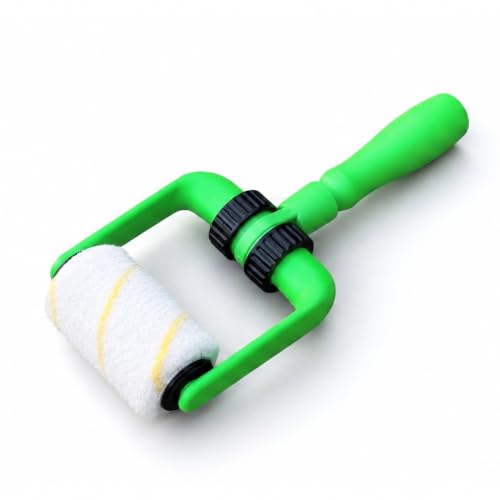
BetterGrip 4 Inch Mini Roller Frame with Extension Handle
The Picks, Examined More Closely
The Wooster SR055 sits at the top of this list because it solves the core ceiling problem: getting a roller flat against overhead drywall without the frame flexing every time you push. A fixed 4-foot length keeps things rigid, which matters more than reach on most standard 8 to 9 foot ceilings where a shorter pole and a step stool simply slow you down.
Unlike the adjustable SR054 below, the SR055 trades telescoping convenience for a sturdier feel, since fewer moving parts means less wobble under load. Contractors and frequent DIYers tend to gravitate toward this one because the threaded tip pairs with virtually any standard roller frame, and the overall weight stays manageable across long sessions.
Real Benefits
- Fixed-length design eliminates mid-stroke drift, so ceiling lines stay straight
- Threaded universal tip accepts most roller frames and pole-mounted brushes
- Rigid build helps push thicker ceiling paints without frame flex
- Made in the USA, with a fiberglass outer shaft that handles dings well
- Pairs naturally with standard 9-inch roller covers for fast coverage
Things To Consider
- 4-foot fixed length may fall short on vaulted ceilings above 10 feet
- Heavier than telescoping poles, which can fatigue forearms on multi-room jobs
- No length adjustment means storing it requires dedicated wall or truck space
Whose Shelf It Belongs On
Homeowners with standard-height ceilings and anyone repainting one or two rooms per year will appreciate the no-fuss rigidity and long-term durability.
Reach For A Different Pick When
Tackling vaulted ceilings or stairwells where you need variable reach points you toward the Wooster SR054 instead.
The SR054 takes the same pro-grade construction as the SR055 and adds a twist-lock telescoping shaft, which is the difference between a pole that works and one that adapts. You pull it out to 4 feet for ceiling work in a great room, then collapse it down for tight corners behind a toilet or above a kitchen cabinet.
That kind of range pays off in older homes where ceiling heights vary room to room, or anywhere a single fixed pole feels either too long or too short. Compared to the fixed SR055, this one trades a touch of rigidity for serious versatility, and most DIYers find that a worthwhile trade.
Everyday Advantages
- Adjustable from 2 to 4 feet to fit varied ceiling heights and tight spots
- Twist-lock mechanism holds position firmly during overhead rolling
- Threaded tip works with any standard roller frame or brush
- Fiberglass outer resists scuffs from ladder contact and garage storage
Worth Noting
- Internal lock mechanism benefits from occasional cleaning to stay smooth
- At full extension there is slightly more flex than the rigid SR055
- Adjustment collar takes a moment to learn if you have never used a twist-lock pole
Quick Facts
Right Fit For
Homeowners with mixed ceiling heights, vaulted angles, or anyone who wants one pole for ceilings, walls, and trim without swapping tools.
A Better Fit Elsewhere
Shoppers who want a complete roller-and-pole bundle out of the box should look at the VOOMEY 9 Inch Paint Roller Kit, since the SR054 is pole-only.
The VOOMEY kit answers a different question than the Wooster poles above: what happens when you do not already own a roller frame, covers, tray, and pole? The set bundles the essentials so a first-time ceiling painter can open the box, snap the pole together, and start rolling without a separate hardware run.
Compared to the BetterGrip 9-inch frame reviewed below, the VOOMEY comes with multiple roller covers in two sizes, plus a tray and tray liners, which removes a layer of decision-making. The pole extends to roughly 3 feet, enough to clear most 8 to 9 foot ceilings while keeping overhead pressure controlled.
Good Reasons To Consider
- Includes both 9-inch and 4-inch roller covers for varied surface sizes
- 3-piece threaded extension pole reaches standard ceiling heights comfortably
- Tray liners cut cleanup time and protect the tray between coats
- Lightweight stainless pole reduces arm fatigue on full-room ceilings
- Comes with a 2-inch brush and drop cloth for edging and floor protection
Trade Offs
- 3-foot max reach may require a step stool for vaulted or tall ceilings
- Multi-piece pole introduces small connection points that can loosen under heavy pressure
Built With In Mind
First-time ceiling painters and renters doing a single-room refresh who want every supply in one box rather than buying a la carte.
Consider Something Else When
Anyone already owning a sturdy Wooster pole may only need the BetterGrip 9 Inch Paint Roller Frame rather than duplicating the pole.
The BetterGrip 9-inch frame leans into a different pain point than the Wooster poles: hand fatigue after an hour of overhead rolling. A natural-palm grip and lightweight frame mean your wrist stays in a neutral position, which sounds minor until you have finished a 12-by-12 ceiling.
Pair this frame with any standard 9-inch nap cover, including most of the covers included in the VOOMEY kit reviewed above, and you have a complete rolling setup. The integrated extension handle works for short reach tasks, though for full ceiling height you will still want a longer pole.
Bright Spots
- Ergonomic handle design keeps the wrist neutral during extended overhead work
- Accepts any standard 9-inch roller cover regardless of nap length
- Lightweight build reduces the cumulative strain of multi-room repaints
- Frame construction stays rigid enough for consistent coverage
Points To Keep In Mind
- Integrated handle length is shorter than a dedicated extension pole, so a separate pole is needed for tall ceilings
- Soft-grip surfaces can become slippery when paint builds up during long sessions
- Comes as a frame only, so roller covers and tray must be purchased separately
Key Product Details
Who Should Grab It
Anyone with a history of wrist or hand fatigue, or DIYers planning multiple rooms in a single weekend, will notice the comfort difference immediately.
Not Your Match When
Shoppers wanting a complete ready-to-roll bundle should consider the VOOMEY Paint Roller Kit, which includes covers, tray, and pole.
Ceiling work is not only about wide-open field rolling. The edges where the ceiling meets crown molding, the corners above cabinets, and the narrow strips above door frames all need a smaller tool, and the BetterGrip 4-inch frame fills that role without forcing you to switch to a brush.
Compared to the 9-inch BetterGrip reviewed above, this mini version trades coverage speed for access, which is the right call for cut-in work that a wide roller simply cannot do. You will still want a main ceiling roller for the broad areas, but this one handles everything within a few inches of the trim.
Positive Points
- 4-inch width reaches into corners and along edges that full-size rollers miss
- Same ergonomic grip design as the 9-inch version for consistent hand comfort
- Light enough to control for detail work along molding and built-ins
- Accepts most standard 4-inch roller covers for flexible nap choice
Less Ideal Details
- Too small to be efficient on large open ceiling sections, where a 9-inch frame wins
- Works best as a complement to a wider roller rather than a primary ceiling tool
Who Will Love This
Detail-oriented DIYers and anyone painting rooms with crown molding, beams, or built-ins who needs precise control near edges and trim.
Look Elsewhere When
Tackling a large open ceiling with no trim obstacles, where the BetterGrip 9 Inch Paint Roller Frame covers ground much faster.
Matching Your Ceiling Roller Setup To The Job
A ceiling roller setup is really two decisions in one: the roller frame and the extension method. The frame size dictates how much area you cover per pass, while the pole determines how comfortably you can reach overhead. Standard 9-inch frames cover ground quickly on open ceilings, while 4-inch mini frames handle edges and corners where a full-size roller cannot fit. Pairing the right frame with a pole that reaches your ceiling height is what separates a fast, even coat from a sore-neck afternoon of lap marks and rework.
Nap matters more than most shoppers expect. A nap is the fiber length on a roller cover, and it controls how much paint the cover holds and how deep it pushes into texture. Smooth ceilings need short nap (around 3/8 inch) to avoid stipple, while popcorn or heavy orange-peel textures need longer nap (1/2 to 3/4 inch) to fill the valleys. Buying the cheapest cover regardless of texture is the fastest way to get an uneven, streaky finish.
Finally, weight and grip shape affect how long you can keep painting overhead. Lightweight frames with ergonomic handles reduce wrist strain during long sessions, which matters for multi-room repaints. Heavier, fixed-length poles feel more rigid but tire arms faster, while telescoping poles add flexibility at a small cost in stiffness. The right balance depends on your ceiling height, the number of rooms on the list, and how often you tackle paint projects.
What To Watch For Before You Commit
Pitfalls Shoppers Hit
The most common ceiling roller mistake is buying a roller cover with the wrong nap for the surface texture. Short nap on a popcorn ceiling leaves bare spots, and long nap on a smooth ceiling leaves heavy texture. Match the nap to the surface before anything else, and your finish will look professional on the first pass.
A close second is underestimating pole reach. Many shoppers buy a short pole to save money, then end up on a step stool with one hand over their head, which is exactly what the pole was meant to prevent. Measure your ceiling height and add at least 12 inches of reach for safe, flat roller contact.
Where The Extra Money Goes
Higher-end ceiling roller setups typically cost more because of stiffer internal cores, better locking mechanisms, and more durable outer shafts. A rigid core keeps the roller frame from flexing under pressure, which is what produces those visible lap marks and uneven sheen. Premium poles also tend to use stronger fiberglass rather than thin aluminum, which holds up better to ladder bumps and drops.
The upgrade makes sense for anyone painting more than one room, or anyone sensitive to wrist and shoulder fatigue. For a single small ceiling, a basic pole and frame handle the job fine, but for whole-house repaints, the stiffer build pays off in fewer do-overs and less post-job soreness.
Frequently Asked Questions
What nap roller do you need for ceilings?
Short nap (3/8 inch) works best on smooth ceilings, while medium to long nap (1/2 to 3/4 inch) is the safer choice for textured or popcorn ceilings. Matching the nap to the surface texture is what gives you even coverage without streaks.
How long should a ceiling extension pole be?
For standard 8 to 9 foot ceilings, a 4-foot pole gives you comfortable reach while keeping the roller flat against the surface. Taller or vaulted ceilings usually need 6 to 8 feet of reach, which may require a taller step stool combined with a longer pole.
Can you use a 9-inch roller on a ceiling?
Yes, a 9-inch roller is the most common ceiling size and covers ground quickly on open areas. Pair it with a 4-inch mini frame for edges, corners, and trim work where the larger roller cannot fit.
How do you avoid roller marks on a ceiling?
Keep a wet edge by rolling back into the previous section before it dries, maintain consistent pressure, and avoid rolling the same area twice in quick succession. A stiff pole and a properly loaded cover both help reduce visible lap marks.
Is a telescoping pole better than a fixed pole for ceilings?
Telescoping poles offer more flexibility across different ceiling heights and tight spaces, while fixed poles feel stiffer and more reliable under heavy pressure. For most DIYers, telescoping is the more practical pick, but pros often prefer fixed poles for all-day work.
Final Takeaway
The right ceiling roller setup comes down to matching frame size, nap, and pole reach to your specific room and ceiling texture. Pick a sturdy pole for overhead reach, a 9-inch frame for open coverage, and a 4-inch mini for edges, and you will get a clean, even coat without the sore neck. Browse the picks above, choose the combination that fits your project, and you will be rolling ceilings like a seasoned pro in no time.




