


Stripping old paint used to mean tolerating harsh chemical fumes for hours on end. Modern formulas have changed that, swapping methylene chloride (an aggressive solvent found in traditional strippers) for water-based or citrus alternatives that work nearly as fast without the same respiratory risks. The right paint stripper still depends on what you’re removing, how many layers are stacked on, and whether you can work outside or need to stay indoors. This roundup walks through nine options that cover gel clinging, fast-acting liquids, non-caustic pastes, and a stripping pad for hands-off scraping. Whether you’re refinishing a dining table, restoring a Victorian door, or tackling decades of latex on a rental property, the breakdown below should help you match the product to the job.
A Side-By-Side Look

Citristrip QCG73801T Paint and Varnish Stripping Gel, 1-Quart

Sunnyside 657G1A Multi-Strip ADVANCED Paint & Varnish Remover, Gallon

Sunnyside 2 Minute Remover Advanced Detailing Liquid, 1 Quart
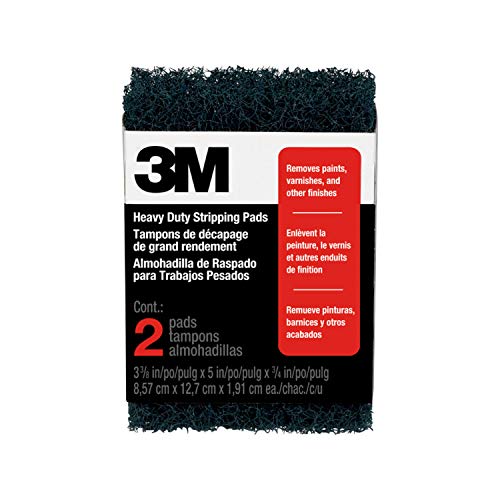
3M Heavy Duty Stripping Pads, 2 Count, 3-3/4 in x 6 in (10112NA)

Dumond Smart Strip Advanced Paint Remover, 1 Gallon

Dumond Smart Strip Advanced Paint Remover, 1 Quart

Dumond Smart Strip Advanced Paint Remover, 2 Quarts

Max Strip Citrus Paint Stripper Gel, Safe Wood & Metal, 1 Qt

Max Strip Citrus Paint Stripper Gel, Safe Wood & Metal, 1 Gallon
Why These Options Stand Out
Stripping a built-in hutch or a tall door panel usually means watching a liquid stripper drip onto the floor before it finishes working. Citristrip’s gel clings where you brush it, which makes vertical and overhead surfaces far easier to manage. The formula stays active for up to 24 hours under the film, so a single application can soften multiple stacked layers without you re-coating every hour.
You can use it indoors without the same ventilation anxiety older strippers demanded, since the gel contains no methylene chloride and runs non-caustic. Brush it on, walk away, and come back with a scraper once the paint wrinkles. For anyone refinishing a family heirloom or a kitchen full of cabinets, that long working window removes the worst part of the chore: racing the clock.
Advantages To Know
- Stays wet and active for up to 24 hours, letting one pass tackle many layers
- Gel body clings to vertical and overhead surfaces without sliding off
- No methylene chloride (a harsh solvent found in older strippers) and non-caustic chemistry
- Effective on paint, varnish, stain, lacquer, and urethane finishes
- Low odor profile makes indoor projects manageable with windows open
Honest Caveats
- Brush application can feel slow on large flat surfaces like a full wall
- A 24-hour dwell means planning project timelines around a full day of waiting
- The 1-quart container goes quickly on substantial furniture pieces
Key Specs
Who It Suits Best
Anyone refinishing a multi-layer antique, kitchen cabinet set, or detailed millwork where the long dwell time and vertical hold solve more problems than a fast-acting liquid would.
Consider Something Else When
The Sunnyside 657G1A Multi-Strip gallon is the better match for whole-house exterior siding where thick coatings and sheer square footage call for a more aggressive, larger-volume approach.
Older homes often hide a dozen coats of paint under the current color, and softer strippers will keep you recoating all weekend. Sunnyside’s Multi-Strip ADVANCED formula is built for that kind of buildup, working through up to 15 layers of paint, varnish, stain, lacquer, and urethane in a single pass. It begins loosening finishes in about 30 minutes, so a long afternoon is usually enough to clear a section of siding or a wide plank door.
Unlike the gentler Citristrip in spot one, this is the workhorse you reach for when square footage is high and patience is low. The chemistry skips methylene chloride and NMP (N-methyl-2-pyrrolidone, a common paint-stripping solvent), but the formula still runs stronger than water-based pastes. Apply with a brush, a medium-nap roller, or a putty knife, and scrape when the surface bubbles.
Reasons It Performs
- Removes up to 15 layers in a single application
- Begins working in about 30 minutes for faster turnaround
- Handles paint, varnish, stain, lacquer, and urethane on multiple surfaces
- Free of methylene chloride and NMP for fewer respiratory concerns
- Gallon size covers whole-house exterior or large furniture sets
Practical Considerations
- Stronger odor than water-based options, so outdoor use is the realistic choice
- A heavier coat is required for the deepest multi-layer jobs
- Gallon packaging needs careful storage to prevent drying between sessions
Right Fit For
Restorers and homeowners tackling thick, decades-old paint on exterior siding, barns, or oversized furniture who need the strongest commercially available non-methylene-chloride chemistry.
Skip It When
The Citristrip gel in the first slot is a calmer fit for indoor furniture and small cabinet runs where low odor and long dwell time beat raw power.
Most paint strippers behave like paint themselves, so reaching into carved moldings, lattice work, and ornate trim becomes an exercise in smearing. The Sunnyside 2 Minute Remover is built as a liquid, which lets it flow into crevices, drip into flutes, and chase paint out of corners that a gel would just bridge over. It targets detailed surfaces where a flat brush cannot reach, which is the niche it occupies best.
Coverage lands around 25 square feet per quart, and the formula is free of methylene chloride, so the air stays more manageable while it works. For a small picture frame, a set of decorative corbels, or a single salvaged spindle, that coverage and fast action are usually plenty.
Where It Excels
- Liquid form penetrates carved details and recessed profiles
- Strips up to 25 square feet per quart on small detailing jobs
- Methylene chloride-free chemistry for safer indoor detailing
- Multi-layer removal for a single detailing pass
Points To Keep In Mind
- Liquid format means more drips on vertical faces, so masking and drop cloths matter
- Best suited to small accent pieces, not large flat panels
Feature Snapshot
Made For
Detail-oriented refinishers working on moldings, spindle backs, and ornamental trim where a gel would bridge across texture rather than chase paint out of every groove.
Reach For A Different Pick When
You need broader flat coverage: the 3M Heavy Duty Stripping Pads covered in spot four pair better with a gel or paste to keep chemicals off your hands during flat-surface scraping.
Every entry so far is a chemical stripper, but a chemical alone does not lift the loosened paint off the surface. The 3M Heavy Duty Stripping Pads handle that follow-up work while keeping your skin out of the wet stripper. Sized at roughly 3-3/4 by 6 inches, the pads give you a firm grip and enough abrasion to push softened paint off wood or metal without gouging the substrate.
You can rinse and reuse the pads when you are working with water-based strippers, which makes them a quiet value over a long weekend. The real benefit shows up on flat panels and wide trim where a putty knife leaves streaks, since the pad conforms and pulls residue in even passes.
Well-Handled Touches
- Keeps hands away from active chemical stripper on the work surface
- Removes paint, varnish, wallpaper paste, and other finishes without scratching or gouging
- Rinse-and-reuse design with water-based strippers
- Two pads per pack so a clean one stays ready when the first gets loaded with residue
Trade Offs
- Designed to be used with a chemical stripper, not as a standalone solution
- Less effective on deeply carved details compared to a liquid or a stiff brush
Best Suited To
DIYers and pros who want a controlled, hands-off scraping tool to pair with any of the chemical strippers in this roundup, especially on flat doors and table surfaces.
A Better Fit Elsewhere
The Sunnyside 2 Minute Remover liquid in spot three is the right call for deeply carved spindles where a pad cannot follow the contours.
Dumond’s Smart Strip Advanced is the option to reach for when “non-caustic” matters as much as performance. The water-based paste lifts acrylic, latex, oil, and water-based coatings, and it is safe enough to use on interior plaster, wood, metal, masonry, and even stone without the chemical anxiety older strippers caused. A test patch on an inconspicuous spot is still wise because every coating behaves a little differently, but the chemistry is gentle enough to earn that test without panic.
The 1-gallon bucket is sized for a contractor doing a full gut rehab or a homeowner with a large deck of cabinets and doors to clear. The paste must stay wet to keep working, so covering it with Dumond’s laminated paper speeds removal and prevents premature drying. Compared to the Sunnyside Multi-Strip above, the trade is slower dwell time for far easier cleanup and far less aggressive chemistry.
Standout Benefits
- Non-caustic, water-based formula safer for indoor use on multiple substrates
- Effective on acrylic, latex, oil, and water-based coatings
- 1-gallon size fits large jobs like a kitchen full of cabinets or a long fence run
- Suitable for contractors and DIYers who want fewer PPE demands
Small Caveats
- Must stay wet throughout the dwell, so covering with laminated paper is recommended
- A test patch is required to confirm compatibility with the existing coating
Quick Facts
Whose Shelf It Belongs On
Contractors, restorers, and careful DIYers working on plaster, stone, or masonry where caustic strippers would damage the underlying material.
Look Elsewhere When
You need raw speed: the Sunnyside 657G1A Multi-Strip gallon in spot two works through deep multi-layer coatings faster, with a tradeoff in chemical strength.
The 1-quart size of Dumond’s Smart Strip Advanced brings the same water-based, non-caustic chemistry down to a beginner-friendly scale. A first-timer tackling a thrift-store dresser or a single front door gets the gentler formula without paying for a gallon they will not use before the container dries out. The paste clings well and works on acrylic, latex, oil, and water-based coatings, which covers nearly every modern household paint.
Like its larger sibling above, the paste needs to stay wet through the dwell period, so covering it with plastic or Dumond’s laminated paper keeps it active. Most beginners find the cleanup forgiving, and the lack of harsh solvent smell makes it a calmer first project.
Useful Strengths
- Same non-caustic, water-based chemistry as the gallon in beginner-friendly size
- Removes acrylic, latex, oil, and water-based paints
- Smaller container reduces waste on single-piece projects
- Indoor-friendly on wood, metal, masonry, and plaster
Points To Note
- Drying out before the dwell finishes reduces effectiveness, so a cover is necessary
- A test patch is needed to confirm dwell time and compatibility
Who Will Love This
First-time refinishers working on a single piece of furniture or one interior door who want gentle chemistry in a manageable size.
Swap It Out When
The job expands to a full kitchen of cabinets: the 2-quart size in spot seven or the gallon in spot five covers that scale more efficiently.
Mid-range projects, think a set of kitchen cabinet doors, a pair of interior shutters, or a small built-in shelf, often run out of a single quart but never need a full gallon. The 2-quart Smart Strip Advanced sits in that middle ground, giving you enough paste to coat a multi-piece project without paying for chemistry you will not use. You get the same water-based, non-caustic profile that makes the 1-quart a calm indoor product.
Application stays the same: brush on, cover to prevent drying, then scrape or rinse once the coating lifts. For anyone planning a weekend project that spans more than a single piece, this size avoids the awkward stop-and-buy mid-project refill.
Key Advantages
- 2-quart size fits door sets, shutter pairs, and small built-ins without refilling
- Non-caustic water-based chemistry suits indoor work
- Works on acrylic, latex, oil, and water-based coatings
- Compatible with wood, metal, masonry, and plaster substrates
Worth Noting
- Needs to stay wet, so covering the paste is part of the workflow
- Not the right size for either a small accent piece or a full rehab
Perfect Match For
DIYers restoring a matching set of cabinet doors or a few pieces of trim who want the right amount of non-caustic stripper without overbuying.
Not Your Match When
The job is a single small piece: the 1-quart Smart Strip Advanced in spot six is the more sensible buy for a one-off furniture project.
For homeowners who want a stripper that does not make the garage smell like a chemistry lab, Max Strip’s citrus-based gel is the friendlier option. The gel body clings to vertical and overhead surfaces like the Citristrip earlier in the list, but the citrus chemistry skips methylene chloride and NMP, leaving a softer working environment. You can brush it on wood or metal and check progress every 15 minutes until the coating is ready to scrape.
The 1-quart container is sized for a small furniture piece or a few doors, and the formula targets latex, oil-based paint, stain, and polyurethane in a single pass on most surfaces. For a hobbyist who refinishes a piece every few months, the gentler chemistry is a real quality-of-life upgrade.
Practical Pluses
- Citrus-based chemistry skips methylene chloride and NMP
- Gel clings to vertical surfaces for overhead and door work
- Removes latex, oil paint, stain, polyurethane, shellac, varnish, and acrylic
- Safe for wood and metal substrates
Some Limits To Know
- Slower-acting than aggressive solvent strippers, so plan on more dwell time
- Checking every 15 minutes is part of the routine, not a one-and-done application
Spec Overview
Built With In Mind
Homeowners with a small home workshop who refinish furniture occasionally and prefer a citrus-scent workspace over solvent-heavy alternatives.
Another Choice May Suit
You want professional speed on decades of paint: the Sunnyside 657G1A Multi-Strip gallon in spot two tackles that workload more efficiently.
The 1-gallon version of Max Strip’s citrus gel keeps the same chemistry as the quart above, just at a scale that fits a serious restoration weekend. If you are clearing a dining set, a porch railing, or several interior doors in a single stretch, the larger container avoids the mid-project refill and keeps the citrus-scent workspace consistent across the run.
Application still calls for a brush, periodic checks every 15 minutes, and a scraper when the coating wrinkles. The trade versus faster solvent strippers is gentler chemistry and a calmer environment, which suits hobbyists who want a paint stripper they can use without suiting up.
Why It Works Well
- 1-gallon size for multi-piece furniture or long trim runs
- Citrus-based gel with no methylene chloride or NMP
- Targets latex, oil-based paint, stain, polyurethane, shellac, varnish, and acrylic
- Safe for wood and metal applications
Possible Compromises
- Slower acting than the Sunnyside Multi-Strip gallon above
- Periodic checks every 15 minutes are part of the routine
Who Should Grab It
Hobbyists and homeowners clearing a full set of furniture or a long stretch of trim who want a larger volume of the gentler citrus formula.
Where A Sibling Pick Shines
Speed matters more than scent: the Sunnyside 657G1A Multi-Strip in spot two clears thick, multi-layer coatings in roughly 30 minutes rather than a longer citrus dwell.
What Matters Most Before Choosing Paint Strippers
Match the Formula to the Project Location
Working outdoors on a fence or a shed? Stronger solvent-based strippers like the Sunnyside Multi-Strip gallon handle decades of buildup with fast dwell times. Working in a basement, kitchen, or closed garage? Water-based or citrus formulas such as Smart Strip Advanced and Max Strip keep the air calmer. The chemistry you pick should always match the ventilation you actually have, not the ventilation you wish you had.
Count the Layers Before You Buy
A single coat of latex on a primed door barely needs more than a gentle gel. Five layers of oil-based paint on a Victorian banister calls for a heavy-duty stripper, a long dwell, and a covered application to keep the chemistry active. Layer count drives container size more than square footage does, because a thick buildup eats through product quickly.
Pick the Right Format for the Surface Geometry
Gels cling to vertical and overhead faces, liquids chase paint out of carved details, and pastes stay put under cover for slow multi-layer work. A flat cabinet door is gel territory. An ornate spindle is liquid territory. A large wall section is roller-applied paste territory. Matching the format to the surface saves time on scraping, which is usually the worst part of the job.
Plan for the Tools Around the Stripper
Even the best chemical needs help. Putty knives, brass brushes, and stripping pads like the 3M pads in spot four all play a role in lifting residue without gouging the substrate. Buying the stripper and the scraping tool at the same time avoids the stop-and-buy trip mid-project when wet chemistry is drying on the surface.
Key Considerations Across These Picks
Mistakes Worth Dodging
Skipping the test patch is the most common slip-up. Every existing coating behaves a little differently, and a test spot tells you both whether the stripper will work and how long the dwell needs to be. Buying more than you need, then letting the container dry out before the next project, is the second mistake. Quart sizes exist for a reason, and a 1-gallon bucket of paste that skinned over is just expensive waste.
What The Higher Tier Buys
Premium-tier strippers like the Sunnyside Multi-Strip gallon cost more because they remove more layers per pass and start working in roughly 30 minutes. For a one-chair project the premium is not worth it, but for a whole-house siding restoration it replaces several rounds of weaker stripper and saves entire weekends. The upgrade pays off when layer count and square footage are both high.
Frequently Asked Questions
How long does a paint stripper typically need to sit before scraping?
Dwell time varies from about 30 minutes for stronger solvent formulas to 24 hours for gentle gels, so always follow the product’s instructions. A test patch is the most reliable way to confirm the timing for your specific coating.
Are water-based strippers as effective as solvent-based ones?
Water-based formulas like Smart Strip Advanced handle most modern acrylic, latex, and water-based paints competently. Solvent-based strippers still have an edge on thick oil-based and multi-layer historic coatings.
Can paint strippers be used on interior plaster or drywall?
Non-caustic water-based formulas are generally safe on plaster, but you should always test first because the plaster can soften along with the paint. Drywall paper facing is more delicate and usually requires a gentle approach.
What is the safest way to dispose of stripped paint residue?
Let the residue dry fully on a disposable surface, then bag it according to your local hazardous-waste guidelines. Never pour liquid stripper or paint sludge down a household drain.
Do I need protective equipment when using paint strippers?
Gloves, eye protection, and adequate ventilation are standard for any chemical stripper. Even low-odor water-based formulas benefit from these basics since the underlying paint chemistry can still irritate skin and lungs.
Closing Remarks
The right paint stripper depends less on brand prestige and more on layer count, surface geometry, and where you can ventilate. Citrus gels and water-based pastes cover most indoor furniture and cabinet jobs, while solvent-based gallons earn their keep on thick exterior coatings. Match the formula to the work, plan for the scraping tool, and the project usually moves faster than expected.




