


The right palm sander can take the dread out of finishing a woodworking project, whether you’re stripping a thrift-store dresser, smoothing a door frame, or dialing in a tabletop before stain. The category splits into two main camps: electric models you plug in and grab anytime, and pneumatic sanders that need an air compressor but reward you with less fatigue and faster material removal. Picking between them comes down to where you work, how often you sand, and whether you already own a compressor. This roundup walks through eight solid options across both categories, with notes on who each one actually suits.
The Choices Worth Comparing

BOSCH GSS20-40 Orbital Finishing Sander 1/4-Sheet

Gedu Professional Air Random Orbital Palm Sander

Gedu Professional Air Random Orbital Palm Sander 6-Inch

Gedu Professional Air Random Orbital Palm Sander 6-Inch Yellow
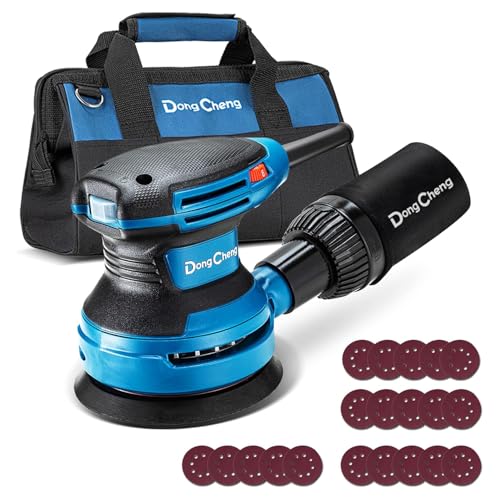
Dong Cheng 5-Inch Random Orbital Sander 3.2A 12800OPM

MAXXT Electric 5mm Random Orbital Sander 350W Brushless

MAXXT Random Orbital Sander 5&6 Inch Pads Brushless

DEKOPRO 5-Inch Electric Sander 14000RPM with 16 Discs
More Details On Our Top Picks
The BOSCH GSS20-40 is the kind of tool that quietly does its job without drama, which is honestly what most people want from a finishing sander. It runs on a 2-amp motor that hits 12,000 OPM (oscillations per minute, meaning how many tiny circles it makes each minute), so it chews through old finishes and smoothing rough joints without bogging down. The 1/4-sheet format means standard sandpaper sheets tear in half and clamp down without hunting for specialty discs.
For refinishing a dining table or prepping cabinets before paint, the dust collection canister keeps the work area cleaner than open sanding, and the low-profile body sits comfortably in your palm during long sessions. Compared to the pneumatic picks below, the BOSCH trades raw speed for plug-and-go convenience.
Why It Works Well
- 2-amp motor hits 12,000 OPM, which is plenty for most household sanding tasks
- Standard 1/4-sheet sandpaper fits without adapters, keeping consumables cheap
- Counterbalanced motor design reduces the white-knuckle vibration that wears out your hand
- Included dust canister catches fine particles so your shop doesn’t end up coated
Points To Keep In Mind
- Hook-and-loop paper changes are slower than on a random-orbit pad
- 2 amps feels modest if you’re hogging off thick paint or heavy varnish
Key Specs
Made For
Homeowners restoring a single piece of furniture or prepping trim before repainting, where reliability and easy paper sourcing matter more than speed.
Skip It When
You’d rather grab the Gedu 6-Inch Yellow pneumatic sander, since you already have a compressor and need to strip metal panels faster.
The base Gedu pneumatic sander trades the corded convenience of the BOSCH for genuine workshop muscle, and the swap is worth it if you already run an air compressor. The composite plastic body keeps weight low so your wrist doesn’t fatigue mid-job, and the dual-action random orbit pattern (the pad both spins and oscillates in tiny circles) hides scratch direction better than a regular sheet sander. The trade-off is that this sander is a workshop tool, not a grab-and-go, and you’ll want a hose and oiler nearby.
It suits the person who has a corner of a garage dedicated to restoration work and wants a sander that disappears into the bench drawer between uses. Compared to the BOSCH, you give up portability for more aggressive material removal.
Positive Points
- Lightweight composite body reduces hand fatigue during long sanding sessions
- Dual-action random orbit finish blends scratch patterns for cleaner results
- Pneumatic power delivers strong torque without the weight of a brush motor
Trade Offs
- Requires a compressor and air hose setup that takes up shop space
- Needs regular lubricating oil in the air line to keep running smoothly
- Louder than electric models since exhaust vents at the tool
Right Fit For
Garage hobbyists with a compressor already on the bench who sand metal parts, automotive panels, or wood projects weekly.
Where Another Pick Suits Better
The Dong Cheng 5-Inch Random Orbital Sander 3.2A is a smarter call for anyone without an air compressor who still wants a random orbit finish.
Step up to the 6-inch version of the Gedu and the working footprint grows, which is the whole point. The 6-inch hook-and-loop pad (a Velcro-style surface for swapping abrasive discs) covers a door panel or cabinet side in fewer passes than a 5-inch model, and the 3/16-inch orbit diameter strikes a middle ground between aggressive cutting and fine finishing. At 12,000 RPM free speed and 2 pounds, the tool feels balanced in the hand rather than top-heavy.
This is the kind of sander a body shop tech reaches for when blending filler on a fender, or a furniture maker uses for leveling veneered panels. If the base Gedu above feels too small for your panels, this one scales up without becoming a full-size air tool.
Everyday Advantages
- 6-inch pad covers wide surfaces in fewer passes, saving time on big projects
- 3/16-inch orbit balances material removal with finish quality
- Low net weight of 2 lbs keeps the tool maneuverable overhead
- Hook-and-loop pad swaps abrasives in seconds, no tools needed
Possible Compromises
- Air consumption of 10.5 CFM means your compressor needs decent capacity
- 6-inch pad is awkward on small, detailed trim work
Quick Facts
Best Suited To
Auto body technicians and metalworkers who already have a 90 PSI compressor and need to blend filler or polish welds.
Look Elsewhere When
The MAXXT Electric 5mm Random Orbital Sander 350W is a better match for woodworkers who don’t run an air compressor in their shop.
The yellow Gedu is the same 6-inch pneumatic platform with a few thoughtful upgrades, including a stainless steel air regulator built into the body and a wider rubber grip. The regulator lets you dial in airflow on the tool rather than walking back to the compressor, which speeds up the kind of repetitive work where you constantly switch between rough grit and finishing passes. The widened grip is shaped to fit the typical adult palm without forcing a cramped hold.
For long production sanding sessions, those two small changes add up to less fatigue and fewer trips across the shop. The low-vibration claim also holds up in practice for this category, since the composite body absorbs a fair amount of buzz before it reaches your hand.
What Makes Sense
- Built-in stainless steel regulator adjusts airflow without leaving the workpiece
- Widened rubber grip fits typical adult hand sizes comfortably
- Composite body construction keeps overall weight down despite the larger pad
- Low-vibration design reduces the numbness that builds up over hours of sanding
Less Ideal Details
- Yellow color is a cosmetic detail that won’t suit every shop aesthetic
- Still depends on compressor, hose, and oiler like the other pneumatics in this list
Who Will Love This
Production sanders and restoration pros who sand for hours at a stretch and want tool-level airflow control.
Reach For A Different Pick When
The Dong Cheng 5-Inch Random Orbital Sander 3.2A is the better fit for hobbyists who don’t want to invest in a compressor setup just to sand furniture.
The Dong Cheng is the first electric random-orbit pick on this list, and it brings genuine variable-speed control to a wallet-friendly price point. Six speed settings span 8,000 to 12,800 OPM, so you can dial back for delicate veneer or crank up for stock removal on solid wood. The 5-inch pad lands between the smaller finishing sanders and the larger 6-inch workhorses, which is a sweet spot for most home projects.
The kit also ships with 20 sandpaper discs and a detachable dust bag, so you can start sanding the day the box arrives. For most first-time orbital sander owners, the honest read is that this covers more scenarios than pricier rivals without locking you into compressor ownership.
Strengths Worth Knowing
- Six variable speed settings adapt the tool to different materials without swapping machines
- 20 included sandpaper discs cover grits from rough shaping to final polish
- Detachable dust bag keeps the pad area clear and reduces airborne mess
- Hook-and-loop pad makes disc changes a one-handed operation
Room For Improvement
- 3.2-amp motor bogs down faster than brushless competitors on heavy stock removal
- Dust bag fills quickly during extended sessions and needs frequent emptying
Feature Snapshot
Perfect Match For
First-time orbital sander owners tackling furniture refinishing, craft builds, or weekend woodworking projects at home.
Swap It Out When
The MAXXT Random Orbital Sander 5&6 Inch Pads Brushless is a smarter call for shop owners who want both pad sizes in one tool and run longer sessions.
The MAXXT swaps a traditional brushed motor for a brushless 350W design, and that change pays off in three ways: longer motor life, quieter operation, and more torque per amp drawn from the wall. The 5mm orbit is on the smaller side, which means finer scratch patterns that disappear under stain and finish. Two speed control modes (a continuous throttle and a six-step preset) give you flexibility depending on whether you want dial-in precision or free-feel sanding.
For woodworkers focused on furniture and panel work, the smaller orbit is genuinely the better choice over a 3/16-inch aggressive cut, since you spend less time re-sanding visible swirl marks. The 6-inch pad handles wide boards, while the included 10 sanding papers get you through the first project.
Features That Help
- Brushless 350W motor runs cooler and lasts longer than brushed alternatives
- Two speed control modes adapt to both dialed-in and freehand work styles
- Smaller 5mm orbit leaves finer scratch patterns for cleaner finishing
- 6-inch pad balances coverage area with maneuverability on most projects
Honest Caveats
- Brushless motor commands a price premium over brushed entry models
- Smaller orbit removes material more slowly than aggressive 3/16-inch options
Feature Card
Who Should Grab It
Woodworkers and finish carpenters focused on furniture and panel work, where fine scratch patterns and motor longevity matter most.
Consider Something Else When
The Gedu 6-Inch pneumatic sander suits you better if you need to strip metal or auto body filler rather than fine-finish wood.
This MAXXT is the more flexible sibling of the previous pick, and the key upgrade is right in the name: it ships with both 5-inch and 6-inch backing pads. Swap the pad to match the work, fine detail on a jewelry box or full coverage on a tabletop, without buying a second sander. The central vacuum port also means you can hook this up to a shop vac rather than relying on a tiny onboard bag.
For small shop owners, that combination adds up to one tool that genuinely handles the full range of sanding jobs. The 5mm orbit and brushless motor carry over from the other MAXXT, so the surface quality stays consistent regardless of which pad is on the tool.
What It Does Well
- Interchangeable 5 and 6 inch pads cover everything from detail to panel work
- Central vacuum port connects to a shop vac for cleaner, longer sessions
- Brushless motor keeps the tool running cool during extended use
- 5mm orbit produces fine scratch patterns that finish out smoothly
Worth Bearing In Mind
- Carrying both pads around requires keeping track of small accessories
- Shop vac hookup adds hose drag that takes a session to get used to
The Right Fit
Shop owners who want one sander that covers small craft work and large furniture builds without swapping tools.
Another Choice May Suit
The DEKOPRO 5-Inch Electric Sander 14000RPM is a stronger call for casual DIYers who only need one pad size and want a simpler setup.
The DEKOPRO rounds out this list as the most approachable pick for someone just stepping into the world of random orbital sanding. The 2.5-amp motor hits 14,000 RPM, which is on the higher end for a 5-inch pad in this price bracket, and six variable speed settings let you match the tool to the job. The 16 included sandpaper discs span grits from 60 through 1000, so you have abrasives for stripping, smoothing, and final polishing in the same box.
For new DIYers exploring whether a random orbital sander earns a permanent spot in their toolkit, the low upfront cost and complete starter kit remove a lot of the friction. The dust collection system helps keep your workspace manageable during those first learning-curve projects.
A Strong Showing
- 14,000 RPM delivers fast material removal for a 5-inch pad in this class
- 16 sandpaper discs span grits from 60 to 1000, covering rough to fine work
- Six variable speeds let beginners experiment without overwhelming them
- High-performance dust collection keeps the work area visible during sanding
Small Caveats
- 2.5-amp motor runs out of steam on heavy stock removal compared to higher-amp models
- Plastic construction feels lighter but less durable than metal-bodied competitors
At A Glance
Whose Shelf It Belongs On
Casual DIYers and craft hobbyists who sand a few times a year and want a low-commitment tool to start with.
Not Your Match When
The MAXXT Electric 5mm Random Orbital Sander 350W is a smarter upgrade path for serious woodworkers who sand weekly and want brushless longevity.
What To Match Between Sander and Workspace
Picking a palm sander comes down to three honest questions: where you’ll use it, how much you already own, and how often you reach for sandpaper in a given month. Compressed-air models like the Gedu trio deliver strong torque and lighter tool weight, but they need a compressor, hose, and a few drops of lubricating oil before each session. Electric sanders trade that setup cost for a power cord, and the better ones now offer variable speed and brushless motors that close the performance gap.
Pad size is the next big call. A 5-inch pad is the versatile middle ground, easy to control on furniture and big enough for door panels. A 6-inch pad speeds up large flat work but feels clumsy on small trim. Smaller finishing sanders like the BOSCH are unbeatable for tight spots and detail work, but they don’t random-orbit, so scratches show more under stain.
Orbit size and speed range matter more than raw RPM. A smaller 3/16 to 5mm orbit leaves finer scratch patterns, which means less work before finish goes on. Higher top speeds help on tough material removal but don’t add much if you mostly sand softwoods. Match the tool to the work you actually do, and the rest falls into place.
Key Considerations Across These Picks
Pitfalls Shoppers Hit
The most common mistake is buying a pneumatic sander without checking compressor capacity first. Models like the Gedu 6-Inch pull 10.5 CFM at 90 PSI, and a small pancake compressor simply can’t keep up during continuous sanding. The tool starves for air, performance drops, and you blame the sander for what is really a supply problem.
Another trap is ignoring pad and abrasive compatibility. Random-orbit sanders use hook-and-loop discs in 5 or 6 inch sizes, and the two are not interchangeable. Buying a 5-inch sander and only stocking 6-inch discs is a frustration that surfaces the moment you open the first pack.
When Paying More Pays Off
The jump from brushed to brushless motors, like on the MAXXT models, costs more upfront but pays back in two ways. Brushless motors generate less heat, so they last years longer under heavy use, and they draw current more efficiently, which means less tripped breakers on shared circuits. For a shop that sands weekly, that upgrade earns its keep within a season. For someone sanding a single piece of furniture per year, the brushed entry models make more financial sense.
Frequently Asked Questions
What Is A Palm Sander Used For?
A palm sander handles light to medium sanding tasks like smoothing wood before finishing, stripping old paint, and blending filler on repairs. Its compact size and one-handed operation make it ideal for furniture, trim, doors, and small panel work around the home or shop.
What’s The Difference Between A Palm Sander And A Random Orbital Sander?
A traditional palm sander moves in a back-and-forth or square pattern that leaves visible scratch lines. A random orbital sander combines rotation with an offset orbit so the pad moves in tiny circles, producing a finer, multi-directional scratch pattern that finishes out more cleanly under stain or paint.
Do I Need An Air Compressor For A Pneumatic Palm Sander?
Yes, pneumatic palm sanders like the Gedu models require a compressor that can deliver at least 90 PSI and roughly 10 CFM of airflow. Without adequate supply, the tool bogs down and wears prematurely, so a compressor is a hard prerequisite rather than an optional accessory.
How Often Should I Replace Sandpaper On A Palm Sander?
Replace sandpaper as soon as you notice the cut slowing down, the surface glazing over, or burn marks appearing on the workpiece. For typical wood projects, that means swapping discs every 10 to 20 minutes of active sanding, though heavy paint stripping eats through grits faster than fine finishing work.
Can A Palm Sander Remove Paint?
Yes, palm sanders remove paint effectively when paired with coarse-grit discs in the 60 to 80 range. Work in slow passes, keep the pad flat against the surface, and wear a mask since old paint can contain lead or other compounds you don’t want to breathe.
Closing Remarks
The right palm sander comes down to your shop setup and how often you sand. Electric models win for convenience and grab-and-go projects, while pneumatic picks like the Gedu series reward you with less fatigue and faster cutting when a compressor is already part of the workflow. Pick the orbit size and pad diameter that match the projects on your bench, and you’ll spend less time fighting the tool and more time getting smooth results.




