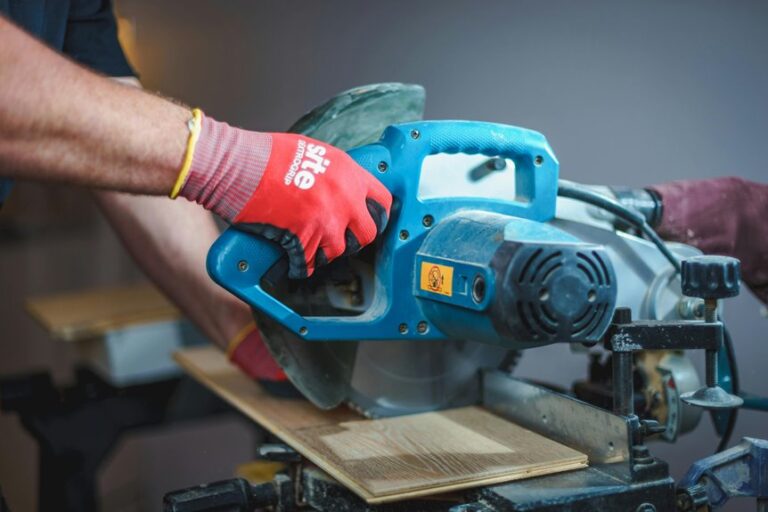
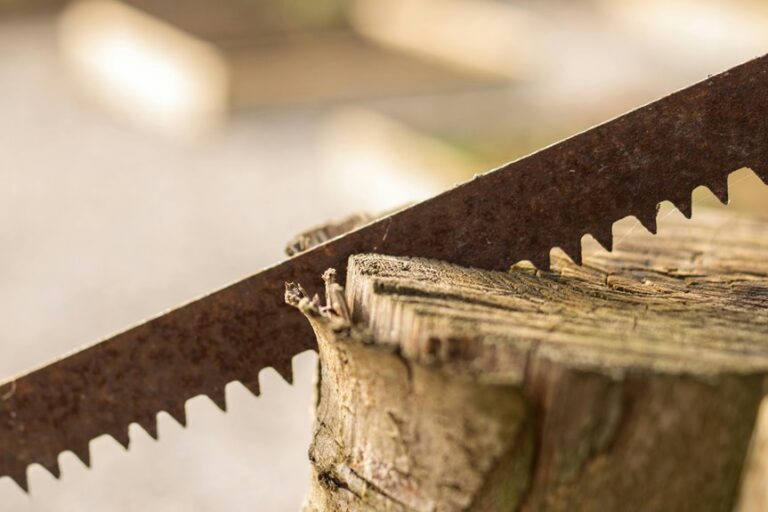
Cutting sheet goods and breaking down plywood used to mean wrestling a full-size circular saw across a foam board. Modern panel saws simplify that workflow, whether you want a powered plunge saw on a guide rail, a traditional hand panel saw for the workshop, or a fine-tooth Japanese pull saw for trim work and veneer. The five tools below cover the main use cases: jobsite cutting, rough framing breakdown, precision joinery, portable detail work, and fast utility cuts.
An Overview Of The Picks
Makita XPS01Z 36V Brushless Plunge Circular Saw
DEWALT DWHT20544L 15″ Standard Panel Saw
ROCKLER Japanese Mini Dozuki Panel Saw 150mm
Magma Japanese Saw Fujiyama 4-Piece Foldable Set
Stanley 2-15-283 Jet Cut Rough Hand Saw 450mm
Meet The Standout Selections
For shop owners breaking down sheet goods all day, a cordless plunge saw changes the math. The Makita XPS01Z runs on two 18V LXT batteries in series, producing 36V of brushless power that handles plywood, MDF, and melamine without the drag of a cord. The plunge action, where the blade starts above the material and lowers in mid-cut, lets you cut an interior opening or start a cut anywhere on a panel without a pilot hole.
Paired with a compatible guide rail, the XPS01Z produces straight, splinter-controlled cuts that rival a track saw setup at a fraction of the bench footprint. Where the DEWALT DWHT20544L relies on elbow grease, this saw handles long rip cuts across a 4×8 sheet with consistent pressure and depth. You may find the tool-only format frustrating if you don’t already own LXT batteries, since the charger and two 5.0Ah packs add meaningfully to the total cost.
Everyday Advantages
- Brushless motor delivers longer runtime and reduced maintenance compared to brushed designs in daily shop use.
- Plunge mechanism enables interior cutouts for sinks, vents, and electrical boxes without pilot holes or jigs.
- 6-1/2″ blade offers enough depth for most plywood and panel work while keeping the saw compact and well-balanced.
- Compatible with a guide rail system for splinter-free, dead-straight cuts across full sheets.
- Runs on the widespread 18V LXT platform, sharing batteries with the rest of the Makita cordless lineup.
Things To Consider
- Tool-only configuration means batteries and charger must be purchased separately, which raises the entry cost.
- Guide rail is a separate purchase, and the saw does not reach its full potential without one.
- Heavier than a standard cordless circular saw due to the dual-battery configuration, which may fatigue users on long overhead runs.
Who It Suits Best
Pros and serious hobbyists who already run Makita LXT batteries and want cordless plunge-cut precision on the jobsite or in a small shop.
Where Another Pick Suits Better
Shoppers wanting a pure hand tool with no battery investment will get more value from the DEWALT DWHT20544L 15″ Standard Panel Saw.
The DEWALT DWHT20544L is a serious hand saw built for one job: ripping down sheet goods. Its 15-inch blade uses a three-surface tooth geometry that the manufacturer rates as cutting up to 50% faster than traditional handsaws. For a carpenter laying out cabinets or trimming plywood doors, that efficiency shows up over a full day of breakdown cuts.
Where the Makita XPS01Z relies on batteries and a guide rail, this saw just needs a steady pull. Induction-hardened teeth (a heat treatment that increases the steel’s surface hardness) hold their edge through repeated sheet cuts, and a low-friction coating helps the blade glide through wet or resinous wood without sticking. The trade-off is purely physical: you supply the power, so a sharp edge and good posture matter more than any motor setting.
Strengths Worth Knowing
- Three-surface tooth design clears material efficiently, reducing stroke count on long rip cuts.
- Hardened teeth extend the interval between sharpenings in typical shop use.
- Low-friction coating reduces drag and pitch buildup during extended cutting sessions.
- No batteries, cords, or dust collection to manage, making it dependable in any environment.
Honest Caveats
- Hand-powered cutting demands stamina, especially on full 4×8 sheets.
- Cut quality on visible faces depends heavily on the operator’s technique and a fine-tooth finish blade.
- Blade replacement or sharpening requires a saw bench or professional service once the teeth dull.
Right Fit For
Cabinetmakers, trim carpenters, and small-shop woodworkers who want a no-fuss, dependable hand saw for everyday panel breakdown.
Look Elsewhere When
Anyone needing sub-millimeter precision on veneer or finish panels will get cleaner results from the ROCKLER Japanese Mini Dozuki Panel Saw.
The ROCKLER Mini Dozuki sits at the fine end of the panel saw category. Its 150mm blade carries 106 teeth with a 1.41mm pitch and a remarkably thin 0.30mm blade body. That geometry produces a kerf (the width of material removed by the cut) of just 0.49mm, which means very little wood is wasted and the cut face comes out smooth enough to skip sanding on most trim and panel work.
The reinforced back keeps the blade rigid during use, preventing the flex that plagues cheaper Japanese-style saws. Where the DEWALT DWHT20544L chews through plywood with a coarse tooth pattern, the Dozuki scores and slices thin panels, veneer, and small joinery pieces with surgical control. You may find the cutting speed slower than a Western push saw, but the finish quality on a dovetailed drawer or a visible cabinet side is hard to beat.
Where It Helps
- Ultra-thin 0.30mm blade leaves a clean kerf that needs little to no sanding.
- 106-tooth count delivers a glass-smooth finish on face-grade plywood and veneer.
- Reinforced back limits flex and holds the cut line true on longer strokes.
- Compact 150mm blade reaches into tight spots where a full-size panel saw cannot fit.
Points To Keep In Mind
- Thin blade and fine teeth require a careful, practiced stroke to avoid bending or breaking.
- Slower cut speed compared to coarse Western saws on thick material.
- Specialty tool, less versatile for rough framing or heavy sheet breakdown.
Who Should Grab It
Fine woodworkers, furniture builders, and serious DIYers who prioritize a clean finish cut on panels, veneer, and small joinery.
Swap It Out When
For cutting across full sheets of construction plywood in a hurry, the DEWALT DWHT20544L 15″ Standard Panel Saw will be far more efficient.
The Magma Fujiyama set ships four folding Japanese saws in one package, covering Dozuki, Kataba, and Ryoba styles in the 240 to 250mm range. Folding blades tuck safely into the handles for transport, which makes this kit the most portable option in the roundup. A camper, a carpenter driving between small jobs, or a hobbyist with limited shop space gets a full panel-cutting kit in a single bag.
Unlike the single-purpose ROCKLER Mini Dozuki, the Magma set hands you a versatile spread: a fine back-cut saw for joinery, a flush-cut saw for trim, and a crosscut option for breaking down small panels. You may find the individual blades lighter-duty than a fixed-handle equivalent, since folding mechanisms add a hinge and a lock. For most portable tasks, though, the convenience of four saws in one carry kit outweighs that compromise.
Everyday Perks
- Four-blade kit covers rip, cross, and flush-cut tasks without buying separate saws.
- Folding design protects teeth during transport and storage in a tool bag or drawer.
- Japanese pull-stroke geometry reduces the effort needed per cut compared to Western push saws.
- Compact enough for a vehicle glove box, camping kit, or apartment workshop.
Trade Offs
- Folding hinge adds slight flex compared to a rigid full-length handle.
- Blade steel is lighter-duty than premium single-purpose Japanese saws, so aggressive cuts can wear teeth faster.
- Four saws at once may be more than a casual user actually needs.
Made For
Mobile craftspeople, van-builders, and hobbyists who want a compact multi-saw kit for on-location panel work.
Consider Something Else When
Workshop-bound woodworkers chasing maximum cut precision should choose the ROCKLER Japanese Mini Dozuki Panel Saw for its stiffer blade and finer tooth count.
The Stanley Jet Cut is a workhorse rough-cut saw built for framing, decking, and general carpentry where speed matters more than finish. The 450mm blade carries 7 teeth per inch, an aggressive pitch that evacuates chips quickly on long strokes. A bi-material handle, screwed and ultrasonically welded (joined using high-frequency vibration that fuses the two materials at the molecular level) to the blade, accepts both 45-degree and 90-degree cuts without slipping.
Where the DEWALT DWHT20544L focuses on sheet goods and the Magma set targets fine panel work, the Stanley slots in as a rough-framing companion. You may find the 7 TPI (teeth per inch) tooth pattern too coarse for visible cabinet parts, but on jobsite dimension lumber, fence rails, or subfloor panels, it chews through cuts that would slow a finer saw. The Swedish steel blade also cuts on both the push and pull stroke, a common claim in this category that adds measurable efficiency on a long day of work.
A Strong Showing
- Bi-material handle provides grip security during long framing sessions.
- Hardened Swedish steel blade holds up to repeated contact with nails and rough lumber.
- Cuts on both forward and back strokes increase efficiency compared to single-direction saws.
- Reasonable price point for first-time tool owners and renovation crews.
Small Caveats
- 7 TPI tooth pattern leaves a rough cut face unsuitable for finish work without additional sanding.
- 450mm length is longer than many trim saws, making it harder to maneuver in tight boxes.
- Less specialized than the DEWALT panel saw for full sheet-good breakdown.
Whose Shelf It Belongs On
Framing carpenters, remodelers, and DIY homeowners who need a dependable general-purpose hand saw for rough carpentry and repairs.
Reach For A Different Pick When
If the day calls for breaking down full plywood sheets by hand, the DEWALT DWHT20544L 15″ Standard Panel Saw is a more specialized tool for that exact job.
Choosing Panel Saws That Match Your Work
A panel saw earns its place by cutting the materials you actually handle, not the materials in a brochure. The first question to answer is power source. Cordless plunge saws like the Makita XPS01Z deliver repeatable, splinter-controlled cuts when paired with a guide rail, ideal for finish carpentry and cabinet work where a power outlet may not be nearby. Hand saws, by contrast, cost nothing to run, work in any weather, and need no batteries, but they trade speed and consistency for that simplicity.
Blade geometry matters more than blade length. Tooth count (TPI) controls cut quality: lower TPI cuts faster but leaves a rough face, while higher TPI produces a smooth finish at a slower pace. Panel saws with induction-hardened teeth, like the DEWALT DWHT20544L, hold an edge longer under repeated sheet work, which matters for shops cutting plywood every day. For fine joinery and veneer, a thin-kerf Japanese pull saw such as the ROCKLER Mini Dozuki leaves a near-finished edge that needs minimal sanding.
Finally, think about portability. A folding multi-saw kit like the Magma Fujiyama set fits into a truck door pocket or a small shop drawer, while a fixed-handle panel saw or a cordless plunge saw lives on a bench or in a jobsite crate. The right choice depends on whether your work happens at a single bench, moves between job sites, or follows you onto a ladder.
Key Points To Weigh Before You Buy
Common Buying Mistakes
The most common slip is matching a saw to the wrong material. A 7 TPI rough saw will frustrate a cabinetmaker, and a fine Japanese pull saw will exhaust a framer. The other trap is buying a cordless plunge saw without budgeting for batteries, a charger, and a guide rail, since the tool-only price is only part of the real spend. Skipping tooth-count research is the third one, since two saws at similar prices can produce wildly different finish quality based on TPI alone.
When Paying Up Pays Off
Premium panel saws justify their higher cost with longer-lasting teeth, stiffer blade backs, and better handle ergonomics. For daily professional use, that translates to fewer sharpenings, less hand fatigue, and faster throughput per cut. A hobbyist finishing one project a year may not recover the upgrade through saved time, but a contractor cutting sheets every week often does. The honest read is that premium build quality pays for itself in direct proportion to how often the saw leaves the wall.
Frequently Asked Questions
What is a panel saw used for? A panel saw is designed to break down large sheet materials like plywood, MDF, and particleboard into smaller, workable pieces. Powered versions handle the heavy lifting, while hand versions let you work anywhere without electricity.
How does a Japanese pull saw differ from a Western push saw? A Japanese pull saw cuts on the pull stroke, which lets the blade be much thinner and produce a finer kerf. Western push saws cut on the push, require thicker blades to resist flex, and generally remove more material per pass.
Do I need a guide rail with a plunge saw? A guide rail is not strictly required, but it dramatically improves cut straightness and reduces tear-out (chipping along the cut edge) on finished materials. For cabinet-grade work, a rail is essentially mandatory.
How do I maintain a hand panel saw? Keep the blade dry, wipe off pitch and sawdust after use, and store the saw in a dry place or a blade sheath. Hardened teeth will eventually dull, and professional sharpening is the usual path once performance drops.
Can a panel saw cut metal? Standard panel saws are designed for wood and wood-based panels. Cutting metal requires a blade rated for the specific metal and a slower, controlled stroke to avoid tooth damage.
Wrap Up
The right panel saw depends on what you cut, how often, and where. A cordless plunge saw with a rail shines in a finish shop, a coarse hand saw dominates a framing job, and a fine Japanese pull saw produces the cleanest edges on veneer and trim. Pick the tool that matches the cut, and it will pay you back every time you reach for it.