


Milling rough lumber into clean, usable stock is one of those workshop jobs that separates a hobbyist from someone who actually builds furniture. A good planer for wood shaves hours off dimensioning boards, flattens twisted slabs, and turns construction-grade 2x4s into furniture-grade material. The right choice depends on your shop size, power setup, and how often you reach for it, so this list mixes a cordless handheld option, a benchtop workhorse, and accessories that round out a complete planing setup.
A Side-By-Side Look

Makita XPK01Z 18V LXT Cordless 3-1/4-Inch Planer
DEWALT DW7351 Folding Planer Table Accessory
VEVOR Power Benchtop Planer Three-Blade Two Speed 13-Inch

VEVOR 13-Inch Two-Blade Benchtop Planer 2000W
VEVOR 13-Inch Benchtop Wood Planer 2000W Foldable
Inside Each Recommended Option
The Makita XPK01Z fills a different slot than the benchtop options below. It’s a handheld cordless planer, part of Makita’s 18V LXT platform, designed for trimming doors, shaving edges, and fitting work in places where dragging a board to a stationary machine is impractical. The cordless design is the headline feature: no extension cord, no shop outlet needed, and easy to carry to a job site or out to the driveway.
For trim carpenters, remodelers, and homeowners who occasionally fit a stubborn door, this tool pays for itself by skipping the trip back to the shop. Anyone already running Makita 18V batteries gets the most out of it, since the tool ships without a battery or charger.
Benefits That Matter
- Cordless design lets you plane in the field, on a ladder, or far from any outlet.
- 3-1/4 inch cutting width handles standard door edges and trim stock comfortably.
- Compatible with the wide Makita 18V LXT battery ecosystem if you already own tools in that line.
- Light enough for one-handed control during fitting work, reducing fatigue on long trim jobs.
Things To Consider
- Battery and charger are sold separately, which raises the real cost of entry.
- Handheld planers produce tear-out on figured grain if you push them too fast.
- Not a replacement for a benchtop thickness planer when milling rough lumber to final dimension.
Who It Suits Best
Trimmers, remodelers, and Makita 18V owners who need a portable planer for fitting doors and edges on site.
Skip It When
You need to mill rough lumber into flat boards, since the VEVOR Power Benchtop Planer Three-Blade Two Speed 13-Inch handles that job much more efficiently.
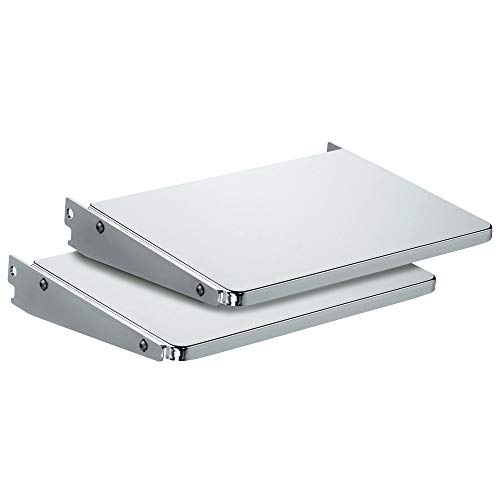
The DEWALT DW7351 is a support accessory, not a planer itself. It attaches to the DEWALT DW735 13-inch benchtop planer, adding outfeed and infeed rollers that catch long boards as they exit the cutterhead. The folding aluminum design matters: when you’re done, it collapses down so the planer doesn’t swallow your entire shop.
Woodworkers running long stock through a thickness planer know the frustration of a board tipping off the back end mid-pass. This add-on fixes that problem without forcing you to build a custom roller stand setup. Lightweight aluminum keeps it portable enough to move around the shop, and the snap-on design reportedly installs without much fuss.
What Makes Sense
- Supports long boards during thickness planing, reducing tip-off and snipe at the cutterhead exit.
- Folding design saves floor space when the planer isn’t in use.
- Aluminum construction keeps total weight low for repositioning.
- Made specifically for the popular DW735, so fit and alignment match the host machine.
Points To Note
- Only fits the DEWALT DW735, so it’s a non-starter if you run a different benchtop planer.
- Doesn’t add cutting capacity, just material handling support.
- Aluminum surfaces can dent if heavy lumber drops on them during feeding.
Made For
DW735 owners who plane long boards regularly and want better material handling without a permanent stand build.
Consider Something Else When
You don’t already own a DW735, in which case the VEVOR 13-Inch Benchtop Wood Planer 2000W Foldable is a complete machine worth considering instead.
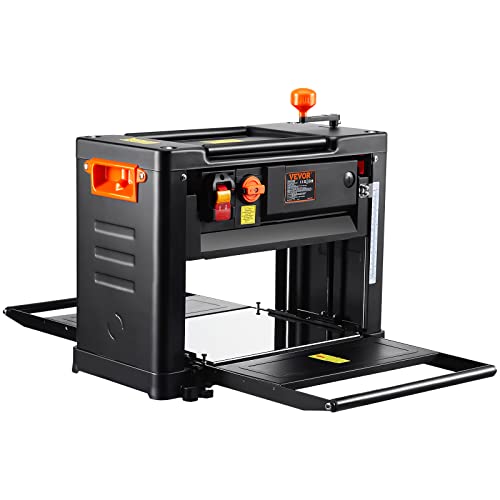
The VEVOR Power Benchtop Planer brings 13-inch width capacity to small shops without the footprint of a full stationary planer. The three-blade cutterhead, where the spinning drum holds three separate knives instead of two, produces a smoother surface out of the machine, meaning less sanding after you plane. A two-speed feed lets you slow down for hardwoods or speed up for soft construction lumber.
Compared to the Makita at the top of this list, this is a stationary machine for dimensioning rough boards rather than a handheld trim tool. The cast iron bed and steel components help keep stock flat during passes, and the pull-out table extensions add support for longer pieces. In our view, this hits a sweet spot for hobbyists who want professional results without dedicating a corner of the garage to a 400-pound machine.
What Pays Off
- Three-blade cutterhead leaves a smoother finish, cutting down post-planing sanding time.
- 13-inch width handles most hardwood boards you’ll find at a lumber yard.
- Two-speed feed adjusts for hardwood versus softwood without bogging the motor.
- Table extensions provide added support for longer stock during feeding.
Worth Noting
- Replacement blades cost extra and need periodic rotation or sharpening as they dull.
- Cast iron bed is heavy, so plan your shop layout before setting it in place.
- You may find dust collection essential, as planers produce fine chips quickly.
Key Specs
Best Suited To
Small-shop woodworkers and serious hobbyists who want clean, ready-to-finish surfaces straight off the planer.
A Better Fit Elsewhere
You’re working on a tight budget and don’t need the three-blade finish, in which case the VEVOR 13-Inch Two-Blade Benchtop Planer 2000W delivers similar width at a lower entry point.
The VEVOR Two-Blade Benchtop Planer delivers the same 13-inch capacity as the three-blade sibling above, but trims the price by going with two knives on the cutterhead. The 15-amp 2000W motor is the real headline: it pushes through dense hardwoods without stalling, which matters when you’re dimensioning oak, maple, or walnut for a project.
The 12-inch extended infeeding table helps support long boards as they enter the cutterhead, a real-world benefit when working with 8-foot stock. Unlike the DEWALT accessory reviewed earlier, this is a complete planer, ready to run out of the box once you wire it to a standard 15-amp circuit.
Strengths Worth Knowing
- Powerful 2000W motor handles hardwoods without bogging down on deeper cuts.
- Extended infeed table supports longer boards, reducing catch and improving feed consistency.
- 13-inch width matches the larger VEVOR models, so capacity isn’t sacrificed for the lower price.
- Cast iron bed and steel components promote flat, stable cuts through repeated passes.
Honest Caveats
- Two-blade cutterhead produces a rougher finish than three-blade designs, so plan extra sanding.
- Noise levels run high, which matters if your shop shares walls with living space.
- Blade changes require removing and indexing the cutterhead, a step that’s tedious the first few times.
Right Fit For
Garage woodworkers and budget-conscious hobbyists who prioritize cutting power over surface finish quality.
Look Elsewhere When
You need a smoother off-the-planer surface, since the VEVOR Power Benchtop Planer Three-Blade Two Speed 13-Inch uses three knives for a cleaner cut.
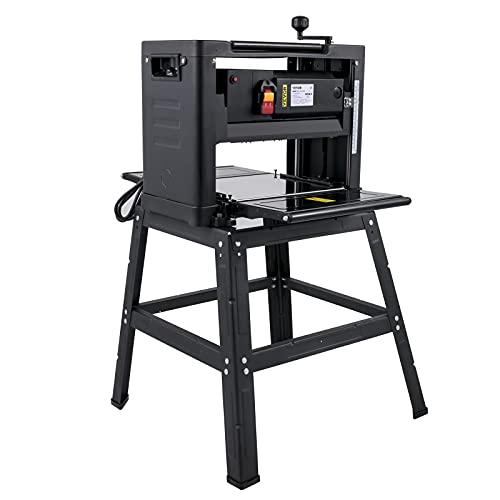
The VEVOR Foldable Benchtop Planer tackles the biggest problem with benchtop planers in small shops: footprint. When you’re not using it, the stand folds down so the planer rolls into a corner or against a wall. The 2000W motor and 8000 rpm blade speed match the other VEVOR models, so cutting power stays consistent across the line.
The 6m/min feeding speed is a meaningful detail. It tells you how fast the machine pulls boards through the cutterhead, and this one moves at a pace that suits most hobby workflows. The dust exhaust port accepts a standard shop vac hose, which matters more than people expect: planers fill the air with fine chips fast, and cleanup is a chore without extraction hooked up.
Noteworthy Benefits
- Foldable stand design saves floor space in compact shops and shared workspaces.
- 2000W motor and 8000 rpm blade speed deliver cuts comparable to larger VEVOR models.
- Integrated dust exhaust port connects to a shop vac for cleaner operation.
- 13-inch width handles the same dimensional lumber as the rest of the VEVOR benchtop line.
Trade Offs
- Iron stand adds weight that offsets some of the folding convenience during transport.
- Double-edged cutter blades require careful handling during changes.
- You’ll likely need to dial in the depth stop and feed rate on the first few boards to get dialed in.
Feature Snapshot
Whose Shelf It Belongs On
Apartment and garage woodworkers with limited floor space who still want full 13-inch planing capacity.
Swap It Out When
You already own a DW735, because the DEWALT DW7351 Folding Planer Table Accessory would extend your existing setup without buying a whole new machine.
What To Weigh Before Choosing Your Next Planer
Picking a planer for wood comes down to matching the tool to your workflow, not chasing the biggest motor or the widest capacity. A handheld cordless planer and a 13-inch benchtop machine do completely different jobs, and buying the wrong one wastes money either way.
Start with the stock you actually run. Hobbyists dimensioning rough hardwood slabs need a stationary benchtop planer with enough width to clear their lumber. If you’re fitting doors, trimming cabinet faces, or working on install jobs, a cordless handheld planer covers that ground without dragging a board to the shop.
Cutterhead design matters more than people expect. A three-blade head leaves a smoother surface than a two-blade head, which translates directly into less sanding later. If your projects head straight to finishing, that smoother cut saves real shop time. If you sand aggressively after planing anyway, the two-blade option keeps more money in your pocket.
Motor power determines what you’ll actually plane. A 2000W motor pushes through oak and maple without bogging on deeper cuts, while smaller motors stall on dense hardwood. Plan around the toughest wood you’ll regularly mill, not the easiest.
Finally, think about shop footprint. Benchtop planers weigh enough that moving them daily becomes annoying. Foldable stands and roller bases solve that problem, and accessories like outfeed tables keep long boards from tipping mid-cut. The right setup depends on how often you reach for the tool and how much space you can give it.
Smart Angles Before You Commit
Wrong Turns To Avoid
A common mistake is buying a wide stationary planer when most of your work involves trimming and fitting on site. The Makita XPK01Z cordless planer reviewed above exists precisely for that scenario, and dragging boards to a benchtop machine wastes more time than people realize. Match the tool to the task, not the other way around.
Another trap is overlooking dust collection. Planers fill the air with fine chips fast, and breathing that without extraction gets uncomfortable. The VEVOR Foldable model includes a dust exhaust port for a reason: it matters in any shop, and missing it during planning leads to a frustrating retrofit later.
Where The Extra Money Goes
Higher-tier planers earn their cost through cutterhead quality, motor strength, and surface finish. A three-blade head versus a two-blade head costs more to manufacture, and that smoother cut means less time at the sander. More powerful motors handle hardwoods without stalling, which keeps your workflow moving when the material gets tough.
The upgrade is worth it for woodworkers who plane frequently and value surface quality. For occasional dimensioning on softer woods, the budget tier handles the job without the premium price. The honest read is that paying more pays off when you’ll use the tool weekly, not a few times a year.
Frequently Asked Questions
What is a thickness planer used for?
A thickness planer mills rough lumber to a consistent, finished thickness. You feed a board through and the cutterhead shaves the top surface to a set depth, making both faces parallel and the board a precise dimension for joinery.
How wide of a planer do most hobbyists need?
A 13-inch planer covers the majority of hobbyist needs, since most hardwood boards and dimensional lumber at retail lumber yards fall under 13 inches wide. Anything wider is a stationary machine better suited to small professional shops.
Can a planer flatten a twisted board?
A thickness planer can reduce cup and twist on mild warping, but severely twisted stock should first be jointed flat on one face. Planing a board with significant twist produces tapered results and stresses the machine.
How often do planer blades need replacing?
Planer blades dull based on use and wood type. Softwoods like pine stretch blade life, while dense hardwoods dull blades faster. Most hobbyists rotate or replace blades every few months of regular use, though heavy production shops change them more often.
Is a cordless handheld planer a replacement for a benchtop planer?
No, they serve different purposes. A cordless handheld planer like the Makita XPK01Z excels at trimming, fitting, and edge work on site. A benchtop planer dimensions rough lumber into finished stock for furniture and cabinetry. Most woodworkers end up wanting both over time.
The Takeaway
The right planer for wood depends entirely on what you’re milling and where. Handheld cordless models cover trim and fitting work, while benchtop machines with 13-inch capacity dimension rough lumber into finished stock. Accessories like outfeed tables round out an existing setup, and foldable stands solve the space problem in smaller shops. Pick the tool that matches your most common job, and the rest of the workflow tends to fall into place.




