


A planer earns its keep the moment rough lumber starts taking shape into something flat, square, and true. Woodworkers chasing clean stock removal need a tool that can handle glue-ups, reclaimed boards, and the occasional stubborn slab without bogging down. The right planer for woodworking matches your shop’s footprint, your power setup, and the kind of cuts you actually make. Whether you trim the occasional board or mill lumber by the truckload, there’s a machine here that fits.
Your Options, Compared

Makita XPK01Z 18V LXT Cordless 3-1/4-Inch Planer
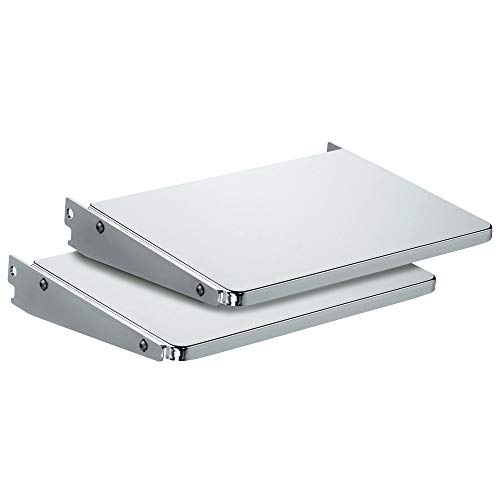
DEWALT Planer Folding Table Accessory for DW735
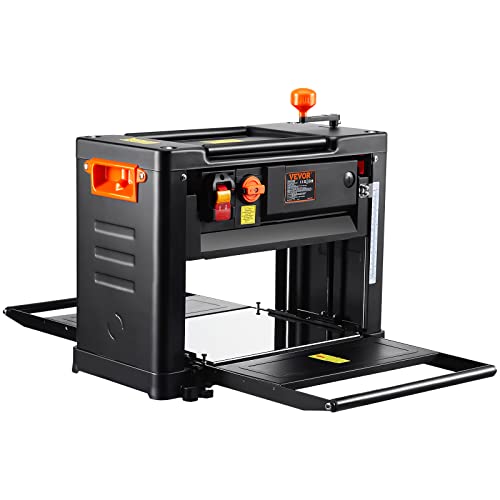
VEVOR Power Benchtop Planer 13-Inch Three-Blade Two Speed

VEVOR 13-Inch Two-Blade Benchtop Planer 15-Amp 2000W
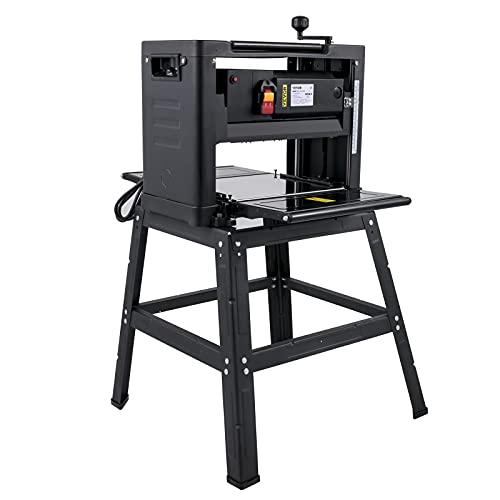
VEVOR 13-Inch Benchtop Planer 2000W Foldable Iron Stand
What Each Pick Brings To The Table
Cordless handheld planers open up a different kind of freedom in the shop. The Makita XPK01Z runs on the brand’s 18V LXT slide-style battery platform, so anyone already invested in those packs can grab this tool and go. The 3-1/4-inch cutting width suits door trimming, edge cleanup, and shimming work where a benchtop machine simply cannot reach.
For trim carpenters hopping between houses, the cordless design eliminates the drag of extension cords and the hunt for outlets on a dusty job site. Weight and balance matter here, and the LXT platform tends to feel manageable overhead. You may notice the battery gauge dropping on hardwood, so keeping a spare pack on hand is a smart move for a full day of fitting doors.
A Strong Showing
- Cordless operation removes the need for extension cords on remote sites
- Compatible with the extensive 18V LXT battery ecosystem
- Compact 3-1/4-inch width navigates door jambs and tight trim work
- Light enough for overhead use during door fitting and adjustments
Worth Noting
- Battery and charger sold separately, raising the real entry cost
- Not suited for milling rough lumber into finished boards
- Runs shorter on hardwood before needing a battery swap
Key Product Details
Who It Suits Best
Trim carpenters and remodelers who already own Makita 18V batteries and need a portable planer for fitting doors and adjusting edges on site.
Consider Something Else When
Anyone milling rough lumber into finished boards will want a wider benchtop machine like the VEVOR Power Benchtop Planer 13-Inch Three-Blade Two Speed instead.
This is not a planer itself but a serious support upgrade for the popular DW735 13-inch benchtop planer. The folding outfeed and infeed tables extend the working surface so long boards stop diving off the back end mid-pass. Aluminum construction keeps the whole assembly light enough to move around the shop without feeling like dead weight.
For anyone already running the DW735, the accessory solves one of the machine’s most common complaints: the stock length you can comfortably plane in a single pass. The fold-down design means it tucks out of the way when the planer is not in use, which matters in smaller shops. You may find that even with the extensions, you still need roller stands for boards over eight feet.
What Earns Its Place
- Extends the working surface for longer boards during planing
- Aluminum build keeps the accessory light and rust-resistant
- Folds down to save floor space when not in active use
- Easy on/off attachment to the DW735 planer base
Trade Offs
- Only compatible with the DEWALT DW735 planer model
- Longer boards may still need separate roller stands for full support
Made For
Owners of the DEWALT DW735 who routinely plane boards longer than the stock feed tables can handle and want a tidy fold-away support solution.
Skip It When
Woodworkers without a DW735 should look at a full benchtop planer such as the VEVOR 13-Inch Two-Blade Benchtop Planer 15-Amp 2000W for a complete milling setup.
Three-blade cutter heads generally leave fewer tear-out marks behind, and that single detail sells this VEVOR to finish-conscious woodworkers. The 13-inch width handles standard hardwood boards and dimensional lumber without forcing you to make multiple passes across the face. A two-speed feed lets you slow things down on figured grain or push faster through softwood framing stock.
For shop owners milling reclaimed lumber or hardwood slabs, the wider bed and pull-out extensions support longer workpieces during each pass. The cast iron bed construction helps keep boards flat through repeated cuts. Depending on the species and moisture content, you may still hit snipe at the ends and need to test your technique on scrap before committing to a final board.
Everyday Advantages
- Three-blade cutter head reduces visible tear-out on figured wood
- Two-speed feed adapts to softwood versus hardwood cuts
- Pull-out table extensions support longer stock during milling
- Cast iron bed helps maintain flatness across the cut
Points To Note
- Snipe at board ends is a commonly reported issue requiring careful technique
- Heavier than portable planers, so placement should be permanent
- Dust collection hookup recommended to manage fine chips
Spec Overview
Best Suited To
Shop owners milling wide hardwood boards who want a smoother finish straight off the planer and the flexibility of two feed rates.
Look Elsewhere When
Anyone needing a lighter or more portable setup should consider the Makita XPK01Z 18V LXT Cordless 3-1/4-Inch Planer for trimming and lighter stock removal.
Wide capacity and a quiet motor put this VEVOR in a comfortable middle ground for garage shops. The 15-amp, 2000W motor pushes through both softwoods and hardwoods without stalling on the first knot. A 12-inch extended infeeding table gives boards a steady runway into the cutter head, which reduces catch points on longer pieces.
For hobbyists running weekend projects, the dual-blade cutter head offers a clean enough cut for most glue-ups and furniture builds. You may find that very figured grain still demands light sanding after the planer, but the standard surface comes out close to ready for finish. Owners commonly mention that dust collection works best with a shop vac rather than a small dust bag.
Advantages To Know
- 15-amp motor handles dense hardwood without bogging down
- Extended infeed table supports long boards on entry
- Quieter operation than comparable high-output benchtop planers
- Works for both softwood construction lumber and hardwood furniture stock
Points To Keep In Mind
- Figured grain may still need light sanding after planing
- Best paired with a shop vac for effective dust management
Who Should Grab It
Garage workshop hobbyists who want a wide, capable planer that handles both hobby and furniture-grade hardwoods without overwhelming noise.
A Better Fit Elsewhere
Woodworkers chasing the smoothest possible finish should step up to the VEVOR Power Benchtop Planer 13-Inch Three-Blade Two Speed for its three-blade cutter head.
Small shops win when a full-size planer folds down and rolls aside. The iron stand on this VEVOR gives you a stable working platform during cuts and folds flat when the job wraps up. The 8000 rpm cutter speed and 6 m/min feeding rate keep production brisk on standard lumber, and the dust exhaust port helps route chips into a collection setup.
For mobile woodworkers or anyone running classes, the foldable frame is a real shop-saver. The 2000W motor pulls through oak and maple without complaint when blades stay sharp. Depending on how aggressive your cuts get, you may find yourself swapping blades more often on highly figured wood, but that holds true for most machines in this class.
Benefits That Matter
- Foldable iron stand saves floor space in tight shops
- 8000 rpm cutter speed delivers clean, fast passes
- Dust exhaust port integrates with shop vac or collector
- 2000W motor handles both hard and soft wood removal
Soft Spots
- Blade changes may come sooner on heavily figured hardwood
- Stand requires manual folding and unfolding between uses
Perfect Match For
Woodworkers in small shops or shared spaces who need a full 13-inch capacity planer that tucks out of the way when the work is done.
Reach For A Different Pick When
Owners of the DEWALT DW735 looking for matched support should grab the DEWALT Planer Folding Table Accessory rather than a whole new planer.
Factors To Weigh Before Choosing A Planer
Cutting Width and Capacity
Benchtop planers for woodworking typically max out around 13 inches wide, which covers standard 2x lumber and most hardwood boards you bring back from the lumberyard. Anything wider means stepping up to a larger machine or making multiple passes across a wider slab. The 6-inch thickness capacity on the VEVOR models handles rough-sawn hardwood, while the Makita handheld trades width for portability.
Cutter Head Design
Two-blade and three-blade heads differ in the finish they leave behind. Three-blade heads, like the one on the VEVOR Power Benchtop Planer, rotate the cutter more frequently across each inch of board and tend to leave a smoother surface. Two-blade designs are simpler to maintain and still produce respectable results for glue-ups and paint-grade work.
Feed Speed and Motor Power
A 15-amp motor paired with adjustable feed rates gives you the flexibility to slow down for figured hardwood or push through pine at production speed. The 2000W rating on the VEVOR models provides enough headroom for dense stock. Slower feed speeds usually mean a cleaner cut, while faster feeds remove material quickly but may leave chatter marks on tricky grain.
Portability and Shop Footprint
Cordless handheld planers like the Makita XPK01Z go wherever the work is, while benchtop machines demand a stable spot near a dust collection setup. Foldable stands, like the one on the VEVOR 13-Inch Benchtop Planer 2000W, soften the footprint problem for tight shops. The DEWALT folding table accessory solves a similar problem for an existing planer rather than the planer itself.
Key Considerations Across These Picks
Wrong Turns To Avoid
The most common mistake is buying a planer that’s too small for the stock you actually run. A 3-1/4-inch handheld cannot replace a 13-inch benchtop machine for milling lumber, no matter how convenient the cordless design feels. Match the tool to the cut, not the other way around.
Another slip is skipping dust collection planning. Benchtop planers produce fine chips fast, and a clogged exhaust slows the cut and shortens motor life. A shop vac or dedicated collector should be on your shopping list right alongside the planer.
When Paying More Pays Off
Spending up usually gets you a three-blade head, a quieter motor, and better table support. Those upgrades matter most for finish-conscious furniture builders and anyone running figured hardwood regularly. Hobbyists building shop projects can save with a two-blade machine and still get years of solid use.
Frequently Asked Questions
What is the difference between a handheld planer and a benchtop planer?
A handheld planer, like the Makita XPK01Z, trims edges and fits doors, while a benchtop planer mills rough lumber into flat, consistent boards. They serve different jobs and rarely overlap in use.
How wide of a board can a 13-inch planer handle?
A 13-inch planer handles boards up to roughly 13 inches wide in a single pass. Wider stock requires multiple passes or a larger industrial machine.
What causes snipe on a thickness planer?
Snipe appears as a small dip at the beginning or end of a board after planing. It usually results from uneven pressure on the board as it enters or leaves the cutter head and can be reduced with proper infeed and outfeed support.
Can a benchtop planer handle hardwood?
Most 13-inch benchtop planers with 15-amp motors handle common hardwoods like oak, maple, and walnut. Very dense exotics may require slower feed rates and sharp blades to avoid burning.
How often should planer blades be replaced or sharpened?
Blade life depends on the wood species and the amount of material removed. Softwood construction lumber dulls blades faster than hardwood, and figured grain accelerates wear on the cutting edge.
Wrap Up
The right planer for woodworking depends on the work you actually do, the space you have, and how often you run lumber through it. Cordless models like the Makita handle trim and on-site fitting, while wide benchtop machines from VEVOR cover shop milling from rough lumber to furniture stock. Pick the tool that matches your stock, and the rest tends to fall into place.




